


This article, “Can Constipation Cause Chest Burning? Causes, Reflux and Relief,” has been written by Dr. Sana Lodhi for informational and educational purposes only.
The content is not intended to be a substitute for professional medical advice, diagnosis, or treatment. Always seek the advice of your physician or other qualified health provider with any questions you may have regarding a medical condition.
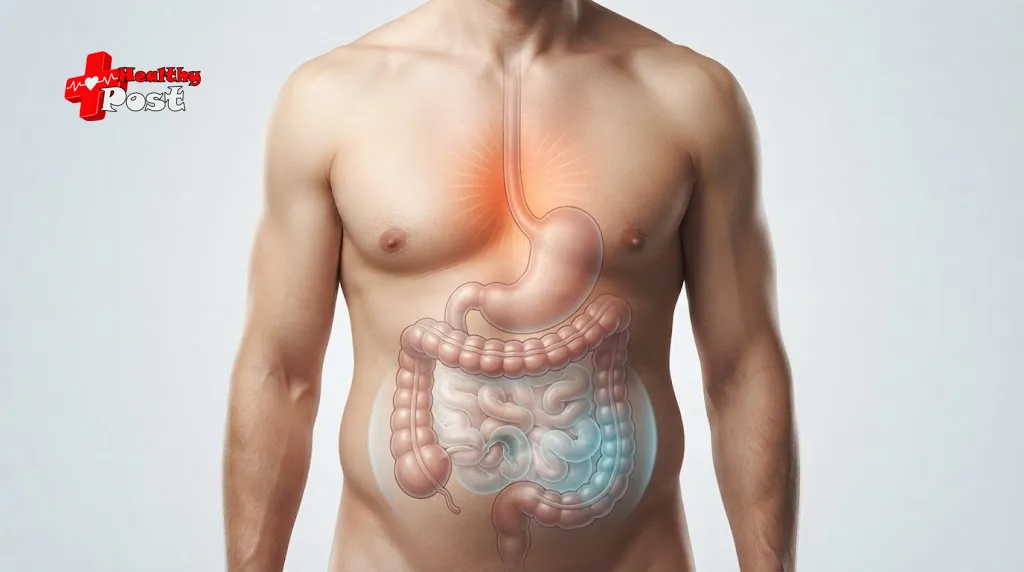
If you have been constipated and then notice a burning sensation behind your breastbone, it is natural to wonder, can constipation cause chest burning? The short answer is: constipation is not usually a direct cause of chest burning, but the two symptoms can occur together, and constipation-related bloating, abdominal pressure, or straining may aggravate reflux symptoms in some people.
Heartburn is one of the most common explanations for burning in the middle of the chest. It happens when stomach contents flow backward into the esophagus, the tube connecting your mouth and stomach. The burning may be more noticeable after meals, when bending over, or when lying down.
That distinction matters. If your chest burning repeatedly occurs around episodes of constipation, it is reasonable to consider digestive pressure and reflux. But chest symptoms should not automatically be blamed on constipation, especially when they are new, severe, unexplained, or accompanied by symptoms that could indicate a heart problem.
Can Constipation Cause Chest Burning?
Constipation can potentially contribute to chest burning indirectly, but it is not generally considered a direct cause of heartburn.
Constipation can involve hard or lumpy stools, difficult bowel movements, straining, incomplete evacuation, and sometimes abdominal discomfort or bloating.
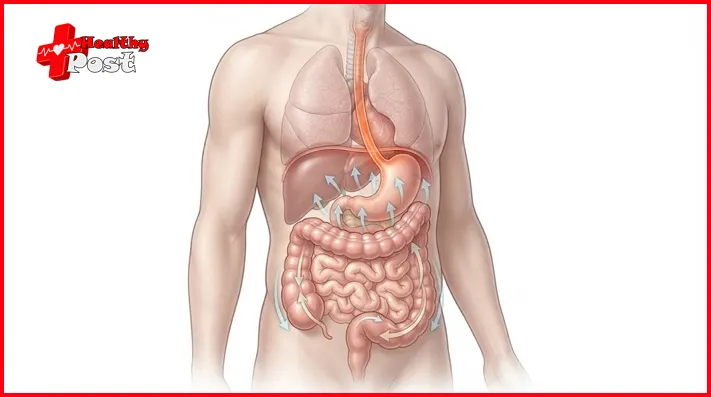
Heartburn, by contrast, results from stomach contents moving backward into the esophagus. When acidic stomach contents irritate the esophageal lining, the resulting sensation can feel like burning behind the breastbone.
The possible connection is therefore more complicated than “constipation causes heartburn.” For some people, constipation may coincide with:
- abdominal bloating or fullness
- increased pressure within the abdomen
- repeated straining during bowel movements
- changes in eating habits
- digestive discomfort that makes reflux more noticeable
A useful way to think about the relationship is:
Constipation → bloating or abdominal pressure → possible aggravation of reflux → chest burning
This is a possible pathway, not proof that constipation itself caused the burning.
Learn more about constipation symptoms and bowel changes
What Does Chest Burning Usually Mean?
Chest burning is commonly associated with heartburn, a symptom of gastroesophageal reflux. Gastroesophageal reflux occurs when stomach contents move back into the esophagus.
Heartburn typically feels like a burning discomfort behind the breastbone. It may occur after eating and can become more noticeable when lying down or bending over. Some people also experience a sour or bitter taste, regurgitation, or the sensation of stomach contents coming back toward the throat.
| Symptom pattern | What it may suggest |
|---|---|
| Burning behind the breastbone after eating | Heartburn or reflux |
| Burning worse when lying down | Reflux is possible |
| Sour or bitter taste in the mouth | Reflux is possible |
| Bloating with abdominal discomfort | Constipation or another digestive problem may be involved |
| Chest pressure with shortness of breath or pain spreading to the arm/jaw | Requires urgent medical assessment |
This table is only a guide. Symptoms can overlap, and chest discomfort cannot always be safely classified based on sensation alone.
Can Constipation Cause Heartburn?
The answer is possibly indirectly, but constipation itself is not a typical direct cause of heartburn.
Heartburn occurs when stomach contents reflux into the esophagus. Factors associated with reflux include problems with the lower esophageal sphincter, excess abdominal pressure, pregnancy, overweight or obesity, smoking, certain medications, and hiatal hernia.
Constipation can add another layer to the picture. Someone who is constipated may feel unusually full or bloated and may strain repeatedly when trying to pass stool. Those symptoms can occur alongside reflux, and increased abdominal pressure can make reflux symptoms more noticeable in susceptible people.
However, having constipation and heartburn at the same time does not prove that one caused the other.
For example, imagine someone eats a large, fatty dinner, goes to bed soon afterward, and is also constipated that day. The chest burning could be primarily related to the meal and lying down rather than the constipation. The constipation may simply be occurring at the same time.
Constipation and Acid Reflux: Why They May Occur Together
Constipation and acid reflux are separate digestive problems. Constipation mainly involves bowel movements and the colon, while reflux involves stomach contents moving backward into the esophagus.
That means a person can have both without one condition necessarily causing the other.
Still, there are situations in which the symptoms seem connected. Consider someone who has been constipated for several days and develops bloating. They eat a large meal because they have not eaten normally, feel very full afterward, and then lie down. The combination of fullness, meal size, and lying down could make reflux symptoms more apparent.
This is why the timing of symptoms can be useful.
Ask yourself:
- Did the burning begin after a meal?
- Does it become worse when lying down?
- Do you notice a sour taste or regurgitation?
- Does constipation cause significant bloating for you?
- Does the burning happen only during bowel movements or also at other times?
- Does the symptom keep returning even after your bowel movements become normal?
These observations do not diagnose GERD, but they can help a healthcare professional understand the pattern.
Why Might Chest Burning Happen During or After Constipation?
Several factors can bring the symptoms together.
1. Bloating and abdominal pressure
Constipation can be accompanied by bloating and abdominal discomfort. When the abdomen feels distended or under pressure, reflux symptoms may become more noticeable in people who are already susceptible to heartburn.
This is one reason bloating and chest burning may sometimes appear together.
2. Straining during a bowel movement
Straining temporarily increases pressure inside the abdomen. If you already experience reflux, this may make an episode of burning more noticeable.
That does not mean every episode of burning after straining is reflux. It simply provides one possible explanation for the timing.
3. Changes in eating patterns
Constipation may change how someone eats. A person might eat less during the day and then have a large meal later, or choose foods that happen to trigger reflux.
Large meals and several common foods and drinks—including fatty or fried foods, spicy foods, chocolate, coffee, alcohol, citrus products, and carbonated drinks—can trigger heartburn in some people. Individual triggers vary.
4. Lying down after eating
If constipation is accompanied by digestive discomfort, you may spend more time resting after meals. Lying down soon after eating can make reflux more likely because stomach contents can move upward more easily.
For people with nighttime reflux, NIDDK notes that eating meals at least two to three hours before lying down may help reduce symptoms.
5. Gas and digestive discomfort
Gas can cause pressure, fullness, or discomfort in the upper abdomen and chest. This can sometimes be confused with reflux or other forms of chest discomfort.
HealthPage also discusses how gas-related chest discomfort, bloating, and reflux can produce overlapping sensations. Can gas cause chest pain?
How Can You Tell If the Burning May Be Heartburn?
The pattern provides useful clues.
Chest burning is more suggestive of reflux when it:
- occurs after eating
- becomes worse when lying down
- becomes worse when bending over
- is accompanied by a sour or bitter taste
- involves regurgitation
- repeatedly occurs at night
- improves when you remain upright
These are characteristic features of heartburn and GERD, but they do not provide a definitive diagnosis.
A heartburn after bowel movement pattern can be particularly confusing. If burning begins after straining, it may be tempting to assume the bowel movement caused it. However, the timing alone does not establish the cause. Reflux, gas, muscle strain, or another condition could produce chest discomfort around the same time.
If the symptom keeps returning, especially without an obvious dietary trigger, discuss it with a healthcare professional.
How to Relieve Constipation and Heartburn
If both problems are mild and there are no warning signs, addressing the constipation while also reducing common reflux triggers may be reasonable.
Increase fiber gradually
Adults generally need about 22–34 grams of fiber per day, depending on age and sex. Increasing fiber gradually can help prevent additional gas and bloating, and fluids are important when increasing fiber intake.
Useful sources include:
- fruits
- vegetables
- beans and lentils
- whole grains
- nuts and seeds
If you already feel very bloated, suddenly adding a large amount of fiber may make the discomfort worse temporarily. A gradual increase is generally more comfortable.
Drink enough fluids
Adequate fluid intake helps fiber work effectively and can support softer stools. Your individual fluid needs vary, particularly if you have a medical condition that requires fluid restriction.
Stay physically active
Regular physical activity can help with constipation. Even a routine involving ordinary walking may be useful for maintaining bowel regularity.
Avoid excessive straining
Give yourself enough time in the bathroom rather than repeatedly forcing a bowel movement. NIDDK also notes that using a small footstool can make the toilet position more comfortable for some people.
If frequent straining is a recurring problem, a related guide on hard stools and constipation patterns may provide useful background.
Reduce your personal reflux triggers
You do not necessarily need to eliminate every food associated with heartburn. Instead, pay attention to patterns. If coffee, spicy food, large meals, or late-night eating consistently brings on burning, reducing those triggers may help.
Eating smaller meals and remaining upright after eating can also be useful strategies.
For practical dietary ideas, HealthPage has a 7-day meal plan for acid reflux that emphasizes individualized trigger awareness rather than claiming that one diet works for everyone.
Can Treating Constipation Stop Chest Burning?
Sometimes it may help, but it depends on what is actually causing the burning.
If constipation is contributing to bloating and abdominal pressure, improving bowel regularity may reduce that digestive discomfort. You may consequently notice less pressure or fewer reflux-like symptoms.
But constipation treatment will not necessarily resolve chest burning caused by GERD, a hiatal hernia, medication-related irritation, or another condition.
This is an important distinction. If your bowel movements become normal but the burning continues, the constipation may not have been the main cause.
Likewise, if the burning repeatedly returns after meals or when lying down, it deserves attention as a possible reflux problem rather than simply being treated as a constipation symptom.
When Should You See a Doctor?
Make an appointment with a healthcare professional if heartburn happens frequently, interferes with normal activities, or continues despite appropriate lifestyle measures or over-the-counter treatment. Difficulty swallowing, persistent vomiting, unexplained weight loss, or signs of gastrointestinal bleeding also warrant medical evaluation.
Constipation should also be assessed when it does not improve with self-care or keeps recurring. Seek prompt medical attention if constipation is accompanied by rectal bleeding, blood in the stool, constant abdominal pain, vomiting, fever, inability to pass gas, or unexplained weight loss.
Persistent constipation can sometimes have an underlying cause, including medication effects, dietary factors, functional gastrointestinal disorders, or other medical conditions. It is better to investigate a recurring problem than repeatedly assume that it is simply a temporary digestive issue.
Chest Burning Can Sometimes Be an Emergency
This is the most important safety point: do not assume that chest burning is caused by constipation, gas, or acid reflux when the cause is uncertain.
Heartburn and heart-related chest discomfort can feel remarkably similar. Mayo Clinic notes that even experienced clinicians may need testing to distinguish some cases of heartburn from a heart attack.
Seek emergency medical attention for severe, persistent, or unexplained chest pain or pressure, particularly when it occurs with:
- shortness of breath
- pain spreading to the arm, shoulder, back, neck, or jaw
- cold sweating
- dizziness or fainting
- significant nausea
- rapidly worsening chest discomfort
Do not wait for a bowel movement or an antacid to prove what is causing the symptom. New or unexplained chest pain deserves appropriate medical assessment.
Frequently Asked Questions
Can constipation cause chest burning?
Constipation is not generally considered a direct cause of chest burning. However, bloating, abdominal pressure, and straining associated with constipation may potentially aggravate reflux symptoms in some people.
Can constipation cause heartburn?
It can potentially contribute indirectly, but heartburn itself occurs when stomach contents reflux into the esophagus. Persistent heartburn should therefore not automatically be attributed to constipation.
Why do I have chest burning after constipation?
Chest burning after constipation may occur because bloating, abdominal pressure, or straining can coincide with reflux. However, the timing does not prove that constipation caused the burning. If the symptom is recurrent or unexplained, medical evaluation is appropriate.
Can constipation and acid reflux happen together?
Yes. Constipation and acid reflux are separate digestive conditions, and a person can experience both at the same time. Having both does not necessarily mean that one condition caused the other.
Does relieving constipation help heartburn?
It may help if bloating and abdominal pressure are contributing to your discomfort, but it will not necessarily treat the underlying cause of heartburn. Reflux may require its own lifestyle measures, medication, or medical evaluation depending on its severity and frequency.
Is chest burning from gas or reflux?
Either is possible, and the sensations can overlap. Reflux is more suggestive when burning follows meals or worsens when lying down and is accompanied by a sour taste or regurgitation. New, severe, or unexplained chest pain should not be self-diagnosed as gas or reflux.
Conclusion
So, can constipation cause chest burning? Usually not directly. Constipation affects bowel function, while heartburn generally results from stomach contents moving backward into the esophagus.
The two can nevertheless occur together. Bloating, abdominal pressure, straining, eating patterns, and other digestive factors may make reflux symptoms more noticeable in someone who is already susceptible to heartburn.
If your symptoms are mild, improving bowel regularity through gradual fiber increases, adequate fluids, physical activity, and better bathroom habits may reduce constipation-related discomfort. At the same time, paying attention to meal size, personal reflux triggers, and the timing of meals can help identify whether heartburn is also involved.
Most importantly, do not use constipation as an explanation for unexplained chest pain. If burning is severe, persistent, or accompanied by shortness of breath, sweating, dizziness, or pain spreading to the arm or jaw, seek emergency medical care.
References
- National Institute of Diabetes and Digestive and Kidney Diseases — Symptoms & Causes of GER & GERD
- National Institute of Diabetes and Digestive and Kidney Diseases — Symptoms & Causes of Constipation
- Mayo Clinic — Heartburn: Symptoms & Causes
1 Comment
Pingback: Indian Gooseberry Juice: 7 Benefits, Uses & Side Effects