

The content provided in this article is for informational and educational purposes only and does not constitute medical advice, diagnosis, or treatment. Always seek the advice of your physician or other qualified health provider with any questions you may have regarding a medical condition.

🏥 Medical Review Board Member
Dr. Kamlesh Verma, MS, M.Ch
Director – Surgical Oncology | Max Super Speciality Hospital, Lucknow
Dr. Kamlesh Verma is a highly experienced Surgical Oncologist and Director of Surgical Oncology at Max Super Speciality Hospital, Lucknow. Trained at premier institutions including the Tata Memorial Centre in Mumbai and King George’s Medical University (KGMU), Dr. Verma specializes in advanced minimally invasive, robotic, and complex cancer surgeries. He is deeply committed to evidence-based oncology care, ensuring that every cancer-related publication he reviews meets the highest standards of medical accuracy, safety, and clinical integrity.
Few treatments carry as much hope and anxiety as chemotherapy. People facing it usually want to know two things: will it work, and will it clear the cancer for good? Chemotherapy is a group of medicines designed to kill cancer cells or stop them from growing and dividing, and for some cancers it can lead to a lasting cure. For many others it cannot, and the goal shifts to shrinking tumours, holding the disease in check or easing symptoms.
Which outcome is realistic depends on the type of cancer, how far it has spread, the drugs chosen and how the individual responds. The sections below explain how the medicines act, when cure is a reasonable aim, how doctors judge whether treatment is working, and why cancer sometimes returns after a strong response. This is general information, and your own oncology team is the right source for what applies to your diagnosis.
How Chemotherapy Kills Cancer Cells
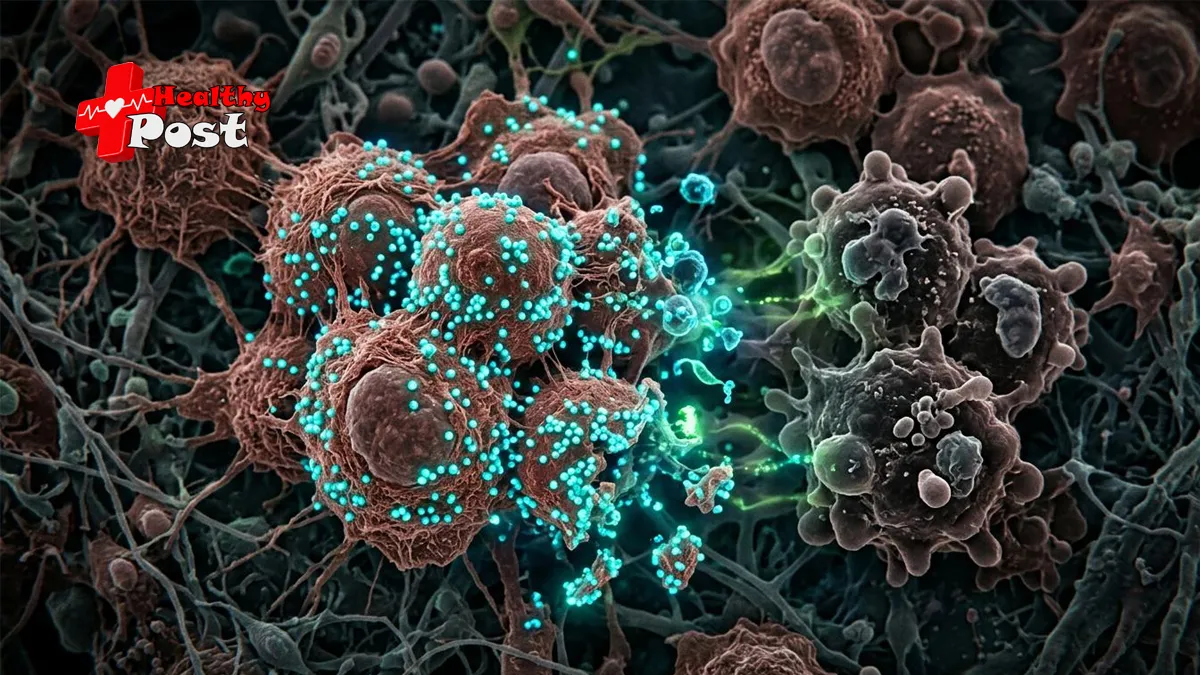
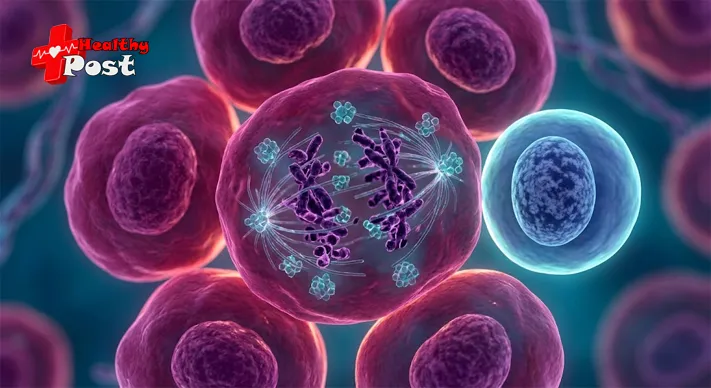
Cancer cells share a habit that chemotherapy exploits: they divide quickly and with little restraint. According to the National Cancer Institute’s chemotherapy overview, the treatment works by killing or stopping the growth of cancer and other fast-growing cells. Different drug classes do this in different ways. Alkylating agents and platinum-based drugs damage DNA so a cell cannot copy itself properly. Antimetabolites imitate the raw materials cells use to build DNA, which disrupts the process. Taxanes and vinca alkaloids interfere with the internal scaffolding that pulls chromosomes apart during division. When the damage is too severe, the cell usually triggers its own death.
Because the drugs enter the bloodstream, whether they are given through a vein, as tablets or by injection, they can reach malignant cells almost anywhere in the body, including deposits too small to appear on a scan. That is what makes chemotherapy a systemic treatment, in contrast to surgery or radiotherapy, which act on a defined area. The approaches are often combined, and some chemotherapy drugs make tumour cells more sensitive to radiation. If you want a side-by-side view, this explanation of how chemotherapy differs from radiotherapy sets out the practical differences.
Treatment is usually delivered in cycles: a period of chemotherapy followed by a rest period that lets healthy tissue recover. A single cycle rarely removes everything. Oncologists generally think of each round as killing a proportion of the tumour cells rather than a fixed number, so repeated cycles are needed to bring the total down. Using more than one drug at a time attacks the cells by different routes, which also lowers the chance that a single resistant cell survives.
Why Healthy Cells Are Affected Too
Chemotherapy cannot tell a cancer cell from a healthy cell that happens to divide quickly. Cells in the hair follicles, the lining of the mouth and intestines, and the bone marrow are all vulnerable. That explains the familiar list of hair loss, mouth sores, nausea, tiredness and low blood counts, which raise the risk of infection. The NCI notes that many side effects ease or disappear after treatment ends, though some can be serious or long-lasting.
One point surprises many people: side effects reveal very little about whether the drugs are working. The NCI is explicit that they have nothing to do with how well chemotherapy is fighting the cancer. Severe symptoms do not prove the treatment is effective, and mild ones do not mean it is failing.
Most reactions can be anticipated and eased, and this guide on how to manage chemotherapy side effects at home covers fatigue, nausea, skin care and the warning signs that need a call to the clinic.
Can Chemotherapy Cure Cancer Completely?
Sometimes, yes. The NCI lists three roles for chemotherapy: curing cancer, lessening the chance it will return, and stopping or slowing its growth. Cure is realistic mainly where cancers are highly sensitive to the drugs. Certain leukaemias, Hodgkin lymphoma, some other lymphomas, testicular cancer and a number of childhood cancers fall into this group, and chemotherapy often forms the backbone of treatment. Cancer Research UK’s information on testicular cancer treatment notes that treatment, which commonly includes chemotherapy, cures many people, and that a recurrence can still be treated with the aim of cure.
For more common solid tumours such as breast and bowel cancer, chemotherapy more often works alongside surgery. Given before an operation, it can shrink a tumour so it is easier to remove. Given afterwards, it targets cells that may remain but are too small to detect, with the aim of lowering the risk of the cancer returning. The benefit here is statistical. No scan can show whether a particular person’s leftover cells were destroyed, so recommendations rest on how groups of similar patients fared in clinical trials.
Once a cancer has spread widely, chemotherapy usually aims to control it rather than eliminate it. That is not a lesser goal. Controlling growth can extend life and relieve symptoms, and the NCI points out that improved treatments have, in some cases, turned cancer into a chronic disease that people live with for many years.
| Goal | What it aims to do | Typical situation |
|---|---|---|
| Curative | Eliminate the cancer entirely | Some leukaemias, lymphomas and testicular cancer |
| Neoadjuvant | Shrink a tumour before surgery or radiotherapy | Tumours that are hard to remove at their original size |
| Adjuvant | Destroy cells that may remain after surgery | Early-stage cancers after removal |
| Control | Slow growth and keep the disease stable | Advanced cancers that cannot be cured |
| Palliative | Ease symptoms and protect comfort | Tumours causing pain or pressure |
Remission Is Not the Same as Cure
Complete remission means tests can no longer detect the cancer. Partial remission means it has shrunk but is still present. Neither term promises permanence. Doctors tend to reserve the word cure for cases where the cancer has stayed away long enough that a return becomes very unlikely, and the waiting period varies widely between cancer types. That is why scans, blood tests and check-ups continue after treatment ends, even when everything looks clear.
How Effective Is Chemotherapy for Cancer?
There is no single figure, because the question only makes sense for a particular cancer in a particular person. Several factors shape the result:
- Cancer type and biology. Cancers differ in how fast they grow and how sensitive they are to specific drugs. As a general pattern, fast-dividing cancers respond more readily, though that is not a rule.
- Stage. Cancer found early and confined to one area is usually easier to treat than cancer that has spread to distant organs.
- Molecular features. Genetic changes inside tumour cells can make them more or less sensitive to certain drugs, and biomarker testing increasingly guides drug choice.
- The treatment plan. The drugs, doses and timing matter, as does whether chemotherapy is paired with surgery, radiotherapy, targeted therapy or immunotherapy.
- Overall health. Kidney, liver and heart function, and general fitness, influence which drugs and doses a person can tolerate.
Stage can change the picture dramatically. Chemotherapy is central to treating small cell lung cancer, yet, as this look at long-term survival in small cell lung cancer explains, outcomes differ considerably between limited-stage and extensive-stage disease.
Doctors judge response through physical examination, imaging such as CT, MRI or PET scans, blood tests and, for some cancers, tumour markers. A tumour may shrink, stay the same, disappear from tests or keep growing. Whether that counts as success depends on the goal set at the outset. A stable scan in advanced cancer may be a good result, whereas the same finding after treatment meant to cure would not be.
Survival and prognosis figures deserve cautious reading. Five-year survival rates describe groups of people, often treated years earlier with older regimens, and cannot predict what will happen to one individual. A more useful question for your oncologist is what chemotherapy is expected to add in your situation, such as a lower risk of recurrence or more time with the disease controlled, and what it will cost in side effects. Targeted therapy, hormone therapy and immunotherapy are options for certain cancers, and chemotherapy is sometimes used alongside them rather than instead of them.
Do Cancer Cells Come Back After Chemotherapy?
They can. When cancer returns after treatment, doctors call it recurrence. The National Cancer Institute’s guide to recurrent cancer explains that it begins with cancer cells the first treatment did not fully remove or destroy: a small number survived, were too few to show up on follow-up tests, and grew over time until they became detectable. This does not mean the original treatment was a mistake.
Detection limits are only part of the explanation. A tumour is not a uniform mass. Its cells carry different genetic changes, and some can withstand a given drug, for instance by repairing DNA damage more effectively or by pumping the medicine out. Others divide slowly or lie dormant, which makes them less vulnerable to drugs that target dividing cells. If resistant cells outlast treatment, they can multiply, and the cancer may return in a form that responds less well to the original drugs. This is known as chemotherapy resistance.
Doctors describe recurrence by location. Local recurrence is at or near the original site, regional recurrence involves nearby lymph nodes or tissues, and distant recurrence appears in organs far from where the cancer began. It can happen months or many years after treatment. Researchers are studying blood tests that pick up fragments of tumour DNA and may flag a relapse before scans can. One example is a blood test being studied for breast cancer relapse, although tests like this remain specialised and are not yet routine for every cancer.
Recurrence is not inevitable, and many people stay free of cancer for the rest of their lives. When it does return, treatment is often still possible. The NCI lists chemotherapy, surgery, radiation and biological therapies as options, sometimes the same as before and sometimes different, depending on where the cancer has returned and the person’s current health.
Questions Worth Bringing to Your Oncology Team
A treatment conversation goes better with specific questions. Ask what the goal is: cure, control or comfort. Ask how and when response will be measured, which side effects need an urgent call, and what follow-up will look like once treatment finishes. If it is unclear what chemotherapy adds for you personally, ask for the answer in plain numbers where they exist, and whether a clinical trial or another type of therapy could be considered.
FAQs
Does chemotherapy destroy every cancer cell?
In some cancers it does, and that is what a cure means. The difficulty is proof. Scans and blood tests have detection limits, so no test can show on the day treatment ends that not a single cell remains. Long-term follow-up fills that gap.
Does everyone lose their hair during chemotherapy?
No. It depends on the drugs. Some regimens cause complete hair loss, others cause thinning, and some cause little or none. Hair usually regrows after treatment finishes, though the texture or colour may differ at first.
How long before doctors can say the cancer is cured?
There is no universal date. The waiting period depends on the cancer type, its stage and how likely it is to recur. Many people are monitored for years, and some cancers need longer surveillance than others. Your oncologist can tell you what applies to your diagnosis.
Can diet or lifestyle changes stop cancer coming back?
No diet has been proven to prevent recurrence, according to MedlinePlus, though eating well may improve overall health. Good nutrition does help many people tolerate treatment, and this guide to cancer patient diet and side effect management offers practical ideas for common eating problems.
Can I keep working during chemotherapy?
Many people can, as long as their schedule matches how they feel. The NCI suggests part-time or home-based work on difficult days. Fatigue is the most common side effect, so it helps to plan lighter days after each session and to talk to your employer early.
Conclusion
Chemotherapy can kill cancer cells, slow their growth and, in the right circumstances, cure the disease. It cannot promise that for every cancer or every person, and a clear scan is encouraging without being a guarantee. The outcome rests on the cancer’s type and stage, the drugs used and how the person responds, with follow-up care catching problems early if cells do return.
If you or someone close to you is facing treatment, a practical first step is to ask the oncology team to state the goal of chemotherapy in plain terms and to put the follow-up schedule in writing. Knowing whether the plan is aimed at cure, control or comfort makes every later result easier to interpret.
References
- National Cancer Institute, “Chemotherapy to Treat Cancer”: https://www.cancer.gov/about-cancer/treatment/types/chemotherapy
- National Cancer Institute, “Recurrent Cancer: When Cancer Comes Back”: https://www.cancer.gov/types/recurrent-cancer
- Cancer Research UK, “Research into testicular cancer” (treatment outcomes): https://www.cancerresearchuk.org/about-cancer/testicular-cancer/research-clinical-trials/research