

Medical Accuracy Verified
This article has been written and clinically verified by Dr. Kamlesh Verma, MS, M.Ch, a specialist in Surgical Oncology.
Medical Disclaimer: The content on Healthy Post is for educational and informational purposes only. Implementing a structured cancer patient diet & side effect management routine is vital to combat cachexia, support immune function, and sustain energy levels during intensive clinical treatments. However, nutritional requirements vary drastically based on individual tumor staging, metabolic alterations, and specific treatment modalities like chemotherapy or radiation. Never introduce unverified supplements or radical dietary restrictions without consulting a qualified medical oncologist, clinical dietitian, or your primary oncology care team.

🏥 Medical Review Board Member
Dr. Kamlesh Verma, MS, M.Ch
Director – Surgical Oncology | Max Super Speciality Hospital, Lucknow
Dr. Kamlesh Verma is a highly experienced Surgical Oncologist and Director of Surgical Oncology at Max Super Speciality Hospital, Lucknow. Trained at premier institutions including the Tata Memorial Centre in Mumbai and King George’s Medical University (KGMU), Dr. Verma specializes in advanced minimally invasive, robotic, and complex cancer surgeries. He is deeply committed to evidence-based oncology care, ensuring that every cancer-related publication he reviews meets the highest standards of medical accuracy, safety, and clinical integrity.
When we counsel patients and families in oncology care, one of the most common questions we hear is simple: “What can I actually eat right now?” Cancer Patient Diet & Side Effect Management is not about chasing a perfect diet. It is about protecting strength, preserving comfort, and making food feel possible again during treatment. Chemotherapy, immunotherapy, and radiation therapy side effects can change appetite, taste, digestion, and energy from week to week. That is why practical, symptom-specific nutrition advice matters.
In our clinical review work, we see the same pattern often. Patients do better when nutrition advice is flexible, evidence-based, and realistic. A person with nausea needs a different plan than someone dealing with oral mucositis or diarrhea. A patient recovering from surgery has different needs than someone on high-dose chemotherapy with infection risk. The goal is not restriction for its own sake. The goal is nutrient density, hydration, food safety, and enough calories and protein to support healing.
This guide explains what most studies agree on, where common myths create harm, and how patients can adapt meals safely. It also adds lived clinical context. Not dramatic stories. Just the day-to-day realities that shape what people can tolerate.
If you are also navigating related concerns, many families ask broader symptom questions at the same time, including Is Low Potassium a Sign of Cancer? or digestive changes such as Bowel Cancer Stomach Noises. These issues can overlap with treatment-related nutrition challenges.
1. Start with the real goal: maintain strength, hydration, and intake
For many patients, oncology nutrition begins with one hard truth: eating “perfectly” matters less than eating enough. During treatment, reduced intake may lead to weight loss, muscle loss, fatigue, and slower recovery. In some cases, poor intake contributes to cancer cachexia, a complex wasting syndrome that is not solved by willpower alone.
Most clinical guidelines support a few consistent priorities:
- Prevent unintentional weight loss when possible
- Preserve lean muscle mass with protein-rich foods
- Use small, frequent meals instead of forcing large portions
- Adjust texture, temperature, and smell to reduce discomfort
- Protect against foodborne illness when immunity is low
- Rehydrate with fluids and electrolyte replacement solutions when needed
This is why rigid “clean eating” rules can backfire in active treatment. If the only food a nauseated patient can manage is cold yogurt, mashed potatoes, or a smoothie, that may be the right choice for that day.
A practical example from clinical care: a patient with severe early satiety may fail with three large meals but succeed with six half-meals. The difference is not motivation. It is physiology.
2. The protective diet matters when infection risk is high
Patients receiving high-dose chemotherapy, stem cell transplant, or certain forms of intensive treatment may be advised to follow a neutropenic or protective diet. The purpose is to reduce exposure to harmful bacteria, molds, and other pathogens when the immune system is severely suppressed.
Most consensus-based guidance includes the following:
Cook high-risk foods thoroughly
Avoid:
- Raw or undercooked eggs
- Sushi and raw fish
- Rare meat or poultry
- Unpasteurized milk products
Choose:
- Fully cooked meat, poultry, and seafood
- Pasteurized dairy products
- Reheated leftovers that are steaming hot
Be selective with produce
Produce does not need to disappear from the plate, but it should be handled carefully.
- Wash fruits and vegetables thoroughly
- Discard anything bruised, moldy, or damaged
- Avoid pre-cut produce that has sat out
- Refrigerate perishables promptly
Avoid high-exposure food settings
Patients with severe neutropenia are often advised to avoid:
- Salad bars
- Open buffets
- Food sitting uncovered
- Fresh juices from stalls or unregulated vendors
For practical public guidance, see the CDC food safety recommendations, which are especially relevant for immunocompromised people.
3. Nausea and smell sensitivity change what “tolerable” means
Chemotherapy-related nausea is not always caused by the stomach alone. Smell can trigger it fast. A food that tastes acceptable may still be impossible if its aroma is too strong. That is why foods that don’t smell for chemo patients can make a meaningful difference.
In our editorial reviews of symptom diaries, patients often describe hot foods as harder to tolerate than cold ones. This makes biological sense. Warm foods release more airborne aroma compounds, which may intensify nausea.
Helpful strategies for nausea and odor sensitivity
- Serve foods cold or at room temperature
- Eat dry, plain foods first thing in the morning if nausea is worse early
- Keep portions small
- Sip fluids between meals, not with meals, to reduce fullness
- Try mild options like toast, crackers, rice, applesauce, oatmeal, or chilled yogurt
- Ask someone else to cook if kitchen odors trigger symptoms
Examples of foods that don’t smell for chemo patients include:
- Chilled pasta
- Plain rice
- Cottage cheese
- Applesauce
- Bananas
- Cold chicken, shredded into a wrap if tolerated
- Gelatin
- Smooth yogurt
Some patients also tolerate tart flavors better than savory meals during dysgeusia, the metallic taste distortion common in chemotherapy. In those cases, non-metal utensils and ceramic cookware may help. Many clinicians now recommend trying plastic, bamboo, or wooden utensils if metal taste becomes overwhelming.
4. When intake drops, calorie boosting becomes part of treatment support
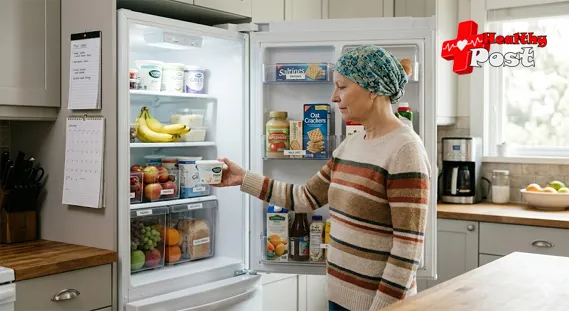
A major challenge in Cancer Patient Diet & Side Effect Management is that patients may need more energy while feeling much less able to eat. This is where families often ask how to add calories to food for cancer patients without making meals larger.
The answer is concentration. Add more nutrition to small portions.
How to add calories to food for cancer patients
Try enriching foods with:
- Olive oil or avocado oil stirred into rice, soups, or vegetables
- Nut butters blended into oatmeal, smoothies, or toast
- Full-fat yogurt added to fruit or soups
- Cheese melted into eggs, potatoes, or pasta
- Powdered milk mixed into mashed potatoes, puddings, or cereal
- Avocado added to sandwiches or purees
These changes increase nutrient density without requiring a bigger plate.
Quick high-calorie additions
This is also where timing matters. Strategic hydration windows can help. Drinking large volumes during meals may worsen early fullness. Many dietitians advise saving most fluids for the time between meals and snacks.
5. Diarrhea and constipation need opposite strategies
Bowel changes are common during chemotherapy and radiation therapy side effects. Yet many online articles oversimplify the issue. There is no single “cancer diet” for bowel symptoms because diarrhea and constipation require different adjustments.
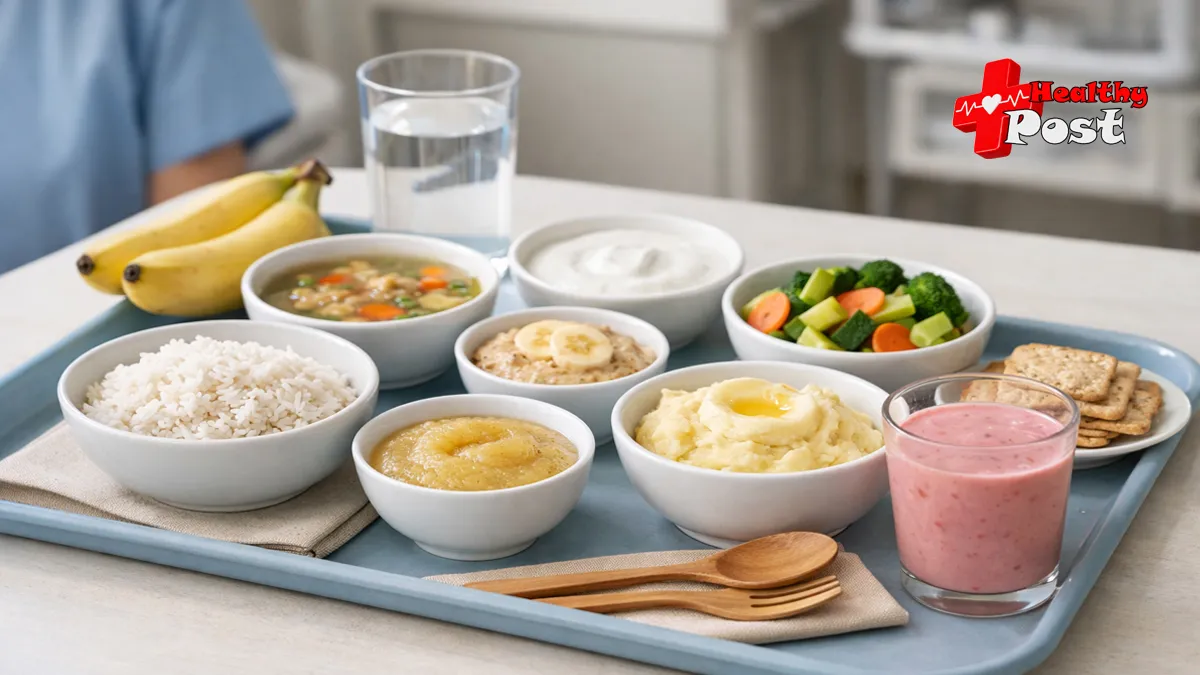
Bland food diet for chemo diarrhea
A bland food diet for chemo diarrhea usually emphasizes low-fiber, gentle foods that reduce irritation and help replace lost fluids and minerals.
Often tolerated foods include:
- White rice
- Bananas
- Applesauce
- Plain toast
- Boiled potatoes
- Noodles
- Plain chicken
- Broth-based soups
This type of bland food diet for chemo diarrhea may help reduce stool frequency for some patients, especially when paired with oral fluids and electrolyte replacement solutions. Some people tolerate yogurt with live cultures, but others do not. Individual response matters.
Avoid or limit, if they worsen symptoms:
- Greasy foods
- Alcohol
- Highly spicy meals
- Raw vegetables
- High-fiber cereals
- Large amounts of dairy
If constipation is the problem
The strategy changes:
- Increase fluids gradually
- Add soluble and insoluble fiber as tolerated
- Use cooked vegetables, oats, lentils, beans, and fruit
- Encourage walking if medically appropriate
- Review medications, especially opioids, with the care team
If diarrhea is severe, bloody, or accompanied by fever, patients should contact their oncology team promptly. Persistent bowel changes can also raise concern for unrelated conditions, which is why some readers compare treatment symptoms with topics like Bowel Cancer Stomach Noises when trying to understand what is normal and what is not.
6. Mouth sores require texture changes, not just softer seasoning
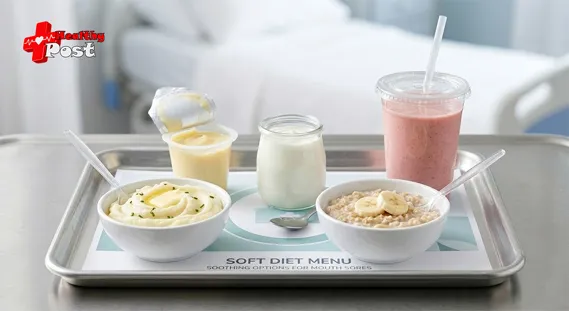
Oral mucositis can turn eating into a painful task. Patients often describe burning, ulceration, and a raw sensation made worse by acidic, rough, or salty foods. In these cases, soft foods for cancer patients with mouth sores are not a comfort preference. They are often the only feasible route to maintaining intake.
Soft foods for cancer patients with mouth sores
Usually better tolerated:
- Mashed potatoes
- Scrambled eggs
- Pudding
- Smooth soups
- Yogurt
- Cottage cheese
- Oatmeal
- Soft noodles
- Pureed vegetables
- Blended smoothies
Avoid if painful:
- Citrus
- Tomato sauces
- Dry toast
- Chips
- Spicy foods
- Vinegar-heavy dressings
- Very hot foods
Cool or lukewarm meals are usually easier than hot ones. A simple baking soda mouth rinse may also help reduce irritation for some patients, though individual oncology teams may recommend a specific oral care routine.
Practical oral care tips
- Use a soft toothbrush
- Rinse after meals
- Avoid alcohol-based mouthwashes
- Choose smooth, moist foods
- Cut foods finely or blend them when needed
Patients researching oral symptoms often connect these nutrition problems with larger disease questions, including Endometrial Cancer Staging Symptoms, because symptom burden can feel confusing across diagnoses. The important point is that oral mucositis is often treatment-related and should be managed early.
7. The “sugar feeds cancer” myth does real harm
One of the most persistent fears we encounter is the belief that all sugar must be eliminated immediately because “sugar feeds cancer.” This idea sounds intuitive, but it is misleading.
All cells use glucose. That includes healthy cells, immune cells, and the brain. Removing carbohydrates entirely does not selectively starve a tumor. What it can do is make eating harder, worsen fatigue, and contribute to muscle loss when intake is already low.
Most studies agree that excess added sugar is not ideal for long-term health. But during active treatment, the bigger danger may be not eating enough. If a smoothie, pudding, or fortified cereal is the only thing a patient can tolerate that morning, it may support recovery better than a “perfect” meal they cannot finish.
The better long-term model is balanced eating. As tolerated, many modern oncology nutrition frameworks support a plant-forward pattern with fruits, vegetables, beans, and whole grains making up much of the plate. That pattern matters most over time, not in a rigid all-or-nothing way on the worst symptom days.
For evidence summaries, PubMed remains an important source for peer-reviewed oncology nutrition research.
8. A flexible plan works better than a perfect one
The most useful nutrition plans are adaptive. A patient may need one food approach during infusion week, another during recovery, and another after treatment ends.
A workable daily framework may look like this:
Morning
- Small, frequent meals start early
- Dry toast, oatmeal, yogurt, or a smoothie if appetite is low
Midday
- Main protein intake if energy is better
- Soft chicken, lentil soup, eggs, or tofu with rice
Afternoon
- Fluids between meals
- Oral nutrition shake, fruit puree, or crackers
Evening
- Cold or lukewarm meal if smells are difficult
- Pasta, mashed potatoes, or soup
Before bed
- Extra calories if weight loss is a concern
- Yogurt, pudding, nut butter toast, or fortified milk
This type of rhythm supports consistency without forcing volume. It also helps caregivers who need simple structure.
FAQs
What are the best foods that don’t smell for chemo patients?
Cold or room-temperature foods often work best. Examples include yogurt, applesauce, bananas, cold pasta, rice, crackers, and cottage cheese. These foods that don’t smell for chemo patients may reduce nausea triggered by cooking aromas.
How can families learn how to add calories to food for cancer patients?
Start by enriching small portions. Add olive oil, nut butter, avocado, cheese, or full-fat yogurt to foods already tolerated. This is often the safest answer to how to add calories to food for cancer patients without increasing meal size.
What does a bland food diet for chemo diarrhea usually include?
A bland food diet for chemo diarrhea often includes white rice, bananas, applesauce, toast, plain noodles, broth, and boiled potatoes. It should also include fluids and, when appropriate, electrolyte replacement solutions.
Which soft foods for cancer patients with mouth sores are easiest to try first?
Common starter foods include pudding, mashed potatoes, yogurt, oatmeal, scrambled eggs, and pureed soups. These soft foods for cancer patients with mouth sores are moist and less likely to irritate oral mucositis.
Can diet prevent all treatment side effects?
No. Diet cannot prevent every side effect, and it should never replace medical treatment. But symptom-focused nutrition changes may help reduce discomfort, support hydration, and improve overall intake during treatment.
Are digestive problems always caused by treatment?
Not always. Diarrhea, constipation, or appetite changes may be treatment-related, but they can also reflect infection, medication effects, or another condition. Patients with persistent symptoms should speak with their oncology team. Some people exploring warning signs also ask broader questions such as Do bigger breasts increase the risk of breast cancer, though that is a separate risk topic from treatment-related nutrition issues.
Conclusion
Cancer Patient Diet & Side Effect Management works best when it is practical, personalized, and compassionate. The goal is not dietary perfection. It is helping patients eat with less pain, less nausea, and less fear. For some, that means choosing foods that don’t smell for chemo patients. For others, it means learning how to add calories to food for cancer patients, following a bland food diet for chemo diarrhea, or relying on soft foods for cancer patients with mouth sores during oral mucositis.
In clinical practice, we repeatedly see that small adjustments matter. Cooler foods. Safer food handling. More nutrient density in fewer bites. Fluids between meals. Less pressure. Better timing. These are not glamorous interventions, but they are often the ones that help patients keep going.
If symptoms are worsening, or if eating has become painful or unsustainable, the next step should be a conversation with the oncology team or a registered dietitian with cancer care experience. That is especially true when nutrition issues overlap with broader concerns such as Is Low Potassium a Sign of Cancer? or symptom clusters that need proper evaluation.
References
- CDC food safety: https://www.cdc.gov/food-safety/index.html
- PubMed: https://pubmed.ncbi.nlm.nih.gov/
3 Comments
Pingback: Breast Size and Cancer Risk: Density vs Physical Volume Explained
Pingback: How to Manage Chemotherapy Side Effects at Home | Complete Patient Guide
Pingback: Difference Between Mouth Ulcer and Oral Cancer: Symptoms & Precaution