

Medical Disclaimer: This article, written by Dr. Priyanka Agarwal (Dermatologist, Dakai Skin Clinic), is intended solely for general informational and educational purposes. It does not constitute formal medical advice, diagnosis, or treatment for specific dermatological conditions. Always consult a qualified healthcare professional or dermatologist directly regarding any medical questions, personalized treatment plans, or procedures such as Moxi Laser Treatment.

Dr. Priyanka Agarwal
Dermatologist | Dakai Skin Clinic
Dr. Priyanka Agarwal is an experienced Dermatologist dedicated to providing advanced medical and aesthetic skin care solutions. Practicing at Dakai Skin Clinic, Dr. Agarwal combines evidence-based dermatological care with a patient-centered approach, ensuring optimal skin health, advanced clinical treatments, and the highest standards of safety and diagnostic precision.
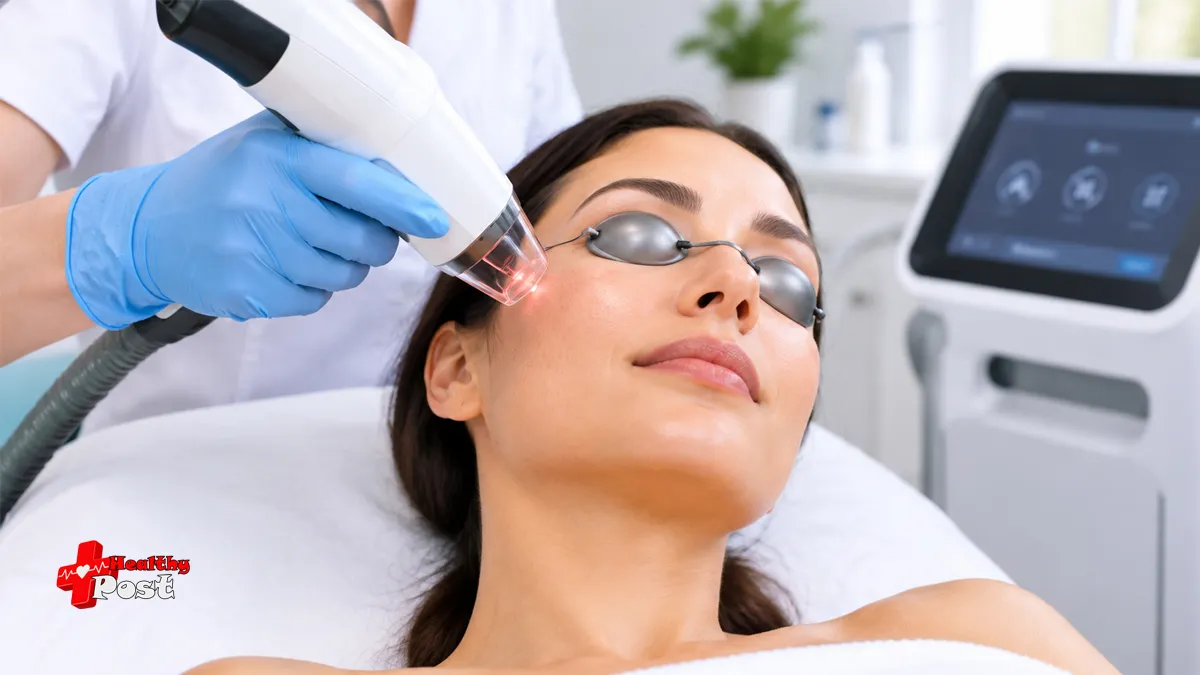
Moxi laser treatment is a short, non-ablative fractional laser procedure used to soften uneven skin tone, superficial pigmentation, early sun damage and mild texture changes. It sits somewhere between a facial and a more aggressive resurfacing laser. It is gentler than the second and more targeted than the first. If you are weighing it up, the useful questions are what it can realistically change, what the recovery looks like, and how much it may cost. This guide covers those, along with the risks that clinic brochures tend to play down.
What Is Moxi Laser Treatment and How Does It Work?
MOXI is a device made by Sciton. According to the manufacturer, it uses a fractionated, non-ablative 1927 nm wavelength that targets water within skin cells and is designed to work with the body’s natural healing processes. Both terms matter.
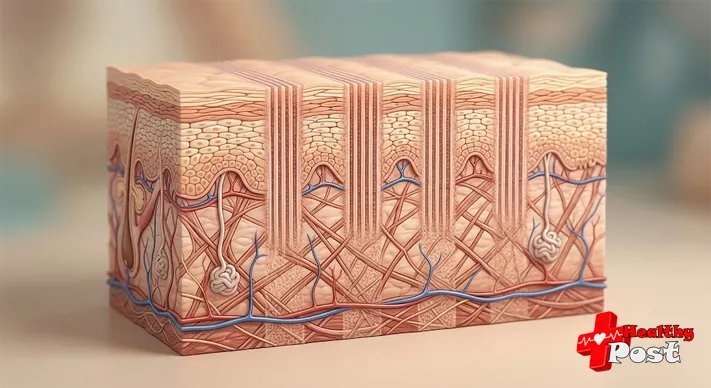
Fractional means the laser treats thousands of microscopic zones and leaves the skin between them untouched. Non-ablative means the surface is not intentionally vaporised or removed. A rough comparison is aerating a lawn rather than re-turfing it. Small, controlled areas of injury prompt the skin to shed damaged cells and renew itself, while the surrounding tissue helps it recover quickly.
Providers often call this moxi laser skin resurfacing, though it is a lighter form than ablative lasers. A session on a small area can take under ten minutes, according to the manufacturer. Clinics treating a full face or larger body areas often quote 15 to 30 minutes or more. Most people describe a warm, prickly feeling rather than sharp pain.
Moxi Laser Benefits: 7 Possible Improvements and Their Limits
Every benefit below is a possible cosmetic improvement, not a guaranteed outcome. Most published evidence on 1927 nm lasers comes from small studies, and some used different devices from MOXI. One 2014 trial of a 1927 nm fractional thulium laser (a Solta Fraxel device, not MOXI) enrolled 40 adults with sun-related facial pigmentation. It reported moderate to marked improvement after two treatments, but also a decline in improvement by three months and no participants with darker skin types (Fitzpatrick V and VI). Those results are encouraging. They do not predict what any one person will see.
1. A more even-looking skin tone
Patchy, blotchy colour is the most common reason people book. By stimulating renewal of the upper skin layers, the laser can make tone look more uniform. The change tends to build across sessions rather than appearing overnight.
2. Softer superficial pigmentation
Freckle-like sun spots and mild brown patches in the upper skin are the best-suited targets. Deeper or hormonally driven pigmentation behaves differently. Moxi laser treatment for hyperpigmentation depends heavily on the type of pigment, so a proper diagnosis comes first.
3. Smoother-looking texture
Rough or slightly uneven texture can look more refined as damaged surface cells are replaced. Some fine lines may soften too. Deep wrinkles and sagging are beyond what a light non-ablative laser does well.
4. A brighter, fresher appearance
Many clinics describe this as the “glow” effect. It is real in the sense that renewed skin reflects light more evenly, but it is also the most subjective benefit and the one most dependent on your skincare habits afterwards.
5. Shorter downtime than ablative lasers
Because the skin surface is not removed, the usual pattern is a few days of visible redness and dryness rather than the weeks of healing that deeper resurfacing can need. Moxi laser downtime is the main practical advantage over stronger options.
6. Use beyond the face
The technology is also used on the neck, chest, hands and other body areas, where sun damage often shows. Some UK clinics now list separate prices for hands, knees, arms and back.
7. A flexible place in a longer plan
Moxi is often used as one step in a staged routine, alongside daily sunscreen, prescribed topical products, or other light-based treatments. It is rarely a single fix. Think of it as maintenance for skin that has already seen some sun.
Who Is a Good Candidate? Moxi Laser Treatment for Different Skin Tones
The best-suited people are adults with early to moderate sun damage, mild pigmentation or dullness who want modest improvement without a long recovery. It is less suited to deep scarring, significant skin laxity, or pigmentation that has not been diagnosed.
Skin tone deserves a careful conversation. The manufacturer states that MOXI treats all skin types. Independent studies are narrower, though, and often enrolled lighter skin. Darker skin carries a higher chance of post-inflammatory hyperpigmentation, which is darkening that follows irritation. Anyone with a darker complexion, melasma, a tendency toward dark marks after minor injury, or a history of abnormal scarring should have an individual assessment before booking, ideally with a dermatologist who has treated similar skin.
Providers also commonly screen for recent tanning, active infections or irritation in the area, and a history of cold sores. Recent sun exposure matters because tanned skin is more reactive, and understanding how tanning products and UV exposure affect the skin is a sensible step before your appointment.
Moxi Laser Side Effects and Risks
Most reactions are temporary and expected. The skin may look pink to red and feel warm, tight or tender, similar to a mild sunburn. Dryness and mild swelling are also common. A distinctive effect is a rough, sandpaper-like texture, caused by tiny spots that providers call microscopic epidermal necrotic debris, or MENDs. These are small bits of treated tissue that the skin pushes upward and sheds as it heals, and they should not be picked or scrubbed.
Less common but more serious risks include burns, infection, scarring, prolonged irritation and pigment changes, either darkening or lightening. Nothing about a non-ablative laser makes it risk-free. Treatment settings, your skin, and how closely you follow aftercare all affect the outcome. On discomfort, the 2014 trial mentioned earlier recorded an average pain score of 4.3 out of 10 with a different 1927 nm device, so expect moderate sensation rather than none.
| What to expect | When to get advice |
|---|---|
| Redness and warmth for a few days | Pain that worsens instead of easing |
| Mild swelling or tightness | Blistering |
| Dryness and flaking | Redness that keeps spreading |
| Rough, sandpaper-like texture | Pus, crusting or a fever |
| Tender skin to the touch | Marked darkening or lightening of a treated patch |
Moxi Laser Recovery Time and Aftercare
Recovery varies with the treatment settings, how large an area was treated, your skin, and how carefully you protect it. The pattern below is a general guide based on how clinics commonly describe it, not a promise.
- First day or two: pink or red skin, warmth, and a snug feeling.
- Days two to four: dryness, mild puffiness in some people, and the first signs of roughness.
- Days three to seven or so: the sandpaper texture and flaking appear and gradually clear. Some people notice makeup sits differently during this stage.
- After about a week: most people find their skin has settled, with brighter, smoother-looking skin developing over the following weeks. Deeper settings or sensitive skin may take longer.
Aftercare is where results are protected. A gentle, low-irritation routine matters most in the first week, and a simple routine built for sensitive skin is a good model: a mild cleanser, a plain moisturiser, and nothing that stings. Use lukewarm rather than hot water, pat dry, and leave flaking skin alone.
Sun protection is the non-negotiable part. The American Academy of Dermatology advises a sunscreen labelled broad spectrum, SPF 30 or higher and water resistant. Treated skin is more vulnerable, and unprotected sun can undo results or trigger pigment changes. Hats and shade help as well.
Active ingredients need a plan. Retinoids, exfoliating acids and scrubs can irritate freshly treated skin. If you use something like prescription retinoids such as tretinoin, ask your clinician exactly when to pause and when to restart rather than guessing.
Moxi Laser Before and After: Setting Realistic Expectations
Before-and-after galleries are persuasive and also easy to misread. Lighting, camera angle, makeup, tanning and photo editing can change how skin appears more than a single treatment does. A clinic’s best examples also show what is possible, not what is typical.
If you want a fair comparison, ask your provider to photograph you before treatment and at each follow-up under the same lighting, distance and angle, with no makeup. Expect gradual change. The manufacturer says a single treatment may produce visible results, although two to four sessions are recommended, and some clinics describe three to four sessions several weeks apart followed by maintenance. The right number depends on your skin and goals, and a provider who promises a fixed outcome before examining you deserves caution.
Two other points are easy to miss. Moxi laser treatment results are about appearance, and the procedure does not prevent skin cancer. Also, a new, changing, itchy or bleeding mark is a reason to see a doctor before any cosmetic treatment, because a laser should never be used to “fade” something that has not been checked.
Moxi Laser Treatment Cost and What Shapes the Price
Moxi laser treatment cost varies widely, so a single figure would mislead more than it helps. Price tends to follow the treatment area, the provider’s training and reputation, the clinic’s location, the number of passes, and how many sessions are bought at once. Many clinics discount courses of three.
For a sense of scale, one UK clinic’s published list showed single sessions starting around £350 for small body areas such as hands or knees and reaching £750 or more for larger areas, with lower per-session prices in a course of three. That is one clinic’s list rather than a benchmark. Prices in the United States and elsewhere differ, and treatments are usually self-funded because insurance normally does not cover cosmetic procedures.
Before comparing quotes, confirm what each one includes: the consultation, numbing cream, aftercare products, and any follow-up sessions. A lower headline price can leave out items that a higher one bundles in.
Moxi Laser vs BBL and Other Options
People often ask about moxi laser vs BBL. BBL (BroadBand Light) is an intense pulsed light treatment rather than a laser. It uses a broad spectrum of light that is absorbed by pigment and redness, while MOXI’s single wavelength is absorbed by water in the skin. Sciton sells both on one platform, and clinics sometimes combine them, but they are not interchangeable.
| Option | How it works | Typically suited to |
|---|---|---|
| Moxi (non-ablative fractional laser) | Narrow 1927 nm laser energy creates microscopic treatment zones | Mild sun damage, superficial pigment, texture |
| BBL (intense pulsed light) | Broad-spectrum light absorbed by pigment and blood vessels | Brown spots, redness, general tone |
| Ablative fractional lasers (such as CO2) | Remove microscopic columns of skin | Deeper wrinkles and scars, with longer downtime |
Neither addresses expression lines caused by muscle movement. That is the job of cosmetic injectables such as botulinum toxin, which work by an entirely different mechanism from resurfacing.
Questions Worth Asking at a Consultation
- Who will perform the treatment, and what is their training with this device?
- Is my pigmentation sun damage, melasma or something else?
- What settings do you propose for my skin tone, and what are the risks of pigment change for me?
- How many sessions do you expect, and what is the total cost?
- What aftercare do you advise, and who do I contact if something seems wrong?
FAQs
Does Moxi laser hurt?
Most people describe warmth and a prickling sensation. Some clinics use numbing cream, and sensitivity varies with the area and settings. Tell your provider if it feels more than uncomfortable.
How many sessions will I need?
The manufacturer recommends two to four, while some clinics suggest three to four spaced several weeks apart, followed by maintenance. Your provider should base the plan on an assessment rather than a standard package.
Can Moxi treat melasma?
Not reliably. Melasma is a hormonally influenced pigmentation condition that can worsen with heat or inflammation, so it needs a dermatologist’s diagnosis and a tailored plan before any laser is considered.
When can I wear makeup or exercise again?
It depends on your settings and how your skin reacts. Ask your clinic for written instructions, since sweating, heat and rubbing can irritate treated skin in the first days.
Does Moxi laser prevent skin cancer?
No. It is a cosmetic treatment for the appearance of sun-damaged skin. Daily sunscreen and regular skin checks remain the important protection.
The Takeaway on Moxi Laser Treatment
Moxi laser treatment offers a modest, low-downtime way to improve tone, texture and early sun damage, provided expectations stay realistic and the provider is well qualified. The main practical limits are an uncertain outcome for individual skin, a higher pigment-change risk in some skin types, and a cost that depends heavily on where you live and what is included. If you are considering it, book a consultation with a qualified dermatology professional, bring photos and a list of your products and medicines, and ask the questions above. For more background on skin conditions and treatments, you can browse skin care and dermatology guides on Healthy Post.