

Close Menu
Healthy Post

    Subscribe to Updates

    Get the latest health information, wellness tips and expert-reviewed articles delivered straight to your inbox.

    What's Hot

    T1 vs T2 MRI: 5 Key Differences Explained

    November 3, 2026

    Lip Filler Aftercare: 8 Essential Tips for Safe Healing

    October 30, 2026

    Gay Sex and STI: 7 Infections, Symptoms, Testing, and Prevention

    October 25, 2026
    Facebook X (Twitter) Instagram
    • About Us
    • Contact Us
    • Disclaimer
    • Our Medical Review Board & Expert Contributors
    • Terms and Conditions
    • Write for Us
    • Privacy Policy
    Healthy PostHealthy Post
    • Cancer
    • Cardiology
    • Dental
    • General Disease
    • Gyne
    • Healthy food
    • Medicine
    • Orthopedics
    • Skin
    Button
    Healthy Post
    Home ยป Why do you get skin diseases?
    Skin

    Why do you get skin diseases?

    AdminBy AdminAugust 13, 20241 Comment3 Mins Read
    Skin diseases
    Why do you get skin diseases?

    There are many kinds of skin diseases, caused by various reasons. At present, there are more than 2,000 skin diseases with clinical names. With the development of medicine, this number is still increasing. Generally speaking, there are only more than 100 skin diseases with a high incidence rate in daily life. Some of them are less harmful and only reduce people’s quality of life, while some serious skin diseases can cause life crisis.

    Almost everyone has experienced skin diseases in their lives, and many people don’t understand why they get skin diseases.

    1. Genetic factors

    Skin diseases
    Skin diseases

    Many diseases are inherited. Parents pass their genes to their children. This inheritance may continue between generations. Sometimes some people do not develop the disease due to external factors, and the disease is not related to gender. In other words, the possibility of inheritance is equal for both children.

    Common hereditary skin diseases include ichthyosis vulgaris, bullous ichthyosis-like erythroderma, simplex bullous epidermolysis bullosa, familial chronic benign pemphigus, keratosis follicularis, pityriasis rubra pilaris, and trichoepithelioma.

    2. Allergen Factors
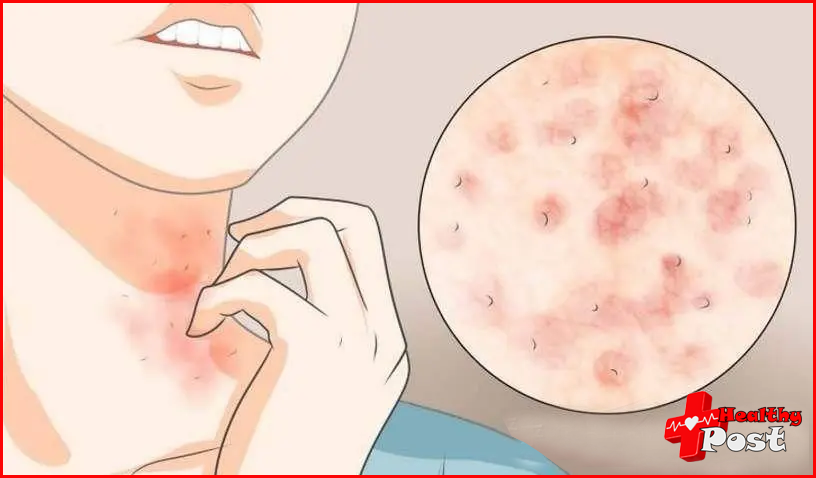
    Allergy Skin diseases
    Allergy Skin diseases

    People with sensitive skin often have allergic reactions to some items in life, such as mild contact allergic dermatitis caused by sunlight, dermatitis or hand eczema caused by detergents, gasoline, alcohol, paint, drug rash caused by drugs, urticaria caused by food and drugs, etc.

    3. External infection

    Except for pathogens such as folliculitis, erysipelas, and furunculosis that can exist on the skin itself, most other pathogens are contagious, so they are also called infectious bacteria. Tinea pedis and onychomycosis are both fungal infections; leprosy is caused by leprosy bacteria; flat warts, common warts, and genital warts are caused by human papillomavirus (HPV); syphilis is caused by spirochetes; blisters and shingles are caused by varicella-zoster virus.

    Different germs have different transmission routes. Infectious diseases cause by sexual contact (mainly sexual intercourse) are also call sexually transmitted diseases. Including syphilis, gonorrhea, non-gonococcal urethritis, genital warts, AIDS, inguinal lymphogranuloma, etc.

    4. Decreased immune function

    Generally speaking, immunity is a physiological protective function of the body. Which is the process of identifying, clearing or eliminating pathogens and non-pathogenic bacteria. It can be divided into three aspects. The defense function is a response of the body to invading microorganisms. Which can resist the invasion of microorganisms and maintain the stability of body functions. If this function is over-enhance, it will cause autoimmune diseases. Such as systemic lupus erythematosus, dermatomyositis, scleroderma, vasculitis, bullous disease, etc. There is also an immune monitoring function, which can monitor the mutated cells in the body for identification and treatment. When this function is defective, it may cause skin cancer.

    Editorial Notice & Disclaimer: All material published on this platform is curated strictly for general educational and healthcare informational purposes. Content should not be interpreted as professional medical advice, official diagnosis, or a definitive treatment protocol. We strongly advise consulting a licensed physician or qualified healthcare provider regarding any specific medical concerns or health choices.
    Share. Facebook Twitter Pinterest LinkedIn Tumblr Email
    Previous ArticleLet’s know some oily hair care tips
    Next Article How to choose antibiotics for 4 types of “super-resistant bacteria”? The latest guidelines are here!

    Related Posts

    Skin

    Lip Filler Aftercare: 8 Essential Tips for Safe Healing

    October 30, 2026
    Skin

    Moxi Laser Treatment: 7 Benefits, Side Effects, and Recovery Tips

    October 20, 2026
    Skin

    How to Get Rid of Blackheads on Nose: 8 Safe and Effective Ways

    September 22, 2026
    View 1 Comment

    1 Comment

    1. Pingback: How to choose antibiotics for 4 types of "super-resistant bacteria"? The latest guidelines are here!

    Leave A Reply Cancel Reply

    You must be logged in to post a comment.

    Recent Posts
    • T1 vs T2 MRI: 5 Key Differences Explained
    • Lip Filler Aftercare: 8 Essential Tips for Safe Healing
    • Gay Sex and STI: 7 Infections, Symptoms, Testing, and Prevention
    • Moxi Laser Treatment: 7 Benefits, Side Effects, and Recovery Tips
    • Symptoms of E Coli Bacteria: 7 Key Signs to Know
    Top Posts

    Why Does My Knee Click But No Pain? 5 Harmless Causes (and 4 Red Flags)

    June 6, 20262 Views

    T1 vs T2 MRI: 5 Key Differences Explained

    November 3, 20260 Views

    Lip Filler Aftercare: 8 Essential Tips for Safe Healing

    October 30, 20260 Views
    Latest Reviews

    Our Medical Board

    Our health platform content is written, reviewed, and vetted by a dedicated board of licensed clinicians and specialists to guarantee clinical accuracy.

    • Dr. Rachana Bhoite
      Dr. Rachana Bhoite Nutrition Science Dr. Reddy's Labs โ†—
    • Dr. Priyanka Agarwal
      Dr. Priyanka Agarwal Dermatologist Dakai Skin Clinic โ†—
    • Dr. Himanshu Gupta
      Dr. Himanshu Gupta Orthopedics & Robotics Amicare Hospital โ†—
    • Dr. Michelle Uzor
      Dr. Michelle Uzor OB-GYN Southern Crescent โ†—
    • Dr. Kamlesh Verma
      Dr. Kamlesh Verma Surgical Oncology Max Hospital โ†—
    • Dra. Ana Escobar
      Dra. Ana Escobar Pediatrician FMUSP / Official โ†—
    • Dr. Mary Jacob
      Dr. Mary Jacob Registered Pharmacist Goulburn Valley Health โ†—
    • Dr. Mohanned Alghamdi
      Dr. Mohanned Alghamdi Esthetic & Restorative UniDents Clinic โ†—
    • Dr. Neha Sood
      Dr. Neha Sood Otolaryngologist (ENT) BLK-Max / Sir Ganga Ram โ†—
    • Dr. Sarita Rao
      Dr. Sarita Rao Interventional Cardiology Apollo Hospitals โ†—
    • Dr. Martha Isabel Junio Parroco
      Dr. Martha Parroco Gynecologic Oncology Clinical Research
    • Dr. Chiara Del Prete
      Dr. Chiara Del Prete Urology & Oncology AST Pesaro Urbino โ†—
    • Harpreet Kaur
      Harpreet Kaur Physiotherapist Anatomie โ†—
    • Dr. Mohammad Kamruzzaman
      Dr. Mohammad Kamruzzaman Plastic & Reconstructive Dhaka Medical / Ibn Sina โ†—
    healthypost medical board invitation
    Three doctors discussing medical information โ€“ join the HealthyPost Medical Review Board.
    Join our Medical Review Board.
    Contact: [email protected]
    Facebook X (Twitter) Instagram Pinterest
    • About Us
    • Contact Us
    • Disclaimer
    • Our Medical Review Board & Expert Contributors
    • Terms and Conditions
    • Write for Us
    • Privacy Policy
    © 2026 Healthy Post. All Rights Reserved.

    Type above and press Enter to search. Press Esc to cancel.