

This article has been written by Dr. Priyanka Agarwal (Dermatologist, Dakai Skin Clinic), specializing in clinical dermatology, acne management, and cosmetic ingredient safety analysis.
Medical Disclaimer: The information provided on Healthy Post regarding fungal acne, skincare ingredient checkers, and product safety is for educational and informational purposes only and does not constitute formal medical or dermatological advice. Fungal acne (malassezia folliculitis) can easily be mistaken for traditional acne and often requires a professional clinical diagnosis and tailored treatment plan. Always consult a qualified dermatologist or healthcare provider before altering your skincare regimen for persistent skin conditions.

Dr. Priyanka Agarwal
Dermatologist | Dakai Skin Clinic
Dr. Priyanka Agarwal is an experienced Dermatologist dedicated to providing advanced medical and aesthetic skin care solutions. Practicing at Dakai Skin Clinic, Dr. Agarwal combines evidence-based dermatological care with a patient-centered approach, ensuring optimal skin health, advanced clinical treatments, and the highest standards of safety and diagnostic precision.
If you struggle with tiny, itchy bumps that never seem to heal, you are not alone. Many people fight “fungal acne” for years without answers. A fungal acne ingredient checker can change that experience and finally bring clarity to your skincare shelf. 🧴
When you know exactly which ingredients help or hurt your skin, every product choice feels safer. Instead of guessing, you can scan a label in seconds and feel more in control. That is where this simple but smart tool becomes your daily skincare ally.
Below, you will find seven proven reasons why an ingredient checker matters so much. Each section is practical, easy to follow, and designed to reduce stress, not add to it.
1. It Translates Confusing Labels Into Clear Answers
Reading skincare labels can feel like reading another language. Long chemical names. Plant extracts. Oils from sources you have never heard of. It quickly becomes overwhelming.
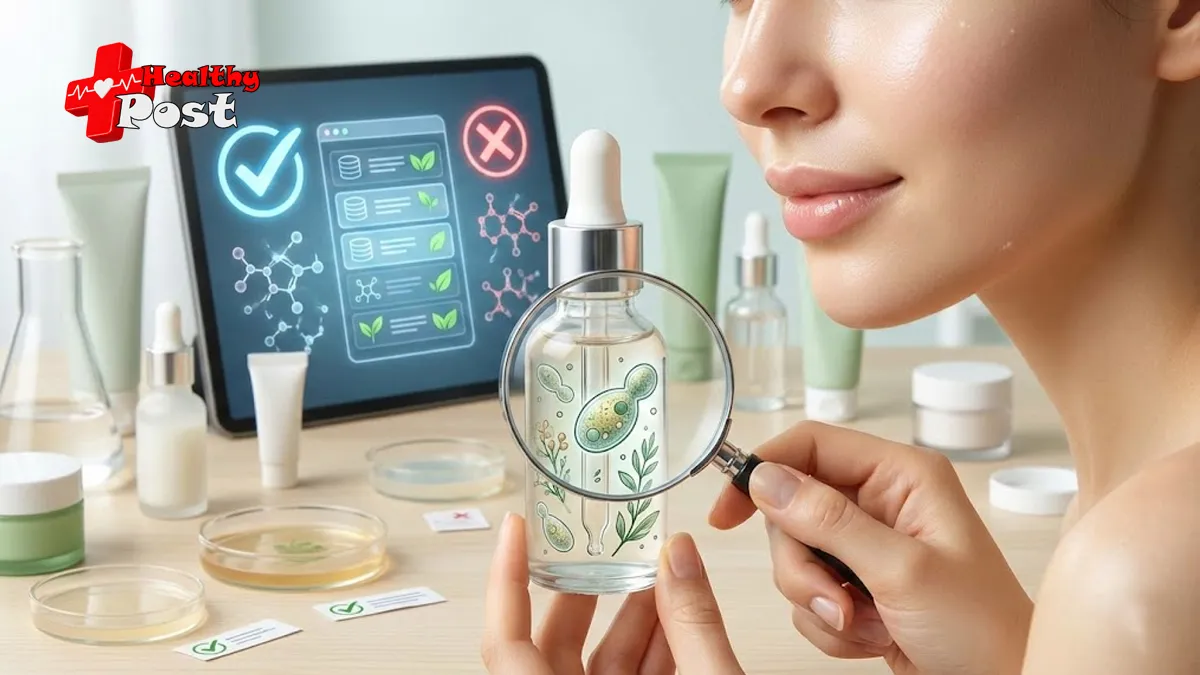
A fungal acne ingredient checker works like a translator. You enter a list of ingredients, paste a product label, or search a formula. The tool then identifies which components may feed Malassezia folliculitis (often called fungal acne) and which are generally considered safe.
Instead of trying to memorize complex lists, you can:
- Quickly see red-flag ingredients
- Understand why some products cause flares
- Feel more confident with every new purchase
Example:
You find a “lightweight” moisturizer that feels perfect in the store. At home, you paste the ingredient list into a fungal acne ingredient checker. It highlights several esters and oils linked with breakouts. You decide not to risk it and avoid another painful flare.
2. It Helps You Avoid Hidden Triggers That Look Harmless
Not all problematic ingredients are obvious. Some look gentle or even soothing on the surface. Yet they may still worsen fungal acne.
Certain fatty acids, esters, and oils can feed Malassezia yeast. They often appear under long or unfamiliar names. That makes it hard to check for fungal acne ingredients by memory alone.
A targeted checker can flag ingredients like:
- Specific esters (for example, some isopropyl or isostearyl esters)
- Certain plant oils rich in particular fatty acids
- Some polysorbates and surfactants
You do not need to become a chemist. You simply need a tool that can check fungal acne ingredients with up-to-date ingredient data.
Example:
Your cleanser looks simple and fragrance-free. However, your skin always feels bumpy a week after you use it. You run the list through a checker. It flags one seemingly harmless oil that is known to aggravate fungal acne in many people. Mystery solved.
3. It Allows You To Build Safe Routines Step By Step
Healing fungal acne often requires more than one product change. You may need to adjust your cleanser, moisturizer, sunscreen, and even makeup. That can feel like a lot.
Using a fungal acne ingredient checker lets you rebuild your routine slowly and calmly.
You can:
- Start with the basics: cleanser and moisturizer
- Then evaluate sunscreen and treatment products
- Finally, review makeup, primers, and body care
Here is a simple way to prioritize your checks:
| Product Type | Why It Matters | How To Use a Checker |
|---|---|---|
| Cleanser | Touches skin daily and can leave residue. | Paste full ingredient list and confirm “safe” surfactants. |
| Moisturizer | Often contains oils and emollients. | Check for fungal acne ingredient triggers like heavy esters. |
| Sunscreen | Worn for many hours on the face. | Scan for problematic oils and fatty alcohols. |
| Makeup | Layers on top of skincare products. | Check fungal acne ingredients in primers and foundations. |
| Body Products | Back and chest can also break out. | Review body wash, lotions, and fake tan formulas. |
By working in stages, you avoid feeling overwhelmed. You can track which swaps help most and celebrate clear-skin wins along the way. ✨
4. It Reduces Trial-And-Error And Protects Your Wallet
Many people with fungal acne share a similar story. They spend money on product after product. Each one promises clearer skin. Many disappoint or even make things worse.
This constant experimenting drains both hope and savings.
A fungal acne ingredient checker helps reduce this costly trial-and-error cycle. Before you buy, you can:
- Check for fungal acne ingredients that may trigger your flares
- Compare two products and choose the safer option
- Focus your budget on formulas that align with your skin needs
Example:
You are choosing between two moisturizers in your online cart. Both sound gentle. You copy each ingredient list into the checker. One gets several warnings for fungal-acne-prone skin. The other appears mostly safe. You choose the second and avoid a likely setback.
Over time, this approach can save you from a drawer full of unused products. It also supports more sustainable, mindful skincare.
5. It Supports Evidence-Based, Not Trend-Based, Skincare
The skincare world moves quickly. New trends appear almost weekly. Many focus on “glow,” “glass skin,” or “slugging.” Few consider fungal acne specifically.
People with this condition need more than trends. They need guidance based on research and clinical experience.
A quality ingredient checker is often built using evidence from dermatology and microbiology. When you use it, you align your choices with more informed guidelines, not just marketing.
For a deeper medical overview, you can also explore trusted sources like DermNet NZ or the American Academy of Dermatology. These resources discuss fungal acne, related conditions, and treatment options.
Together, these tools support more evidence-based skincare decisions.
You can still enjoy skincare trends. You simply check fungal acne ingredient details first, then decide if a trend fits your skin.
6. It Helps You Communicate Better With Dermatologists
Dermatologist support is very valuable for persistent or severe fungal acne. Still, appointments are short. It can be hard to explain every product and reaction.
Using a fungal acne ingredient checker before your visit can make appointments more effective.
You can:
- Arrive with a simple list of “likely safe” and “possibly triggering” products
- Show patterns in your routine, based on checker results
- Ask focused questions about specific ingredients or product types
This helps your dermatologist see your skin story more clearly. They can then combine your data with their clinical knowledge. That supports more tailored treatment plans.
If your doctor mentions terms like “yeast folliculitis” or “Malassezia overgrowth,” your checker results will already feel familiar. You will understand the ingredient side of the conversation.
You might even ask whether your doctor recommends any specific evidence-based skincare approach or resources. That way you align daily habits with professional guidance.
7. It Builds Confidence And Reduces Anxiety Around Skincare
Skin issues do not just affect your face. They can affect mood, sleep, self-esteem, and social life. Worrying about every product can become exhausting.
A fungal acne ingredient checker cannot replace medical care. Yet it can offer something powerful emotionally: reassurance. 💛
When you can quickly check fungal acne ingredients, you:
- Spend less time panicking over labels
- Feel more informed, not helpless
- Make choices that align with your long-term skin health
Example:
You are invited to a weekend trip and forgot your usual moisturizer. The only option is a hotel sample. Instead of skipping skincare or feeling anxious, you check for fungal acne ingredients on your phone. If it looks risky, you simply avoid it. If it seems safe, you use it with more peace of mind.
Over time, these small decisions build a sense of control. You move from constant fear of flare-ups to a more balanced, hopeful mindset.
How To Use a Fungal Acne Ingredient Checker Effectively
To get the most from this tool, a few simple habits help.
- Always copy the full ingredient list, not just the first few lines
- Check new products before they touch your skin
- Re-check formulas when brands announce “new and improved” versions
- Keep notes on how your skin responds over time
If a product passes the checker but still irritates your skin, trust your experience. Skin is individual. Use the tool as guidance, not a strict rulebook.
If a product fails the checker but you have used it for months without problems, you can discuss this with a dermatologist. They may explain why your skin tolerates it or suggest alternatives.
Common Ingredients People Ask About
Many people feel unsure about specific skincare ingredients. Here are general patterns that often come up in fungal-acne-focused routines. Remember, your own skin may respond differently.
Often questioned ingredients:
- Certain fatty acids and esters
- Rich plant oils, especially in heavy creams
- Some emollients used in makeup and primers
Often better tolerated options:
- Many gel-based moisturizers
- Lightweight humectants like glycerin and hyaluronic acid
- Simple, fragrance-free cleansers
A fungal acne ingredient checker can help clarify these grey areas. It supports you while you explore which formulas your skin actually enjoys.
FAQs About Using a Fungal Acne Ingredient Checker
1. Is a fungal acne ingredient checker enough to treat my skin?
No. It is a support tool, not a treatment. True fungal acne may need medical care. Topical or oral antifungal medications are sometimes prescribed. Use the checker alongside professional guidance, especially for stubborn or painful cases.
2. Can I rely on a checker instead of patch testing?
You still need patch testing. The tool helps identify likely triggers, but it cannot predict every reaction. Always test new products on a small area first. Watch your skin for several days before full use.
3. Are all oils bad for fungal acne?
Not necessarily. Some oils seem to aggravate fungal acne more than others. Others may be neutral or even soothing for some people. A good checker looks at each oil individually. It does not label every oil as harmful.
4. Will I need to avoid all my favorite products?
Not always. Some will pass the checker easily. Others may contain a few questionable ingredients, yet still work fine on your skin. The tool gives information, not strict bans. You and your dermatologist decide what trade-offs feel right.
5. Can I use makeup if I have fungal acne?
Yes, many people do. The key is careful product selection and gentle removal. Use a fungal acne ingredient checker to review foundations, primers, and setting sprays. Then double cleanse at night with suitable products to remove residue.
6. Does this replace professional advice about acne or other conditions?
No. Conditions can overlap. Bacterial acne, rosacea, and dermatitis may appear together with fungal acne. For diagnosis and treatment, consult a qualified dermatologist or healthcare professional. Use online tools only as supportive guidance.
Final Thoughts: Why This Tool Deserves a Place in Your Routine
Fungal acne can feel confusing, frustrating, and lonely. Many people spend months trying random routines without understanding what actually helps. A fungal acne ingredient checker brings structure, knowledge, and calm back into the process.
It helps you:
- Decode complex labels
- Check for fungal acne ingredients in seconds
- Cut down on painful trial and error
- Align your daily choices with more evidence-based skincare
- Feel less anxious and more empowered
Whether you use simple spreadsheets, personal notes, or tools supported by systems like Rank Math SEO optimization behind the scenes, the heart of the process is the same. You are choosing information over guesswork.
Your skin deserves patience, kindness, and informed care. 🌿
Consider choosing one product today and running its label through a trusted fungal acne ingredient checker. Notice how it feels to make that decision with clarity instead of fear. Then take the next small step, one product at a time.
Over weeks and months, these small choices can add up to something bigger: a calmer complexion, a more confident you, and a skincare routine that finally makes sense.

2 Comments
Pingback: Chilblains: 7 Powerful Ways to Prevent Them and Stay Healthy
Pingback: Micellar Water: 7 Powerful Benefits You’ll Love for Clear Skin