

You care about nourishing yourself and your loved ones with better food choices.
You try to avoid obvious junk food and cook more at home.
Yet one ingredient still slips into many “healthy” meals: refined oils.
They are in your frying pan, salad dressings, sauces, and almost every packaged snack.
Many people never stop to ask, what are refined oils, or how they affect long-term health.
The labels sound harmless: “vegetable oil,” “canola oil,” “corn oil.”
They feel light, neutral, and convenient.
But behind that clear, golden liquid is a heavy industrial process.
That process can strip away nutrients and create compounds your body struggles to handle.
In this article, you will discover seven shocking facts about these oils.
You will also learn simple, realistic changes you can make, without feeling overwhelmed.
The goal is not guilt, but awareness and gentle progress. 💚
Let’s start by understanding what these oils actually are.
What Are Refined Oils, Exactly?
Refined oils are fats extracted from seeds or grains using industrial methods.
Manufacturers often use high heat, chemical solvents, bleaching, and deodorizing.
Common examples include:
- Soybean oil
- Canola (rapeseed) oil
- Corn oil
- Sunflower oil
- Cottonseed oil
- Generic “vegetable oil” blends
These oils are refined to improve shelf life, remove odors, and create a neutral taste.
The result is convenient for food companies, but not always kind to your body.
To go deeper into what are refined oils and their production, see this guide from Healthline:
what are refined oils.
Now, let’s walk through seven facts that might surprise you.
Fact 1: Many Refined Oils Start From Low-Quality Seeds 🌾
The story begins before the bottle even reaches the factory.
Large-scale oil production often uses:
- Old or damaged seeds
- Seeds stored in bulk for long periods
- Crops exposed to heat, moisture, or pests
These conditions can cause the seeds to oxidize or grow mold.
Oxidation means the fats are already breaking down before you even cook with them.
Why this matters for you:
- Oxidized fats can form irritating compounds in the body.
- Some molds produce toxins that may survive parts of processing.
Real life example:
Imagine a warehouse full of soybeans stored for months in hot conditions.
Those beans may later become the “healthy” oil used in your salad dressing.
Fresh, high-quality seeds pressed gently can produce a very different oil.
But the cheapest option is rarely that careful.
Fact 2: Harsh Chemical Solvents Are Common in Oil Extraction 🧪
To squeeze oil from tiny seeds, companies rarely use simple pressing.
They often use chemical solvents, especially a petroleum-based solvent called hexane.
Here is a typical industrial process in simple terms:
- Seeds are crushed and heated.
- Hexane is used to pull the oil out of the seed material.
- The mixture is heated again to remove most of the solvent.
Most regulatory agencies state that solvent residues are very low in the final product.
Even so, this process shows how far these oils are from their natural form.
This heavy processing raises valid questions, such as:
- Are refined oils bad when used daily, over many years?
- What happens when they are heated again in your kitchen?
The concern is not one single drop of oil.
The concern is long-term, daily exposure from many foods.
Fact 3: High-Heat Refining Creates Unstable and Harmful Compounds 🔥
Refining does not stop with solvent extraction.
The oil is then heated to very high temperatures.
Typical steps include:
- Degumming
- Neutralizing
- Bleaching
- Deodorizing
These steps can expose oils to temperatures well above common cooking levels.
At high heat, delicate fats easily oxidize and break apart.
Problem compounds can form, including:
- Trans fats (in small but meaningful amounts)
- Aldehydes, which can damage cells
- Polymers that stress the liver
Research has linked high intake of unstable fats to increased oxidative stress.
Oxidative stress plays a role in heart disease, diabetes, and other chronic conditions.
For a balanced discussion on are refined oils bad and how fats affect health, see Harvard’s overview:
are refined oils bad.
When you then use these already heated oils for frying, damage increases further.
You may inhale breakdown products as fumes and consume them in your food.
Fact 4: Refining Strips Away Natural Nutrients and Antioxidants 🥀
Seeds and nuts in their whole form contain helpful nutrients, such as:
- Vitamin E
- Plant antioxidants (polyphenols)
- Phytosterols
- Trace minerals
These compounds help protect the fats from oxidation.
They also support your cells and immune system.
During refining, much of this natural protection disappears.
The result is a “naked” fat, more prone to damage.
Unrefined, cold-pressed oils often retain more of these protective substances.
Let’s compare them.
| Type of Oil | Processing | Nutrient Content | Flavor | Best Uses |
|---|---|---|---|---|
| Unrefined, cold-pressed olive oil | Minimal heat, no solvents | High in antioxidants and vitamin E | Fruity, peppery | Dressings, low to medium heat cooking |
| Unrefined coconut oil | Gentle pressing | Some antioxidants, natural aroma | Coconut flavor | Baking, sautéing |
| Standard vegetable oil blend | High-heat refining, solvents | Very low antioxidants | Neutral | Deep frying, processed foods |
| Refined canola oil | Refined, bleached, deodorized | Reduced natural nutrients | Neutral | Packaged foods, restaurant frying |
You can see why whole foods and gently processed oils are usually recommended.
Your body recognizes them more easily and gains real nutritional value.
Fact 5: Many Refined Oils Skew Your Omega-6 to Omega-3 Balance ⚖️
Your body needs both omega-6 and omega-3 fats.
The problem is not omega-6 itself.
The problem is excess.
Traditional diets had a much closer omega-6 to omega-3 ratio.
Modern diets can reach 10:1, 20:1, or even higher.
Why?
Because refined seed oils show up almost everywhere:
- Restaurant fryers
- Chips and crackers
- Sauces and dressings
- Fast food and frozen meals
A high intake of omega-6, with low omega-3, may:
- Promote a pro-inflammatory state
- Influence blood clotting and vessel health
- Affect skin conditions in some people
Chronic, low-grade inflammation is linked to many modern illnesses.
Helping your body move toward balance can be very supportive.
Gentle, realistic steps include:
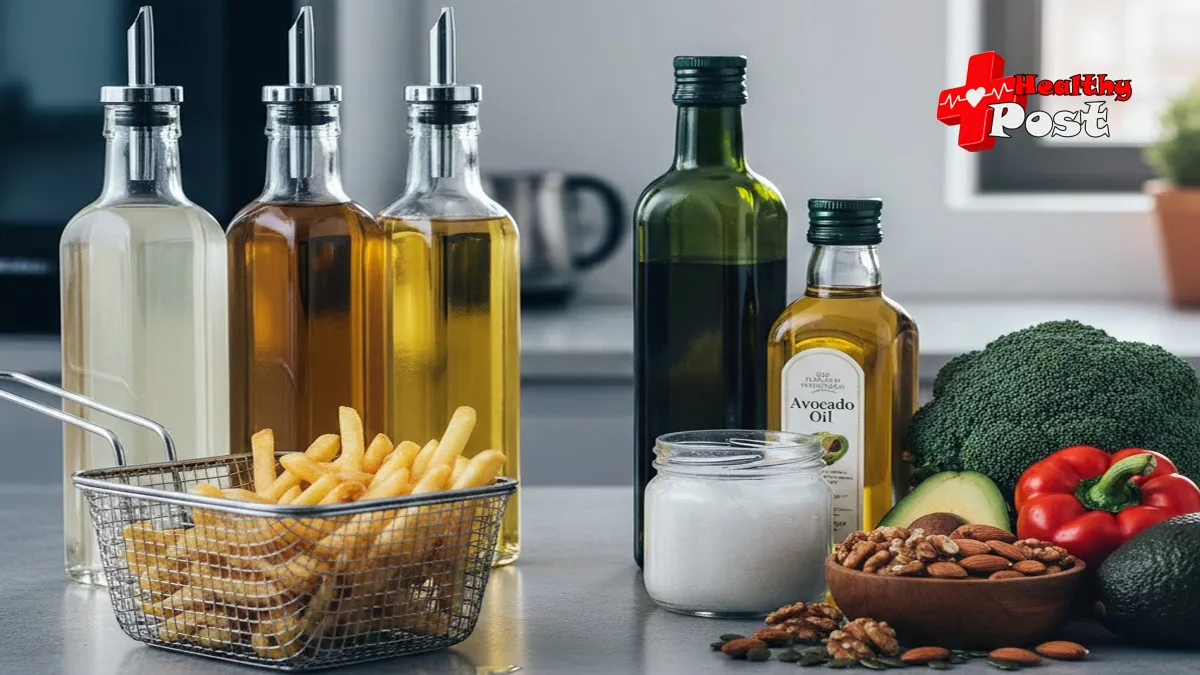
- Using more olive oil and avocado oil at home
- Eating fatty fish like salmon or sardines regularly
- Adding ground flaxseed or chia seeds to meals
These choices support better fat balance without extreme diets.
Fact 6: Refined Oils Hide in Everyday Packaged Foods 🛒
You may use butter or olive oil in your own kitchen.
Yet most people still consume large amounts of processed seed oils.
They are common in:
- Potato chips and tortilla chips
- Crackers and cookies
- Store-bought granola and cereal bars
- Mayonnaise and salad dressings
- Coffee creamers and flavored “whiteners”
- Frozen meals and instant noodles
- Many plant-based meat substitutes
If you read labels, you will often see a familiar refined oils list:
- Soybean oil
- Canola oil
- Corn oil
- Sunflower oil
- Cottonseed oil
- Safflower oil
For an example of a more technical refined oils list and how manufacturers use these fats, see Medical News Today:
refined oils list.
Real life example:
A “healthy” granola bar with oats, nuts, and dried fruit may also contain soybean or canola oil.
You might eat several bars per week without realizing the added oils.
Mindful label reading can reveal many hidden sources.
This awareness alone can dramatically reduce intake over time.
Fact 7: Your Body Often Sends Warning Signals 🚨
Everyone responds differently to foods.
Still, some people notice changes when they eat many refined seed oils.
Common experiences people report include:
- Energy crashes after heavy, fried meals
- Bloating or digestive discomfort
- Skin issues like breakouts or dullness
- Feeling sluggish or “puffy”
These signs are not proof of one single cause.
But they can be gentle nudges from your body.
Many people notice positive shifts when they reduce ultra-processed fats, such as:
- More stable energy levels
- Easier weight management, with other healthy habits
- Improved digestion and less heaviness after meals
If you suspect oils affect you, try a simple experiment.
For two to four weeks, choose mostly home-cooked meals with less frying.
Use more whole, minimally processed fats instead.
Then, notice how you feel.
Your own body is often your best guide.
How to Choose Better Fats Without Feeling Overwhelmed 🥑
You do not need a perfect diet.
Small, steady changes matter.
Here are practical steps to improve your cooking fats:
- Shift Your Main Cooking Oil
- Use extra virgin olive oil for most low to medium heat cooking.
- Use avocado oil for higher-heat sautéing or roasting.
- Reserve refined oils, if used, only for occasional deep frying.
- Bring Back Traditional Fats (When Appropriate)
- Read Ingredient Lists Carefully
- Scan for soybean, canola, corn, cottonseed, sunflower, or generic “vegetable oil.”
- Choose products made with olive oil, avocado oil, or no added oils when possible.
- Eat the Whole Food, Not Just the Oil
- Enjoy nuts and seeds in their natural form.
- Eat whole olives instead of only olive oil.
- Include oily fish instead of only fish oil supplements.
- Make Simple Swaps at Home
- Homemade salad dressing: olive oil, lemon, herbs, and mustard. 🥗
- Roast vegetables with olive or avocado oil instead of vegetable oil.
- Bake with butter, ghee, or coconut oil instead of shortening.
Over time, these changes can significantly reduce your intake of refined oils.
You do not need to change everything at once.
Choose one or two areas and build from there.
FAQs About Refined Oils and Your Health
1. Are refined oils bad for everyone?
They are not a poison in small amounts.
The main concern is regular, high intake over many years.
Highly processed seed oils add to inflammation and oxidative stress.
Most health experts encourage limiting ultra-processed foods in general.
Focusing on whole foods and minimally processed fats supports long-term health.
2. Is it ever okay to use refined oils?
Yes, occasional use will not ruin your health.
You might use them when eating out or on special occasions.
The key is what you do most of the time.
At home, choose more stable, less processed oils and fats whenever possible.
3. Which refined oils should I avoid first?
Start with the most common ones in packaged foods and fryers:
- Soybean oil
- Corn oil
- Cottonseed oil
- Generic “vegetable oil” blends
Reducing fried fast food and packaged snacks makes the biggest difference quickly.
4. What are healthier alternatives to refined oils?
Better everyday choices include:
- Extra virgin olive oil
- Avocado oil
- Extra virgin coconut oil
- Real butter or ghee, if tolerated
For most people, extra virgin olive oil is an excellent main cooking fat.
It has strong research backing for heart and metabolic health.
5. Will switching away from refined oils help with weight loss?
No single change guarantees weight loss.
However, reducing ultra-processed foods can help.
These foods often combine refined oils, refined carbs, and excess salt.
That combination encourages overeating.
Choosing simpler, whole-food meals can improve satiety.
You may naturally eat fewer calories without strict dieting.
6. How fast will I notice benefits after cutting back?
Some people feel lighter and less bloated within a week or two.
Others notice gradual changes in energy, craving patterns, or skin over several months.
Long-term benefits, like heart health, build slowly.
Think of this as an investment, not a quick fix.
Conclusion: Take Back Control From Refined Oils, One Meal at a Time 🌱
You now know that refined oils are not as simple as they look.
They are heavily processed, nutrient-poor, and often unstable under heat.
They can:
- Start from low-quality, oxidized seeds
- Undergo solvent extraction and high-heat refining
- Lose natural antioxidants and vitamins
- Skew your fat balance toward inflammation
- Hide in many everyday packaged foods
The question is no longer only, are refined oils bad.
The more helpful question is, how can you gently reduce them and support your body better.
You do not need perfection to benefit.
Small, consistent steps truly matter:
- Cook more at home with unrefined or gently refined fats.
- Read labels and limit products with a long refined oils list.
- Enjoy more whole foods and fewer ultra-processed snacks.
With each choice, you give your body less stress and more support.
That is a gift your future self will deeply appreciate. 💚
If you run a health blog or website, consider linking this article to your guides on:
- Healthy cooking oils
- Heart-friendly diets
- Anti-inflammatory eating
Together, these resources can help readers make informed, confident decisions about the fats on their plates.