


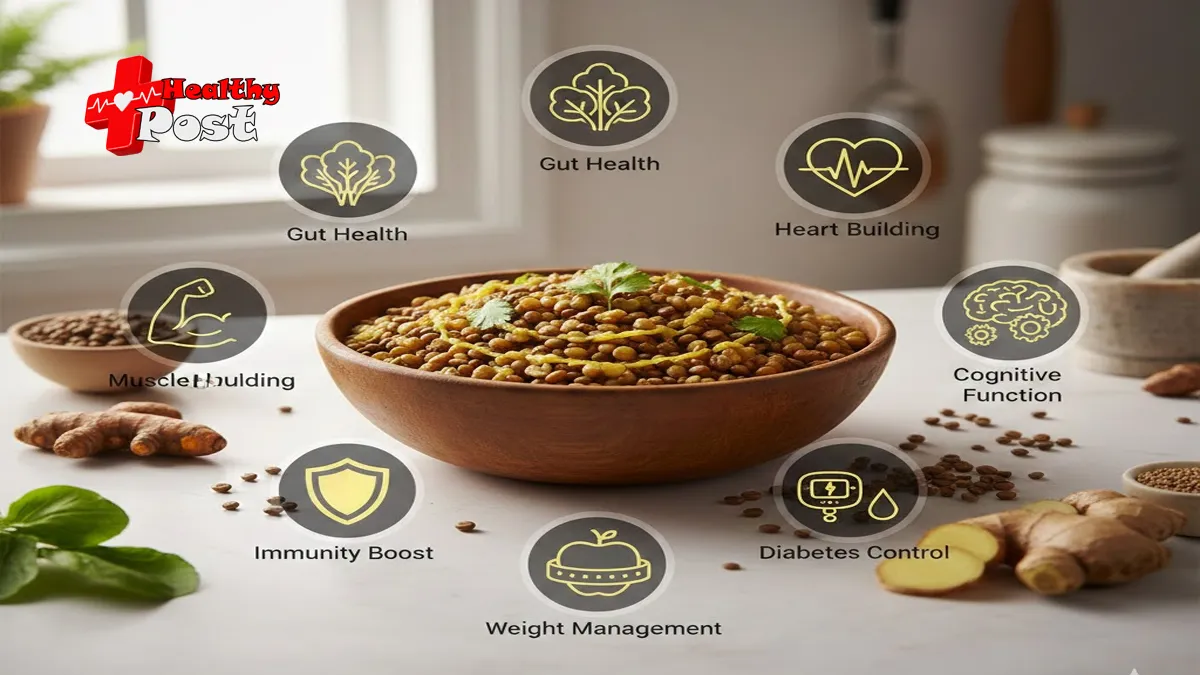
Many traditional Indian kitchens quietly rely on kulthi dal. This small brown lentil, also called horse gram, has been used for centuries in soups, curries, and home remedies. Yet most people still overlook it when planning a healthy diet.
If you are trying to improve digestion, manage weight, or support heart and kidney health, understanding key kulthi dal benefits can be very helpful. This rustic legume is rich in protein, fiber, and unique plant compounds that support whole-body wellness.
In this article, you will learn what makes horse gram special, how it supports different body systems, and simple ways to enjoy it every week.
What Is Kulthi Dal?
Kulthi dal comes from the legume Macrotyloma uniflorum, commonly known as horse gram. It is widely consumed in parts of India, Nepal, and Southeast Asia.
These lentils are:
- Small and oval, usually brown or reddish-brown
- Packed with protein and dietary fiber
- Naturally low in fat
- Often used in traditional Ayurvedic and folk remedies
Because it grows well in tough conditions, horse gram has a reputation as a hardy, “survivor” crop. That resilience is reflected in its dense nutrient profile, which can be a great support for a modern, fast-paced lifestyle.
Key Nutrients in Kulthi Dal 🥣
Before exploring specific kulthi dal benefits, it helps to see what is inside it. The values below are approximate and can vary with variety and preparation.
| Nutrient (per 100 g dry) | Approximate Amount | Why It Matters |
|---|---|---|
| Energy | 320–340 kcal | Provides steady fuel for daily activities |
| Protein | 22–24 g | Builds and repairs muscles and tissues |
| Carbohydrates | 55–60 g | Primary source of energy |
| Dietary Fiber | 10–15 g | Supports digestion and blood sugar control |
| Fat | 1–2 g | Very low fat, heart friendly |
| Calcium | 250–280 mg | Important for healthy bones and teeth |
| Iron | 6–8 mg | Helps prevent iron deficiency anemia |
| Potassium | ~400 mg | Supports blood pressure balance |
| Polyphenols and antioxidants | Present | Help protect cells from oxidative stress |
Detailed analyses of horse gram’s nutrient and phytochemical profile are described in the open access article Horse gram: An underutilized wonder legume from the National Institutes of Health website.
1. Supports Healthy Weight Management ⚖️
Many people struggle with frequent hunger and cravings while trying to lose weight. This is where horse gram can help.
Kulthi dal is rich in protein and fiber, two nutrients that keep you feeling full for longer. They slow stomach emptying and reduce the urge to snack soon after a meal.
How it helps with weight goals:
- High fiber boosts fullness and reduces overeating
- Protein helps preserve lean muscle while losing fat
- Low fat content makes it suitable for calorie-conscious diets
- Slow-digesting carbohydrates support steady energy
Simple example:
Have a warm bowl of kulthi dal soup for lunch with mixed vegetables. Many people notice less evening snacking because they feel satisfied longer.
For best results, combine this dal with:
- Plenty of vegetables
- Whole grains like brown rice or millet
- Regular physical activity
2. May Help in Kidney Stone Management 💧
Traditional Indian systems of medicine often recommend horse gram water or soup for certain kidney issues. Some early research suggests that extracts from this legume may help reduce the formation of certain types of kidney stones, especially calcium oxalate stones.
Potential ways it supports kidney health:
- Acts as a mild diuretic, increasing urine output
- May help flush out small stone particles
- Provides antioxidants that can reduce inflammation
Important note:
Kulthi dal is not a cure for kidney stones. It can be a supportive food, but anyone with kidney disease or stones must follow medical advice.
A realistic use case:
Someone with a history of small kidney stones may add a thin kulthi dal soup twice a week, while still following the recommendations of their urologist and dietitian.
If you want to explore scientific discussions on kidney health and plant-based diets, the World Health Organization healthy diet guidelines offer a broader context.
3. Supports Heart Health and Cholesterol Balance ❤️
Heart health depends strongly on what we eat every day. Replacing heavy, fried, or processed foods with fiber-rich legumes can make a meaningful difference.
Several studies on legumes, including horse gram, suggest benefits for cholesterol and blood lipid profiles.
Heart supportive aspects include:
- High soluble fiber, which can help reduce LDL (“bad”) cholesterol
- Low saturated fat content
- Presence of antioxidants that may protect blood vessels
- Potassium that supports healthy blood pressure levels
Practical example:
Replace a meat-heavy dinner twice a week with kulthi dal, brown rice, and sautéed greens. Over time, this lighter, plant-based meal pattern can contribute to better heart health, especially when combined with exercise and reduced salt intake.
For more detailed background on nutrient-dense, heart friendly foods, the U.S. Department of Agriculture FoodData Central provides reliable nutrient information.
4. Helps Stabilize Blood Sugar Levels 🩸
Rapid spikes and crashes in blood sugar can leave you tired, irritable, and hungrier. Foods that digest slowly tend to support more stable energy.
Kulthi dal has a low glycemic index and is rich in both fiber and protein. This means glucose from the meal enters your bloodstream more gradually.
How this can support better sugar balance:
- Slows digestion and absorption of carbohydrates
- Reduces post-meal sugar spikes
- Can help improve satiety between meals
This makes it a promising option for:
- People at risk of type 2 diabetes
- Individuals with insulin resistance
- Anyone trying to avoid sugar highs and lows
Important:
If you have diabetes or prediabetes, always discuss any significant diet changes with your healthcare provider or dietitian.
A simple idea:
Have kulthi dal with plenty of non-starchy vegetables and a small portion of whole grain roti. This balanced plate can support more stable post-meal readings than a refined flour–based meal.
5. Boosts Digestive Health and Regularity 🌱
Many modern diets lack enough fiber. That can lead to constipation, bloating, and a sluggish gut. Including fiber-rich legumes is a gentle, sustainable way to support bowel regularity.
Key digestive benefits of horse gram:
- High dietary fiber adds bulk to stool
- Helps stool pass more easily through the intestines
- Supports a healthy gut microbiome by feeding beneficial bacteria
When your digestion works smoothly, you often feel lighter and more energetic. Regular bowel movements also help the body eliminate waste products more efficiently.
Practical tips to improve tolerance:
- Start with small portions if you are not used to lentils
- Soak the dal for several hours and discard the soaking water
- Cook thoroughly with digestive spices like cumin, asafoetida, ginger, or ajwain
These simple steps can reduce gas and bloating for many people.
6. Strengthens Bones and Supports Anemia Prevention 🦴
Kulthi dal offers meaningful amounts of minerals such as calcium and iron. These are crucial for bone strength and healthy blood.
Bone and blood related benefits:
- Calcium supports strong bones and teeth
- Phosphorus works with calcium in bone health
- Iron helps form hemoglobin, which carries oxygen in blood
- Plant-based iron is useful for people who eat little or no meat
Women of reproductive age, growing children, and older adults especially need adequate iron and calcium. Horse gram can be a helpful addition, along with other iron- and calcium-rich foods.
To improve iron absorption from this lentil:
- Combine it with vitamin C rich foods like lemon, amla, or tomatoes
- Avoid excessive tea or coffee right with meals, as they can reduce absorption
Example:
A bowl of kulthi dal cooked with tomatoes, coriander leaves, and served with a squeeze of lemon can support both bone and blood health over time.
7. Packed With Antioxidants for Overall Wellness ✨
Beyond basic nutrients, horse gram contains many plant compounds such as polyphenols, flavonoids, and tannins. These act as antioxidants in the body.
Antioxidants help:
- Neutralize excess free radicals
- Reduce oxidative stress
- Support long term health of cells and tissues
Lower oxidative stress is linked with:
- Better aging of skin and organs
- Reduced risk of chronic lifestyle diseases
- Stronger resilience against everyday stressors
Studies highlighted in Horse gram: An underutilized wonder legume discuss these antioxidant components in more detail, reinforcing the traditional respect given to this lentil.
In daily life, this means adding kulthi dal regularly can complement other colorful plant foods, helping you build a more protective, nourishing diet.
How to Include Kulthi Dal in Your Daily Diet 🍽️
Understanding kulthi dal benefits is important, but putting them into practice is what truly helps. The flavor of horse gram is earthy and slightly robust, which works well in comforting, savory dishes.
Easy ways to use it:
- Traditional dal
- Pressure cook soaked dal with tomatoes, onions, garlic, and spices.
- Finish with a light tempering of cumin and mustard seeds.
- Soup or rasam
- Use the cooking water as a base for a thin, peppery rasam.
- Add curry leaves, garlic, and black pepper for a soothing, warming drink.
- Sprouted salad
- Soak overnight, then drain and sprout for a day or two.
- Toss with onions, tomatoes, lemon, and herbs for a crunchy salad.
- Mixed lentil dosa or chilla
- Grind soaked kulthi dal with other lentils and rice.
- Make protein-rich pancakes for breakfast or dinner.
Real life example:
Someone trying to lose weight and control cravings may start their week with a big batch of kulthi dal soup. They freeze portions and use them as a quick, filling dinner option on busy evenings.
Potential Side Effects and Precautions ⚠️
Despite its many benefits, kulthi dal may not suit everyone in large amounts. Being aware of potential concerns helps you use it safely.
Things to keep in mind:
- It may increase gas or bloating if you are not used to high fiber
- Very high intake, especially without variety, may not suit people with certain kidney conditions
- People with existing kidney disease should discuss portion sizes with their doctor
- High oxalate content may be a concern for some stone formers, depending on stone type
Helpful guidelines:
- Start with small servings, for example, one small bowl twice a week
- Drink enough water through the day
- Rotate with other legumes such as moong, masoor, and chana
If you have chronic health conditions, always check with your healthcare provider or a registered dietitian before making big dietary changes.
Frequently Asked Questions about Kulthi Dal Benefits ❓
1. How often can I eat kulthi dal?
Most healthy people can usually enjoy it 2–3 times a week in moderate portions. Balance it with other lentils, vegetables, and whole grains for overall nutritional variety.
2. Is kulthi dal good for weight loss?
Yes, it can support weight loss efforts when used in a balanced diet. Its high fiber and protein help keep you full, which may reduce overall calorie intake. Pair it with vegetables and avoid heavy ghee or oil to keep meals lighter.
3. Can people with diabetes eat kulthi dal?
Many people with diabetes can include it, as it has a low glycemic index and supports steady blood sugar. However, portion control is important, and each person’s plan is different. Always confirm with your doctor or dietitian before making changes.
4. Does kulthi dal really help in kidney stones?
Traditional wisdom and some early studies suggest it may help in managing certain kidney stones. It can increase urine output and help flush small particles. But it is not a stand-alone treatment. People with stones must follow medical guidance and use this dal only as a supportive food if advised.
5. Can children eat kulthi dal?
Yes, children can usually have it in well-cooked, small amounts. Introduce it gradually and watch how they tolerate it. Combine with rice or roti, vegetables, and a little ghee for a balanced, child-friendly meal.
6. Is soaking necessary before cooking?
Soaking is highly recommended. It reduces cooking time, improves digestibility, and may lower some anti-nutritional factors. A soak of 6–8 hours is usually enough, followed by thorough cooking.
Conclusion: Let Kulthi Dal Support a Healthier You 🌈
Kulthi dal is a simple, affordable food that quietly offers wide-ranging support. From weight management and better digestion to heart, bone, and kidney support, its benefits touch many aspects of health.
By understanding key kulthi dal benefits, you can plan meals that nourish rather than simply fill. A bowl of this earthy lentil, paired with colorful vegetables and whole grains, can become a comforting anchor in your weekly routine.
You do not need a dramatic diet overhaul. Start small: one soup, one dal, or one sprouted salad each week. Notice how your body feels. Over time, these steady choices build a stronger foundation for long term wellness.
Listen to your body, respect any medical conditions, and work with qualified health professionals when needed. With that mindful approach, kulthi dal can become a trusted, regular ally on your path to a healthier, more energetic life. 🌿
1 Comment
Pingback: Urad Dal: 7 Proven Reasons Why It Is the Ultimate Superfood for Nutrition