


Close Menu

    Subscribe to Updates

    Get the latest creative news from FooBar about art, design and business.

    What's Hot

    Can Cavities Cause Bad Breath? Dr. Mohanned Alghamdi Explained

    August 7, 2026

    Widowmaker Heart Attack: Symptoms, Causes, and Emergency Survival Guide

    August 6, 2026

    Osseous Surgery: Procedure, Recovery, and What to Expect

    August 4, 2026
    Facebook X (Twitter) Instagram
    • About Us
    • Contact Us
    • Our Medical Review Board & Expert Contributors
    • Cancer
    • Cardiology
    • Dental
    • General Disease
    • Gyne
    • Healthy food
    • Medicine
    • Orthopedics
    • Skin
    Button
    Home » What medical tests can detect kidney disease?
    Patient Education

    What medical tests can detect kidney disease?

    AdminBy AdminDecember 29, 2024Updated:May 18, 202617 Comments3 Mins Read
    Share Facebook Twitter Pinterest LinkedIn Tumblr Reddit Telegram Email
    Medical tests
    Share
    Facebook Twitter LinkedIn Pinterest Email

    Kidney disease has gradually become one of the major diseases threatening public health worldwide, and end-stage renal disease has become an important cause of death among kidney disease patients. In this article we mentioned which medical tests can detect kidney disease.
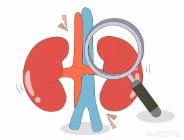
    Medical tests
    Medical tests

    In the early stages of chronic kidney disease, the onset is often hide and difficult for patients to detect. When obvious discomfort symptoms appear, it is often already in the late stage, so regular physical examinations are particularly important. Chronic kidney disease can be detect through simple routine methods, such as checking urine routine , blood creatinine , blood urea, etc.

    Early detection and prevention are the most effective ways to prevent and treat the progression of chronic kidney disease. You must have regular physical examinations to keep abreast of your kidney function to avoid being harm by kidney disease, the “invisible killer”. However, many people do not know what examinations to take. Here are some common kidney examination methods.

    1. Urinalysis
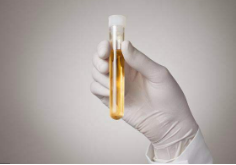
    Urine Test
    Urine Test

    Urinalysis is convenient and quick. It mainly includes the determination of urine protein, urine sugar, urine occult blood, red blood cells and white blood cells.

    If the doctor feels that a routine urine test is not sufficient to diagnose the condition, the following urine tests may be perform. For example, patients with proteinuria should undergo a 24-hour urine protein test , urine microalbumin, and urine protein series. Patients with hematuria should undergo a urine red blood cell morphology and quantity test ( urine phase contrast microscopy ) to determine the source of the hematuria.

    2. Kidney function
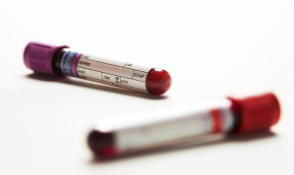
    Bloof test
    Bloof test

    Renal function tests include serum creatinine (sCr), urea nitrogen, uric acid, endogenous creatinine clearance (Ccr), and the glomerular filtration rate (GFR) is estimate by serum creatinine levels. This is a blood test that can reflect the health of the kidneys from another perspective, so it is very necessary.

    However, in actual medical practice, it is often overlook by doctors who are not nephrologists, which delays the early diagnosis and treatment of kidney disease. Because the kidneys have a strong compensatory function, patients whose urine tests show no abnormalities do not necessarily have kidney damage, so if conditions permit, it is advisable to add these medical tests as screening.

    3. Kidney B-ultrasound
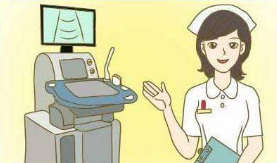
    The kidney is shaped like a broad bean, with a fixed size and structure, 10-12cm long, 5-7cm wide, and 3-5cm thick. Kidney disease B-ultrasound examination is a medical imaging instrument that mainly detects the morphology, location, and local pathological changes of organs. It can examine substantial and ectopic lesions of the kidney, such as renal tumors, renal cysts, renal abscesses, hydronephrosis, renal stones, and renal ptosis.

    When the kidneys become diseased, their size, outline, structure, etc. will change. Problems such as renal atrophy, renal failure, and stones can be detect through B-ultrasound.

    4. Other examinations

    Mainly based on the specific situation of the patient
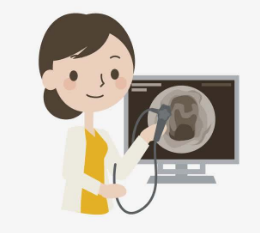
    Some selective examinations, such as renal urography , CT or MRI examinations, are mainly used for related examinations such as urinary stones, obstruction or kidney tumors.

    In addition, for chronic kidney disease caused by diabetes, hypertension, hepatitis B, systemic lupus erythematosus, etc., relevant examinations for these diseases are also needed.

    It is recommended that ordinary people have a comprehensive physical examination at least once a year. Patients with a history of kidney disease, in addition to regular check-ups, also need regular physical examinations to avoid the progression of the disease.

    Editorial Notice & Disclaimer: All material published on this platform is curated strictly for general educational and healthcare informational purposes. Content should not be interpreted as professional medical advice, official diagnosis, or a definitive treatment protocol. We strongly advise consulting a licensed physician or qualified healthcare provider regarding any specific medical concerns or health choices.

    Share. Facebook Twitter Pinterest LinkedIn Tumblr Email
    Previous ArticleKnow citanew tablet uses and benefits, side effects
    Next Article The 10 most stomach-damaging mistakes you make every day!

    Related Posts

    Patient Education

    Couples Therapy: What to Expect in Your First Session (A Clinical Guide)

    July 20, 2026
    Patient Education

    How Soon Do Doctors Receive CT Scan Results in the ER? A Medical Guide

    July 14, 2026
    Patient Education

    Are Mild Headaches a Known Side Effect of Retatrutide? A Medical Guide by Dr. Rachana Bhoite

    July 10, 2026
    View 17 Comments

    17 Comments

    1. Pingback: does ambien show up on a 12 panel drug test

    2. Pingback: Secondary Bone Cancer ICD 10: Comprehensive Coding Guide

    3. Pingback: A Complete Guide to Kidney Transplant ICD 10 Codes

    4. Pingback: Metabolic Encephalopathy ICD 10: Diagnosis, Causes, Treatment

    5. Pingback: Hypomagnesemia ICD 10: Causes, Symptoms, and Treatment

    6. Pingback: What You Need to Know About Adult Failure to Thrive ICD 10

    7. Pingback: 5 Alarming Truths About Pink Salt and Your Health Risks

    8. Pingback: Cataflam Tablet: 7 Powerful Uses & Surprising Side Effects Explained - Healthy Post

    9. Pingback: Coronary Stent Surgery – 5 Shocking Risks You Should Never Ignore

    10. Pingback: is it safe to take famotidine 40 mg twice a day? Safety, Dosage, Side Effects

    11. Pingback: Dehydration ICD 10: Symptoms, Risk Factors, and Diagnosis

    12. Pingback: Is Low Potassium a Sign of Cancer? Research and Experts says

    13. Pingback: Super Vitamina B12 5500: Benefits, Uses, and Dosage Guide

    14. Pingback: 5 types of "hypertension", don't rush to take antihypertensive drugs to avoid causing low blood pressure!

    15. Pingback: Hypertriglyceridemia ICD 10: 5 Proven Ways to Beat the Risk

    16. Pingback: Gabica: 5 Proven Tablet Uses for Effective Anxiety and Pain Control

    17. Pingback: How to Pass a 4mm Kidney Stone Fast: Timeline & Advice

    Leave A Reply Cancel Reply

    You must be logged in to post a comment.

    Recent Posts
    • Can Cavities Cause Bad Breath? Dr. Mohanned Alghamdi Explained
    • Widowmaker Heart Attack: Symptoms, Causes, and Emergency Survival Guide
    • Osseous Surgery: Procedure, Recovery, and What to Expect
    • Dental Bone Graft Code: Complete CDT Guide & Billing Breakdown
    • Caffeine Effects on Heart Rate: How Coffee Impacts Your Cardiac Health
    Top Posts

    What are the effects of smoking on the lungs?

    March 7, 2024

    What are the causes of headaches? How to prevent it in daily life?

    April 11, 2024

    Cardiovascular Disease, can do these 4 things, and blood vessels can stay young.

    April 18, 2024
    Latest Reviews
    Most Popular

    Can Cavities Cause Bad Breath? Dr. Mohanned Alghamdi Explained

    August 7, 2026

    Widowmaker Heart Attack: Symptoms, Causes, and Emergency Survival Guide

    August 6, 2026

    Osseous Surgery: Procedure, Recovery, and What to Expect

    August 4, 2026

    Dental Bone Graft Code: Complete CDT Guide & Billing Breakdown

    August 3, 2026

    Caffeine Effects on Heart Rate: How Coffee Impacts Your Cardiac Health

    July 30, 2026

    Our Medical Board

    Our health platform content is written, reviewed, and vetted by a dedicated board of licensed clinicians and specialists to guarantee clinical accuracy.

    • Dr. Rachana Bhoite
      Dr. Rachana Bhoite Nutrition Science Dr. Reddy's Labs ↗
    • Dr. Priyanka Agarwal
      Dr. Priyanka Agarwal Dermatologist Dakai Skin Clinic ↗
    • Dr. Himanshu Gupta
      Dr. Himanshu Gupta Orthopedics & Robotics Amicare Hospital ↗
    • Dr. Michelle Uzor
      Dr. Michelle Uzor OB-GYN Southern Crescent ↗
    • Dr. Kamlesh Verma
      Dr. Kamlesh Verma Surgical Oncology Max Hospital ↗
    • Dr. Mohanned Alghamdi
      Dr. Mohanned Alghamdi Esthetic & Restorative UniDents Clinic ↗
    • Dr. Neha Sood
      Dr. Neha Sood Otolaryngologist (ENT) BLK-Max / Sir Ganga Ram ↗
    • Dr. Sarita Rao
      Dr. Sarita Rao Interventional Cardiology Apollo Hospitals ↗
    Our Picks

    Can Cavities Cause Bad Breath? Dr. Mohanned Alghamdi Explained

    August 7, 2026

    Widowmaker Heart Attack: Symptoms, Causes, and Emergency Survival Guide

    August 6, 2026

    Osseous Surgery: Procedure, Recovery, and What to Expect

    August 4, 2026

    Dental Bone Graft Code: Complete CDT Guide & Billing Breakdown

    August 3, 2026

    Caffeine Effects on Heart Rate: How Coffee Impacts Your Cardiac Health

    July 30, 2026
    Facebook X (Twitter) Instagram Pinterest
    • About Us
    • Contact Us
    • Disclaimer
    • Our Medical Review Board & Expert Contributors
    • Terms and Conditions
    • Write for Us
    © 2026 Healthy Post. All Rights Reserved.

    Type above and press Enter to search. Press Esc to cancel.