


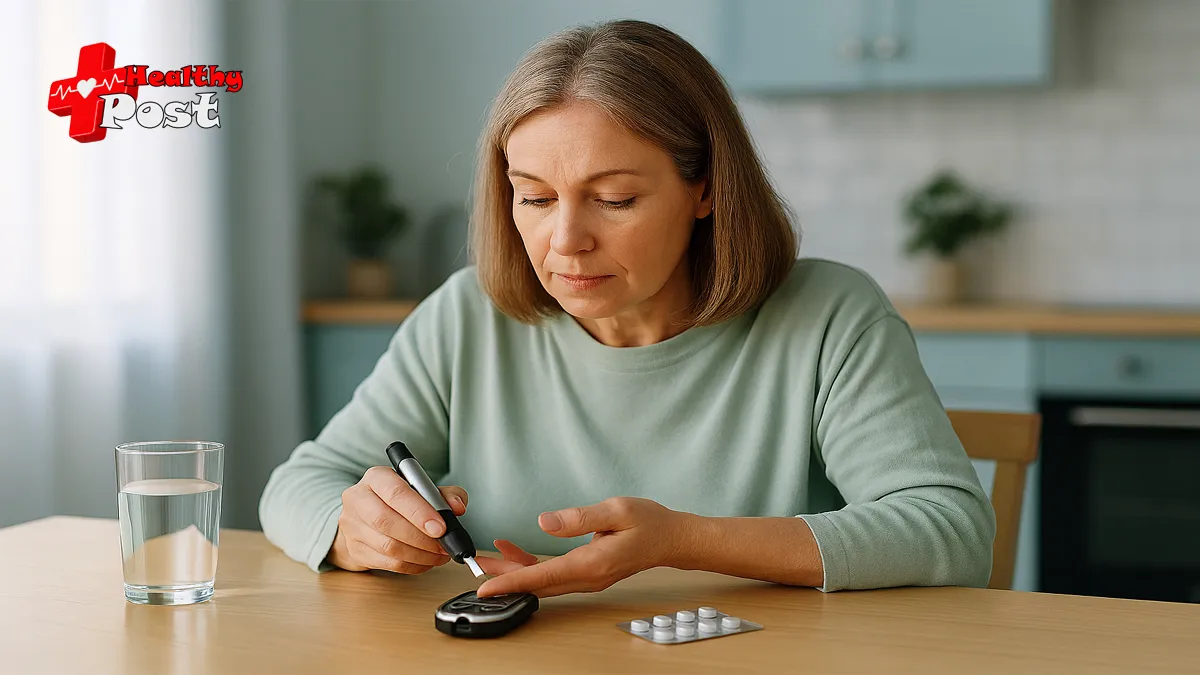
If you live with type 2 diabetes, your doctor may suggest Glipizide tablets as part of your treatment plan. 💊
The choice can feel overwhelming, especially if you already take several medicines.
This guide walks you through what this drug does, who it helps, and how to use it safely.
You will also see where glipizide tablet 5mg fits in real life treatment.
You will learn:
- How this medicine supports blood sugar control
- Common glipizide tablet uses
- Typical glipizide tablet dosage ranges
- What to watch for, and when to call your doctor
Let’s explore each benefit in a simple, step‑by‑step way, so you can feel more confident about your treatment. 🌱
1. Supports smoother blood sugar control
How it works in your body
Glipizide is a sulfonylurea medicine.
It helps your pancreas release more insulin when your blood sugar is high.
This extra insulin:
- Lowers blood glucose after meals
- Helps your body use sugar more effectively
- Reduces the “spikes” that can damage blood vessels
For many adults with type 2 diabetes, the result is steadier readings.
This can ease stress and make daily life feel more manageable.
Real‑life example
Maria, age 56, started a glipizide tablet 5mg dose once daily with breakfast.
Within a few weeks, her after‑meal readings dropped from 220 mg/dL to around 150 mg/dL.
She still needed healthy food choices and walking after dinner.
Yet the medicine gave her a more stable base to build on.
2. Offers flexible dosing, including 5mg options
One big advantage of this medicine is dose flexibility.
Your doctor can match the glipizide tablet dosage to your unique needs.
Common dose ranges
Typical total daily doses are:
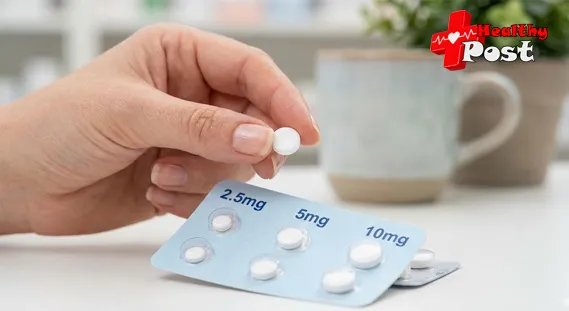
- 2.5 mg
- 5 mg
- 10 mg
- 15 mg
- 20 mg (usually as divided doses)
Doctors often start low and increase slowly.
This approach lowers the risk of low blood sugar.
Here is a simple overview.
Always remember that your own plan may differ.
| Situation | Possible Starting Dose* | Notes |
|---|---|---|
| New to glipizide | 2.5–5 mg once daily | Often taken 30 minutes before breakfast |
| Elderly or frail | 2.5 mg once daily | Very cautious increase, if needed |
| Higher blood sugars despite lifestyle | 5–10 mg daily (split or not) | Dose may be raised in small steps |
| Switching from another sulfonylurea | Varies | Doctor adjusts based on prior medicine |
*These are general examples, not medical advice.
Your prescriber decides the correct glipizide tablet dosage for you.
Why the 5mg strength is so common
The glipizide tablet 5mg strength is widely used because it allows fine‑tuning.
Your doctor can:
- Keep you at 5 mg if numbers improve
- Increase to 7.5 or 10 mg by combining tablets
- Reduce back to 2.5 mg if lows occur
This flexibility supports safer, individualized care. ⚖️
3. Can be used alone or with other diabetes medicines
Another key benefit is how easily this drug fits into combination therapy.
Common glipizide tablet uses
Doctors may use a Glipizide tablet:
- Alone, when diet and activity are not enough
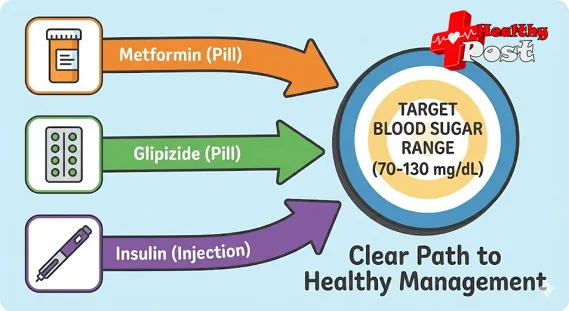
- With metformin, to balance insulin release and sensitivity
- With long‑acting insulin, to support daytime control
- With newer agents, when more help is needed
Each person’s plan is unique.
Your other health issues and kidney function also guide choices.
For many people:
- Metformin addresses insulin resistance
- Glipizide adds extra insulin release at meals
This two‑step approach can give better control than either medicine alone.
Real‑life example
James, age 62, had taken metformin for years.
His A1C remained stuck around 8.5%.
His doctor added a Glipizide tablet before breakfast.
Within three months, his A1C dropped to 7.3%, with no severe lows.
He still checked his glucose daily and kept in close contact with his clinic.
The combination simply gave his body more of the help it needed.
4. Fits into daily routines with simple timing
Many people worry they will forget another pill.
The good news is that this medicine usually has simple timing.
How to take Glipizide tablets safely
Most standard forms are taken:
- Once daily before breakfast, or
- Twice daily before meals, depending on total dose
Your doctor will explain your exact schedule.
The key points are simple:
- Take it about 30 minutes before a meal
- Swallow with water, not on an empty stomach long term
- Take it at the same time every day
Extended‑release forms may be taken with breakfast.
They can provide gentler action through the day.
Why timing matters
If you take it and then skip a meal, your blood sugar may drop too low.
So pairing the pill with food is very important.
Think of a routine like this:
- Wake up
- Check your fasting glucose
- Take your medication with some water
- Eat breakfast within 30 minutes
This rhythm helps your medicine and meals work together. ⏰
5. Helps lower the risk of diabetes complications
Staying closer to your target blood sugar can help protect your organs.
That protection is one of the most meaningful benefits of this drug.
When used correctly, Glipizide tablets can help reduce:
- Nerve damage risk (neuropathy)
- Eye damage risk (retinopathy)
- Kidney strain over time
- Blood vessel damage that leads to heart disease
This protection does not come from the pill alone.
It comes from overall control, which the pill helps you reach.
What the research suggests
Many large diabetes trials show a link.
Better blood sugar control means lower complication risks over years.
For deeper reading, you can explore guidance from the
American Diabetes Association.
Their standards summarize how glucose management supports long‑term health.
Real‑life example
Consider Ravi, age 48, newly diagnosed with type 2 diabetes.
His A1C was 9.6%.
Along with diet changes and walking, he began a glipizide tablet 5mg dose daily.
Over six months, his A1C dropped to 7%.
This improvement likely reduced his future risk of eye and kidney disease.
Routine eye exams and lab tests still remained vital. 👁️🩺
6. Widely studied and familiar to clinicians
Glipizide has been used for many years.
That long history offers both data and comfort.
Why familiarity matters
Because doctors know this medicine well, they can:
- Predict its typical effects
- Anticipate common side effects
- Adjust doses based on experience
This makes it easier to personalize care for each patient.
For example, a provider may know that a very thin older adult should start with 2.5 mg.
They may also know that someone with frequent lows on other drugs needs tiny adjustments.
Side effects your doctor watches for
Common possible effects include:
- Mild stomach upset
- Headache
- Dizziness
- Low blood sugar (hypoglycemia)
More serious issues, though less common, may include:
- Severe hypoglycemia
- Allergic skin reactions
- Rare liver or blood issues
If you notice symptoms like shaking, sweating, or confusion, treat low sugar quickly.
Follow your doctor’s hypoglycemia plan, such as using glucose tablets.
Trusted information sources
For a detailed, medically reviewed overview, see
Mayo Clinic – Glipizide.
This resource describes uses, risks, and precautions in clear medical language.
7. Encourages engagement with your overall health
Medicines like this do more than adjust numbers.
They can motivate people to engage more with their own care. 💡
A “checkpoint” for daily habits
Taking a Glipizide tablet can serve as a daily reminder to:
- Check blood sugar regularly
- Choose balanced meals
- Stay active most days
- Keep follow‑up appointments
When you see improvements, it can reinforce new habits.
You may feel more hopeful and more in control.
Partnering with your care team
This medicine works best when you:
- Share your readings with your provider
- Report any side effects early
- Ask questions when you feel unsure
Think of the drug as one tool.
Your team, your knowledge, and your daily choices complete the picture.
Key insights on glipizide tablet 5mg and dosing
To bring these points together, here are some practical 5mg insights.
When a 5mg dose may be considered
Doctors may choose a glipizide tablet 5mg strength when:
- You are starting treatment and need modest support
- You had mild side effects at 10 mg
- Your blood sugars improved, and a lower dose seems enough
They may also split doses, such as 5 mg morning and 5 mg evening.
This can support both breakfast and dinner readings.
What affects your glipizide tablet dosage
Your dose is shaped by:
- A1C level and home readings
- Age and body size
- Kidney and liver function
- Other medicines you take
- History of low blood sugar episodes
Because of these factors, two people with similar numbers may need different doses.
This is normal and expected.
Never change your dose on your own.
Always check with your prescriber first.
Safety tips and precautions
Even though Glipizide tablets are common, they still require care.
Here are key points to keep in mind.
Who should avoid or use with caution
You may need extra caution or an alternative if you:
- Have type 1 diabetes
- Had diabetic ketoacidosis
- Have severe kidney or liver disease
- Are pregnant or breastfeeding
- Have a known sulfonylurea allergy
Your doctor will review these details before prescribing.
Always share your full medicine and allergy list.
Red flags that need urgent help
Call emergency services or seek urgent care if you notice:
- Severe confusion or loss of consciousness
- Seizures
- Very fast heart rate with fainting
- Signs of severe allergic reaction
- Swelling of face, lips, or tongue
- Trouble breathing
For milder issues, contact your doctor promptly.
These may include rash, lingering stomach pain, or frequent low sugars.
Frequently Asked Questions (FAQs)
1. What is a Glipizide tablet used for?
It is used to treat type 2 diabetes in adults.
It helps the pancreas release more insulin to lower blood sugar.
2. When should I take my Glipizide tablet?
Most people take it 30 minutes before a meal, often breakfast.
Follow the exact schedule your doctor gives you.
3. Can I take glipizide tablet 5mg twice a day?
Sometimes, yes.
Doctors may split doses, such as 5 mg before breakfast and 5 mg before dinner, based on your readings.
4. What happens if I miss a dose?
If you remember close to your usual time, take it before your next meal.
If it is almost time for the next dose, skip the missed dose and resume as normal.
Never double the dose to “catch up.”
If you are unsure, call your clinic or pharmacist.
5. Can Glipizide tablets cause weight gain?
Some people gain a small amount of weight.
This may happen as blood sugar improves and insulin levels rise.
Balanced meals and regular activity can help manage this effect.
Ask your care team for a tailored nutrition and exercise plan.
6. Is glipizide the same as insulin?
No, it is not insulin.
It is an oral medicine that stimulates your own pancreas to release more insulin.
Insulin, on the other hand, is injected.
Some people use both, especially when type 2 diabetes is more advanced.
Conclusion: Using Glipizide tablets with confidence and care
Living with type 2 diabetes can feel demanding.
The right treatment plan can make it more manageable and less frightening.
When combined with healthy habits and regular monitoring, Glipizide tablets can:
- Improve daily blood sugar control
- Reduce future complication risks
- Fit smoothly into your routine
- Offer flexible dosing, including helpful 5mg options
Remember, this medicine is only one piece of your care.
Your food choices, physical activity, stress management, and support system also matter.
If you are considering this treatment, talk openly with your healthcare provider.
Ask about the best glipizide tablet dosage for you, possible side effects, and how to monitor safely.
With clear information and a supportive team, you can use this medication wisely.
Step by step, you can build a diabetes plan that supports both your numbers and your quality of life. 💚