

If you live with ongoing bloating or bathroom changes, you may wonder if Sibo is involved. Digestive problems can feel embarrassing and confusing. Many people are told it is “just IBS,” yet they still struggle.
Understanding what is sibo, its symptoms, and treatment options can offer real clarity. This guide walks you through small intestinal bacterial overgrowth in a calm, practical way.
You will learn about:
- How SIBO develops
- Common and overlooked sibo symptoms
- The most useful sibo test options
- Evidence-based sibo treatment approaches
- How a sibo diet can support healing
This article is crafted for real-life use, not just theory. It follows trusted medical sources and Rank Math SEO optimization standards, while staying supportive and easy to read. 💚
Fact 1: SIBO Means Too Many Bacteria in the Wrong Place
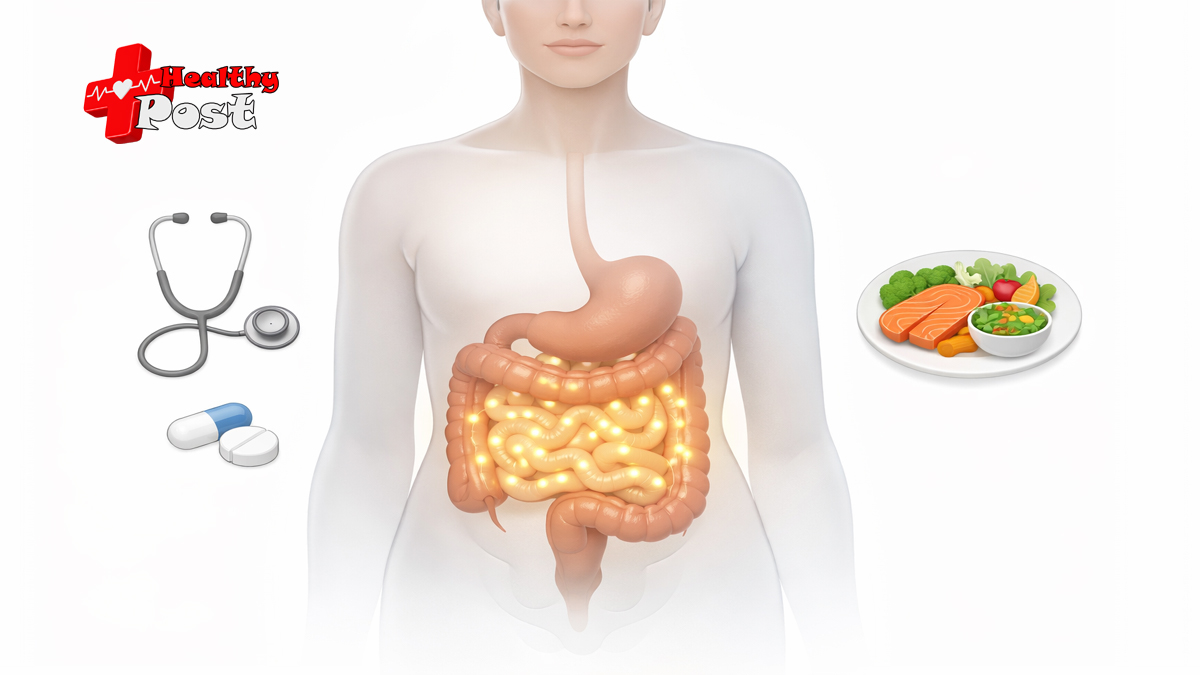
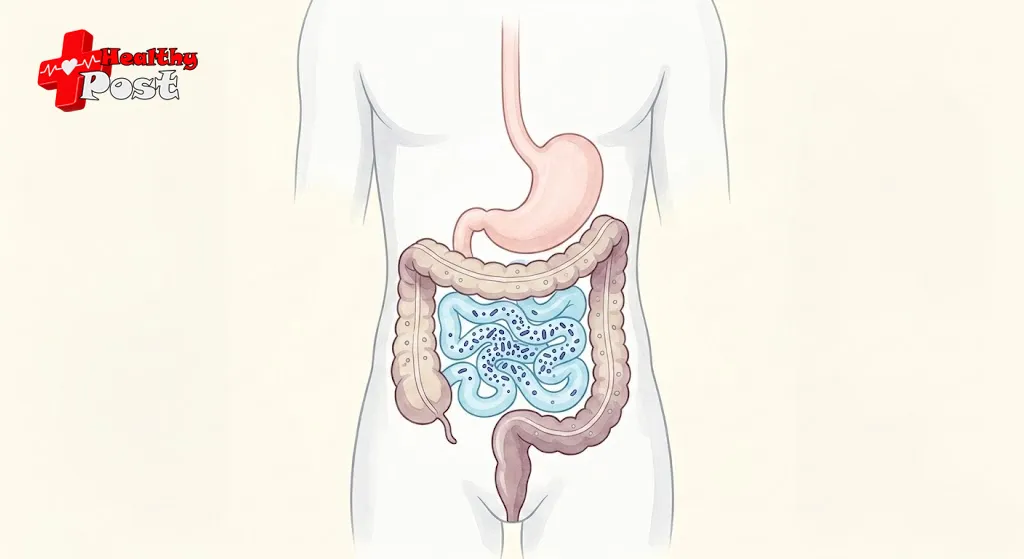
Small intestinal bacterial overgrowth (SIBO) happens when bacteria multiply excessively in the small intestine. Normally, most gut bacteria live in the large intestine. The small intestine has far fewer microbes.
In SIBO, two problems occur:
- Bacteria grow in much higher numbers than normal.
- Different types of bacteria move into the small intestine.
These bacteria:
- Ferment carbohydrates before your body can absorb them
- Damage the lining of the small intestine
- Interfere with digestion of fats and proteins
- Produce gases and toxins
The result is a mix of symptoms. These can include pain, bloating, diarrhea, malabsorption, and weight loss.
SIBO is sometimes called blind loop syndrome. This name appears more often after certain surgeries. In those cases, a loop of bowel holds stagnant food. That trapped food allows bacteria to grow too much.
When this process continues, nutrients are lost in the stool instead of absorbed. That can lead to malnutrition and vitamin deficiencies over time.
Fact 2: SIBO Symptoms Are Common but Often Misunderstood
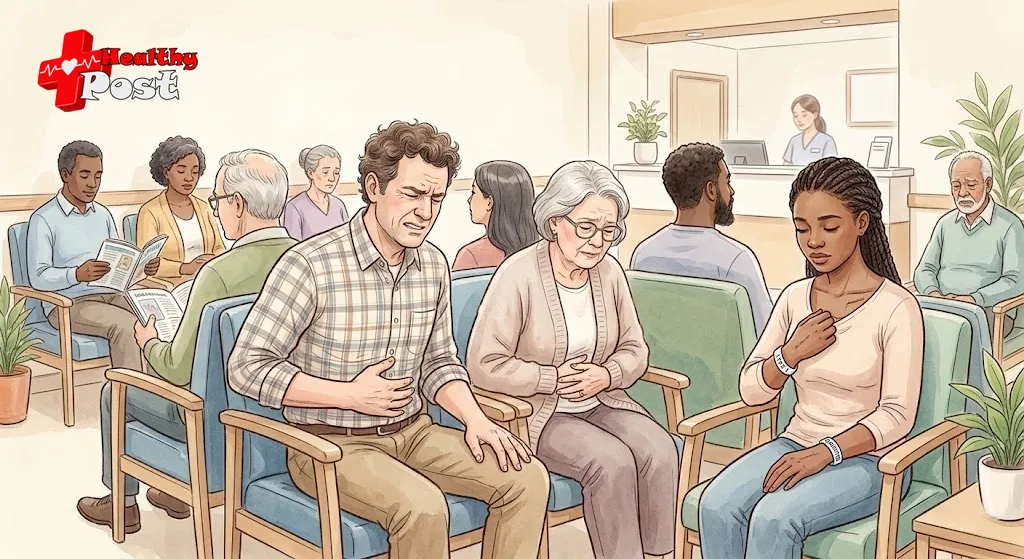
Many sibo symptoms overlap with other digestive problems. That is one reason diagnosis can be delayed. People may be told they only have IBS, stress, or “sensitive bowels.”
Typical SIBO symptoms include:
- Loss of appetite
- Abdominal pain or cramping
- Nausea
- Bloating and distention
- Feeling very full after small meals
- Diarrhea
- Unintentional weight loss
- Signs of malnutrition, like fatigue or weakness
Some people also experience:
- Excess gas or belching
- Greasy, floating stools from fat malabsorption
- Brain fog or trouble concentrating
- Tingling or numbness in hands or feet
A quick real-life example
Someone might feel fine after breakfast. By lunchtime, their stomach balloons with gas. Their pants feel tight, and they must rush to the bathroom. This pattern repeats daily, with no clear food trigger.
That pattern could match IBS, but SIBO is also possible. The overlap explains why careful testing matters.
You should seek medical advice if:
- Diarrhea lasts more than a few days
- You lose weight without trying
- Abdominal pain hangs on for days
- Pain becomes severe or sharp
Severe or worsening pain needs urgent care. Do not wait and hope it passes. 🚑
Fact 3: SIBO Has Many Causes, Not Just Food Choices
People often blame themselves for gut issues. They may feel guilty about what they eat. Yet SIBO usually involves structural or movement problems in the intestines, not personal failure.
Common causes include:
- Complications of abdominal surgery
- Gastric bypass
- Gastrectomy
- Surgeries that create loops or pouches
- Structural problems in the small intestine
- Scar tissue adhesions from prior surgery
- Diverticulosis, which forms small pouches
- Fistulas, abnormal passageways between segments
- Medical conditions that affect the gut
- Crohn’s disease
- Celiac disease
- Diabetes
- Scleroderma
- Radiation enteritis after cancer treatment
These issues can slow intestinal movement. Food and bacteria then sit too long in one spot. Stagnant material becomes a perfect breeding ground for bacteria.
When motility slows, natural “cleansing waves” of the intestine weaken. These waves normally move bacteria down into the large intestine. Without them, bacteria migrate upward instead.
So while diet can influence symptoms, it is rarely the root cause alone.
Fact 4: Certain People Face Higher SIBO Risk
Anyone can develop SIBO. However, some groups carry greater risk. Recognizing these helps guide testing and prevention.
You are more likely to develop SIBO if you have:
- A history of gastric surgery
- Structural defects in the small intestine
- Prior abdominal injuries
- Fistulas between bowel segments
- Crohn’s disease or other inflammatory bowel diseases
- Scleroderma
- Lymphoma affecting the gut
- Radiation therapy to the abdomen
- Diabetes, especially long-standing
- Diverticulosis or adhesions from prior surgery
If you belong to one of these groups and have chronic digestive symptoms, speak up. Mention your risk factors clearly during appointments.
You can say something like:
“I have diabetes and previous abdominal surgery. Could we rule out SIBO as a cause of my symptoms?”
This kind of statement can help your clinician think beyond basic IBS.
Fact 5: SIBO Can Cause Serious Long-Term Complications
Untreated SIBO is not just uncomfortable. It can quietly damage health.
Malabsorption and weight loss
Excess bacteria steal nutrients from your food. They break down carbohydrates and proteins before your body can use them. Damage to the small intestine lining worsens this problem.
This can lead to:
- Chronic diarrhea
- Unintentional weight loss
- Weakness and fatigue
- Visible muscle loss
Vitamin deficiencies
SIBO often affects fat digestion. When fats are not absorbed, fat-soluble vitamins A, D, E, and K are also lost.
This may cause:
- Vision changes
- Easy bruising or bleeding
- Low energy
- Increased infection risk
Vitamin B12 deficiency is another key risk. Bacteria consume B12 in the small intestine. Low B12 can lead to:
- Tiredness and weakness
- Tingling or numbness in hands and feet
- Memory problems or confusion
- Mood changes
Long-term B12 deficiency may cause nerve damage. Some of that damage can be irreversible if it continues for years.
Bone and kidney problems
Calcium absorption can drop with SIBO. Over time, this may cause:
- Thinning bones
- Osteopenia
- Osteoporosis
- Higher fracture risk
Calcium malabsorption also links to kidney stones. Some people notice flank pain or blood in the urine. That should always be assessed promptly.
Snapshot of SIBO-related nutrient problems
| Problem area | What happens in SIBO | Possible consequences |
|---|---|---|
| Fat absorption | Bacteria disrupt fat digestion | Greasy stools, loss of vitamins A, D, E, K |
| Vitamin B12 | Bacteria consume B12 in small intestine | Fatigue, numbness, nerve damage risk |
| Calcium absorption | Damaged lining and fat issues reduce uptake | Weak bones, fractures, kidney stones |
| Overall nutrition | Nutrients lost in stool or used by bacteria | Weight loss, weakness, malnutrition |
These complications highlight why early diagnosis matters. SIBO is often very treatable when addressed in time.
Reliable medical resources, such as the Mayo Clinic, discuss these risks in detail.
Fact 6: SIBO Tests Focus on Breath and Small Bowel Samples
A sibo test aims to detect excess bacteria or their activity. The two main approaches are breath testing and direct sampling.
Breath tests
Breath tests are the most common option. They are noninvasive and done at home or in a clinic.
Typical steps:
- You follow a special diet for a day.
- You fast overnight.
- You drink a sugar solution, usually lactulose or glucose.
- You breathe into small collection bags over several hours.
Bacteria in the small intestine ferment the sugar. They produce hydrogen or methane gas. These gases enter the blood, travel to the lungs, and appear in the breath. Rising gas levels suggest SIBO.
Breath tests are not perfect. False positives and negatives can occur. But they offer a helpful starting point.
Small intestine aspirate and culture
This is considered a more direct sibo test. It is done during an upper endoscopy.
- A thin tube reaches the small intestine.
- A fluid sample is collected.
- The sample is cultured in a lab.
If bacteria numbers exceed a certain threshold, SIBO is diagnosed. This test is more invasive and less widely available.
Often, clinicians combine history, symptoms, and breath testing. They may also consider response to treatment as part of diagnosis.
Fact 7: SIBO Treatment Often Starts with Antibiotics
Most people want to know about sibo treatment right away. Knowing that SIBO is treatable can ease some fear.
Antibiotics
Antibiotics are the most common first-line treatment. They reduce the number of excess bacteria in the small intestine.
Common options may include:
- Rifaximin
- Metronidazole
- Ciprofloxacin
- Other antibiotics, depending on the case
The exact medicine and dose depend on:
- Your symptoms
- Your breath test results
- Other health conditions
- Prior antibiotic use
Some people need more than one course. Others may need combinations, especially when methane-producing bacteria are involved.
Addressing the underlying cause
Killing bacteria helps, but does not fix the reason they grew. For lasting results, treatment should target:
- Structural problems, sometimes with surgery
- Motility problems, perhaps with medications
- Underlying diseases, like Crohn’s or celiac disease
- Blood sugar control in diabetes
Sometimes motility agents are used. These help restore those cleansing waves that push bacteria back to the large intestine.
Nutrient support
Because SIBO can cause deficiencies, your clinician may suggest:
- Vitamin B12 testing and supplements
- Vitamin D and other fat-soluble vitamins
- Calcium and magnesium
- Iron if anemia is present
Work with your healthcare team before starting many supplements. Some supplements may worsen symptoms if not chosen carefully.
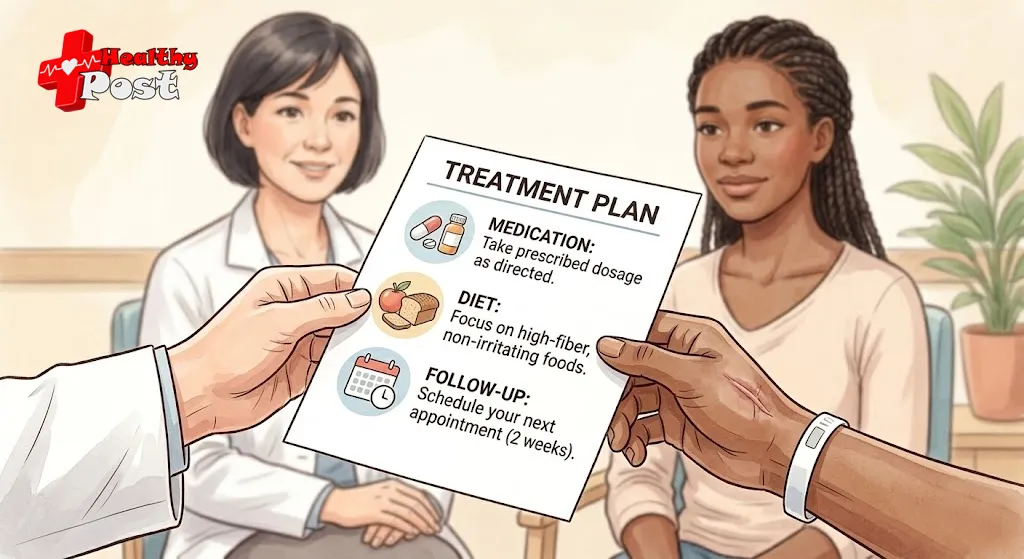
Fact 8: A Thoughtful SIBO Diet Can Ease Symptoms
A sibo diet does not cure the underlying issue alone. Still, it can ease discomfort and support healing. The key goal is to lower fermentable foods that feed bacteria.
Common dietary strategies include:
Low FODMAP-style approach
FODMAPs are types of carbohydrates that bacteria love to ferment. A low FODMAP diet reduces:
- Certain fruits like apples and pears
- Wheat-based products
- Onions and garlic
- Some dairy products
For SIBO, this pattern is often adjusted and made temporary. It should be done with guidance from a dietitian when possible.
Reducing ultra-processed foods
Ultra-processed foods can disturb gut balance. Choosing simpler foods can help. Aim for:
- Lean proteins
- Cooked vegetables that you tolerate
- Healthy fats, in moderate amounts
- Easy-to-digest grains, if tolerated
Watching portion size and meal timing
Large meals can worsen bloating. Try:
- Smaller, more frequent meals
- Allowing gaps between meals so motility waves can work
- Avoiding late heavy dinners
Because needs differ, there is no single best sibo diet for everyone. A registered dietitian who understands SIBO can help personalize your plan.
The National Institutes of Health offers in-depth research on gut conditions and nutrition that can support this work.
Fact 9: Early Detection and Follow-Up Protect Long-Term Health
SIBO is very treatable in many cases. Early attention can prevent serious complications. Here is how to protect your long-term health.
When to seek evaluation
See a healthcare professional if you have:
- Persistent diarrhea
- Bloating that worsens after meals
- Ongoing abdominal pain
- Unintentional weight loss
- History of abdominal surgery plus new symptoms
Describe your experience clearly. Track symptoms in a simple diary for a week. Note foods, symptoms, and timing. This helps your clinician see patterns.
Follow-up matters
SIBO can recur, especially if underlying issues remain. Follow-up visits help you:
- Monitor symptoms
- Repeat testing if needed
- Adjust medications and diet
- Check nutrient levels
Think of SIBO as a condition that benefits from a team approach. That team may include:
- Primary care provider
- Gastroenterologist
- Registered dietitian
- Sometimes an endocrinologist or rheumatologist
Feeling heard and supported is part of healing. 💛
Fact 10: You Do Not Have to Navigate SIBO Alone
Learning about SIBO can feel overwhelming. There are tests, treatments, and many opinions online. It is easy to worry you will never feel normal again.
Yet many people do improve with:
- Correct diagnosis
- Well-chosen antibiotics
- A supportive eating plan
- Careful attention to underlying conditions
- Thoughtful follow-up
You deserve clear information and compassionate care. Bring questions to each appointment. Ask for explanations in plain language. It is okay to ask for a second opinion if you feel stuck.
Remember: digestive conditions are medical issues, not character flaws. You are not “too anxious” or “too sensitive.” Your symptoms are real and deserve respect.

FAQs About SIBO
1. What is SIBO in simple terms?
SIBO means there are too many bacteria living in the small intestine. Those bacteria interfere with digestion and nutrient absorption. They produce gas and toxins that cause symptoms like bloating and diarrhea.
2. Is SIBO the same as IBS?
No. IBS is a functional bowel disorder based on symptoms. SIBO is a specific overgrowth of bacteria in the small intestine. Some people have both. Testing helps clarify the situation.
3. How is SIBO usually diagnosed?
Most clinicians start with a sibo test using breath samples. Less often, a small intestine fluid sample is taken during endoscopy. Diagnosis also relies on symptoms, history, and risk factors.
4. Can SIBO go away on its own?
Sometimes mild overgrowth may improve. However, established SIBO rarely disappears completely without treatment. Antibiotics and addressing underlying causes usually give better outcomes.
5. Do probiotics help or hurt SIBO?
The answer varies. Some people feel better with certain probiotics. Others feel worse and more bloated. Probiotics can shift bacterial patterns in complex ways. Discuss them with your clinician before starting.
6. Will I need a strict diet forever?
Usually not. A structured sibo diet is often temporary. The goal is to calm symptoms and support healing. Over time, many people gradually expand their food choices under guidance.
Conclusion: Taking Your Next Step with SIBO
Living with unexplained digestive issues can be exhausting. Understanding Sibo, its symptoms, testing options, diet, and treatments can restore a sense of control.
You have learned that:
- SIBO is a real medical condition, not “in your head”
- Sibo symptoms can mimic IBS and other disorders
- Testing often starts with breath analysis
- Sibo treatment usually includes antibiotics and addressing root causes
- A personalized sibo diet can ease discomfort and protect nutrition
If your story matches many signs described here, reach out to a qualified healthcare professional. Share your concerns openly and ask whether SIBO should be considered.
You deserve clear answers, thoughtful testing, and a plan that respects your life. With the right support, many people move from constant discomfort toward steadier, more predictable days. 🌱