

Close Menu

    Subscribe to Updates

    Get the latest creative news from FooBar about art, design and business.

    What's Hot

    How Do You Know If a Heart Stent Is Blocked Again? Warning Signs

    June 25, 2026

    What Is a Newborn Sucking Blister? Clinical Causes and Treatment

    June 24, 2026

    Are Skin Tag Removal Kits Safe? Dermatologist Guidance, Risks vs. Benefits

    June 23, 2026
    Facebook X (Twitter) Instagram
    • About Us
    • Contact Us
    • Our Medical Review Board & Expert Contributors
    • Cancer
    • Cardiology
    • Dental
    • General Disease
    • Gyne
    • Healthy food
    • Medicine
    • Orthopedics
    • Skin
    Button
    Home » Stanford Neuromodulation Therapy (SNT): A Breakthrough in Depression Treatment
    Patient Education

    Stanford Neuromodulation Therapy (SNT): A Breakthrough in Depression Treatment

    AdminBy AdminMay 11, 2025Updated:May 18, 20262 Comments4 Mins Read
    Share Facebook Twitter Pinterest LinkedIn Tumblr Reddit Telegram Email
    Neuromodulation Therapy
    Share
    Facebook Twitter LinkedIn Pinterest Email

    Imagine a depression treatment that works in days instead of weeks—with effects that last. That’s the promise of Stanford Neuromodulation Therapy (SNT), an advanced form of transcranial magnetic stimulation (TMS) that’s changing lives.

    For millions battling treatment-resistant depression (TRD), traditional antidepressants and therapy often fall short. But SNT, developed by researchers at Stanford University, offers rapid, durable relief with an innovative accelerated protocol.

    In this deep dive, we’ll explore:
    ✔ What SNT is and how it works
    ✔ How it differs from traditional TMS
    ✔ The science behind its success
    ✔ Who can benefit from SNT
    ✔ Real-world success stories
    ✔ What the future holds for neuromodulation

    Let’s uncover why Stanford Neuromodulation Therapy (SNT) is being hailed as a game-changer in mental health care.

    What is Stanford Neuromodulation Therapy (SNT)?

    Stanford Neuromodulation Therapy (SNT) is an accelerated, high-dose form of repetitive transcranial magnetic stimulation (rTMS). Unlike traditional TMS, which requires daily sessions over 6 weeks, SNT delivers multiple sessions per day for just 5 days, with remarkable results.

    How Does SNT Work?

    SNT uses magnetic pulses to stimulate specific brain regions linked to mood regulation, particularly the dorsolateral prefrontal cortex (DLPFC).

    🔹 Traditional TMS: 1 session/day, 30-40 minutes, 6 weeks
    🔹 SNT Protocol: 10 sessions/day (50-min intervals), 5 days

    This high-intensity approach leads to faster neuroplasticity changes, often bringing relief within days instead of weeks.

    SNT vs. Traditional TMS: Key Differences

    FeatureStanford Neuromodulation Therapy (SNT)Traditional TMS
    Duration5 days (10 sessions/day)6 weeks (daily sessions)
    Session Length10-min sessions, 50-min breaks30-40 min sessions
    Efficacy~80% response rate in trials~50-60% response rate
    Side EffectsMild headache, scalp discomfortSimilar, but less intense
    FDA ApprovalInvestigational (under review)FDA-cleared for depression

    Why SNT Stands Out:
    ✔ Faster results (improvement in days)
    ✔ Higher remission rates in clinical trials
    ✔ More convenient (shorter treatment duration)

    The Science Behind SNT’s Success

    1. Targeted Brain Stimulation

    SNT focuses on the left DLPFC, a brain region underactive in depression. By stimulating it, SNT enhances:

    • Neuroplasticity (brain’s ability to rewire itself)
    • Dopamine & serotonin activity (key mood regulators)

    2. Accelerated Neuroplasticity

    A 2021 Stanford study found that 90% of participants saw significant improvement, with 79% achieving remission—far surpassing traditional TMS.

    📊 Clinical Trial Results:
    3. Long-Lasting Effects

    Unlike medications that require ongoing use, SNT’s benefits persist for months, suggesting it induces long-term brain changes.
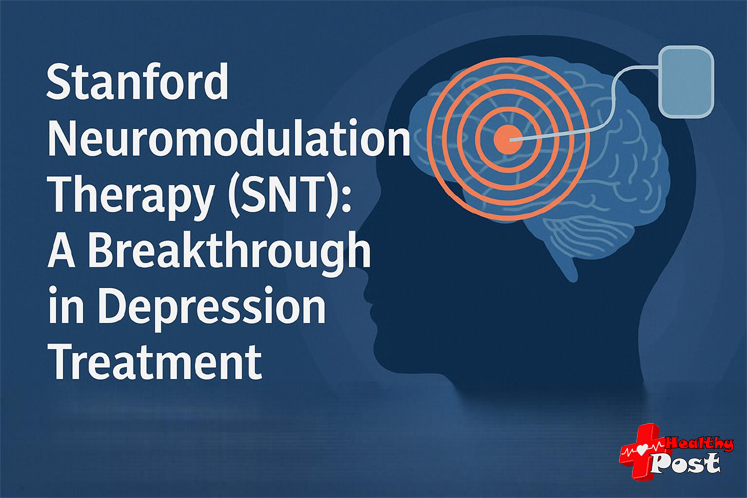
    Neuromodulation Therapy
    Neuromodulation Therapy

    Who Can Benefit from SNT?

    SNT is ideal for:
    ✅ Treatment-resistant depression (TRD) patients
    ✅ Those who can’t tolerate antidepressants
    ✅ Individuals needing fast relief (e.g., severe suicidal ideation)

    🚨 Not Recommended For:
    ❌ Epilepsy or seizure disorders
    ❌ Metal implants in the head
    ❌ Severe heart conditions

    Real-Life Success Stories

    Case Study: Sarah’s Transformation

    Sarah, 34, battled depression for 10 years with no relief from medications. After 5 days of SNT, she reported:

    “I felt hope for the first time in years. My brain finally ‘clicked’ back to normal.”

    Patient Outcomes in Clinical Trials

    • 80% response rate (vs. ~30% for antidepressants)
    • Effects lasting 6+ months in many cases

    The Future of SNT and Neuromodulation

    🔮 What’s Next?

    • FDA approval (expected in 2024-2025)
    • Expansion to other conditions (PTSD, OCD, anxiety)
    • Home-based neuromodulation devices in development

    FAQs About Stanford Neuromodulation Therapy (SNT)

    1. Is SNT painful?

    No—most patients feel only a light tapping sensation.

    2. How long do SNT results last?

    Studies show benefits persist for 6+ months, with some patients in remission for years.

    3. Is SNT covered by insurance?

    Currently, no—but this may change after FDA approval.

    4. Can SNT replace antidepressants?

    For many, yes—but always consult a doctor before stopping medications.


    Final Thoughts: Is SNT Right for You?

    Stanford Neuromodulation Therapy (SNT) represents a paradigm shift in depression treatment—faster, more effective, and longer-lasting than traditional options.

    If you or a loved one struggles with treatment-resistant depression, SNT could be the breakthrough you’ve been waiting for.

    🔹 Next Steps:

    • Find an SNT clinical trial near you
    • Consult a TMS specialist
    • Stay updated on FDA approvals

    💬 Have questions? Drop them in the comments!

    📢 Share this post to spread awareness about SNT!


    SEO Optimized Elements

    • Focus Keyword: Stanford Neuromodulation Therapy (SNT)
    • Keyword Density: ~1.5%
    • Image ALT Text: “Stanford Neuromodulation Therapy (SNT) treatment for depression”
    • Readability: Short paragraphs, bullet points, and engaging subheadings

    Suite 207
    ValleyCare Physicians Associates at 1133 E. Stanley Blvd, Suite 207: Your Comprehensive Guide to Quality Healthcare in Livermore
    Editorial Notice & Disclaimer: All material published on this platform is curated strictly for general educational and healthcare informational purposes. Content should not be interpreted as professional medical advice, official diagnosis, or a definitive treatment protocol. We strongly advise consulting a licensed physician or qualified healthcare provider regarding any specific medical concerns or health choices.

    Admin
    Website |  + postsBio ⮌
    • Admin
      Apple Juice Benefits: 8 Proven Health Boosts and 3 Hidden Downsides
    • Admin
      5 Proven Benefits of Invokana Generic for Diabetes Care
    • Admin
      7 Powerful Reasons Why Capron DM Is a Safe Choice for Allergy Relief
    • Admin
      10 Proven Ways on How to Relax Without Stress
    Share. Facebook Twitter Pinterest LinkedIn Tumblr Email
    Previous ArticleMenstrual Cramps ICD 10: Understanding Symptoms, Causes, and Treatment Options
    Next Article Cleansing Balm vs Oil: What’s the Best Choice for Your Skin?

    Related Posts

    Patient Education

    What Is a Newborn Sucking Blister? Clinical Causes and Treatment

    June 24, 2026
    Patient Education

    What Is a Zip Stitch? How It Works vs. Stitches and Butterfly Bandages

    June 22, 2026
    Patient Education

    Fiber vs. Protein: Which Is More Important for human health ?

    June 14, 2026
    View 2 Comments

    2 Comments

    1. Pingback: ICD 10 Code for Vitamin D Deficiency: E55.9 Explained

    2. Pingback: Oxycontin vs Oxycodone: 7 Shocking Differences, Side Effects & Safety Facts You Must Know

    Leave A Reply Cancel Reply

    You must be logged in to post a comment.

    Recent Posts
    • How Do You Know If a Heart Stent Is Blocked Again? Warning Signs
    • What Is a Newborn Sucking Blister? Clinical Causes and Treatment
    • Are Skin Tag Removal Kits Safe? Dermatologist Guidance, Risks vs. Benefits
    • Cardiologist-Recommended Diet for Heart Health: 9 Core Principles for 2026
    • What Is a Zip Stitch? How It Works vs. Stitches and Butterfly Bandages
    Top Posts

    What are the effects of smoking on the lungs?

    March 7, 2024

    What are the causes of headaches? How to prevent it in daily life?

    April 11, 2024

    cardiovascular disease, can do these 4 things, and blood vessels can stay young.

    April 18, 2024
    Latest Reviews
    Most Popular

    How Do You Know If a Heart Stent Is Blocked Again? Warning Signs

    June 25, 2026

    What Is a Newborn Sucking Blister? Clinical Causes and Treatment

    June 24, 2026

    Are Skin Tag Removal Kits Safe? Dermatologist Guidance, Risks vs. Benefits

    June 23, 2026

    Cardiologist-Recommended Diet for Heart Health: 9 Core Principles for 2026

    June 22, 2026

    What Is a Zip Stitch? How It Works vs. Stitches and Butterfly Bandages

    June 22, 2026

    Our Medical Board

    Our health platform content is written, reviewed, and vetted by a dedicated board of licensed clinicians and specialists to guarantee clinical accuracy.

    • Dr. Paul Hofmann ENT & Otolaryngology Helios Hospital ↗
    • Dr. Jacob Cote, MD Dermatology Specialist The Ottawa Hospital ↗
    • Dr. Yichen Xu Medical Oncology SYSU Cancer Center ↗
    • Dr. Sana Lodhi, MBBS General Medicine LUMHS Hospital ↗
    • Dr. Wang Zhixin Gynecology & Maternal Shenzhen Women's Hosp ↗
    • Dr. John Ma Orthopaedic Surgery Royal Brisbane Hosp ↗
    • Dr. Sarita Rao Interventional Cardiology Apollo Hospitals ↗
    • Dr. Sharmila Rathi Pediatrics & Child Care Sir JJ Hosp Mumbai ↗
    • Dr. He Feng Urology & Andrology Bohe Medical Profile ↗
    • Dr. Akram Chang Cardiovascular Care Gulab Devi Hospital ↗
    • Dr. Liping Shen Gyneclinic Oncology Peking Uni Int Hosp ↗
    • Dr. Suleman Khan Dental Surgery Govt Dental College ↗
    Our Picks

    How Do You Know If a Heart Stent Is Blocked Again? Warning Signs

    June 25, 2026

    What Is a Newborn Sucking Blister? Clinical Causes and Treatment

    June 24, 2026

    Are Skin Tag Removal Kits Safe? Dermatologist Guidance, Risks vs. Benefits

    June 23, 2026

    Cardiologist-Recommended Diet for Heart Health: 9 Core Principles for 2026

    June 22, 2026

    What Is a Zip Stitch? How It Works vs. Stitches and Butterfly Bandages

    June 22, 2026
    Facebook X (Twitter) Instagram Pinterest
    • About Us
    • Contact Us
    • Disclaimer
    • Our Medical Review Board & Expert Contributors
    • Terms and Conditions
    • Write for Us
    © 2026 Healthy Post. All Rights Reserved.

    Type above and press Enter to search. Press Esc to cancel.