


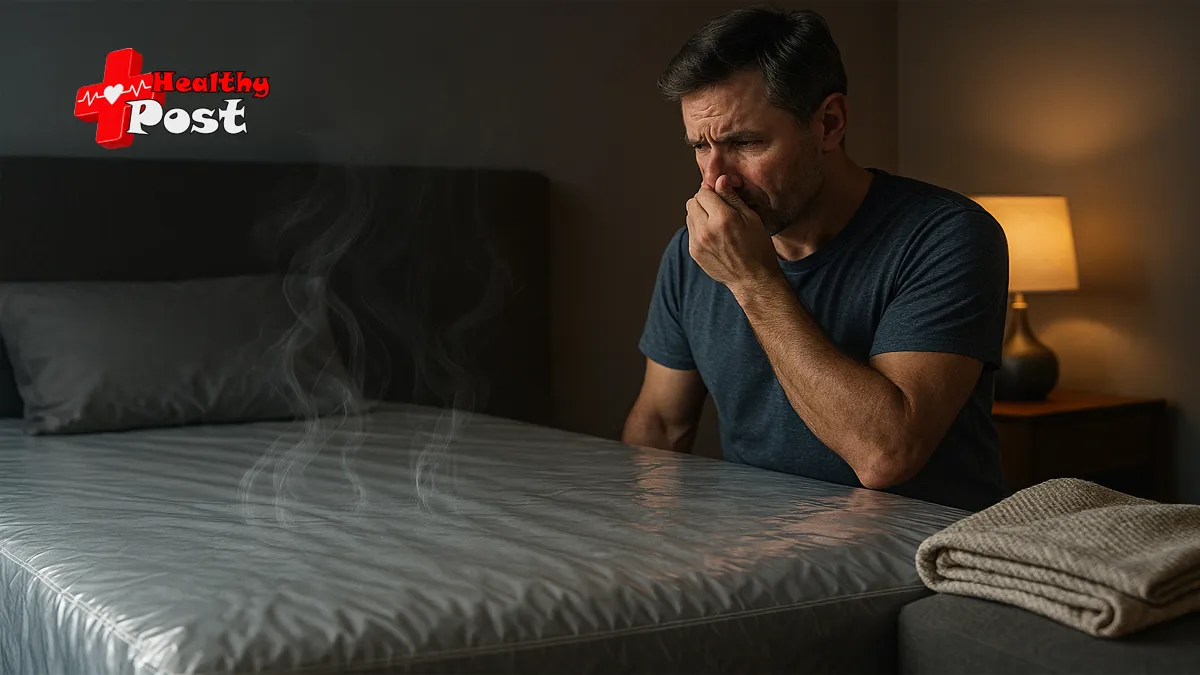
Waking up tired, stuffy, or with a mysterious rash can feel confusing and frustrating. Your bedroom should be a healing space, not a hidden source of toxins. Yet for many people, Plastic Mattresses quietly undermine health every single night. 😴
These beds often look practical. They are marketed as waterproof, hypoallergenic, and “easy to clean.” But the smooth, shiny, plastic-like surface often signals something else: synthetic chemicals that do not belong next to your lungs or skin.
In this guide, we will unpack seven serious health risks linked to Plastic Mattresses and similar waterproof, vinyl-covered beds. You will also learn practical steps to protect yourself and your family, even if you cannot replace your mattress right away.
1. Toxic Off-Gassing: You Breathe Chemicals While You Sleep 🧪
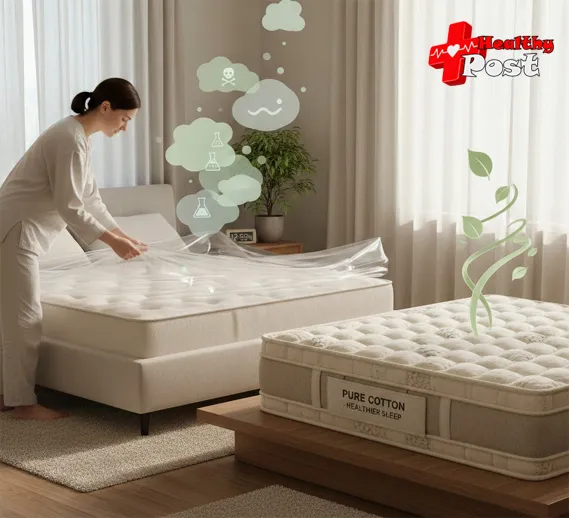
Many Plastic Mattresses are made with PVC (polyvinyl chloride), polyurethane foam, and other petrochemical materials. These can release volatile organic compounds (VOCs) into the air, a process called off-gassing.
Common VOCs and additives include:
- Formaldehyde
- Toluene and benzene
- Phthalates (used to soften PVC)
- Flame retardant chemicals
These chemicals can:
- Irritate the eyes, nose, and throat
- Trigger headaches or dizziness
- Worsen asthma and other breathing problems
- Contribute to long-term cancer risk
For more depth on volatile organic compounds in indoor air, see this resource from the U.S. Environmental Protection Agency:
volatile organic compounds in indoor air
Real-life example:
A parent notices their child’s room always smells “plastic” and musty. The child often wakes with a sore throat and stuffy nose. After switching from a vinyl-covered mattress to a breathable cotton and natural latex option, the symptoms noticeably improve.
What you can do now
- Air out a new mattress for several days in a well-ventilated room.
- Open windows daily to reduce indoor pollution.
- Use an air purifier with a HEPA and activated carbon filter.
2. Hormone Disruption and Fertility Concerns ⚠️
Many plastic and vinyl mattress components contain phthalates and related chemicals. These are known or suspected endocrine disruptors. That means they can interfere with the normal function of hormones.
Research connects endocrine-disrupting chemicals with:
- Lower sperm quality
- Menstrual irregularities
- Higher risk of certain hormone-related cancers
- Possible impacts on thyroid function
You can learn more about endocrine-disrupting chemicals through the National Institute of Environmental Health Sciences:
endocrine-disrupting chemicals
Hormonal balance is delicate. Even low doses of certain chemicals, repeated every night for years, may matter. This is especially concerning for:
- Couples trying to conceive
- Pregnant women
- Children and teenagers, who are still developing
Signs your hormones might be affected
These symptoms can have many causes, but they may signal hormonal strain:
- Unexplained fatigue
- Irregular periods
- Low libido
- Sudden changes in weight or mood
If you notice these issues, consider both medical evaluation and reducing avoidable chemical exposure in the bedroom.
3. Allergies, Asthma, and Night-Time Breathing Problems 😷
Some people react not only to dust mites, but also to chemicals in waterproof mattress covers and plastic layers.
Plastic and synthetic materials can:
- Emit irritant fumes, especially when new or heated
- Trap moisture and sweat, encouraging mold or mildew
- Build up static and attract dust particles
Together, these factors may worsen:
- Asthma
- Chronic cough
- Allergic rhinitis (stuffy, itchy nose)
- Eczema flares
Example:
An adult with mild asthma notices wheezing is worse at night. The mattress has a crinkly PVC protector. After replacing it with an organic cotton protector and allowing more airflow, breathing improves.
Common Mattress Materials and Possible Reactions
| Material / Layer | Where It Appears | Possible Concerns |
|---|---|---|
| PVC / vinyl waterproofing | Baby mattresses, hospital-style beds | VOCs, phthalates, plastic smell, irritation |
| Polyurethane foam | Most budget foam mattresses | Off-gassing, heat retention, VOCs |
| Flame retardant chemicals | Foam layers, covers, barrier fabrics | Hormone disruption, respiratory irritation |
| Synthetic fabrics (polyester) | Quilted top layers, covers | Heat, sweat, mild irritation for some |
| Natural latex (certified) | Support core or comfort layer | Safer option; rare latex allergies possible |
| Organic cotton / wool | Covers, batting, natural flame barriers | Breathable, lower chemical load |
If you or your child has asthma, consider asking your doctor about possible environmental triggers, including bedding.
4. Overheating, Poor Sleep, and Weight Gain 🔥
Plastic and vinyl surfaces do not breathe well. They trap heat and sweat against your skin. Many people find they wake up hot, damp, and restless.
Poor temperature regulation can lead to:
- Fragmented sleep
- Less deep, restorative sleep
- Increased nighttime awakenings
Chronic poor sleep has wide-ranging effects. It can:
- Disrupt appetite hormones (ghrelin and leptin)
- Encourage weight gain and sugar cravings
- Raise blood pressure and blood sugar
- Increase anxiety and irritability
If you often wake sweaty or overheated, your waterproof mattress or plastic protector may be part of the problem.
Quick fixes
- Use a natural fiber mattress pad, like cotton or wool, between you and the plastic.
- Choose breathable bedding: cotton, linen, or TENCEL, not polyester.
- Keep your bedroom slightly cool at night.
5. Skin Irritation, Rashes, and Contact Reactions 🩹
Your skin is your largest organ. It also absorbs some of what touches it. Sleeping on Plastic Mattresses means your skin stays in contact with synthetic materials and their residues for many hours.
Possible skin-related issues include:
- Itching or burning sensations
- Red, irritated patches
- Folliculitis (inflamed hair follicles) from trapped sweat
- Worsening of eczema or dermatitis
Moisture is a key factor. Plastic and vinyl do not allow sweat to evaporate. This creates a warm, damp environment where bacteria and yeast thrive.
Example:
A child suddenly develops a rash on the back and thighs. The pediatrician rules out infections and suspects irritation from a new waterproof mattress. After switching to a breathable cotton topper, the rash slowly clears.
If you notice rashes that match mattress contact areas, consider changing bedding materials and talking to a dermatologist.
6. Hidden Risks for Babies and Children 👶
Infants and children are more vulnerable to environmental toxins. Their organs and nervous systems are still developing. They also breathe more air per pound of body weight than adults.
Many crib mattresses and toddler beds use:
- Vinyl waterproof covers
- Polyurethane foam cores
- Added flame retardants
These features are marketed as “safe” and “practical.” But they may release more chemicals into a smaller sleeping space. Babies often sleep 12–16 hours a day. So exposure time is long.
Potential concerns include:
- Effects on brain development and behavior
- Higher sensitivity to respiratory irritants
- Long-term endocrine and metabolic effects
If possible, consider:
- A crib mattress made from natural materials, like organic cotton, wool, and certified natural latex.
- A snug organic cotton sheet with no added chemical treatments.
- Regular airing of both the mattress and the nursery.
You can explore safer material options further in a dedicated guide to natural baby mattresses and bedding on your site.
7. The Environmental Impact That Comes Back to Your Health 🌍
The story of Plastic Mattresses does not end in your bedroom. These products often:
- Use fossil fuel–derived plastics and foams
- Contain additives that persist in the environment
- End up in landfills where they slowly break down and leach chemicals
As plastic waste accumulates, microplastics and associated chemicals enter:
- Soil
- Rivers and oceans
- The food chain
Over time, this environmental contamination may circle back to human health. It can affect water quality, food safety, and air pollution.
Choosing low-toxicity, longer-lasting, and more natural bedding materials supports both personal wellness and planetary health.
FAQs About Plastic Mattresses and Your Health ❓
1. Are Plastic Mattresses safe for babies?
They meet certain safety standards, mainly flammability and basic durability. However, many contain PVC, foam, and flame retardants. These can release chemicals into the air. Whenever possible, choose a crib mattress made from natural, certified materials and use breathable cotton sheets.
2. How can I tell if my mattress is plastic-based?
Signs include a shiny, crinkly waterproof surface and a strong “new plastic” odor. Labels mentioning PVC, vinyl, polyurethane foam, or “100% polyester cover” suggest a mostly synthetic build. If there is no clear materials list, contact the manufacturer.
3. What is the safest type of mattress material?
Safer options usually include:
- Certified organic cotton
- Natural wool used as a flame barrier
- Certified natural latex (for those without latex allergy)
Look for independent certifications that limit harmful chemicals. Examples include GOTS, GOLS, and OEKO-TEX Standard 100. You can reference these when comparing products.
4. I cannot replace my mattress yet. What can I do?
You can still reduce exposure:
- Add a thick, natural fiber mattress topper or pad.
- Use organic cotton sheets and pillowcases.
- Open windows daily and use an air purifier if possible.
- Wash bedding weekly in fragrance-free detergent.
These steps help limit direct skin contact and reduce chemical buildup in the air.
5. Do all waterproof mattress protectors have the same risks?
No. Some newer protectors use thin, non-PVC membranes bonded to natural fabrics. These are often lower in VOCs and more breathable. Avoid products labeled as “vinyl” or “PVC.” Look for detailed material transparency.
6. Should I be worried if my mattress smells like chemicals?
A strong, persistent chemical or plastic odor is a red flag. It usually signals ongoing off-gassing. Air the mattress out in a ventilated space. If the smell does not fade over time, consider using a natural topper or planning for replacement when possible.
Conclusion: Take Back Your Bedroom Health 🌿
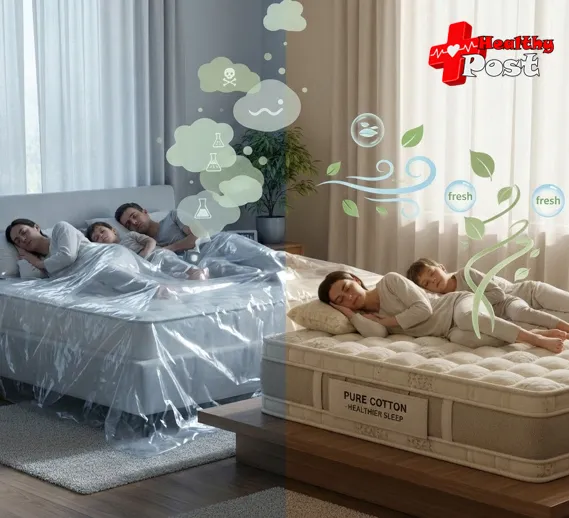
Your bed is where your body repairs, detoxifies, and restores itself. Yet many Plastic Mattresses expose you to off-gassing chemicals, hormone disruptors, skin irritants, and sleep-disrupting heat every night.
By understanding these seven health risks, you can make more informed choices:
- Prioritize natural, breathable materials when buying a new mattress.
- For now, use cotton or wool toppers and sheets to create a safer buffer.
- Ventilate your bedroom regularly and consider an air purifier.
- Pay special attention to babies, children, and anyone with asthma or sensitive skin.
Replacing a mattress can feel overwhelming and expensive. You do not need perfection overnight. Start with small, realistic steps that reduce chemical exposure and improve comfort. Each change supports better sleep, steadier hormones, and a healthier home.
Over time, shifting away from Plastic Mattresses and toward safer alternatives is an investment in the well-being of your family—and in the environment we all share. 🌱