


This article has been written by Dr. Mary Jacob, Registered Pharmacist (Goulburn Valley Health), specializing in clinical pharmacology, upper respiratory combination therapies, allergy management, and patient medication safety.
Medical Disclaimer: The information provided regarding Capron DM uses, cough suppression mechanisms, antihistamine benefits, and safe dosing protocols is for educational and informational purposes only. Combination cold and allergy medications require careful oversight, adherence to package instructions or professional guidance, and awareness of potential side effects such as drowsiness. Always consult a qualified physician, healthcare provider, or clinical pharmacist before starting any new medication regimen.

💊 Medical Review Board Member
Dr. Mary Jacob
Registered Australian Pharmacist | Goulburn Valley Health
Dr. Mary Jacob is a registered Australian pharmacist with an extensive background in pharmaceutical care, medication safety, and patient health education. Dedicated to upholding the highest standards of healthcare communication, she specializes in translating complex pharmacological data and medication guidelines into clear, accurate, and actionable resources for everyday readers.
When allergies hit, you want relief that works without making you feel worse. Many people reach for capron dm because it tackles both cough and allergy symptoms in one dose. Yet it’s natural to wonder: Is it actually a safe choice for me or my family? 🤔
This guide breaks down what Capron DM is, how it works, and 7 powerful reasons it can be a safe, effective option for short‑term allergy and cold relief—when used correctly.
What Is Capron DM?
Before we dive into the reasons, it helps to understand the basics.
Capron DM is an over‑the‑counter (OTC) medicine used for:
- Cough relief
- Runny nose and sneezing
- Watery eyes and itchy throat
- Allergy or hay fever symptoms
- Cold or flu‑related upper respiratory discomfort
It combines two active ingredients:
- Dextromethorphan hydrobromide – a cough suppressant that acts on the brain’s cough center.
- Pyrilamine maleate – an older (first‑generation) antihistamine that helps reduce allergy symptoms.
Drug class: Upper respiratory combination medication
Forms available:
- Oral liquid (often referred to as capron dm liquid)
- Tablets
Availability:
- Sold OTC, so you do not need a prescription.
Now, let’s look at why this medication can be considered a safe choice for many people when used properly.
1. Dual-Action Relief From Cough and Allergies
One of the strongest reasons patients choose capron dm is its two‑in‑one effect. Instead of taking separate products, you get:
- Cough suppression from dextromethorphan
- Allergy and cold symptom relief from pyrilamine
This means it can help with:
- Dry, irritating cough (not caused by chronic lung disease)
- Runny nose and sneezing
- Watery or itchy eyes
- Itchy throat due to allergies or the common cold
💡 Example:
If you have a seasonal allergy flare plus a nagging cough from a mild cold, Capron DM may help you rest at night without stacking multiple medicines.
Because both ingredients are well‑studied and have been used for decades, doctors are familiar with their safety profile, especially when used short term and at recommended doses.
2. Clear, Standardized Dosing for Adults and Teens
A key aspect of medication safety is predictable dosing. Capron DM offers that.
Typical Adult & Teen Dosing (Age 12+)
- Taken by mouth every 6–8 hours
- Do not exceed the maximum daily dose listed on the product label
- Swallow tablets with water or measure capron dm liquid using a dosing cup or oral syringe
Children Under 12
- Dosing is more sensitive.
- Always consult a pediatrician or healthcare provider before giving Capron DM to younger children.
For capron dm liquid, a common formulation per 5 mL includes:
- Dextromethorphan HBr 7.5 mg
- Pyrilamine maleate 7.5 mg
This standardized strength helps reduce dosing errors when instructions are followed carefully.
✅ Safety tip:
Use only the measuring device that comes with the bottle. Household spoons are unreliable and increase the risk of under‑ or over‑dosing.
3. Over-the-Counter Access With a Long Safety Track Record
Capron DM has been available without a prescription for many years. While OTC status does not mean “risk‑free,” it does suggest:
- A known and manageable side effect profile
- Clear directions that non‑experts can follow
- Broad use with relatively few serious complications when used correctly
OTC combination medicines like this are regulated and must demonstrate safety at labeled doses. For more technical information, many people refer to official drug monographs such as those found in dextromethorphan hydrobromide prescribing information, which outline safety and usage data for one of the active ingredients.
🧪 Why this matters:
Drugs that have been on the market a long time often have extensive real‑world data, making rare risks easier to recognize and manage.
4. Designed for Short-Term Use, Not Chronic Conditions
Another reason Capron DM can be a safe option is that it’s clearly intended for short‑term relief, not long‑term daily use. This reduces the risk of:
- Long‑term side effects from chronic antihistamine use
- Masking serious underlying conditions
- Dependence behaviors tied to overuse of cough suppressants
You should use Capron DM for brief periods, such as:
- A few days of allergy flare with cough
- A short‑lived cold or flu episode
- Temporary hay fever symptoms that disturb sleep or daily function
If you:
- Need this medication for more than a week, or
- Have a cough that lasts longer than 7–10 days, or
- Notice worsening symptoms like high fever, chest pain, or difficulty breathing
then it’s important to see a healthcare provider. Ongoing symptoms may signal:
- Asthma
- Chronic bronchitis
- Emphysema
- Pneumonia
- Other underlying medical problems
Using Capron DM instead of a proper diagnosis is not safe. Using it while you seek care for short, mild symptoms can be.

5. Well-Defined Side Effects You Can Prepare For
No medicine is completely free of side effects, but knowing what to expect helps you use it safely.
Common Side Effects
These are usually mild and dose‑related:
- Drowsiness or sedation 😴
- Dizziness or lightheadedness
- Dry mouth
- Blurred vision
Because pyrilamine is a sedating antihistamine, it’s normal to feel sleepy. Some people even find this helpful at night when coughing and allergies keep them awake.
Serious but Less Common Risks
Safety concerns increase if Capron DM is:
- Combined with alcohol
- Mixed with other sedating drugs such as some sleeping pills, opioids, or certain anxiety medications
- Used by people with chronic lung disease (asthma, emphysema, chronic bronchitis)
- Taken together with MAO inhibitors or certain antidepressants
In such situations, there’s a higher risk of:
- Extreme drowsiness
- Poor coordination
- Confusion
- Breathing difficulties
If any alarming symptoms occur—such as trouble breathing, chest tightness, confusion, or severe dizziness—seek emergency care.
📌 Real‑life example:
Someone takes Capron DM at night then drinks wine. They may wake feeling extremely groggy and unsteady the next morning, which increases fall risk or driving hazards.
6. Multiple Formulations to Match Different Needs
People respond differently to tablets versus liquids. The availability of both capron dm liquid and tablet forms makes it easier to choose what feels safest and most convenient.
Capron DM Liquid
May be preferable if:
- You have trouble swallowing pills
- You want very precise dosing
- You’re adjusting doses for older teens under medical guidance
Capron DM Tablets
May be better if:
- You travel frequently and need portable dosing
- You prefer to avoid the taste of liquid medicine
- You find tablets easier to store and measure (no cup needed)
💬 Example:
An adult with a sensitive stomach may prefer capron dm liquid because they can sip it slowly with water, reducing nausea risk.
Having multiple forms also helps caregivers select an option that best fits a patient’s age, swallowing ability, and personal comfort, all of which add to the medication’s practical safety.
7. Clear Contraindications and Precautions Guide Safe Use
One of the most reassuring aspects of capron dm is how well‑defined its precautions are. When you know who should not take it, you can avoid many serious problems.
Who Should Avoid Capron DM?
- Anyone allergic to dextromethorphan or pyrilamine
- People with asthma, emphysema, or chronic bronchitis
- Those taking MAO inhibitors (or within 14 days of stopping one)
- Individuals with severe liver disease (should only use under medical advice)
Who Should Use Extra Caution?
- Older adults (65+) – higher risk of sedation, confusion, falls
- People who drive or operate machinery – may be unsafe until you know how drowsy you feel
- Patients taking other sedating medications, such as:
- Certain antidepressants
- Anti‑anxiety medications
- Muscle relaxants
- Narcotic pain medicines
In older or medically complex patients, doctors may recommend safer, less sedating options like loratadine for allergies or single‑ingredient dextromethorphan syrup for cough.
For more background on antihistamine safety, you can review pyrilamine maleate drug information from a trusted medical library resource.
Quick Comparison: Capron DM vs Other Common Options
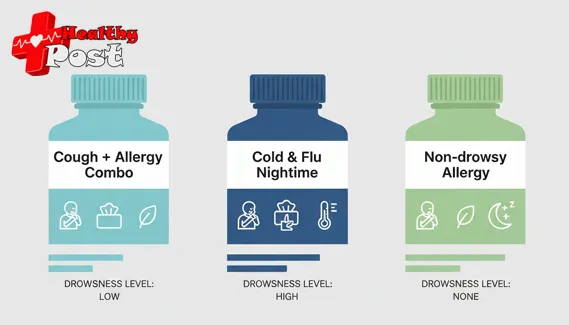
Here’s a simple side‑by‑side look at how Capron DM compares with a popular cold medicine and a non‑sedating allergy option:
| Feature | Capron DM | NyQuil | Loratadine |
|---|---|---|---|
| Active Ingredients | Dextromethorphan + Pyrilamine | Dextromethorphan + Doxylamine + Acetaminophen | Loratadine (antihistamine only) |
| Primary Use | Cough + allergy relief | Broader cold/flu symptoms + fever/pain | Allergy relief only |
| Sedation Risk | High (pyrilamine is sedating) | High (doxylamine is sedating) | Low (non‑sedating) |
| Pain/Fever Relief | No | Yes (acetaminophen) | No |
| Form Options | Liquid and tablets | Mostly liquid capsules/syrup | Tablets, liquid, dissolving tabs |
| OTC Availability | Yes | Yes | Yes |
| Best For | Cough + allergy at same time | Night‑time cold/flu with fever and aches | Daytime allergy control |
This table can help you and your healthcare provider decide if Capron DM is the best match for your symptoms.
FAQs About Capron DM and Safety
1. How often can I safely take Capron DM?
For adults and children 12 years and older, Capron DM is usually taken every 6–8 hours by mouth. Always follow the specific instructions on your product’s label and do not exceed the daily maximum. If symptoms persist more than a few days, consult a healthcare provider.
2. Is Capron DM safe for children under 12?
Use in children under 12 requires medical guidance. Young children are more sensitive to the sedating and neurological effects of both dextromethorphan and pyrilamine. Always discuss dosing with a pediatrician before giving Capron DM to a child.
3. Can I drive after taking Capron DM?
It’s safer to avoid driving or operating machinery until you know exactly how Capron DM affects you. Because pyrilamine can cause significant drowsiness, some people feel too sleepy or dizzy to drive safely, especially in the first few doses.
4. Is capron dm liquid safer than tablets?
Both forms share the same active ingredients and risks. Capron dm liquid may offer more precise dosing, which can help minimize mistakes, especially for those who struggle with pills or need careful dose adjustments. Safety depends more on correct dose and appropriate use than on form.
5. Can I take Capron DM with my antidepressant?
Many antidepressants, especially MAO inhibitors and some that interact with serotonin pathways, can interact with dextromethorphan. This may increase the risk of serotonin syndrome or excessive sedation. Always check with your prescriber or pharmacist before combining Capron DM with any antidepressant.
6. Is Capron DM suitable for chronic cough from smoking?
No. Capron DM is designed for temporary, short‑term cough relief. It is not recommended for chronic cough caused by smoking, asthma, emphysema, or other long‑standing lung problems. In these cases, you should seek medical evaluation for a targeted treatment plan.
Conclusion: Is Capron DM a Safe Choice for Allergy Relief?
When used as directed, for short‑term cough and allergy symptoms, capron dm can be a safe and effective option for many adults and older children. Its strengths include:
- Dual‑action relief for cough and allergy discomfort
- Clear, standardized dosing for capron dm liquid and tablets
- A long history of OTC use with a known safety profile
- Well‑defined side effects and precautions so you can plan ahead
At the same time, it’s important to remember:
- It can cause drowsiness and dizziness, so be cautious with driving or operating machinery.
- It’s not suitable for chronic respiratory conditions like asthma, emphysema, or long‑term smoker’s cough.
- It should never be mixed casually with alcohol or other sedating drugs.
If you’re unsure whether Capron DM, NyQuil, loratadine, or another alternative is safest for your situation, a quick conversation with your pharmacist or doctor can guide you.
If you’d like, I can also help you check local availability and pricing in Pakistan, and compare Capron DM with similar products that may be easier to find near you.
Note: This article is for informational purposes only and should not be considered medical advice. Please consult a qualified healthcare professional for personalized guidance.
2 Comments
Pingback: 7 Powerful Kestine Tablet Uses for Fast Allergy Relief
Pingback: Doxycycline Dosage for Chest Infection How Many Days? Safe Recovery Guide