

Medical Review & Editorial Verification
This clinical guide has been thoroughly inspected, fact-checked, and approved for accuracy by Dr. Sarita Rao, Interventional Cardiologist at Apollo Hospitals. Our global Medical Review Board continuously monitors clinical guidelines to provide safe, evidence-based data.
Contact Reviewer: [email protected] | Editorial Panel: [email protected]

🏥 Medical Review Board Member
Dr. Sarita Rao, FACC, FESC
Senior Interventional Cardiologist | Apollo Hospitals (Indore, India)
Dr. Sarita Rao, FACC, FESC, is a renowned Senior Interventional Cardiologist with over 25 years of distinguished clinical experience in advanced cardiac sciences. Widely recognized as the first female Interventional Cardiologist in Central India, her commitment to evidence-based medicine ensures the highest standards of heart health tracking, diagnostic accuracy, and patient safety.
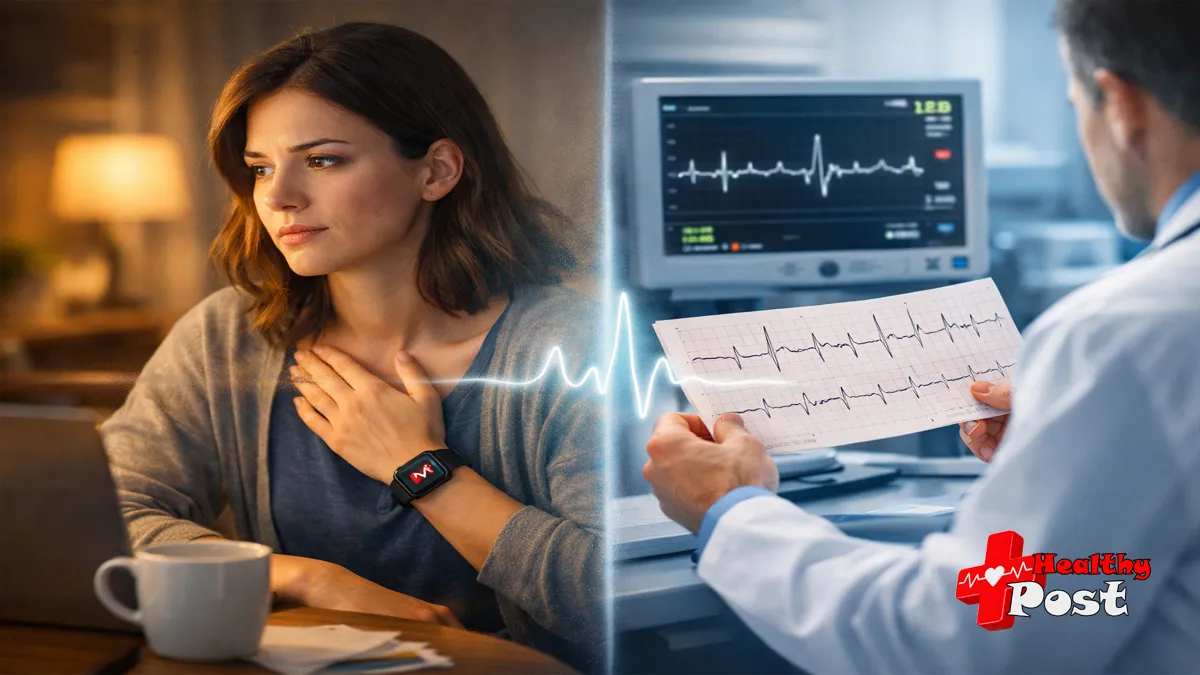
If you have ever searched how to tell the difference between anxiety and heart palpitations, you are not alone. Thousands of people experience a sudden flutter, pounding, or racing heartbeat and immediately fear the worst. The hardest part of this experience is often not the physical sensation itself—it is the overwhelming uncertainty behind it. Is this stress? Is this a panic attack? Or is my heart trying to warn me of an underlying medical emergency?
Heart palpitations can feel incredibly dramatic, even when they are completely benign. Anxiety can trigger a sudden adrenaline rush that shifts your heart rhythm within seconds. However, some palpitations do stem from an organic irregular rhythm, including atrial fibrillation (A-fib) or other cardiac arrhythmias that require professional medical care. Knowing how to distinguish between the two can help you respond calmly and wisely.
Symptoms frequently overlap. Anxiety can cause chest fluttering, a fast resting heart rate (RHR), and chest tightness, but a structural heart condition can mimic those exact signs. That is why this guide focuses on pattern recognition, clinical red flags, and diagnostic tools to help separate psychological triggers from cardiovascular ones.
1. What Heart Palpitations Actually Are
In clinical terms, heart palpitations are the distinct awareness of your own heartbeat. It may feel like your heart is:
- Racing or accelerating rapidly
- Pounding hard against your chest wall
- Fluttering or vibrating
- Skipping beats or thudding irregularly
You may feel these sensations directly in your chest, or radiating up into your throat and neck. Essentially, your heart becomes temporarily impossible to ignore.
It is vital to understand that palpitations are a symptom, not a final diagnosis. They can be triggered by a wide range of everyday lifestyle factors and underlying conditions, including:
- Anxiety or panic disorder
- Excessive caffeine or stimulant intake
- Severe sleep deprivation
- Dehydration and electrolyte imbalances
- Nicotine or alcohol consumption
- Fever or thyroid imbalances (such as hyperthyroidism)
- Cardiac arrhythmias like Atrial Fibrillation (A-fib)
Because the physical sensation can feel identical across different causes, determining how to tell the difference between anxiety and heart palpitations relies heavily on evaluating the wider clinical context.
2. What Do Anxiety Heart Palpitations Feel Like?
When evaluating a patient’s symptoms, a primary question always arises: what do anxiety heart palpitations feel like? Typically, anxiety-driven episodes occur alongside an influx of acute mental or emotional stress.
Common features of an anxiety-induced episode include:
- A rapidly accelerating heart rate that spikes during moments of worry, fear, or panic.
- A strong pounding sensation in the chest while resting quietly or overthinking.
- A fluttering feeling immediately following stressful news or an emotional conflict.
- Skipped-beat sensations triggered by high caffeine intake combined with stress.
- Symptoms that noticeably resolve or ease once you remove yourself from the stressor and calm down.
These episodes frequently strike during work stress, panic attacks, late-night overthinking, or while navigating crowded, overstimulating environments. They are also heavily linked with secondary symptoms of autonomic nervous system overload, such as:
- Profuse sweating or cold palms
- Trembling or shaking hands
- Shortness of breath or hyperventilation
- Mild dizziness or lightheadedness
- Nausea or stomach churning
- Chest tightness or a feeling of constriction
- An overwhelming sense of dread or fear of losing control
During anxiety, your body behaves exactly as if a physical danger is present, initiating a full fight-or-flight response even while you are sitting completely still.
3. Can Anxiety Cause Heart Palpitations All Day?
Another deeply common concern among patients is: can anxiety cause heart palpitations all day? The answer is yes. Chronic anxiety or Generalized Anxiety Disorder (GAD) can keep your body’s stress hormones elevated for hours at a time. This steady stream of adrenaline and cortisol leaves your nervous system hypersensitive, keeping you acutely aware of your heartbeat all day.
This persistent state is most commonly seen in individuals managing:
- Generalized Anxiety Disorder (GAD) or Panic Disorder
- Chronic sleep deprivation
- Heavy daily caffeine or stimulant reliance
- Constant body scanning (habitually checking your pulse or heart rate monitor)
- Ongoing, unresolved emotional or professional stress
This dynamic often creates an anxious feedback loop: a person feels a slight chest flutter, becomes frightened that something is wrong with their heart, and that fear triggers a fresh spike of adrenaline. The adrenaline causes more palpitations, keeping the cycle active for hours.
However, experiencing palpitations “all day” should never be dismissed without proper vetting. If your symptoms are persistent, entirely new, or worsening, a clinical evaluation using an electrocardiogram (ECG / EKG), targeted blood tests, or a wearable Holter monitor is essential to rule out structural cardiac issues. This is especially true for anyone with a history of atrial fibrillation, structural heart disease, or a known low ejection fraction.
4. Clues That Point to Anxiety Rather Than a Heart Disorder
When assessing clinical history, certain distinct patterns strongly suggest that anxiety—rather than an organic heart issue—is the underlying culprit.
Signs That Favor Anxiety-Related Palpitations
- Clear Emotional Triggers: The symptoms spike immediately following worry, fear, an argument, or sensory overstimulation.
- Improvement with Relaxation: Slow, controlled diaphragmatic breathing, resting in a quiet space, or psychological reassurance successfully shortens the episode.
- Nervous System Activation: The heart changes are accompanied by classic panic indicators like trembling, cold sweats, and racing thoughts.
- Normal Medical Testing: Routine clinical exams and diagnostic tracking do not reveal an active cardiac rhythm abnormality.
⚠️ Important Clinical Note: While these patterns are helpful indicators, anxiety and organic heart issues are not mutually exclusive. A person can live with an anxiety disorder and still independently develop a cardiac arrhythmia. We must always look at the objective data.

5. Clues That Point to a Heart Rhythm Problem
Understanding when are heart palpitations serious is the most critical safety component of symptom tracking. Certain specific clinical red flags strongly indicate that a heartbeat abnormality stems from a cardiovascular source rather than anxiety.
Signs Palpitations May Be Cardiac
- No Emotional or Situational Trigger: The physical symptoms begin completely out of the blue, during moments of perfect mental calm.
- Abrupt Onset and Offset: The irregular rhythm starts and stops instantly, like flipping a light switch, rather than building up gradually.
- Markedly Chaotic Rhythm: The heart feels profoundly out of sync, fluttering randomly or skipping beats erratically, rather than just beating fast and steady.
- Syncope or Near-Syncope: The episode causes actual fainting, sudden drop attacks, or severe, room-spinning dizziness.
- Physical Limitations: The palpitations are triggered directly by physical exertion or exercise, rather than emotional stress.
- Accompanying Pain: The flutter is paired with true chest pain, radiating jaw/arm discomfort, or severe, crushing shortness of breath.
These patterns often point toward an irregular rhythm such as atrial fibrillation (A-fib), supraventricular tachycardia (SVT), or other specialized ventricular arrhythmias. According to the American Heart Association (AHA), palpitations paired with fainting, chest pain, or respiratory distress require emergency medical evaluation. Furthermore, data from the CDC emphasizes that leaving irregular rhythms like A-fib untreated can significantly elevate a patient’s long-term stroke risk.
6. Side-by-Side Comparison: Anxiety vs. Heart-Related Palpitations
| Feature | Anxiety-Related Palpitations | Heart-Related Palpitations |
| Primary Triggers | Acute stress, emotional conflict, panic, panic disorder, caffeine, sleep loss. | Often occurs spontaneously without any emotional or situational warning. |
| Sensation Patterns | Typically fast, regular racing, or hard thumping rhythm. | Often felt as highly irregular, erratic fluttering, chaotic rhythms, or sudden pauses. |
| Duration | Lasts minutes to hours; can fluctuate all day depending on your stress levels. | Can be brief, transient bursts or highly persistent episodes requiring medical conversion. |
| Associated Red Flags | Racing thoughts, trembling, sweating, a feeling of globus (lump in throat), chest tightness. | Fainting (syncope), severe localized chest pain, profound shortness of breath, sudden weakness. |
| Response to Calm | Symptoms gradually improve with deep breathing, grounding, and mental rest. | The underlying irregular tracking rhythm usually persists despite relaxation techniques. |
| Diagnostic Testing | Cardiovascular workups, ECGs, and Holter monitor logs return clean and clinically normal. | Specific arrhythmias or structural changes are clearly captured on an ECG or event monitor. |
7. Medical Tests Doctors Use to Tell the Difference
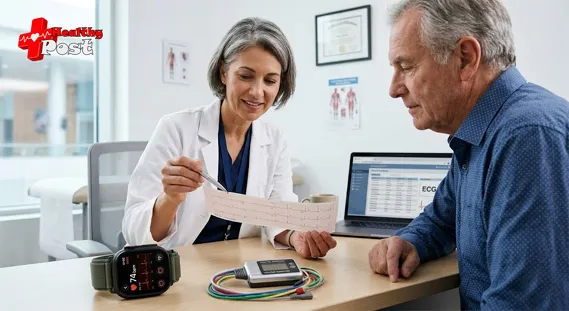
To establish a definitive medical answer, clinical diagnostics are required. Cardiologists rely on several core tools to capture and isolate heart behavior:
- Electrocardiogram (ECG / EKG): A real-time test that records your heart’s electrical activity over a brief window to spot active rhythm irregularities.
- Holter Monitor: A small, wearable external device that continuously records your heart rhythm for 24 to 48 hours as you go about your normal daily routine.
- Event Monitor: An ideal wearable tracking option for patients whose symptoms occur infrequently, allowing them to manually trigger a recording when a flutter begins.
- Comprehensive Blood Panels: Checked by physicians to screen for secondary physiological triggers like severe anemia, electrolyte deficiencies, or acute thyroid dysfunction.
- Echocardiogram: A specialized ultrasound that evaluates the physical, structural chambers, valves, and overall pumping efficiency of the heart muscle.
Modern smartwatches and fitness trackers can also provide helpful heart rate logs. While commercial wearables cannot replace a professional medical diagnosis, they can provide your clinical care team with highly useful timing data to show whether an episode matches a standard rapid heartbeat or a genuinely chaotic arrhythmia.
8. How to Stop Heart Palpitations From Anxiety
Once a physician has thoroughly evaluated your cardiovascular system and ruled out organic conditions, you can focus on mastering how to stop heart palpitations from anxiety. Utilizing targeted, science-backed lifestyle and coping strategies can successfully reset an overactive nervous system:
- Lengthen Your Exhalations: Utilize a controlled breathing pattern, such as inhaling for four seconds and exhaling slowly for six seconds. Sustaining this for just two minutes signals your vagus nerve to slow your heart down.
- Eliminate Central Nervous System Stimulants: Drastically scale back your consumption of artificial energy drinks, excessive caffeine, nicotine, and alcohol, all of which naturally irritate cardiac tissue and mimic panic attacks.
- Prioritize Sleep Architecture: Acute sleep deprivation makes your autonomic nervous system highly reactive, increasing your baseline susceptibility to adrenaline spikes.
- Stabilize Hydration and Blood Sugar: Going long periods without water or skipping meals can cause mild dehydration and sudden low blood sugar drops, both of which trigger compensatory racing heart sensations.
- Implement Grounding Protocols: Engage the 5-4-3-2-1 sensory technique during an acute episode to distract your brain from internal tracking and break the cycle of panic.
- Seek Evidence-Based Therapy: Cognitive Behavioral Therapy (CBT) is highly effective at helping patients reframe physical panic responses and stop habitual heart-monitoring loops.
9. Urgent Care Thresholds: When Are Heart Palpitations Serious?
To summarize when are heart palpitations serious as clearly as possible, you should seek immediate, emergency medical attention if a sudden change in your heart rhythm is accompanied by any of the following symptoms:
- Sudden fainting, collapsing, or near-fainting episodes (syncope)
- Severe chest pain, crushing pressure, or tightness radiating to your jaw, neck, or back
- Profound, sudden shortness of breath where you cannot catch your breath while resting
- Acute confusion, slurred speech, or localized numbness and muscle weakness on one side of your body
- A heart rate that spikes drastically above your normal baseline and refuses to settle after resting
10. Modern Insights in Clinical Practice
Cardiovascular medicine and mental health care are more integrated than ever before:
- The Utility of Wearables: While consumer devices can sometimes cause minor health anxiety via over-monitoring, they are proving highly effective at helping patients capture transient, hard-to-diagnose rhythm anomalies for their doctors to evaluate.
- The Overlap in Diagnosis: The American Heart Association continues to emphasize that early-stage atrial fibrillation is occasionally misdiagnosed as routine panic attacks, leading to treatment delays. Comprehensive monitoring remains the gold standard.
- The Mind-Heart Connection: Public health tracking shows a distinct global rise in stress-induced autonomic palpitations over recent years. Modern cardiology clinics now routinely incorporate mental wellness screening alongside classic physical testing.
Frequently Asked Questions (FAQs)
1. What do anxiety heart palpitations feel like?
They typically manifest as a rapid racing, heavy thumping, or localized fluttering sensation in your chest or throat during periods of emotional stress, often accompanied by panic symptoms like cold sweats or shortness of breath.
2. Can anxiety cause heart palpitations all day?
Yes. Sustained psychological stress keeps your baseline adrenaline elevated, which can make you intensely aware of your heart rate for hours on end. However, any persistent or completely unprovoked symptoms should still be evaluated by a healthcare professional.
3. How to stop heart palpitations from anxiety quickly?
Sit down immediately in a comfortable space, consciously lengthen your exhalations to activate your vagus nerve, sip cool water to stabilize your system, and utilize sensory grounding techniques to lower acute panic.
4. When are heart palpitations serious?
Palpitations require immediate medical evaluation if they occur alongside severe chest pain, unexpected fainting, deep lightheadedness, severe shortness of breath, or if you have an established history of cardiac disease.
5. Can anxiety and A-fib feel similar?
Yes. Both conditions can present as a rapid, fluttering sensation in the chest. Because their physical presentation overlaps, an objective diagnostic test like an ECG or continuous monitor is required to definitively tell them apart.
Conclusion
Learning how to tell the difference between anxiety and heart palpitations is never about guessing based on a single physical sensation—it is about looking closely at your symptom patterns, respecting clear medical red flags, and utilizing objective diagnostic testing. Anxiety-driven episodes are highly real and physically dramatic, but they tend to follow acute emotional triggers, improve with intentional breathing, and occur alongside broader signs of a stressed nervous system. Conversely, heart-related palpitations warrant closer medical investigation when they strike without warning, cause sudden fainting, or appear alongside chest pain and breathing difficulties.
If you have been worried about whether anxiety can cause flutters all day, remember that chronic stress loops can absolutely sustain those symptoms, but an official medical sign-off is the best path to peace of mind. Track your symptoms accurately, avoid continuous self-monitoring, and collaborate openly with your clinical care team to let diagnostic testing guide your path forward.
References
- American Heart Association (AHA): Understanding Heart Palpitations and Arrhythmia Tracking Guidelines.
- Centers for Disease Control and Prevention (CDC): Atrial Fibrillation Signs, Complications, and Stroke Prevention.
- National Heart, Lung, and Blood Institute (NHLBI): Concomitant Symptoms and Diagnostic Protocols for Palpitations.
4 Comments
Pingback: What Do Heart Palpitations Feel Like in Your Throat? When to Worry - HealthPage
Pingback: Cardiologist-Recommended Diet for Heart Health: 9 Core Principles for 2026 -
Pingback: How Do You Know If a Heart Stent Is Blocked Again? Warning Signs -
Pingback: Heart Beat: 3 Proven Ways to Control Heart Rate for Better Health