


🫀 Authored & Clinically Vetted by a Cardiology Specialist
Medical Disclaimer: This expert guide has been authored and clinically compiled under the medical review of Dr. Sarita Rao (Senior Interventional Cardiology, Apollo Hospitals). The information provided throughout this article is strictly for educational, informational, and patient awareness purposes. It does not constitute formal cardiac diagnosis, treatment, or medical advice for your specific clinical condition. Always consult immediately with a qualified cardiologist or healthcare specialist regarding post-angioplasty care, chest pain, or suspected stent complications. If you are experiencing an acute cardiac emergency, please contact your local emergency services without delay.

🏥 Medical Review Board Member
Dr. Sarita Rao, FACC, FESC
Senior Interventional Cardiologist | Apollo Hospitals (Indore, India)
Dr. Sarita Rao, FACC, FESC, is a renowned Senior Interventional Cardiologist with over 25 years of distinguished clinical experience in advanced cardiac sciences. Widely recognized as the first female Interventional Cardiologist in Central India, her commitment to evidence-based medicine ensures the highest standards of heart health tracking, diagnostic accuracy, and patient safety.
A heart stent can feel like a second chance. Many patients tell us they breathe easier after angioplasty, walk farther, and return to routines they feared were gone for good. But when symptoms return, worry often follows fast. The question we hear most often in clinical education is simple: what are the symptoms of a blocked heart stent?
The short answer is this: symptoms of a blocked heart stent often resemble the original signs of reduced blood flow to the heart. Chest pressure. Shortness of breath. Unusual fatigue. Sometimes nausea, sweating, dizziness, or a racing heartbeat. These symptoms may signal coronary artery restenosis symptoms or, more urgently, a clot inside the stent. Both deserve prompt medical attention.
In our medical editorial review of cardiology guidance and patient histories, one pattern appears again and again. People often dismiss early warning signs because they assume the stent should have “fixed” the problem permanently. That delay can be dangerous. If you have new or returning symptoms after angioplasty, especially recurrent angina after angioplasty, it is wise to contact a clinician quickly. This article explains what to watch for, why it happens, and when symptoms may point to an emergency. It also touches on related recovery concerns such as Risks of Coronary Stent Surgery and long-term prevention through a Recommended Diet for Heart Health.
1. Chest pain is the most common warning sign
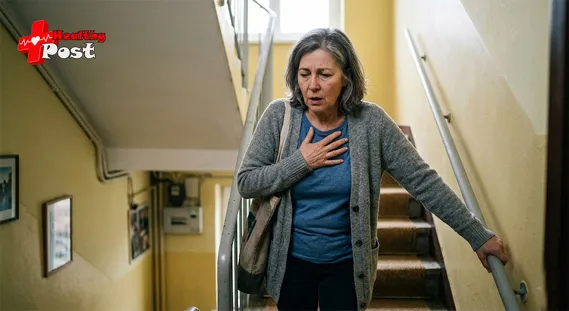
For many people, the first clue is chest pain. It may feel like pressure, squeezing, heaviness, burning, or tightness in the center of the chest. Some describe it as “the same pain I had before my stent.” Others notice a milder but persistent ache during exercise or emotional stress.
This symptom matters because blocked heart stents can reduce blood flow again. When heart muscle does not get enough oxygen, angina often returns.
Common patterns include:
- Pain during walking, climbing stairs, or carrying groceries
- Discomfort that improves with rest, then comes back
- Pressure spreading to the jaw, neck, shoulder, or left arm
- Post-PCI chest tightness that feels new or more frequent
Most studies agree that recurring chest discomfort after stent placement should never be ignored. According to the Cleveland Clinic on in-stent restenosis, scar tissue growth can gradually narrow the treated artery again.
When chest pain suggests an emergency
Not all chest pain is the same. Severe, crushing, or sudden pain can indicate stent thrombosis, a blood clot inside the stent. That is a medical emergency because it can trigger a heart attack within minutes.
🚨 Emergency red flags include:
- Sudden severe chest pain
- Sweating and nausea
- Fainting or near-fainting
- Pain that does not improve with rest
- A feeling of doom or intense weakness
These are also myocardial infarction warning red flags. Call emergency services immediately if they appear.
2. Shortness of breath may be an early clue
Breathlessness can be subtle at first. A patient may say, “I’m not in pain, but I get winded much faster now.” That matters. In some cases, reduced blood flow to the heart does not cause dramatic chest pain. It causes shortness of breath instead.
You may notice:
- Getting breathless during simple tasks
- Needing to stop more often when walking
- Trouble catching your breath lying flat
- Breathlessness that comes with chest pressure or fatigue
This can happen with coronary artery restenosis symptoms, especially when the narrowing develops gradually over weeks or months. It can also occur during a heart attack caused by stent thrombosis.
A practical example: a person who had angioplasty a year ago may suddenly struggle to finish a short walk they handled easily a month earlier. That drop in exercise tolerance may be more important than it seems.
3. Unusual fatigue can signal reduced heart blood flow
Fatigue is easy to overlook. It is also easy to blame on aging, poor sleep, stress, or a busy week. Yet in cardiology practice, persistent unexplained fatigue is often one of the quieter signs of a heart problem.
When a stent begins to narrow again, the heart may work harder to pump blood. That can leave a person feeling drained, weak, or unusually tired after minor activity.
Watch for fatigue that:
- Is new or clearly worsening
- Appears with chest discomfort or breathlessness
- Limits normal daily tasks
- Does not improve with rest
This is especially relevant in older adults and women, who may have less “classic” chest pain and more vague symptoms such as weakness, tiredness, or nausea.
4. Palpitations, dizziness, and sweating can point to trouble
Some patients with a blocked heart stent notice symptoms that feel less specific but still matter. These include palpitations, lightheadedness, cold sweats, and even nausea.
Possible warning signs include:
- Fluttering or irregular heartbeat
- Sudden dizziness
- Feeling faint
- Clammy skin
- Nausea with chest discomfort
These symptoms may occur because the heart is under stress. They are especially concerning when paired with chest pain or shortness of breath. Cardiac stent blood clot signs can present this way, particularly if the clot forms suddenly and limits blood flow severely.
People sometimes mistake these sensations for panic. Anxiety can absolutely cause similar symptoms, and that overlap is real. But chest symptoms after a heart procedure should not be self-diagnosed as stress alone. This is where broader heart education, including Difference Between Anxiety and Heart Palpitations, becomes valuable.
5. The two main causes are restenosis and thrombosis
To understand symptoms, it helps to know the two main forms of stent failure.
In-stent restenosis
This is gradual re-narrowing inside the stent, often caused by coronary tissue scar overgrowth. The artery slowly becomes tighter again, reducing blood flow over time.
Typical features:
- Symptoms return gradually
- Chest tightness during activity
- Reduced stamina
- Breathlessness or fatigue over weeks to months
Restenosis used to be more common with older bare-metal stents. Modern drug-eluting stents lower the risk, but they do not remove it completely.
Risk insight: With newer devices, the risk of re-narrowing is often under 10% in many patient groups, though some reports still estimate clinically relevant recurrence in a notable minority.
Stent thrombosis
This is a blood clot that forms in or near the stent. It is less common, but much more dangerous.
Typical features:
- Symptoms start suddenly
- Severe chest pain
- Sweating, nausea, collapse
- Often a heart attack picture
Emergency statistic: Some reports suggest stent thrombosis carries a high mortality risk and demands immediate treatment.
Drug-eluting stent complications can include both delayed healing and clot-related risks in certain settings, which is why antiplatelet medication adherence is so important.
6. Symptoms can appear months or even years later
One of the most misunderstood facts is timing. Many people think that if a stent problem were going to happen, it would happen right away. That is not always true.
Blocked heart stent symptoms may appear:
- Within weeks
- At 3 to 6 months
- A year later
- Several years after angioplasty
Late symptoms may result from:
- Scar tissue growth
- Blood clot formation
- New plaque buildup in the same area or nearby
- Progression of coronary artery disease elsewhere
A recent talking point in cardiology reporting is that even with improved devices, some patients still experience re-narrowing. You may see figures around 13% re-narrowing in selected populations or reports. The exact number varies by study design, stent type, patient risk factors, and follow-up method. The broader consensus is more important: symptoms that return months or years later still deserve evaluation.
7. Diagnosis usually involves tests, not guesswork
Symptoms alone cannot confirm a blocked stent. Doctors usually combine history, physical examination, ECG findings, blood tests, and imaging.
Common tools include:
| Test | What it helps detect | When it may be used |
|---|---|---|
| ECG | Signs of active heart strain or heart attack | Urgent chest pain evaluation |
| Troponin blood test | Heart muscle injury | Suspected heart attack |
| Stress test | Reduced blood flow during exertion | Ongoing or unclear symptoms |
| CT coronary angiography | Noninvasive artery imaging | Selected stable patients |
| Coronary angiography | Direct view of stent and artery | Strong suspicion or emergency |
| Intravascular ultrasound | Detailed inside-the-artery imaging | During invasive assessment |
For established guidance on chest pain assessment and emergency symptoms, the NHS chest pain guidance is a useful public-facing reference. For medication safety after stent placement, the FDA on coronary stents also provides important background.
8. Treatment depends on the cause and urgency
Treatment is tailored to what doctors find.
If the issue is restenosis, options may include:
- Repeat angioplasty
- A new stent
- Drug-coated balloon treatment
- Medication adjustment
If the issue is stent thrombosis, emergency treatment may include:
- Urgent angiography
- Clot-targeted therapy
- Repeat intervention
- Intensive antiplatelet management
For more severe or complex disease, coronary artery bypass grafting may be considered.
Just as important is prevention of future events. That usually includes:
- Taking antiplatelet medicines exactly as prescribed
- Managing cholesterol with statins
- Controlling blood pressure and diabetes
- Stopping smoking
- Following a heart-supportive eating plan such as a Recommended Diet for Heart Health
- Keeping scheduled cardiology follow-ups

9. What patients often miss: subtle changes in daily life
In our review of patient stories and follow-up patterns, the most overlooked warning sign is change. Not dramatic collapse. Change.
Examples include:
- You used to walk 20 minutes. Now 5 minutes feels hard.
- You feel chest pressure only when carrying laundry upstairs.
- You are more tired at the end of the day than usual.
- You notice breathlessness that slowly worsens.
- You feel a vague heaviness you cannot explain.
These subtle shifts may be the early phase of recurrent angina after angioplasty. They are easy to rationalize away. They are also worth documenting and reporting.
A simple symptom diary can help:
- When did symptoms start?
- What triggers them?
- How long do they last?
- Do rest or medications help?
- Are they getting worse?
That information often helps cardiology teams decide how urgent evaluation needs to be.
FAQs
Can a blocked stent feel the same as the original blockage?
Yes. Many people describe the same pattern of chest pressure, breathlessness, or fatigue they had before angioplasty. That is why recurrent symptoms deserve prompt review.
How long after a stent can blockage happen?
It can happen within weeks, months, or even years. Coronary artery restenosis symptoms often develop gradually, while clot-related problems may occur suddenly.
Are all chest symptoms after angioplasty dangerous?
Not always. Some discomfort can have non-cardiac causes. But new or returning chest pain after a stent should be assessed by a clinician, especially if it is worsening or paired with breathlessness, sweating, or nausea.
What are the cardiac stent blood clot signs?
Sudden severe chest pain, sweating, nausea, dizziness, collapse, and shortness of breath are key cardiac stent blood clot signs. These may point to a heart attack and require emergency care.
Can lifestyle changes really lower the risk?
Yes, they may help reduce future risk. Quitting smoking, taking medicines as prescribed, controlling diabetes, and following a Recommended Diet for Heart Health are all part of standard long-term care.
Could anxiety cause similar symptoms?
Yes, anxiety can mimic some sensations such as palpitations, chest tightness, or breathlessness. But after a heart stent, symptoms should not be assumed to be anxiety without proper evaluation. Resources like Difference Between Anxiety and Heart Palpitations can help patients understand the overlap.
Conclusion
So, what are the symptoms of a blocked heart stent? The most common signs are chest pain, shortness of breath, fatigue, palpitations, dizziness, and sweating. Sometimes symptoms build slowly, as in coronary tissue scar overgrowth and restenosis. Sometimes they strike suddenly, as with a clot. Either way, they matter.
The clearest message from clinical guidance is simple: do not ignore returning symptoms after angioplasty. Post-PCI chest tightness, reduced exercise tolerance, or recurrent angina after angioplasty may be the body’s early warning system. Early evaluation can prevent bigger complications, including heart attack.
If you or someone you care for notices possible symptoms of a blocked heart stent, seek medical advice promptly. And if symptoms are sudden, severe, or accompanied by collapse, call emergency services right away. Ongoing follow-up, medication adherence, awareness of Risks of Coronary Stent Surgery, and attention to everyday changes can make a meaningful difference. ❤️
References
- Cleveland Clinic: in-stent restenosis
- NHS: chest pain
1 Comment
Pingback: Widowmaker Heart Attack: Symptoms, Causes, Survival Guide