

Close Menu

    Subscribe to Updates

    Get the latest creative news from FooBar about art, design and business.

    What's Hot

    How Do You Know If a Heart Stent Is Blocked Again? Warning Signs

    June 25, 2026

    What Is a Newborn Sucking Blister? Clinical Causes and Treatment

    June 24, 2026

    Are Skin Tag Removal Kits Safe? Dermatologist Guidance, Risks vs. Benefits

    June 23, 2026
    Facebook X (Twitter) Instagram
    • About Us
    • Contact Us
    • Our Medical Review Board & Expert Contributors
    • Cancer
    • Cardiology
    • Dental
    • General Disease
    • Gyne
    • Healthy food
    • Medicine
    • Orthopedics
    • Skin
    Button
    Home » Are urine test strips accurate?
    Patient Education

    Are urine test strips accurate?

    AdminBy AdminMarch 21, 2024Updated:May 18, 20261 Comment5 Mins Read
    Share Facebook Twitter Pinterest LinkedIn Tumblr Reddit Telegram Email
    urine test strips
    Are urine test strips accurate?
    Share
    Facebook Twitter LinkedIn Pinterest Email

    If you have obesity, low back pain, edema, frequent urination, urgent urination, painful urination, foamy urine, turbid urine, etc., or have been diagnosed with high blood pressure, diabetes, kidney disease, or have been taking medicine for a long time, and you are worried that something is wrong with your body, but you cannot go to the hospital for examination in time, what to do? Now, you can test your urine at home. Through early detection and timely treatment of diseases, the occurrence of major diseases can be prevented or reversed. In this article you can get knowledge about urine test strips and how to use it.
    urine test strips
    urine test strips

    1. What is the self-examination urine test?

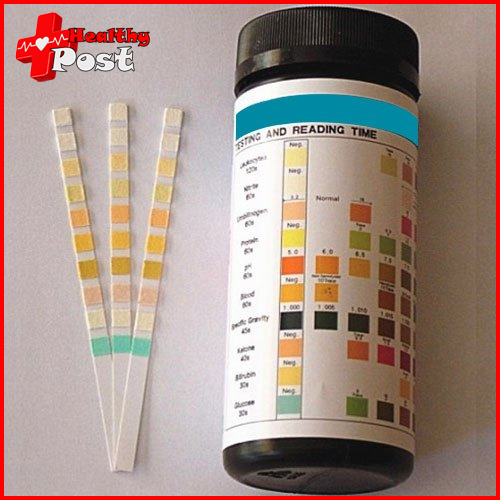
    As shown in the picture above, a citizen self-examined at home and found that his urine sugar was 4+. He had no symptoms except obesity before. Later, he went to the hospital for a re-examination and was diagnos with diabetes. Due to early detection, through diet and medication adjustment, fasting blood sugar was soon controlled from 10+ to less than 6. So, under what circumstances do you need to self-test your urine?

    (1) Kidney disease monitoring

    People who have symptoms such as foamy urine, thick urine, turbid urine, low back pain, edema, etc., or people with chronic diseases such as high blood pressure, or those who take medicine for a long time, need to be alert to kidney damage and pay attention to protein in the urine. Persistent proteinuria should be consider pathological. For confirmed kidney diseases, such as acute and chronic nephritis, kidney stones, etc., changes in urinary protein can be continuously monitor, and indicators of urinary occult blood can also be monitor at the same time.

    (2) Obesity and diabetes monitoring

    Obesity, polyphagia, and unexplained weight loss require urine glucose testing as soon as possible. If you have been diagnose with diabetes, you need to prevent early diabetic kidney damage. If kidney damage can be detect in time, it can be treat as early as possible to prevent kidney failure and uremia. People with diabetes can use 4-item urine test strips to monitor 4 indicators of urine glucose, microalbumin, ascorbic acid, and creatinine. If your blood sugar continues to fail to drop, diabetics need to increase urinary ketone body monitoring to prevent ketoacidosis.

    (3) Urinary tract infection monitoring

    If you have symptoms such as frequent urination, urgent urination, and painful urination, you can use test strips to measure two indicators: white blood cells and nitrite. If a urinary tract infection has been diagnose, in addition to continuous monitoring of changes in white blood cells and nitrite, urine occult blood indicators can also be monitor at the same time.

    (4) Weight loss and monitoring of pregnant women

    Urinary ketone bodies are intermediate products of fat metabolism. People who lose weight, such as after dieting and exercising, can measure ketone bodies in their urine to determine whether there is fat metabolism. For weight loss, diabetes and pregnant women, it is recommend to monitor urinary ketones.

    (5) Regular self-examination

    If you don’t have particularly obvious symptoms and want to self-test your health regularly. Use 14-item urine test strips, which are individually package and ready to use to avoid expiration after opening the bottle (usually the validity period is 1 month after opening the bottle) . For people who are obese, have underlying diseases, or have a family history of the four high blood pressures (hyperglycemia, hypertension, hyperlipidemia, and hyperuric acid), early and regular monitoring is recommend. If you don’t know how to choose the specifications, just use 14-item urine comprehensive screening.

    2. Is the urine test paper dry chemical method accurate?

    The chemical components in urine can change the color of urine test strips. Usually the color depth is directly proportional to the concentration of the corresponding substance in urine. Therefore, urine test strips can not only indicate whether urine contains certain components, but also indicate the content through the color depth.

    For hospital testing, a urine dry chemical analyzer is use to automatically interpret the color of the test paper after the reaction. Home self-test is just a manual visual test of paper color. The test strips used by both are the same.

    As shown below, the 14-item urine test strip self-test items and the hospital’s fully automatic urine dry chemistry analyzer test report chart are for reference.

    3. How to use urine test strips?

    Urine self-examination allows you to collect urine at any time, without the need for needles, painless, non-invasive, easy to operate, and suitable for long-term and continuous health monitoring. It only takes about 1 minute to interpret the results. It really takes just one extra look when urinating to get a urine test. The specific operation is three steps:

    Step one: Take urine. Use a clean container, such as a urine cup, disposable water cup, etc., to collect urine from the midsection.

    Step 2: Put the test strip. Completely immerse the urinalysis test strip in the urine for 1-2 seconds, take it out, place it on absorbent paper to remove excess urine, and then lay it flat.

    Step 3: Compare the color cards and interpret the results.
    Heart
    8 ways to keep your heart healthy
    Editorial Notice & Disclaimer: All material published on this platform is curated strictly for general educational and healthcare informational purposes. Content should not be interpreted as professional medical advice, official diagnosis, or a definitive treatment protocol. We strongly advise consulting a licensed physician or qualified healthcare provider regarding any specific medical concerns or health choices.

    Admin
    Website |  + postsBio ⮌
    • Admin
      Apple Juice Benefits: 8 Proven Health Boosts and 3 Hidden Downsides
    • Admin
      5 Proven Benefits of Invokana Generic for Diabetes Care
    • Admin
      7 Powerful Reasons Why Capron DM Is a Safe Choice for Allergy Relief
    • Admin
      10 Proven Ways on How to Relax Without Stress
    Share. Facebook Twitter Pinterest LinkedIn Tumblr Email
    Previous Article8 ways to keep your heart healthy
    Next Article You need to know about the JN.1 variant of the new coronavirus

    Related Posts

    Patient Education

    What Is a Newborn Sucking Blister? Clinical Causes and Treatment

    June 24, 2026
    Patient Education

    What Is a Zip Stitch? How It Works vs. Stitches and Butterfly Bandages

    June 22, 2026
    Patient Education

    Fiber vs. Protein: Which Is More Important for human health ?

    June 14, 2026
    View 1 Comment

    1 Comment

    1. Pingback: You need to know about the JN.1 variant of the new coronavirus

    Leave A Reply Cancel Reply

    You must be logged in to post a comment.

    Recent Posts
    • How Do You Know If a Heart Stent Is Blocked Again? Warning Signs
    • What Is a Newborn Sucking Blister? Clinical Causes and Treatment
    • Are Skin Tag Removal Kits Safe? Dermatologist Guidance, Risks vs. Benefits
    • Cardiologist-Recommended Diet for Heart Health: 9 Core Principles for 2026
    • What Is a Zip Stitch? How It Works vs. Stitches and Butterfly Bandages
    Top Posts

    What are the effects of smoking on the lungs?

    March 7, 2024

    What are the causes of headaches? How to prevent it in daily life?

    April 11, 2024

    cardiovascular disease, can do these 4 things, and blood vessels can stay young.

    April 18, 2024
    Latest Reviews
    Most Popular

    How Do You Know If a Heart Stent Is Blocked Again? Warning Signs

    June 25, 2026

    What Is a Newborn Sucking Blister? Clinical Causes and Treatment

    June 24, 2026

    Are Skin Tag Removal Kits Safe? Dermatologist Guidance, Risks vs. Benefits

    June 23, 2026

    Cardiologist-Recommended Diet for Heart Health: 9 Core Principles for 2026

    June 22, 2026

    What Is a Zip Stitch? How It Works vs. Stitches and Butterfly Bandages

    June 22, 2026

    Our Medical Board

    Our health platform content is written, reviewed, and vetted by a dedicated board of licensed clinicians and specialists to guarantee clinical accuracy.

    • Dr. Paul Hofmann ENT & Otolaryngology Helios Hospital ↗
    • Dr. Jacob Cote, MD Dermatology Specialist The Ottawa Hospital ↗
    • Dr. Yichen Xu Medical Oncology SYSU Cancer Center ↗
    • Dr. Sana Lodhi, MBBS General Medicine LUMHS Hospital ↗
    • Dr. Wang Zhixin Gynecology & Maternal Shenzhen Women's Hosp ↗
    • Dr. John Ma Orthopaedic Surgery Royal Brisbane Hosp ↗
    • Dr. Sarita Rao Interventional Cardiology Apollo Hospitals ↗
    • Dr. Sharmila Rathi Pediatrics & Child Care Sir JJ Hosp Mumbai ↗
    • Dr. He Feng Urology & Andrology Bohe Medical Profile ↗
    • Dr. Akram Chang Cardiovascular Care Gulab Devi Hospital ↗
    • Dr. Liping Shen Gyneclinic Oncology Peking Uni Int Hosp ↗
    • Dr. Suleman Khan Dental Surgery Govt Dental College ↗
    Our Picks

    How Do You Know If a Heart Stent Is Blocked Again? Warning Signs

    June 25, 2026

    What Is a Newborn Sucking Blister? Clinical Causes and Treatment

    June 24, 2026

    Are Skin Tag Removal Kits Safe? Dermatologist Guidance, Risks vs. Benefits

    June 23, 2026

    Cardiologist-Recommended Diet for Heart Health: 9 Core Principles for 2026

    June 22, 2026

    What Is a Zip Stitch? How It Works vs. Stitches and Butterfly Bandages

    June 22, 2026
    Facebook X (Twitter) Instagram Pinterest
    • About Us
    • Contact Us
    • Disclaimer
    • Our Medical Review Board & Expert Contributors
    • Terms and Conditions
    • Write for Us
    © 2026 Healthy Post. All Rights Reserved.

    Type above and press Enter to search. Press Esc to cancel.