


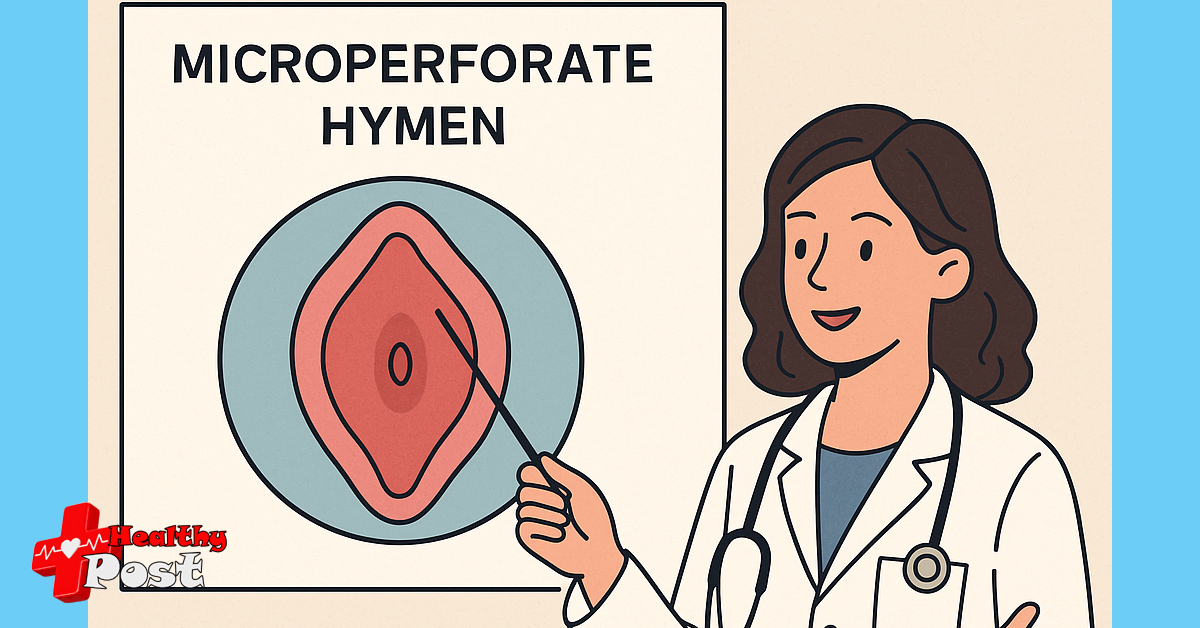
A microperforate hymen is a rare condition affecting the hymen in young girls and women. It occurs when the hymen has only a very small opening. This small hole makes it hard or impossible for menstrual blood to flow out properly. It can also cause problems with tampon use or other vaginal health concerns.
The microperforate hymen is a congenital condition. That means a girl is born with it. Many people may not notice it until puberty begins. When periods start, blood may build up behind the hymen. This causes pain and swelling. If untreated, it can lead to infections or fertility problems.
Understanding the microperforate hymen is very important. It helps in early diagnosis and correct care. Girls and women with this condition need proper support. Timely treatment can prevent long-term issues. It can also improve quality of life and comfort.
This guide explains everything you need to know about microperforate hymen diagnosis and care. We cover what it is, how it is diagnosed, and what treatment options exist. We also share aftercare tips and common myths. Our goal is to give you clear and simple facts.
Why Understanding the Microperforate Hymen Matters
| Issue | Effect on Health |
|---|---|
| Blocked menstrual flow | Pain, swelling, infections |
| Difficulty using tampons | Discomfort, hygiene concerns |
| Delayed diagnosis | Complications and emotional stress |
| Lack of awareness | Missed early treatment opportunities |
This article is for everyone who wants to learn about the microperforate hymen. Whether you are a patient, parent, or healthcare worker, you will find useful help here.
Let’s begin your journey to better knowledge and care for the microperforate hymen.
What is a Microperforate Hymen?
Simple Definition of Microperforate Hymen
A microperforate hymen is a thin layer of tissue with a very small opening in the center. It partly blocks the vaginal opening. Girls with this condition are born with it. The tiny hole is often too small for normal menstrual flow or tampon use.
How a Microperforate Hymen Forms
The hymen forms in the womb during early development. Normally, it has a natural opening before birth. This allows fluids to pass out of the vagina. In a microperforate hymen, this opening stays too small. The cause is usually unknown. It is not caused by injury, infection, or any outside factor.
This is a congenital condition. That means it happens before birth. The tissue doesn’t open properly during development. This results in a nearly sealed hymen with just a pinhole-sized opening.
Differences Between Microperforate Hymen and Other Hymen Abnormalities
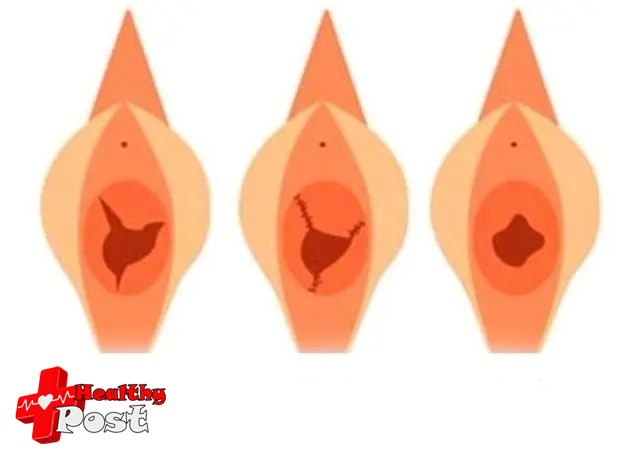
There are several types of hymen abnormalities. The microperforate hymen is just one of them. Here’s a simple comparison:
| Type of Hymen Abnormality | Description | Menstrual Flow | Tampon Use |
|---|---|---|---|
| Microperforate Hymen | Very small opening | Difficult or blocked | Usually impossible |
| Imperforate Hymen | No opening at all | Completely blocked | Impossible |
| Septate Hymen | Two small openings separated by extra tissue | May be difficult | Often uncomfortable |
| Normal Hymen | One central opening with flexible tissue | Normal | Normal |
The microperforate hymen is different because it allows very little flow. It may go unnoticed until puberty. It’s often diagnosed when menstrual problems or discomfort occur.
Understanding these differences helps in accurate diagnosis and proper treatment. Early attention to a microperforate hymen can prevent health and emotional issues later.
Symptoms of Microperforate Hymen
Common Physical Symptoms of Microperforate Hymen
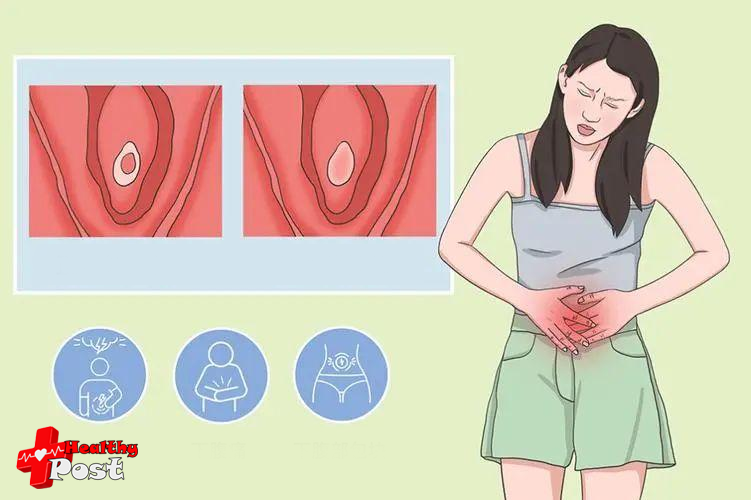
A microperforate hymen may not cause symptoms until puberty. Once periods begin, symptoms become more noticeable. Here are the most common physical signs:
- Difficulty inserting tampons
- Vaginal pain or pressure
- A feeling of fullness in the lower belly
- Lower abdominal cramps
- Irregular or absent periods
- Blood spotting without normal flow
- Swelling near the vaginal opening
These symptoms happen because the small hole in the hymen prevents normal blood flow.
Menstrual Challenges Caused by Microperforate Hymen
Menstruation can be difficult with a microperforate hymen. The tiny opening does not let menstrual blood pass easily. This can cause:
- Painful periods (dysmenorrhea)
- Slow, irregular, or incomplete flow
- Blood pooling behind the hymen
- Possible infection from trapped blood
- Inability to use menstrual products like tampons
These issues may lead to repeated doctor visits. Often, the cause is not found right away, delaying proper treatment.
Psychological Impact of Microperforate Hymen Symptoms
The microperforate hymen can cause emotional stress. Many girls feel confused or worried when symptoms appear. Common feelings include:
- Embarrassment about unusual menstrual problems
- Anxiety over not being able to use tampons
- Fear of something being wrong with their body
- Stress due to lack of answers after medical visits
- Low self-esteem or body image issues
A delayed diagnosis can make things worse. Many young women feel scared or helpless when they don’t get clear information. With support, proper diagnosis, and treatment, both physical and emotional health can improve.
Early recognition of microperforate hymen symptoms is important. It leads to faster care and less emotional distress.
Causes of Microperforate Hymen
Congenital Origins of Microperforate Hymen
A microperforate hymen is a condition present at birth. It forms when the hymen does not develop normally during pregnancy. Normally, the hymen creates a small, central opening before birth. This opening allows natural vaginal discharge to pass out.
In the case of a microperforate hymen, this process is incomplete. The hymen forms, but the opening remains too small. This happens in the womb and is not caused by anything the mother did or didn’t do during pregnancy.
Role of Genetic and Developmental Factors
The exact cause of a microperforate hymen is not fully known. However, doctors believe that developmental changes in the embryo are responsible. During early fetal growth, the vaginal canal and hymen form from special tissues. If these tissues do not separate properly, the hymen may remain almost sealed.
There may also be a genetic component. Sometimes, a microperforate hymen may run in families. This suggests that certain genes could affect how the hymen forms. Still, no specific gene has been clearly linked to the condition.
So far, medical research has not identified environmental or lifestyle factors that cause it. It is simply a rare variation in human development.
The Rarity of Microperforate Hymen
A microperforate hymen is considered a rare condition. Most girls are born with a hymen that has a normal-sized opening. Only a small number have hymenal abnormalities like this.
| Hymen Condition | Occurrence Rate |
|---|---|
| Normal Hymen | Very Common |
| Imperforate Hymen | 1 in 2,000 girls |
| Microperforate Hymen | Less common than imperforate |
| Septate Hymen | Rare |
Though rare, the condition can have a big impact on health and comfort. Understanding the causes helps people seek timely care. Early diagnosis of a microperforate hymen can lead to simple and effective treatment.
How is Microperforate Hymen Diagnosed?
Physical Examination by Healthcare Professionals
A microperforate hymen is usually diagnosed through a careful physical exam. A doctor or gynecologist examines the vaginal opening. They check for abnormalities in the hymen’s structure.
Because the opening is very small, it may be hard to see at first. In many cases, a young girl or teenager visits the doctor due to menstrual problems. If she cannot insert a tampon or has irregular periods, the doctor may suspect a microperforate hymen.
A pelvic exam may be done. This is often gentle and guided by the patient’s age and comfort. In some cases, the exam may be delayed until the patient is ready or under anesthesia.
Diagnostic Tests and Their Importance
In addition to a physical exam, doctors may use imaging tests. These tests help confirm the diagnosis:
- Ultrasound: Used to check for buildup of menstrual blood behind the hymen.
- MRI: May be used in rare or unclear cases. It gives a detailed view of the reproductive organs.
- Light examination: A small light may be used to better see the hymenal opening.
These tests are important because they help rule out other conditions. Some vaginal or uterine problems can look similar to a microperforate hymen. Clear diagnosis is the first step toward safe treatment.
Common Signs Noticed During Diagnosis
Doctors look for certain signs when diagnosing a microperforate hymen:
- A very small central hole in the hymen
- Swelling or bulging tissue near the vaginal opening
- Old or trapped blood seen during the exam
- Reports of painful or blocked periods
- Difficulty with tampon insertion
When these signs are present, and the tests confirm them, a diagnosis is made. Early detection of a microperforate hymen ensures better treatment and prevents further complications.
Treatment Options for Microperforate Hymen
Minor Surgical Procedures to Correct Microperforate Hymen
The most common and effective treatment for a microperforate hymen is a minor surgery called hymenectomy. This procedure is safe and simple. It involves making a small cut in the hymen to widen the opening.
Doctors perform this surgery under local or general anesthesia. It usually takes less than an hour. The goal is to create a normal-sized vaginal opening to allow proper menstrual flow and tampon use.
The procedure often involves:
- Enlarging the hymenal opening
- Removing extra tissue if needed
- Using dissolvable stitches for healing
This surgery does not affect a woman’s ability to have children in the future.
Importance of Seeking Professional Medical Advice
If you suspect a microperforate hymen, always consult a doctor. Self-diagnosis is not safe or accurate. Only a medical professional can confirm the condition through proper examination.
Delaying treatment can lead to:
- Severe menstrual pain
- Infection from trapped blood
- Emotional stress and anxiety
Talking to a healthcare provider ensures the right care. Early diagnosis and treatment lead to faster recovery and fewer health risks.
Post-Treatment Care and Recovery Tips
After surgery for a microperforate hymen, most girls and women recover quickly. Full healing often takes a few weeks. Here are common post-care steps:
- Rest for a day or two after the procedure
- Avoid strenuous physical activity for a week
- Keep the area clean and dry
- Use only doctor-approved pain relief
- Follow up with your doctor as advised
Some light spotting or mild discomfort is normal after surgery. Most patients return to normal activities, including school or work, within a few days.
Proper care after treatment prevents infection and supports healing. Always follow your doctor’s advice closely. Early treatment and recovery from a microperforate hymen can greatly improve comfort and quality of life.
Complications if Left Untreated
Health Risks of Untreated Microperforate Hymen
If a microperforate hymen is not treated, it can lead to several health issues. The small hymenal opening may block normal menstrual flow. Over time, this causes blood to build up inside the vagina and uterus.
Common health risks include:
- Hematocolpos (blood trapped in the vagina)
- Hematometra (blood trapped in the uterus)
- Severe abdominal pain
- Urinary problems from pressure on the bladder
- Infections due to old blood accumulation
These problems can grow worse if not addressed early.
Long-Term Effects on Menstrual and Reproductive Health
A microperforate hymen can have lasting effects on reproductive health. Blocked periods can lead to chronic pelvic pain. If the condition continues untreated, it may affect:
There is also a risk of long-term fertility problems. Severe blood buildup can damage internal reproductive organs if ignored.
In rare cases, untreated conditions may require more complex surgeries. Early treatment helps prevent permanent damage.
Importance of Timely Medical Intervention
Timely diagnosis and treatment of a microperforate hymen are critical. Many girls feel shy about discussing menstrual issues. However, seeking help early avoids serious health risks.
Key benefits of early intervention include:
- Pain relief
- Regular menstrual flow
- Reduced risk of infection
- Preserved reproductive health
- Improved emotional well-being
Parents and caregivers should support open conversations. If a girl experiences blocked periods or tampon difficulties, a doctor should evaluate her immediately.
A microperforate hymen is treatable. With timely care, girls can live healthy and normal lives without long-term complications.
FAQs About Microperforate Hymen
What is a microperforate hymen?
A microperforate hymen is a hymenal abnormality where the opening is extremely small. This condition can block menstrual flow and prevent tampon use.
How is a microperforate hymen different from other hymen types?
A microperforate hymen has a tiny opening, unlike an imperforate hymen (no opening) or septate hymen (extra tissue band). All are congenital but require different treatments.
Can a microperforate hymen cause pain during periods?
Yes. It can cause pain, pressure, or discomfort due to blocked or slow menstrual flow. Blood may get trapped inside, leading to cramps or swelling.
Is a microperforate hymen dangerous?
While not life-threatening, it can cause complications if untreated. These include infections, blocked periods, and reproductive health issues.
Can I use tampons if I have a microperforate hymen?
Most women with a microperforate hymen cannot insert tampons due to the small opening. Attempting to do so may cause pain or injury.
Will surgery affect my fertility?
No. Surgery to correct a microperforate hymen is minor and safe. It does not harm your reproductive organs or future fertility.
Is the condition common?
A microperforate hymen is rare. Many women don’t know they have it until they face issues with periods or tampon use.
Can it be diagnosed at birth?
Usually not. It is often discovered during puberty when menstrual issues appear. A doctor can diagnose it through an exam or imaging.
Who should I contact if I suspect I have this condition?
See a gynecologist or a healthcare provider. They will perform an exam and guide you on treatment.
Where can I get more information?
Trusted health websites, medical professionals, and clinics can provide clear details. Don’t hesitate to ask your doctor if you have concerns about a microperforate hymen.
Living with Microperforate Hymen
Coping with Physical and Emotional Challenges
Living with a microperforate hymen can be both physically and emotionally difficult. Many women experience pain during periods or frustration when using tampons. The small hymenal opening can make daily life uncomfortable and confusing, especially before diagnosis.
Emotionally, some may feel isolated or embarrassed. The delay in diagnosis can lead to stress and anxiety. It’s important to know that this condition is not your fault. It’s a natural developmental issue that can be treated successfully.
Helpful coping strategies include:
- Keeping a period diary to track symptoms
- Using heating pads or doctor-recommended pain relief
- Talking to a counselor or therapist for emotional support
- Learning about the condition to feel more in control
Understanding that the condition is manageable brings comfort and confidence.
Importance of Supportive Family and Friends
A strong support system makes a big difference when dealing with a microperforate hymen. Parents, caregivers, or partners should be kind and understanding. Their support helps reduce stress and allows the person to feel safe.
Talking openly with loved ones builds trust and confidence. Supportive family and friends can also help schedule doctor visits or accompany the person for care. This emotional backup helps in both diagnosis and recovery.
Educating close friends or family about the condition can improve their response. Compassion and patience are key.
Resources for Care and Support
Several resources can help women living with a microperforate hymen:
| Resource Type | Description |
|---|---|
| Gynecologist visits | For diagnosis, treatment, and follow-up care |
| Therapists | For coping with stress, anxiety, or body image issues |
| Support groups | Online forums and communities for shared experiences |
| Health websites | Reliable info from sites like Mayo Clinic or WebMD |
| School nurses | For teens needing guidance and help with symptoms |
No one needs to face this condition alone. With the right support and medical care, life after a microperforate hymen diagnosis can be healthy and fulfilling.
Conclusion
A microperforate hymen is a rare but treatable condition that affects many women’s health and well-being. It forms during fetal development and causes a very small opening in the hymen. This can lead to painful periods, blocked menstrual flow, and difficulty using tampons.
We discussed how this condition is diagnosed through physical exams and confirmed with medical imaging. Treatment is simple and safe, usually involving a minor surgical procedure. Recovery is quick, and the results greatly improve comfort and health.
If left untreated, a microperforate hymen can cause serious complications like infections, pain, and long-term reproductive problems. That’s why recognizing symptoms and seeking medical advice early is so important.
Living with this condition can be emotionally challenging, but support from family, friends, and medical professionals makes a big difference. There are also many helpful resources and communities available for guidance and comfort.
If you or someone you know is facing symptoms of a microperforate hymen, don’t wait. Talk to a doctor. Timely care not only relieves symptoms but also protects future reproductive health.
With proper diagnosis and treatment, girls and women can live normal, healthy lives. Empower yourself with knowledge and don’t hesitate to seek help.

1 Comment
Pingback: The results of pelvic ultrasound and POP-Q inconsistent? - Healthy Post