

Close Menu

    Subscribe to Updates

    Get the latest creative news from FooBar about art, design and business.

    What's Hot

    Clinical Benefits of Functional Foods for Metabolic Health: An Expert Guide

    July 1, 2026

    Early Signs of Lupus: 7 Crucial Symptoms to Watch For (2026 Guide)

    June 28, 2026

    How Do You Know If a Heart Stent Is Blocked Again? Warning Signs

    June 25, 2026
    Facebook X (Twitter) Instagram
    • About Us
    • Contact Us
    • Our Medical Review Board & Expert Contributors
    • Cancer
    • Cardiology
    • Dental
    • General Disease
    • Gyne
    • Healthy food
    • Medicine
    • Orthopedics
    • Skin
    Button
    Home » As long as lung nodules show these symptoms, the possibility of lung cancer can basically be ruled out.
    Patient Education

    As long as lung nodules show these symptoms, the possibility of lung cancer can basically be ruled out.

    AdminBy AdminFebruary 1, 2025Updated:May 19, 20261 Comment4 Mins Read
    Share Facebook Twitter Pinterest LinkedIn Tumblr Reddit Telegram Email
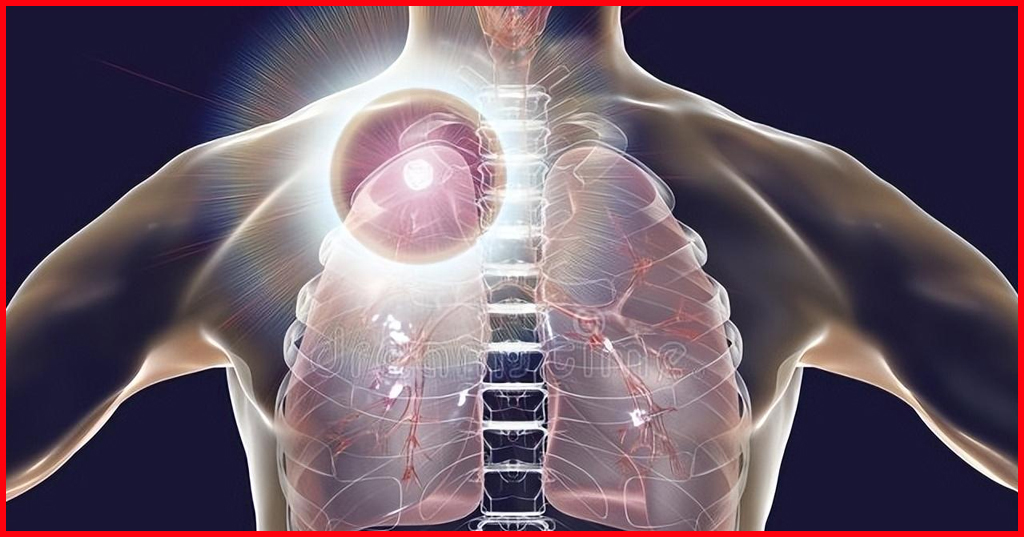
    lung nodules
    Share
    Facebook Twitter LinkedIn Pinterest Email

    The benign or malignant nature of lung nodules is an elusive issue. Even the most skilled doctors cannot guarantee the nature of the nodules based on a CT scan. Even if a malignant nodule is found to be benign after surgery, there are some symptoms that, once they appear, can rule out the possibility of lung cancer. Let’s take a look at what these symptoms are.
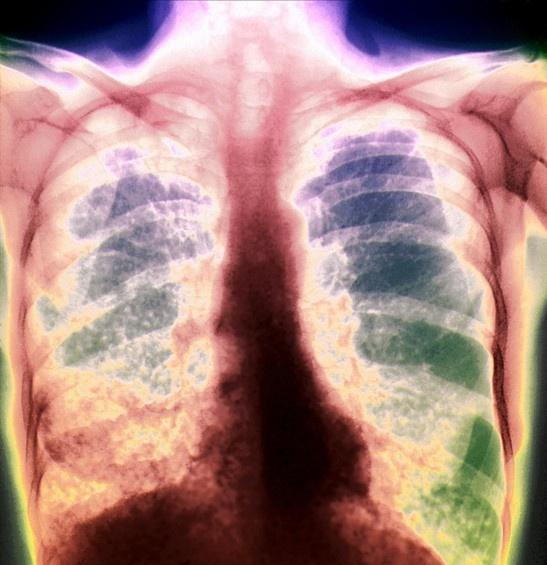
    File Photo
    File Photo

    Nodules that grow too fast

    The rapid growth of nodules is not a sign of malignancy but rather a benign sign. We know that lung cancer starts with the malignant transformation of a single cell, and the growth process is slow and steady. It will neither shrink nor suddenly grow a lot. For example, if it doubles in size in a week, the possibility of malignancy can basically be ruled out. However, some benign nodules are different, especially nodules caused by fresh inflammation, which sometimes grow very large all of a sudden. Generally speaking, different types of lung cancer grow at different rates. For example, the most malignant small cell lung cancer takes 30-90 days to double in size, while the slower growing squamous cell carcinoma takes about 60-180 days to double in size.
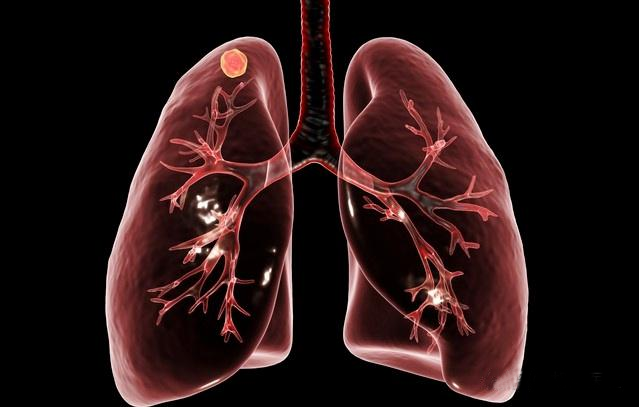
    Lungs

    Unchanged nodules

    If the nodule does not change, the possibility of malignancy can be ruled out. Generally speaking, if it does not change for more than 5 years, the possibility of malignancy is very small. Lung cancer cells and the human body are in a life-and-death relationship. It is impossible for them to stop growing for a lifetime. They will always grow from one to two, and two to four. Although there is a slow growth stage, they will eventually grow faster and faster, eventually metastasize and spread to other organs, causing the person to lose his life.
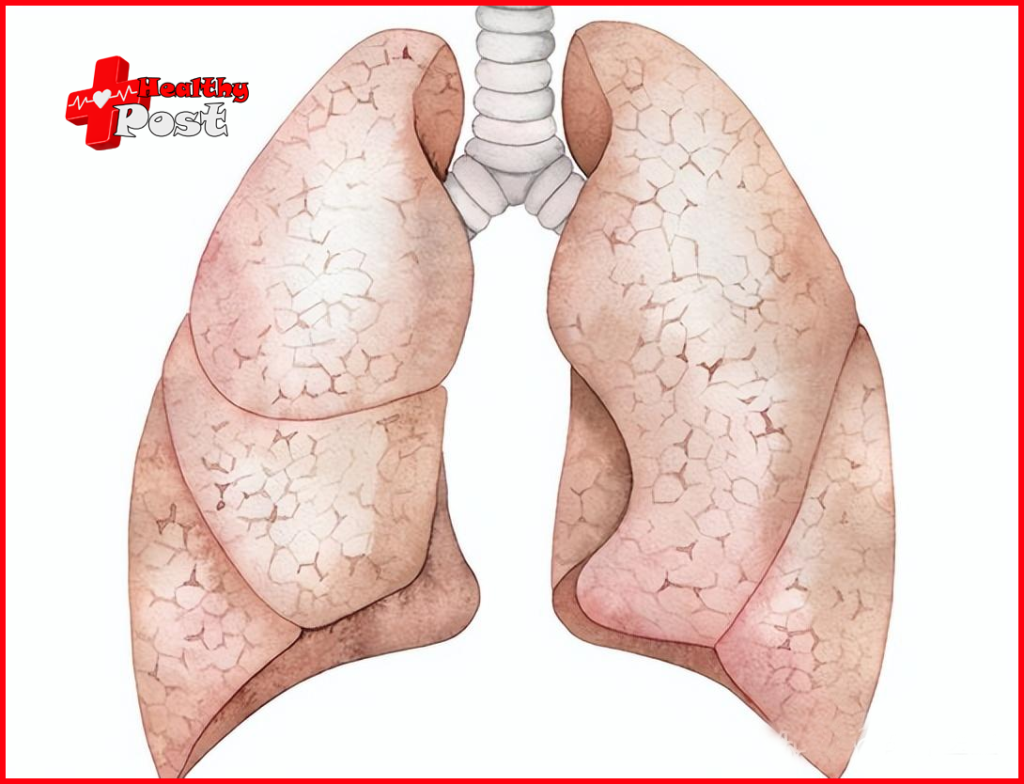
    Completely calcified nodules

    Some lung diseases will eventually end with calcification, especially tuberculosis infection, which will form scars after recovery. Some of these scars form linear shadows, while others will continue to be fill with calcium and eventually form calcification foci . There are many types of calcification foci, some are partial calcification, some are local calcification, and some are complete calcification. Completely calcified nodules are basically inactive and will not grow or shrink, and of course will not become cancerous. In addition, partially calcified nodules are sometimes tumors that have eaten up the original calcification foci, and this situation needs to be distinguish.

    Shrinking nodules

    Generally speaking, lung nodules that are significantly smaller are basically malignant, because tumor nodules generally do not shrink. A small number of lung cancer nodules will cause necrosis and bleeding in the surrounding normal lungs. These bleeding parts may improve with anti-infection treatment, but the malignant cell components in the tumor nodules cannot shrink or contract. Therefore, nodules that are significantly smaller tend to be benign and are basically not malignant.

    Nodules that have moved

    Generally speaking, lung nodules grow in a certain part of the body and most of them will not change for a long time. If the nodule moves, it means that the nodule is mainly compose of liquid or active components, such as sputum in the trachea and parasites. These lesions can change their position in a short period of time, from one place to other parts. Such nodules are basically impossible to be malignant. Most malignant nodules will only grow gradually in one part and will not move to another part.

    The above manifestations are a summary of clinical experience in judging the nature of nodules and can be use as a reference. However, if lung nodules are found, further examination in the hospital is still require to make a clear diagnosis and appropriate treatment.

    Eczema
    Eczema is common in 8 body parts, Different parts have different symptoms!

    Editorial Notice & Disclaimer: All material published on this platform is curated strictly for general educational and healthcare informational purposes. Content should not be interpreted as professional medical advice, official diagnosis, or a definitive treatment protocol. We strongly advise consulting a licensed physician or qualified healthcare provider regarding any specific medical concerns or health choices.

    Admin
    Website |  + postsBio ⮌
    • Admin
      Apple Juice Benefits: 8 Proven Health Boosts and 3 Hidden Downsides
    • Admin
      5 Proven Benefits of Invokana Generic for Diabetes Care
    • Admin
      7 Powerful Reasons Why Capron DM Is a Safe Choice for Allergy Relief
    • Admin
      10 Proven Ways on How to Relax Without Stress
    Share. Facebook Twitter Pinterest LinkedIn Tumblr Email
    Previous ArticleEczema is common in 8 body parts, Different parts have different symptoms!
    Next Article Best Moisturizer for Aging Skin: Your Ultimate Guide

    Related Posts

    Patient Education

    Clinical Benefits of Functional Foods for Metabolic Health: An Expert Guide

    July 1, 2026
    Patient Education

    What Is a Newborn Sucking Blister? Clinical Causes and Treatment

    June 24, 2026
    Patient Education

    What Is a Zip Stitch? How It Works vs. Stitches and Butterfly Bandages

    June 22, 2026
    View 1 Comment

    1 Comment

    1. Pingback: Understanding R91.8: Insights, Diagnosis, Treatment

    Leave A Reply Cancel Reply

    You must be logged in to post a comment.

    Recent Posts
    • Clinical Benefits of Functional Foods for Metabolic Health: An Expert Guide
    • Early Signs of Lupus: 7 Crucial Symptoms to Watch For (2026 Guide)
    • How Do You Know If a Heart Stent Is Blocked Again? Warning Signs
    • What Is a Newborn Sucking Blister? Clinical Causes and Treatment
    • Are Skin Tag Removal Kits Safe? Dermatologist Guidance, Risks vs. Benefits
    Top Posts

    What are the effects of smoking on the lungs?

    March 7, 2024

    What are the causes of headaches? How to prevent it in daily life?

    April 11, 2024

    cardiovascular disease, can do these 4 things, and blood vessels can stay young.

    April 18, 2024
    Latest Reviews
    Most Popular

    Clinical Benefits of Functional Foods for Metabolic Health: An Expert Guide

    July 1, 2026

    Early Signs of Lupus: 7 Crucial Symptoms to Watch For (2026 Guide)

    June 28, 2026

    How Do You Know If a Heart Stent Is Blocked Again? Warning Signs

    June 25, 2026

    What Is a Newborn Sucking Blister? Clinical Causes and Treatment

    June 24, 2026

    Are Skin Tag Removal Kits Safe? Dermatologist Guidance, Risks vs. Benefits

    June 23, 2026

    Our Medical Board

    Our health platform content is written, reviewed, and vetted by a dedicated board of licensed clinicians and specialists to guarantee clinical accuracy.

    • Dr. Himanshu Gupta Orthopedics & Robotics Amicare Hospital ↗
    • Dr. Paul Hofmann ENT & Otolaryngology Helios Hospital ↗
    • Dr. Jacob Cote, MD Dermatology Specialist The Ottawa Hospital ↗
    • Dr. Yichen Xu Medical Oncology SYSU Cancer Center ↗
    • Dr. Sana Lodhi, MBBS General Medicine LUMHS Hospital ↗
    • Dr. Wang Zhixin Gynecology & Maternal Shenzhen Women's Hosp ↗
    • Dr. John Ma Orthopaedic Surgery Royal Brisbane Hosp ↗
    • Dr. Rachana Bhoite Nutrition Science Dr. Reddy's Labs ↗
    • Dr. Sarita Rao Interventional Cardiology Apollo Hospitals ↗
    • Dr. Mohanned Alghamdi Esthetic & Restorative UniDents Clinic ↗
    • Dr. Sharmila Rathi Pediatrics & Child Care Sir JJ Hosp Mumbai ↗
    • Dr. He Feng Urology & Andrology Bohe Medical Profile ↗
    • Dr. Akram Chang Cardiovascular Care Gulab Devi Hospital ↗
    • Dr. Liping Shen Gyneclinic Oncology Peking Uni Int Hosp ↗
    • Dr. Suleman Khan Dental Surgery Govt Dental College ↗
    Our Picks

    Clinical Benefits of Functional Foods for Metabolic Health: An Expert Guide

    July 1, 2026

    Early Signs of Lupus: 7 Crucial Symptoms to Watch For (2026 Guide)

    June 28, 2026

    How Do You Know If a Heart Stent Is Blocked Again? Warning Signs

    June 25, 2026

    What Is a Newborn Sucking Blister? Clinical Causes and Treatment

    June 24, 2026

    Are Skin Tag Removal Kits Safe? Dermatologist Guidance, Risks vs. Benefits

    June 23, 2026
    Facebook X (Twitter) Instagram Pinterest
    • About Us
    • Contact Us
    • Disclaimer
    • Our Medical Review Board & Expert Contributors
    • Terms and Conditions
    • Write for Us
    © 2026 Healthy Post. All Rights Reserved.

    Type above and press Enter to search. Press Esc to cancel.