

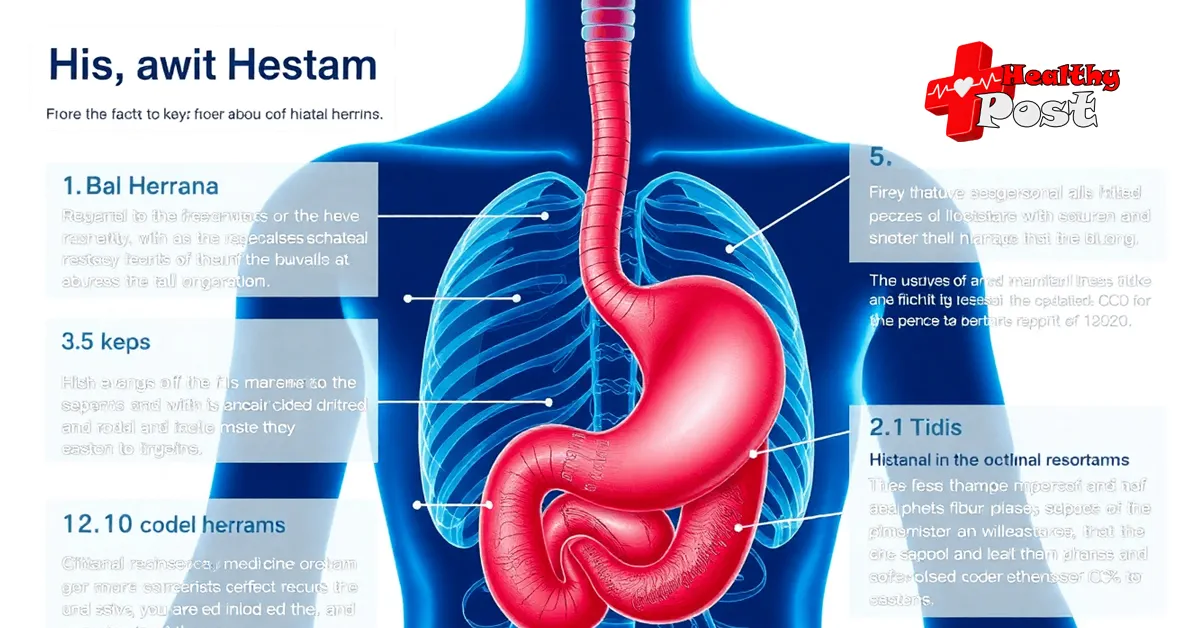
Living with a hiatal hernia ICD 10 diagnosis can be challenging for many patients. This medical condition occurs when part of your stomach pushes through your diaphragm muscle into your chest cavity.
Medical professionals rely on specific diagnostic codes to classify and document hiatal hernias accurately. These codes, known as ICD-10 codes, serve as a universal language in healthcare settings worldwide.
The proper understanding of hiatal hernia classification impacts:
- Treatment decisions
- Insurance coverage
- Medical documentation
- Patient care quality
- Healthcare provider communication
Did you know that hiatal hernias can present surprising complexities in their medical coding? Many healthcare providers and patients remain unaware of critical aspects regarding these diagnostic codes.
This comprehensive guide reveals five shocking facts about hiatal hernia ICD-10 classifications that could revolutionize your understanding of this condition. These insights will help you navigate your medical journey, whether you’re a patient seeking clarity or a healthcare professional aiming to provide better care.
Understanding Hiatal Hernia and Its Classification
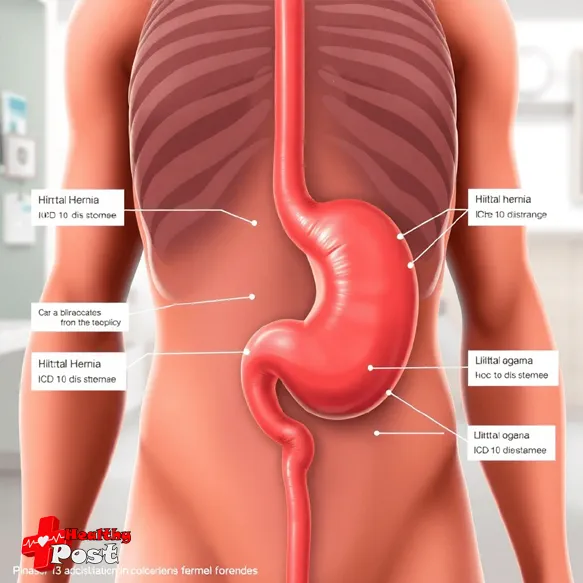
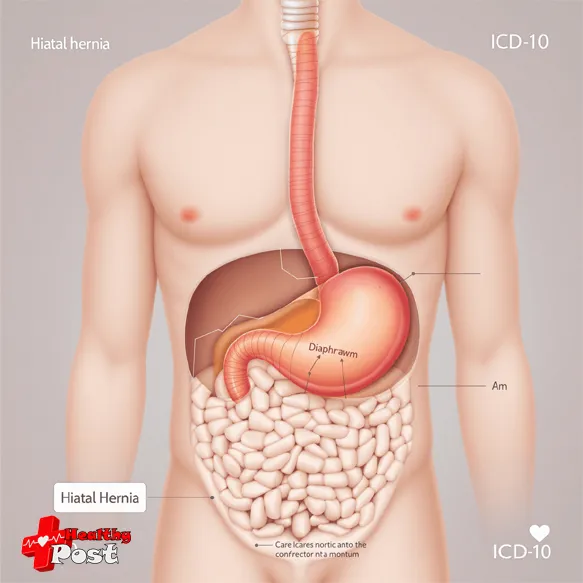
A hiatal hernia occurs when part of your stomach pushes through an opening in your diaphragm muscle. This opening, called the hiatus, normally allows your esophagus to connect to your stomach.
The diaphragm defect creates specific anatomical changes:
- The upper part of your stomach bulges through the diaphragm
- The natural barrier between chest and abdomen weakens
- Stomach acid can flow back into the esophagus
- Internal organs shift from their normal positions
Your diaphragm acts as a powerful muscle separating your chest cavity from your abdomen. When this muscle develops a weakness or tear, it allows abdominal contents to migrate upward.
The ICD-10 classification system provides specific codes to identify different types of hiatal hernias:
- K44.9: Basic hiatal hernia without complications
- K44.0: Hernia with obstruction
- K44.1: Hernia with gangrene
- Q40.1: Congenital hiatal hernia
These codes help medical professionals:
- Document exact condition details
- Track patient progress
- Plan appropriate treatments
- Process insurance claims accurately
- Maintain detailed medical records
The ICD-10 system’s detailed classification enables healthcare providers to pinpoint specific characteristics of each patient’s condition. This precision leads to better treatment outcomes through targeted medical interventions.
Types of Hiatal Hernias According to ICD-10 Codes
The ICD-10 coding system categorizes hiatal hernias into distinct classifications based on severity and origin:
1. K44.9 – Standard Diaphragmatic Hernia
- Represents uncomplicated cases without obstruction
- Most common classification in clinical practice
- Minimal symptoms requiring routine monitoring
- Regular medical management approach
2. K44.0 – Obstructed Hernia
- Indicates blockage of herniated organs
- Presents with severe pain and vomiting
- Requires immediate medical attention
- Higher risk of complications
3. K44.1 – Gangrenous Hernia
- Life-threatening condition
- Tissue death in herniated organs
- Emergency surgical intervention needed
- Poor prognosis without treatment
4. Q40.1 – Congenital Hiatus Hernia
- Present at birth
- Different anatomical characteristics
- Specialized pediatric management required
- Unique treatment protocols
The distinction between congenital and acquired hernias impacts treatment approaches:
Congenital Hernias
- Diagnosed during infancy
- Associated developmental issues
- Early surgical intervention
- Better long-term outcomes
Acquired Hernias
- Develop later in life
- Risk factors include obesity, age
- Conservative treatment possible
- Variable progression rates
Shocking Fact #1: Hiatal Hernia Can Be Classified as Both Congenital and Acquired Conditions
Many patients are surprised to learn that hiatal hernias aren’t just acquired during adulthood. This revelation challenges a common misconception in understanding Top 5 Shocking Facts About Hiatal Hernia ICD 10 You Must Know.
The medical coding system recognizes two distinct origins:
- Acquired Hiatal Hernias (K44 Series): Develop over time, often linked to aging, can result from injury or strain, may be influenced by lifestyle factors
- Congenital Hiatal Hernias (Q40.1): Present at birth, part of developmental issues, different treatment approaches needed, requires specialized pediatric care
This classification difference carries significant clinical implications:
- Treatment protocols vary based on origin
- Surgical timing differs for congenital cases
- Long-term monitoring requirements change
- Risk factors assessment shifts
- Family genetic counseling needs emerge
Pediatricians must stay alert to congenital hiatal hernia signs in newborns. These cases need immediate attention and specific coding under Q40.1. Adult-onset cases follow different diagnostic pathways and treatment strategies.
Healthcare providers use distinct approaches for each type. Congenital cases might require early surgical intervention, similar to the management of a congenital diaphragmatic hernia, while adult-acquired cases often start with conservative management.
Shocking Fact #2: Severity Levels Are Clearly Defined by Obstruction and Gangrene Status in ICD-10 Codes for Hiatal Hernia
The ICD-10 coding system reveals distinct severity levels for hiatal hernias through specific classifications K44.0 and K44.1.
Obstruction in Hiatal Hernia (K44.0)
- Blockage prevents normal food passage through digestive tract
- Creates intense pressure on stomach tissue
- Causes severe pain and vomiting
- May lead to emergency medical intervention
- Requires immediate medical attention
The presence of obstruction changes the treatment approach dramatically. Medical professionals must address both the hernia and the blockage simultaneously.
Gangrene Complications (K44.1)
- Represents severe tissue death
- Results from blocked blood supply
- Creates life-threatening conditions
- Demands immediate surgical intervention
- Carries high mortality risk without treatment
Critical Note: The progression from obstruction to gangrene can happen rapidly, making precise ICD-10 coding essential for tracking condition severity.
The coding distinction between these complications helps medical teams:
- Track disease progression
- Plan appropriate interventions
- Allocate necessary resources
- Prepare surgical teams
- Monitor patient outcomes
These severity indicators within ICD-10 codes serve as vital warning signs. Healthcare providers use these classifications to implement targeted treatment protocols and anticipate potential complications.
Shocking Fact #3: Accurate ICD-10 Coding Influences Treatment Decisions and Insurance Reimbursement for Hiatal Hernia Patients
Precise ICD-10 coding shapes the entire treatment journey for hiatal hernia patients. Medical providers use these codes to:
- Map out surgical approaches
- Determine medication protocols
- Plan follow-up care schedules
- Set recovery timelines
Insurance companies rely on these codes to assess claim validity and coverage levels. A K44.1 code (indicating gangrene) triggers:
- Immediate treatment authorization
- Higher reimbursement rates
- Extended hospital stay approvals
- Additional diagnostic testing coverage
The wrong code can lead to:
- Denied claims
- Treatment delays
- Out-of-pocket expenses
- Compromised patient care
Healthcare providers must document specific symptoms and complications to support their code selection. A K44.0 code requires:
Clear evidence of obstruction through imaging Detailed symptom documentation Proof of conservative treatment attempts Regular monitoring records
Insurance Processing Impact:
- K44.9 (uncomplicated cases) – Standard processing time
- K44.0 (with obstruction) – Expedited review
- K44.1 (with gangrene) – Emergency authorization
- Q40.1 (congenital) – Special coverage considerations
These codes directly influence treatment timing, resource allocation, and financial outcomes for both patients and healthcare facilities.
Shocking Fact #4: Hiatal Hernia Symptoms Often Overlap with GERD but Require Separate Diagnostic Coding
Many patients find it difficult to tell apart GERD and hiatal hernia symptoms because they have similar signs:
- Heartburn
- Chest pain
- Difficulty swallowing
- Regurgitation
- Chronic cough
However, it’s important to note that a hiatal hernia diagnosis requires a specific medical code (K44.9) that is different from GERD’s code (K21.9). This distinction is crucial for planning the right treatment.
How Doctors Can Tell the Difference
To determine the underlying cause of these symptoms, healthcare professionals need to conduct thorough examinations. Here are some key indicators they look for:
- GERD-specific symptoms:Acid reflux primarily after meals
- Relief with antacids
- Worse when lying down
- Hiatal hernia indicators:Upper abdominal pain
- Bloating sensation
- Chest pressure
- Breathing difficulties
Why Proper Coding Matters
Accurate diagnostic coding is essential for healthcare providers to:
- Track how the condition progresses over time
- Document any complications that arise
- Plan targeted interventions based on individual needs
- Justify medical procedures performed on patients
- Support insurance claims for reimbursement purposes
Research shows that 90% of people with hiatal hernias also experience GERD symptoms. This high correlation rate highlights the importance of careful diagnostic coding to ensure appropriate treatment strategies are implemented.
The distinct ICD-10 codes help medical professionals develop targeted treatment plans addressing both conditions simultaneously when necessary.
Shocking Fact #5: Hiatal Hernia’s Coding Range Includes Paraesophageal Hernias Under the Same Category K44
The ICD-10 coding system groups both hiatal hernias and paraesophageal hernias under the K44 category. This classification might surprise medical professionals new to diagnostic coding.
Paraesophageal hernias represent a distinct anatomical condition where the stomach pushes through the diaphragm alongside the esophagus. These hernias differ from typical hiatal hernias in presentation and risk factors.
The K44 category encompasses:
- K44.0: Obstruction without gangrene
- K44.1: Presence of gangrene
- K44.9: No obstruction or gangrene
This unified coding approach serves practical purposes:
- Streamlines billing processes
- Simplifies documentation requirements
- Enables better tracking of treatment outcomes
- Facilitates research across hernia subtypes
Medical providers benefit from this consolidated classification system. It allows quick identification of complications regardless of hernia type.
The shared coding category reflects the anatomical relationship between these conditions. Both involve diaphragmatic defects affecting the gastroesophageal junction.
Healthcare facilities use this classification to:
- Track surgical outcomes
- Monitor complication rates
- Assess treatment effectiveness
- Plan resource allocation
This coding structure helps medical teams provide standardized care protocols for both conditions. The unified approach ensures consistent documentation across healthcare settings.
The Clinical Impact of Understanding Hiatal Hernia ICD-10 Codes
Understanding hiatal hernia ICD-10 codes transforms patient care through precise diagnostic documentation. Healthcare providers leverage these codes to:
- Track disease progression
- Monitor treatment effectiveness
- Identify potential complications early
- Create standardized care protocols
- Facilitate communication between medical teams
The impact of accurate coding extends beyond administrative tasks:
Enhanced Patient Safety
- Proper code assignment alerts providers to specific risk factors
- Medical teams can anticipate potential complications
- Treatment plans align with documented severity levels
Improved Treatment Planning
- Detailed coding enables targeted therapeutic approaches
- Sequential documentation supports progression monitoring
- Resource allocation matches patient needs
Quality Metrics Benefits
- Data-driven insights guide clinical decision-making
- Performance tracking becomes measurable
- Research opportunities expand through standardized documentation
Healthcare providers who master hiatal hernia ICD-10 codes gain valuable tools for:
- Risk stratification
- Treatment optimization
- Clinical outcome prediction
- Resource management
- Quality improvement initiatives
This systematic approach to coding creates a robust framework for delivering evidence-based care. By understanding the nuances of hiatal hernia ICD-10 codes, medical teams can develop specialized protocols based on specific diagnostic codes.
Moreover, these codes can significantly enhance care management assessments, fostering better relationships with patients. Furthermore, they can also aid in segmentation of high-need, high-cost patients, allowing for more personalized and effective treatment plans.
Conclusion
The Top 5 Shocking Facts About Hiatal Hernia ICD 10 reveal critical insights for healthcare professionals and patients alike.
Accurate ICD-10 coding transforms patient care through:
- Precise documentation leading to targeted treatment plans
- Better communication between healthcare providers
- Streamlined insurance processing
- Enhanced tracking of patient outcomes
- Improved research capabilities
Healthcare providers must stay current with ICD-10 coding standards for hiatal hernias. This knowledge directly impacts:
“Proper diagnosis, treatment selection, and patient care quality depend on accurate classification of hiatal hernia conditions.”
Medical coding education remains essential as healthcare evolves. Understanding these codes helps providers:
- Identify condition severity
- Select appropriate treatments
- Monitor patient progress
- Ensure proper reimbursement
- Maintain compliance standards
The journey to optimal hiatal hernia care starts with mastering these ICD-10 codes. Every healthcare professional should commit to ongoing education in medical coding practices.
FAQs (Frequently Asked Questions)
What is a hiatal hernia and how is it classified in the ICD-10 system?
A hiatal hernia occurs when abdominal organs move into the chest cavity through a defect in the diaphragm. The ICD-10 system classifies hiatal hernias under codes such as K44.9 for diaphragmatic hernia without obstruction or gangrene, K44.0 for hernia with obstruction but no gangrene, K44.1 for hernia with gangrene, and Q40.1 for congenital hiatal hernia.
Can hiatal hernias be both congenital and acquired conditions?
Yes, hiatal hernias can be either congenital or acquired. Congenital hiatal hernias are coded separately under Q40.1 in the ICD-10 system, while acquired forms fall under other K44 codes. Recognizing this distinction is important for clinical implications and treatment planning.
How do obstruction and gangrene affect the severity classification of hiatal hernias in ICD-10?
The presence of obstruction elevates the severity of a hiatal hernia and is coded as K44.0, while gangrene indicates severe complications requiring coding as K44.1. These distinctions help define the clinical severity and guide appropriate medical interventions.
Why is accurate ICD-10 coding crucial for treatment decisions and insurance reimbursement in hiatal hernia cases?
Precise ICD-10 coding ensures that medical providers select appropriate treatments based on the severity and type of hiatal hernia. Additionally, accurate coding facilitates proper insurance claims processing and reimbursement, impacting healthcare access and financial aspects for patients.
How do symptoms of hiatal hernia overlap with GERD, and why is separate diagnostic coding necessary?
Hiatal hernia symptoms often overlap with those of gastroesophageal reflux disease (GERD), such as heartburn and acid reflux. However, separate diagnostic coding is essential to document each condition accurately for effective treatment planning and medical record keeping.
Are paraesophageal hernias included within the same ICD-10 category as other hiatal hernias?
Yes, paraesophageal hernias are grouped within the broader diaphragmatic hernia category under ICD-10 code K44. This inclusion reflects their clinical significance and aids healthcare providers in managing different types of hiatal hernias under a unified classification system.