



When it comes to breast plastic surgery, many people will say “Oh~ I know it’s just breast augmentation”. In fact, breast plastic surgery is more than just breast augmentation. Today, let’s introduce breast plastic surgery.
Scope of Breast Plastic Surgery
Generally speaking, breast augmentation includes issues like accessory breasts, flat breasts, uneven breasts, inverted nipples, gigantic breasts, breast ptosis, breast defects or deformities after tumor resection
, burns or trauma, and deformities after plastic surgery. In short, common breast augmentation procedures can be summarized as: making small breasts larger, large breasts smaller, looking small, and looking beautiful.
What determines breast size ?
Genetics is one reason. If the mother has a full breast, the daughter will generally have full breasts. Of course, this is not absolute, because there are other factors that affect it. Let’s first look at the composition of the breasts:
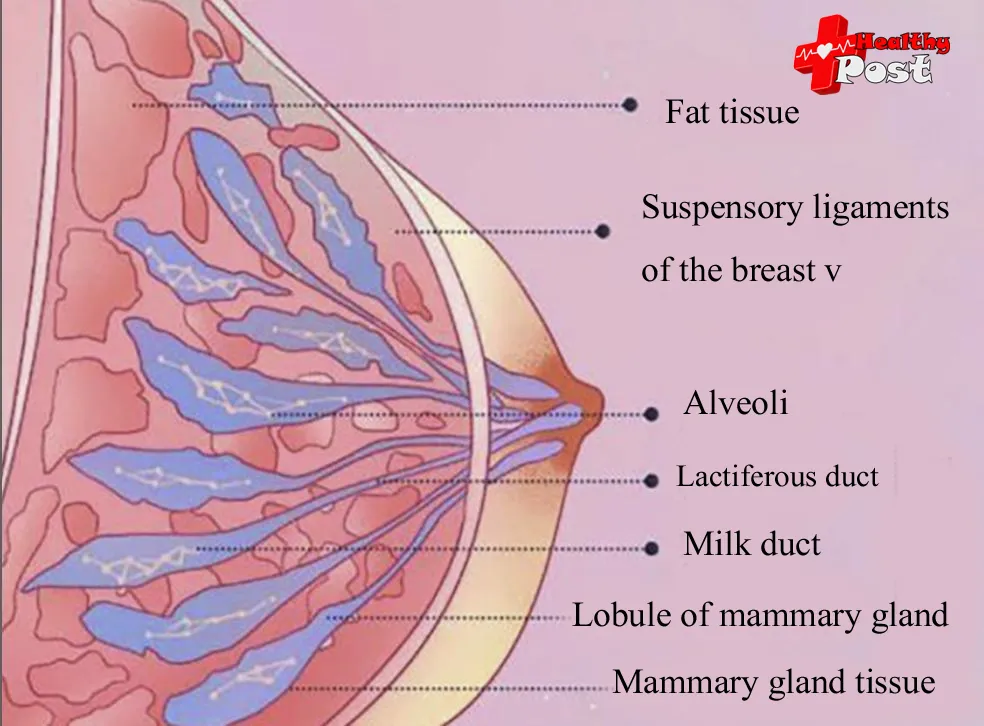
As can be see from the anatomical diagram above, female breasts are primarily compose of adipose tissue, mammary glands, connective tissue, and numerous blood vessels and nerves. Fat and mammary glands determine breast size. Breast development begins between the ages of 8 and 13, reaching maturity between the ages of 14 and 18. Afterward, during pregnancy and lactation, breasts enlarge. After lactation, they shrink or even sag, losing shape and softness.
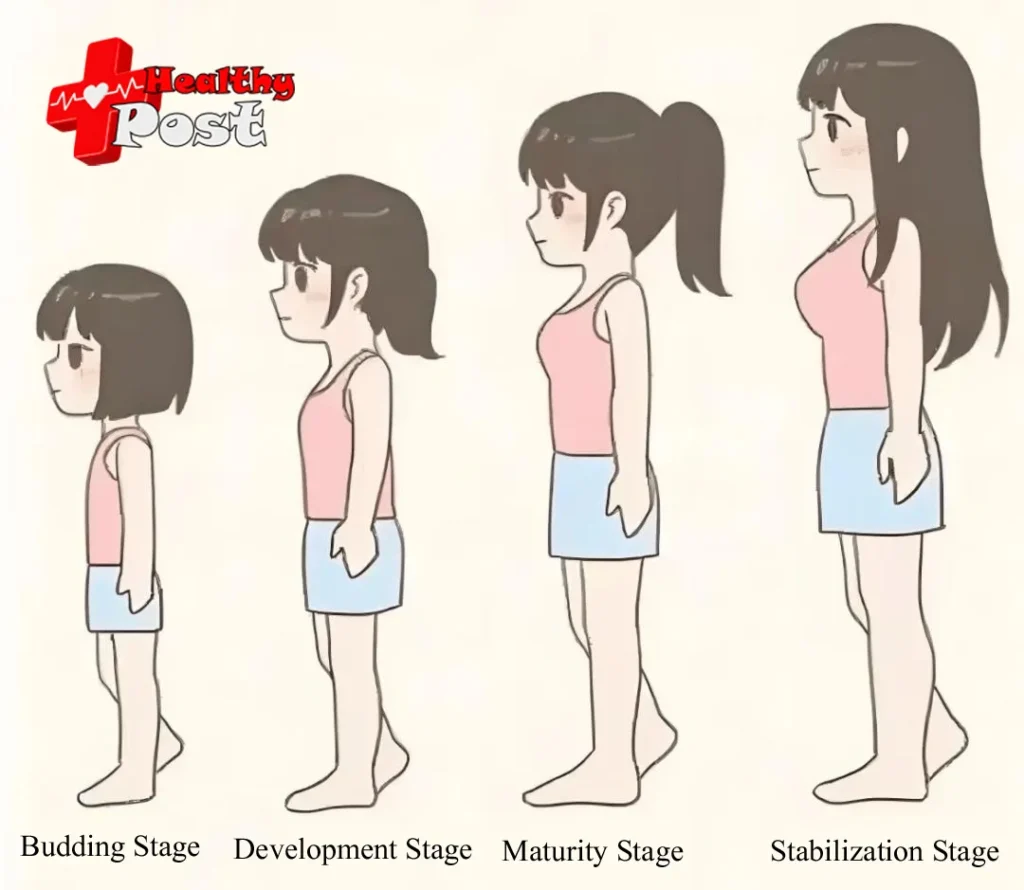
So what promotes breast development? It is hormones, such as estrogen and progesterone.

After puberty, breasts begin to develop due to the growth of mammary ducts, the increase in milk glands, and the accumulation of fat, stimulated by hormones secreted by the ovaries. This growth is complete in adulthood. If hormone secretion is normal but the breasts are not responsive to hormones, breast development will be poor, resulting in a naturally smaller chest. During pregnancy and lactation, the body secretes more estrogen, progesterone, and prolactin. These hormones increase breast tissue and fat reserves in preparation for breastfeeding, leading to fuller breasts – what many refer to as “secondary development.” When lactation ends, hormone levels return to normal, breast tissue atrophies, and combined with the increased physical exertion and loss of fat during lactation, breasts become smaller and may even sag.
It’s also related to nutritional intake during puberty. A balanced and adequate diet promotes breast fat accumulation and mammary gland development. Therefore, from a growth and development perspective, whether a woman’s breasts are large or small is primarily related to overall hormone levels during puberty, breast sensitivity to hormones, and nutritional status.
In general, breast shape can vary significantly depending on factors such as race, genetics, age, and breastfeeding. The breasts of adult Oriental women are generally hemispherical or conical, with near-symmetrical symmetry. The distance between the nipples ranges from 22 to 26 cm. The breasts are slightly outward-tilted and slightly lifted, approximately 8 to 10 cm thick. The areola is 3 to 4 cm in size, rosy and tender in color, with a distinct demarcation from the breast skin. The nipple is prominent, not inverted, and is one-third the diameter of the areola. The typical hemispherical shape is between 250 and 300 ml. Breast volume less than 200 ml is considered micromastia, greater than 350 ml is called mammary hypertrophy, and greater than 800 to 1000 ml is called macromastia.
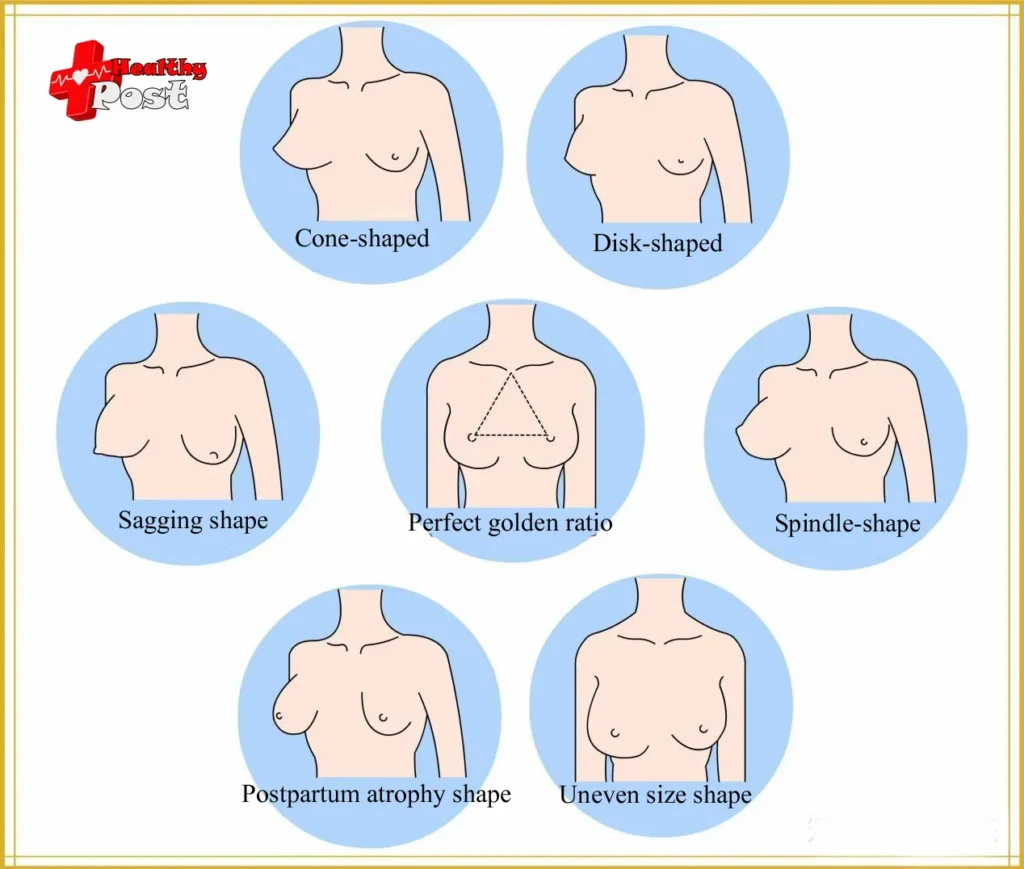
What are the common breast plastic surgery procedures?
1. Micromastia:
Causes may include congenital developmental problems, breastfeeding, breast atrophy after weight loss, and more. The most commonly used treatments include breast augmentation with implants or autologous fat grafting . The goal is to increase breast volume, improve shape and symmetry, and enhance fullness. Experts recommend that for those with a good base breast size, typically a B cup or larger, who experience sagging breasts due to breastfeeding, autologous fat grafting may be consider. However, for most women with smaller, flatter breasts, silicone breast implants are recommend.
2. Big Breasts:
Breast enlargement (giganomastia) and sagging can lead to bloating, difficulty moving, shoulder and back pain, and a feeling of pressure and discomfort in the chest when lying flat. In hot weather, skin conditions such as eczema can easily develop in the inframammary fold. Furthermore, due to the abnormal sensitivity of glandular and adipose tissue to estrogen and progesterone, excessive growth and abnormal volume can lead to a significant disproportion in overall proportions, resulting in a loss of symmetrical and slender figures. This creates a double burden physically and psychologically, often leading to a loss of self-confidence.
Many patients with gigantic breasts avoid socializing due to their poor figure, fostering a morbid mentality and a loss of self-confidence and the courage to participate in social life. Plastic surgeons recommend that patients with these concerns seek medical attention as soon as possible and decide whether to undergo surgery based on their doctor’s advice. Breast reduction surgery offers both therapeutic and cosmetic benefits, and some patients with gigantic breasts can still breastfeed normally after surgery.
Uses short vertical scars and double-ring techniques to conceal surgical incision scars. We remove part of the breast skin and breast tissue to reduce the size and position of the breasts. We also perform nipple and areola plastic surgery and breast lifts. This can repair the breasts in terms of both form and function, relieve back (neck) and shoulder pain caused by excess breast tissue, and discomfort caused by bra straps; relieve skin irritation caused by breast wrinkles; and improve the size of the areola caused by pulled skin, completely resolving the problem of large breasts.

3. Accessory breast surgery:
Accessory breasts are extra breasts that appear in addition to a pair of normal breasts, most commonly located in the underarms and anterior axillae. Depending on the presentation, they are categorized as complete or incomplete. Common surgical treatments include accessory mastectomy and liposuction .
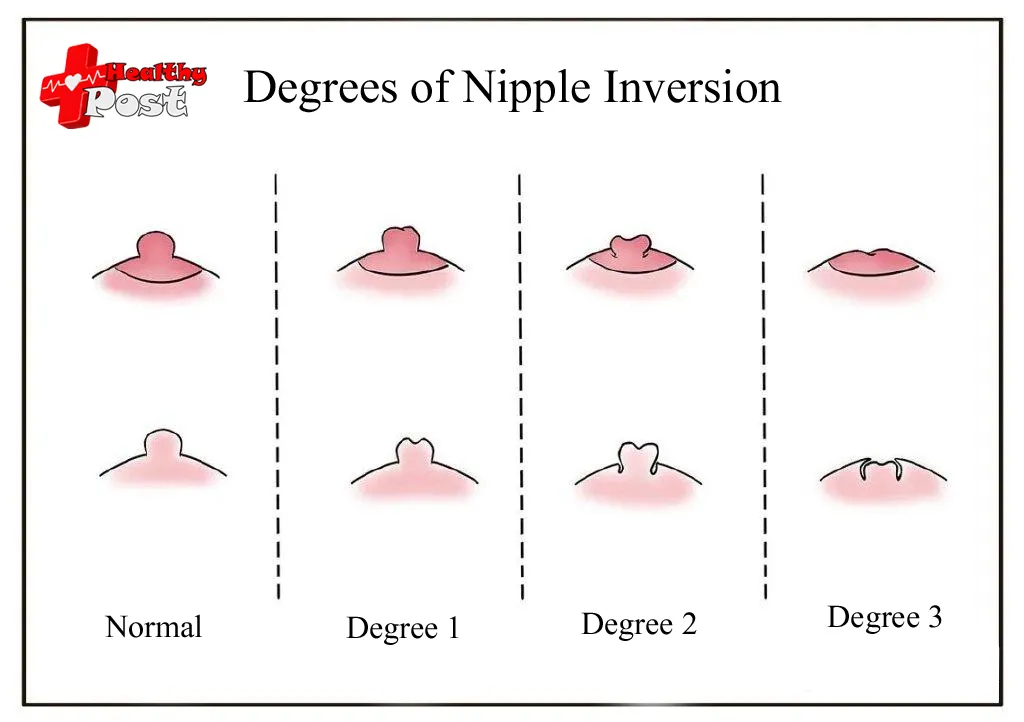
4. Nipple correction:
Inverted nipples occur when the nipple is lower than the areola, affecting the appearance of the breast. Dirt and oil can accumulate in inverted nipples, leading to infection and odor. Severe cases of inverted nipples can make it difficult for infants to breastfeed, leading to loss of breastfeeding function. Treatment options include physical traction or surgery.
5. Breast reconstruction:
In my country, breast cancer is one of the most common malignant tumors among women, and its incidence is increasing annually. It’s well known that breast cancer patients may be left with partial or complete breast loss after surgical treatment, causing significant physical and psychological trauma. Breast reconstruction can reconstruct the breast, helping those who have lost a breast to regenerate a new one through surgery. This alleviates the pain of breast loss and repairs the emotional loss felt by women. Currently, breast reconstruction is primarily categorized as breast reconstruction using prostheses and autologous skin flaps.
Prostheses offer a quick and safe solution to post-operative breast loss. They are simple, easy to perform, and minimally impactful, making them well-tolerated by most patients. Breast reconstruction using autologous skin flaps uses the patient’s own tissue, which feels similar to the contralateral breast, is easier to adapt to psychologically, and offers excellent long-term results. Furthermore, using abdominal skin flaps can also provide the benefits of abdominal wall reshaping. However, the procedure is complex and technically demanding. The specific procedure should be selected based on individual patient needs and needs to be determined by the plastic surgeon.
In short, breast plastic surgery is a crucial choice afforded to women by modern medicine. It impacts both appearance and inner confidence and peace of mind. Importantly, it is a medical decision that should be taken seriously. We encourage everyone considering this procedure to understand it scientifically, evaluate it with prudence, and ultimately make the most responsible and compassionate choice for themselves. A journey to beauty, accompanied by safety and confidence.

2 Comments
Pingback: Does Leg Liposuction Hurt? Understanding Pain Levels
Pingback: Atypical Ductal Hyperplasia Core Needle Biopsy: Understanding Your Upgrade Risk