


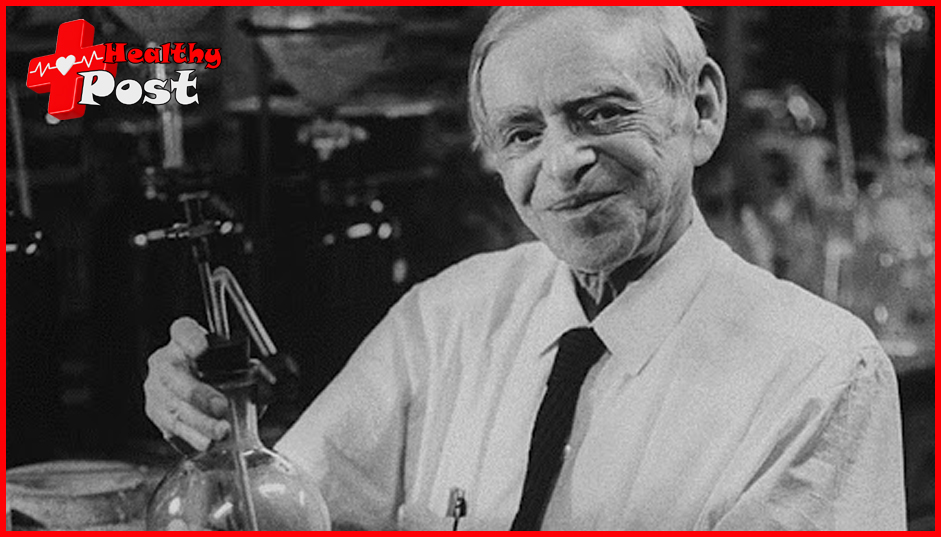
Casimir Funk was a brilliant Polish biochemist who changed our understanding of human health by discovering vitamins in the early 20th century. His work explained diseases like scurvy, beriberi, and rickets as being caused by specific nutrient deficiencies.
Funk’s legacy goes beyond just coining the term “vitamine.” His research laid the groundwork for modern nutrition science and improved public health practices worldwide. Through his careful studies and creative thinking, he found essential compounds that our bodies require for proper functioning.
In this article, you’ll discover:
- The journey of a young scientist from Warsaw to becoming a global pioneer
- How Funk’s concept of vitamins changed medical history
- His research connecting diseases to nutrient deficiencies
- The impact of his work on modern nutrition science
- His achievements beyond vitamin research
Let’s explore how this visionary scientist’s work continues to influence our understanding of nutrition today.
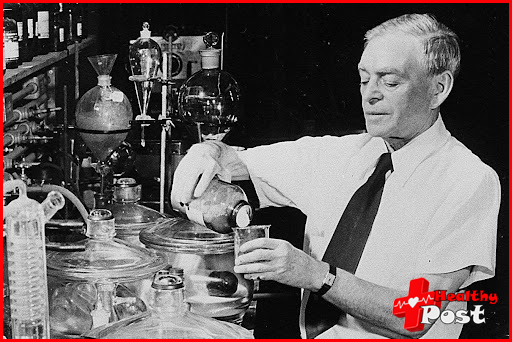
Early Life and Education
Kazimierz Funk was born on February 23, 1884, in Warsaw, Poland, into a Jewish family with strong ties to the medical profession. His father, Jacques Funk, was a well-known dermatologist, which inspired young Kazimierz’s early fascination with science and medicine.
Formative Years in Warsaw
The vibrant cultural scene of late 19th century Warsaw played a significant role in shaping Funk’s upbringing. He attended the Warsaw Gymnasium, where he excelled in chemistry and biology. At the age of 16, driven by his love for scientific exploration, Funk began studying biology at the University of Geneva, Switzerland.
Academic Pursuits Across Europe
Funk’s academic journey led him to some of Europe’s most esteemed institutions:
- University of Bern – Earned his doctorate in organic chemistry at 20
- Pasteur Institute in Paris – Conducted postdoctoral research
- University of Berlin – Furthered his studies in organic chemistry and biochemistry
During this time, Funk became particularly interested in isolating and examining natural compounds – a pursuit that would eventually pave the way for his groundbreaking work on vitamins. His exposure to various scientific approaches and practices across European institutions provided him with a distinct viewpoint that would prove invaluable in his future endeavors.
Pioneering Work in Biochemistry
Casimir Funk’s groundbreaking research at the Lister Institute was a game-changer in nutritional science. He made this important discovery while studying how diet affects disease, with a specific focus on beriberi – a condition commonly found in populations whose main food source was polished rice.
Concept of Vitamins
In 1912, Funk isolated a mysterious substance from rice bran that could prevent and treat beriberi. This discovery led him to develop the concept of vitamins – essential organic compounds required in small quantities for proper bodily functions. He named this substance “vitamine,” combining the Latin word “vita” (life) with “amine,” reflecting his initial belief that these compounds contained amino groups.
His research revealed that these vital substances shared specific characteristics:
- Present in minute quantities in natural foods
- Essential for normal growth and health
- Cannot be synthesized by the body
- Absence leads to specific deficiency diseases
The classification of vitamins revolutionized our understanding of nutrition. Funk’s initial work identified four main categories:
- Anti-beriberi factor (later identified as Vitamin B1)
- Anti-scurvy factor (Vitamin C)
- Anti-pellagra factor (Vitamin B3)
- Anti-rickets factor (Vitamin D)
While his original assumption about all vitamins containing nitrogen compounds proved incorrect, the term “vitamin” persisted in scientific literature. The ‘e’ was eventually dropped when researchers discovered that not all these compounds contained amino groups.
Through meticulous experimentation, Funk demonstrated that specific vitamin deficiencies caused distinct diseases. His work with rice bran led to the isolation of vitamin B3 (niacin), establishing a direct link between nutrient deficiency and disease manifestation.
The impact of this discovery extended beyond theoretical understanding. Food manufacturers began fortifying products with vitamins, public health initiatives incorporated vitamin supplementation programs, and medical treatments for deficiency diseases became more targeted and effective.
Funk’s vitamin theory sparked a new era of research in biochemistry. Scientists worldwide began investigating these essential nutrients, leading to:
- Identification of new vitamins
- Understanding of vitamin structures
- Development of synthesis methods
- Creation of dietary guidelines
Linking Diseases to Nutrient Deficiencies
Casimir Funk’s groundbreaking research revealed the direct connection between specific diseases and nutritional deficiencies. His systematic studies identified four major deficiency diseases:
- Beriberi: Linked to thiamine (vitamin B1) deficiency
- Scurvy: Connected to lack of vitamin C
- Pellagra: Associated with niacin deficiency
- Rickets: Caused by vitamin D deficiency
His research on beriberi proved particularly significant. By studying populations who consumed polished rice as their primary food source, Funk discovered that removing the rice husks eliminated crucial nutrients, leading to beriberi. This finding demonstrated how food processing could strip essential vitamins from our diet.
The connection between scurvy and vitamin C deficiency became clear through Funk’s analysis of sailors’ diets. He noted that ships carrying citrus fruits reported fewer cases of scurvy, leading to his hypothesis about vitamin C’s protective role.
Rickets presented another breakthrough. Funk’s research showed children living in industrial cities with limited sunlight exposure developed bone deformities due to vitamin D deficiency. This discovery sparked public health initiatives promoting sunlight exposure and vitamin D-rich foods.
These correlations between specific nutrients and diseases revolutionized medical treatment. Rather than focusing solely on treating symptoms, doctors could now prevent these conditions through dietary modifications and vitamin supplementation.

Landmark Publication and Its Impact on Nutrition Research
Casimir Funk’s 1912 publication, “The Etiology of the Deficiency Diseases“, revolutionized our understanding of nutrition and disease prevention. This groundbreaking work introduced a unified theory that explained how nutritional deficiencies led to specific diseases – a radical concept for its time.
Key Findings of Funk’s Publication
The publication’s key findings included:
- The identification of four main deficiency diseases: beriberi, scurvy, pellagra, and rickets
- Detailed chemical analyses of food substances that could prevent these conditions
- Evidence supporting the existence of essential nutrients in minute quantities
- A proposed classification system for these vital compounds
Methodology That Set New Standards
Funk’s research methodology described in the publication set new standards for nutrition science. His systematic approach included:
- Isolating active compounds from food sources
- Testing these substances on both animals and humans
- Documenting the preventive and curative effects
- Analyzing the chemical properties of these compounds
Sparked Wave of Vitamin Research
The impact of this publication rippled through the scientific community, sparking a wave of vitamin research. Scientists worldwide began investigating specific nutrients, leading to:
- The discovery of vitamin A in 1913
- Isolation of vitamin D in 1922
- Identification of vitamin C’s structure in 1933
- Development of vitamin supplements for public health
Research institutions established dedicated nutrition departments, while medical schools incorporated vitamin studies into their curricula. The food industry started fortifying products with vitamins, marking the beginning of functional foods and dietary supplements.
This transformation in understanding nutrition also paved the way for more comprehensive studies into the role of vitamins and minerals in human health, further expanding our knowledge and application of nutritional science.
Career Milestones and Contributions Beyond Vitamins
Casimir Funk’s scientific journey took him across prestigious institutions throughout Europe and America. His time at the Pasteur Institute in Paris proved instrumental in shaping his research methodology. At the Lister Institute in London, he conducted groundbreaking studies on nutritional deficiencies and their connection to diseases.
The outbreak of World War I prompted Funk’s migration to the United States in 1915. He established himself in the American scientific community and obtained U.S. citizenship in 1920. His research expanded beyond vitamins into new territories of biochemistry.
Significant Strides in Hormone Research
During his American years, Funk made significant strides in hormone research:
- Isolation and characterization of reproductive hormones
- Studies on the relationship between hormones and metabolism
- Development of innovative hormone extraction methods
Revolutionizing Pharmaceutical Manufacturing
His contributions to drug production revolutionized pharmaceutical manufacturing:
- Creation of more efficient drug synthesis processes
- Development of new methods for isolating active compounds
- Implementation of quality control standards in drug production
At the Rockefeller Institute for Medical Research, Funk pioneered techniques for large-scale vitamin production. His work at Cornell University Medical College focused on cancer research and the potential role of vitamins in disease prevention.
The Polish biochemist’s expertise led him to establish his own research facility, the Casa Biochemica. This private laboratory became a hub for innovative biochemical research, where he continued his studies on hormones and developed new pharmaceutical compounds.
His research papers from this period demonstrated the intricate connections between vitamins, hormones, and human health. Through his work at various institutions, Funk established protocols for vitamin production that would later become industry standards.
Legacy and Recognition in the Field of Nutrition Science
Casimir Funk’s revolutionary discoveries earned him a permanent place in scientific history. His induction into the Nutrition Hall of Fame stands as a testament to his groundbreaking contributions to nutritional science. This prestigious recognition celebrates his role in:
- Establishing the foundation of modern vitamin research
- Developing systematic approaches to studying nutrient deficiencies
- Creating standardized methods for vitamin isolation
The scientific community continues to honor Funk’s memory through various awards and commemorations. His name graces several research institutions and laboratories worldwide, inspiring new generations of biochemists and nutritionists.
On February 23, 2024, Google created a special Doodle celebrating Funk’s 140th birthday. The artistic tribute featured a playful representation of his work with vitamins, depicting him alongside chemical structures and food items rich in the nutrients he studied. This digital celebration introduced millions of people worldwide to the scientist who transformed our understanding of nutrition.
His research papers remain highly cited in contemporary scientific literature, with his concepts forming the backbone of current nutritional guidelines and public health policies. Medical schools worldwide teach Funk’s vitamin theory as a cornerstone of nutritional biochemistry.
The American Institute of Nutrition recognizes his enduring influence through the Casimir Funk Award, presented to researchers who make exceptional contributions to nutrition science. This award embodies his spirit of innovation and dedication to understanding the fundamental relationship between nutrients and human health.
Conclusion: Casimir Funk’s Lasting Impact on Nutrition Science
Casimir Funk’s discoveries changed how we understand human health and nutrition. His research on vitamins and nutrient deficiencies became the basis for modern nutritional science. By identifying essential nutrients and their role in preventing diseases, his work has improved dietary guidelines and food fortification programs, saving many lives.
The legacy of the Polish biochemist lives on in:
- The basic principles of preventive medicine
- Current practices in food fortification
- Approaches to nutritional therapy
- Public health policies around the world
His influence can still be seen in today’s research on biochemistry and nutrition. Our current knowledge of balanced diets, dietary supplements, and preventing deficiency diseases is a tribute to Funk’s innovative spirit. The idea of vitamins – his most important contribution – remains crucial to global health efforts and nutritional education, establishing him as a true revolutionary who transformed our understanding of the relationship between diet and health.
FAQs (Frequently Asked Questions)
Who was Casimir Funk?
Casimir Funk was a Polish biochemist known for his pioneering work in the field of nutrition, particularly for his contributions to the understanding of vitamins and their role in preventing deficiency diseases.
What significant discovery did Casimir Funk make?
Casimir Funk discovered the concept of ‘vital amines,’ which later evolved into the modern understanding of vitamins. His research demonstrated the importance of these essential nutrients in preventing diseases such as beriberi.
What was the impact of Funk’s publication ‘The Etiology of the Deficiency Diseases’?
Published in 1912, ‘The Etiology of the Deficiency Diseases’ outlined key findings related to nutrient deficiencies and their link to specific diseases. This work significantly influenced future research in nutrition science.
How did Casimir Funk’s early life influence his career?
Born and raised in Warsaw, Casimir Funk’s academic background and influences during his formative years laid the foundation for his groundbreaking research in biochemistry and nutrition.
What honors has Casimir Funk received posthumously?
Casimir Funk has been posthumously honored with induction into the Nutrition Hall of Fame and a Google Doodle celebrating his 140th birthday, recognizing his lasting contributions to science.
What were some of Casimir Funk’s contributions beyond vitamins?
Beyond his work on vitamins, Casimir Funk held prestigious positions at institutions such as the Pasteur Institute and Lister Institute. He also conducted research on hormones and developed innovative drug production techniques.