

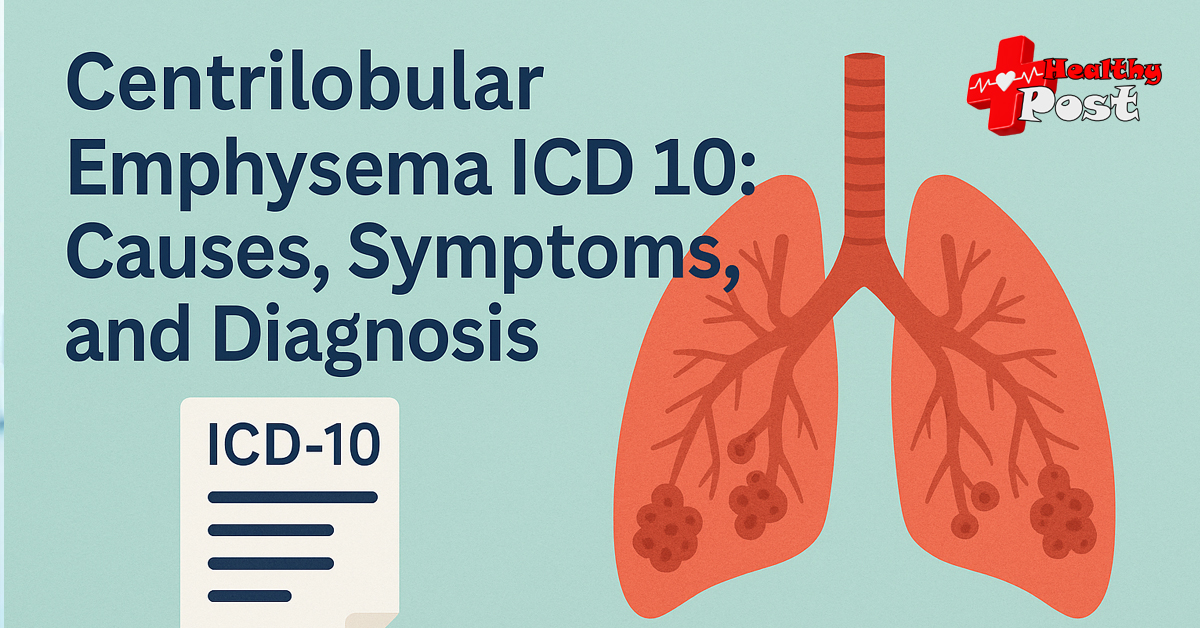
Centrilobular emphysema ICD 10 is a medical term used to classify a specific lung disease. It is listed under the ICD 10 code system, which helps doctors track and treat diseases. This condition affects the central parts of the lung lobules, making it hard to breathe.
Understanding centrilobular emphysema ICD 10 is important for early treatment and better lung health. It mainly occurs in people who smoke or are exposed to harmful air particles. Learning about its causes, symptoms, and diagnosis can help manage the disease.
The ICD 10 code system is a global health standard used by hospitals and doctors. It provides a uniform way to classify diseases and health problems. Centrilobular emphysema is coded under J43.1, helping doctors record and analyze lung-related conditions.
Knowing the causes of centrilobular emphysema ICD 10 helps prevent the disease. Common causes include smoking, air pollution, and genetic factors. Identifying the symptoms early is key to getting the right treatment.
Doctors use several tools to diagnose centrilobular emphysema ICD 10. These include lung function tests, chest X-rays, and CT scans. Accurate diagnosis ensures proper care and reduces complications.
Below is a quick overview of key information:
| Aspect | Details |
|---|---|
| ICD 10 Code | J43.1 |
| Common Causes | Smoking, air pollution, genetic disorders |
| Key Symptoms | Shortness of breath, chronic cough, wheezing |
| Diagnosis Methods | CT scan, lung tests, X-rays |
In this article, we will explore the centrilobular emphysema ICD 10 in detail. You will learn about what causes it, how it feels, and how doctors find it. Understanding this condition can lead to better care and healthier lungs.
Overview of Centrilobular Emphysema ICD 10
Centrilobular emphysema is a type of lung disease that mostly affects smokers. It damages the small airways in the upper parts of the lungs. This makes it hard for air to flow in and out of the lungs properly.
How Centrilobular Emphysema Affects the Lungs
In centrilobular emphysema ICD 10, the tiny air sacs in the lungs, called alveoli, get destroyed. This causes the airways to collapse during exhalation. As a result, air gets trapped in the lungs, making breathing difficult.
This damage also reduces the lungs’ ability to transfer oxygen into the blood. Over time, the lungs lose their normal shape and become over-inflated. This leads to shortness of breath, especially during physical activity.
Comparison with Other Types of Emphysema
There are different types of emphysema. Each type affects the lungs in a different way. Below is a simple comparison:
| Type | Area Affected | Common Cause |
|---|---|---|
| Centrilobular Emphysema | Upper lobes, central airways | Smoking |
| Panlobular Emphysema | Entire lobes of the lungs | Genetic (Alpha-1) |
| Paraseptal Emphysema | Outer parts of the lungs | Unknown, often in young adults |
Centrilobular emphysema is the most common type. It is strongly linked to long-term smoking. Panlobular emphysema, on the other hand, is often caused by a rare genetic condition.
Understanding the difference helps doctors choose the best treatment. Early detection of it can help slow down lung damage and improve quality of life.
What is ICD 10?
ICD 10 stands for the International Classification of Diseases, 10th Revision. It is a global system used by doctors, hospitals, and insurance companies. This coding system helps classify and record diseases, symptoms, and medical conditions.
The main purpose of ICD 10 is to make healthcare more organized. It allows for accurate tracking of illnesses across different countries. It also helps in billing, insurance claims, and patient care planning.
ICD 10 Code for Centrilobular Emphysema
The ICD 10 code for this is J43.1. This code falls under the category of other emphysema types. It helps identify the exact type of lung disease a patient has.
Here’s a simple breakdown:
| Condition | ICD 10 Code |
|---|---|
| Centrilobular Emphysema | J43.1 |
| General Emphysema (unspecified) | J43.9 |
| Panlobular Emphysema | J43.0 |
Using the correct ICD 10 code ensures that doctors understand the specific condition. It also helps in planning the right treatment and tracking the disease over time.
Importance of Accurate ICD 10 Coding
Accurate coding is key in medical care. It affects how a condition is diagnosed, treated, and recorded. If the wrong code is used, it may lead to:
- Incorrect treatment plans
- Insurance claim issues
- Poor patient tracking and care outcomes
By using the correct code like centrilobular emphysema ICD 10 (J43.1), healthcare providers can offer better and faster care. It also ensures that all medical records are clear and reliable for future use.
Causes of Centrilobular Emphysema ICD 10
Understanding the causes of centrilobular emphysema ICD 10 is key to preventing and managing the disease. This condition mostly results from long-term exposure to harmful substances that damage the lungs.
Primary Causes
The most common causes include:
- Smoking – The number one cause of centrilobular emphysema
- Long-term exposure to air pollutants
- Inhalation of dust, fumes, or chemicals at work
- Repeated lung infections
Cigarette smoke contains toxins that destroy the walls of the air sacs. Over time, this damage leads to narrowed airways and trapped air in the lungs.
Genetic and Environmental Factors
While smoking is the main cause, some people have a genetic risk. A condition called Alpha-1 Antitrypsin Deficiency can lead to emphysema, even in non-smokers. This rare disorder causes a lack of a protein that protects the lungs from damage.
Environmental factors can also increase the risk, such as:
- Living in areas with high pollution
- Exposure to secondhand smoke
- Poor indoor air quality
People in certain jobs may be more at risk due to chemical exposure, such as construction workers, miners, or factory workers.
How These Factors Damage Lung Tissue
Harmful particles and gases damage the tiny air sacs in the lungs. These sacs help transfer oxygen to the blood. Over time, inflammation and cell breakdown occur. The lungs lose their shape and flexibility. This leads to air getting trapped and causes shortness of breath.
In centrilobular emphysema ICD 10, the damage starts in the central parts of the lung lobules and spreads outward. Once the tissue is destroyed, it cannot heal, making early prevention very important.
Symptoms of Centrilobular Emphysema ICD 10
Recognizing the symptoms of centrilobular emphysema ICD 10 early can lead to faster diagnosis and better care. Symptoms usually develop slowly and worsen over time.
Early Symptoms
At first, the signs may be mild and easy to miss. Common early symptoms include:
- Shortness of breath, especially during physical activity
- Fatigue or feeling tired more often
- Mild coughing, usually in the morning
- Less stamina for exercise or walking
These early symptoms are often ignored or mistaken for aging or lack of fitness.
Severe Symptoms
As centrilobular emphysema ICD 10 progresses, the lungs become more damaged. This leads to more serious symptoms, such as:
- Chronic coughing, sometimes with mucus
- Wheezing or noisy breathing
- Chest tightness or discomfort
- Weight loss due to increased effort to breathe
- Frequent respiratory infections
Breathing may become difficult even at rest. Patients may also notice swelling in the legs or ankles due to poor oxygen flow.
Progression and Impact on Daily Life
Symptoms of centrilobular emphysema ICD 10 gradually worsen. Daily tasks like climbing stairs or walking become hard. People may avoid physical activity, leading to muscle loss and further fatigue.
Over time, low oxygen levels can affect brain function. This may cause confusion or memory problems. Emotional stress, anxiety, and depression are also common in people with long-term breathing issues.
Without proper treatment, the disease can lead to serious complications like respiratory failure or heart problems. That’s why early detection and care are vital to improve quality of life and slow disease progression.
Diagnosis of Centrilobular Emphysema ICD 10
Diagnosing centrilobular emphysema ICD 10 early is important for managing the disease and slowing its progression. Doctors use several steps to confirm the diagnosis.
Step 1: Patient History and Physical Exam
The first step is to review the patient’s health history. Doctors ask about:
- Smoking habits
- Exposure to pollution or chemicals
- Family history of lung disease
- Symptoms like shortness of breath or chronic cough
A physical exam follows. The doctor listens to the lungs with a stethoscope. They check for wheezing, reduced breath sounds, or a barrel-shaped chest.
Step 2: Diagnostic Tests
Several tests are used to confirm centrilobular emphysema ICD 10:
- Chest X-ray
- Shows changes in lung structure
- Helps rule out other lung diseases
- CT Scan (Computed Tomography)
- Provides detailed images of lung tissues
- Clearly shows damaged areas in the upper lung zones
- Pulmonary Function Tests (PFTs)
- Measure how well the lungs move air in and out
- Test for airflow blockage and reduced lung volume
- Arterial Blood Gas (ABG) Test
- Measures oxygen and carbon dioxide levels in the blood
| Test Type | Purpose |
|---|---|
| Chest X-ray | Shows lung size and air trapping |
| CT Scan | Detects early emphysema damage |
| Pulmonary Function Test | Measures airflow and lung function |
| ABG Test | Checks oxygen levels in the blood |
Importance of Early Diagnosis
Early diagnosis of centrilobular emphysema ICD 10 allows for:
- Starting treatment sooner
- Slowing down lung damage
- Improving breathing and quality of life
It also helps prevent severe complications like respiratory failure or heart strain. Regular check-ups and lung screenings are key for those at risk, especially long-term smokers.
Treatment Options for Centrilobular Emphysema ICD 10

Treating centrilobular emphysema ICD 10 focuses on easing symptoms and slowing lung damage. While there is no cure, many treatment options can help improve breathing and quality of life.
Medical Treatments
Doctors may recommend several medical approaches, including:
- Bronchodilators – Open airways to make breathing easier
- Steroids – Reduce lung inflammation
- Antibiotics – Treat lung infections quickly
- Oxygen therapy – Increases oxygen levels in severe cases
- Vaccinations – Prevent flu and pneumonia, which can worsen symptoms
Pulmonary rehabilitation is also helpful. It includes breathing exercises, education, and support to improve lung strength and daily activity.
Lifestyle Changes
Lifestyle changes are key in managing centrilobular emphysema ICD 10. These include:
- Quitting smoking – The most important step to stop further damage
- Avoiding air pollutants – Stay away from smoke, dust, and chemicals
- Eating a healthy diet – Helps maintain energy and weight
- Regular exercise – Improves stamina and lung function
- Staying hydrated – Thins mucus, making it easier to clear the lungs
Making these changes can greatly reduce symptoms and flare-ups.
Importance of Personalized Treatment Plans
Each person with centrilobular emphysema ICD 10 has different needs. That’s why doctors create personalized treatment plans. These plans depend on:
- The stage of the disease
- The severity of symptoms
- Overall health and lifestyle
Personalized care ensures that patients get the right mix of medicine, therapy, and support. Regular follow-ups help adjust the plan as needed, keeping symptoms under control and improving long-term outcomes.
Living with Centrilobular Emphysema ICD 10
Living with centrilobular emphysema ICD 10 can be challenging, but the right habits and support can make a big difference. Managing the condition well helps reduce symptoms and improve daily life.
Daily Life Tips
Here are simple ways to manage daily life with centrilobular emphysema:
- Take medications as prescribed – Never skip doses
- Use oxygen therapy if needed – Follow your doctor’s instructions
- Practice breathing exercises – Techniques like pursed-lip breathing help
- Keep your home clean and smoke-free – Avoid triggers like dust and smoke
- Pace yourself – Rest between tasks and avoid overexertion
- Stay active – Light walking or stretching keeps muscles strong
- Eat small, nutritious meals – Helps with energy and breathing
Even small changes can bring big relief when practiced daily.
Importance of a Support System
A strong support system is key to living better with centrilobular emphysema ICD 10. This includes:
- Family and friends – Offer emotional and physical support
- Support groups – Share experiences and learn from others
- Healthcare team – Doctors, nurses, and therapists guide your care
Support can reduce stress, anxiety, and depression—common in chronic lung conditions. Knowing you’re not alone can greatly boost your confidence and well-being.
Stay Committed to Your Health
Regular medical check-ups are vital. They help track lung function and adjust treatment plans. Always:
- Attend follow-up visits
- Follow your treatment plan
- Report new symptoms quickly
- Stay up to date on vaccines
With consistent care and support, people with centrilobular emphysema ICD 10 can manage their symptoms and enjoy a more active, fulfilling life.
Prevention of Centrilobular Emphysema ICD 10
Preventing centrilobular emphysema ICD 10 is possible with the right choices and early action. The goal is to protect the lungs from long-term damage caused by harmful substances.
Quit Smoking and Avoid Pollutants
Quitting smoking is the most effective way to prevent centrilobular emphysema. Cigarette smoke contains harmful chemicals that slowly destroy lung tissue.
Tips to quit smoking:
- Use nicotine patches or gum
- Join a support group or quit program
- Talk to your doctor about stop-smoking medications
Also, avoid exposure to harmful pollutants such as:
- Secondhand smoke
- Industrial fumes
- Dust and chemicals in the workplace
- Heavy traffic pollution
Wearing a mask and using air purifiers at home can help reduce risk.
Promote a Healthy Lifestyle
A healthy lifestyle supports strong lungs and overall wellness. Try the following:
- Exercise regularly – Helps strengthen breathing muscles
- Eat a balanced diet – Supports your immune system
- Stay hydrated – Keeps mucus thin and easier to clear
- Get enough sleep – Helps your body heal and recharge
Avoiding lung infections by practicing good hygiene is also important.
Regular Lung Screenings for High-Risk Individuals
People at high risk should have regular lung screenings. This includes:
- Long-term smokers
- Workers exposed to air pollutants
- People with a family history of lung disease
Early screening can detect signs of centrilobular emphysema ICD 10 before major symptoms appear. CT scans and lung function tests help catch the disease early and start treatment on time.
By taking these steps, individuals can reduce their risk and protect their lung health for the future. Prevention is always better than cure, especially with a condition like centrilobular emphysema ICD 10.
Conclusion
Centrilobular emphysema ICD 10 is a serious lung condition mainly caused by smoking and long-term exposure to harmful pollutants. Common symptoms include shortness of breath, fatigue, chronic coughing, and wheezing. These signs often develop slowly, making early detection essential for better outcomes.
Early diagnosis of centrilobular emphysema ICD 10 allows for timely treatment and improved quality of life. Tools like chest X-rays, CT scans, and lung function tests help doctors confirm the condition. The ICD 10 code system, especially code J43.1, plays a key role in tracking, diagnosing, and treating this disease accurately.
Thanks to medical progress, there are now many ways to manage the condition. Medications, oxygen therapy, and lifestyle changes can greatly improve symptoms. Personalized care plans, strong support systems, and regular check-ups help patients live fuller lives.
With ongoing advancements in treatment and prevention, people diagnosed with centrilobular emphysema ICD 10 have more hope than ever. Taking early action and making healthy choices can lead to better breathing and a brighter future.