Endometriosis: 20 Shocking Symptoms You Must Not Ignore
Living with intense period pain and strange body symptoms can feel lonely and confusing. You may wonder if it is “all in your head” or if everyone else feels this bad. Many people discover years later that their pain was due to Endometriosis, a common yet often misunderstood condition.
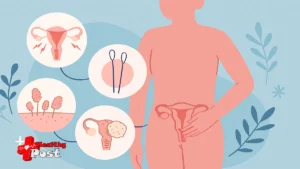
This condition happens when tissue similar to the lining of the uterus grows outside it. These growths can cause inflammation, scarring, and severe pain. Many people never learn the early warning signs.
In this guide, we will walk through 20 symptoms of endometriosis that you must not ignore. You will see:
- What each symptom feels like
- How it might show up in daily life
- When to talk to a doctor
- Where treatment, including options like endometriosis surgery, may fit in
You are not being “dramatic.” Your pain deserves attention and care. 💛
Understanding the Basics: What Is Endometriosis?
Before we explore the 20 symptoms, it helps to answer what is endometriosis in simple terms.
- The uterus has a lining called the endometrium.
- With this condition, similar tissue grows outside the uterus.
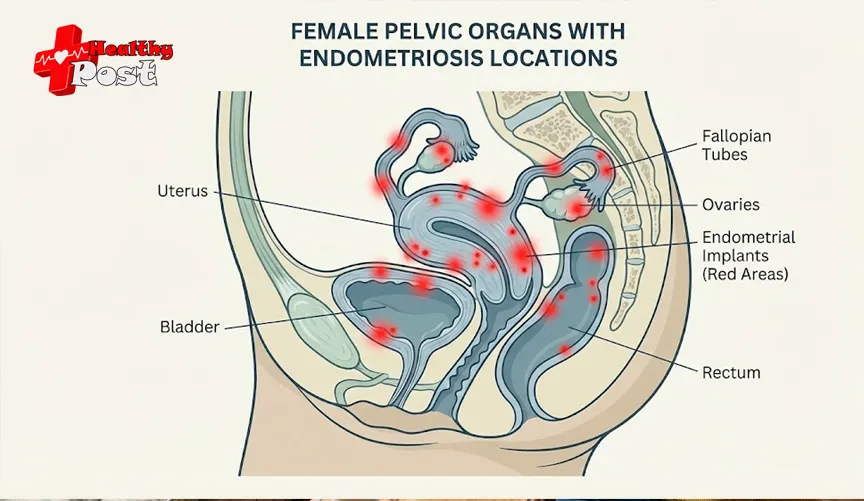
- These growths can appear on ovaries, fallopian tubes, bladder, bowel, and more.
- Each month, this tissue reacts to hormones. It may bleed, swell, and cause irritation.
Over time, this can lead to:
- Chronic inflammation
- Scar tissue and adhesions (organs sticking together)
- Severe endometriosis symptoms, even outside of your period
For a clear medical overview, you can also read what is endometriosis from a trusted professional source.
You deserve answers. Let’s break down the signs your body may already be sending. 👇
1. Period Pain That Feels “Beyond Normal” 😣
Mild cramping during your period can be normal. But if your cramps:
- Make you double over in pain
- Keep you from work, school, or daily tasks
- Do not respond to regular pain relief
…that is not something to ignore.
Many people with this condition describe period pain as:
- Sharp, stabbing, or burning
- Spreading from the pelvis to the back or legs
- So intense it causes nausea or vomiting
If your period pain feels impossible to manage month after month, it may be more than “just bad cramps.”
2. Heavy, Flooding, or Irregular Bleeding
Another common sign in the list of endometriosis symptoms is unusual bleeding. This might look like:
- Needing to change pads or tampons every 1–2 hours
- Passing large clots
- Bleeding for more than seven days
- Very short cycles, such as bleeding every 21 days or less
Heavy bleeding can lead to anemia, leaving you exhausted and short of breath. This is not something you should accept as “normal for you.”
3. Pain Before Your Period Even Starts
Many people feel pain days or even a week before bleeding begins. This may feel like:
- Dull pelvic ache that builds over time
- Sharp twinges in the lower abdomen
- Back pain that worsens right before your period
If you track your cycle and notice pain flares before bleeding begins, that pattern matters. It can help your doctor understand what might be going on.
4. Ovulation Pain That Stops You in Your Tracks
Some people feel a small pinch at ovulation. With this condition, that pain can be extreme. You might feel:
- Sudden, sharp pain on one side of the lower abdomen
- Pain that lasts for hours or even a day
- Discomfort so strong you need to lie down
If mid‑cycle pain repeats every month and interferes with daily life, bring it up with your healthcare provider.
5. Painful Sex (Dyspareunia)
Sex should not hurt. Yet pain during or after sex is a major but often hidden sign. It may feel like:
- Deep, aching pain with penetration
- Sharp pain with certain positions
- Cramping or burning for hours after sex
Some people avoid intimacy out of fear of pain. This can affect relationships and self‑esteem. You are not alone, and you are not “broken.” Painful sex is a valid medical concern.
6. Ongoing Pelvic or Lower Back Pain
Pelvic pain is one of the most common endometriosis symptoms. It might show up as:
- Constant dull ache in the lower abdomen
- Pain that spreads to the hips or lower back
- Discomfort that worsens with standing, walking, or sitting long hours
This pain often worsens around your period but may never fully disappear. Many people are told it is “muscle pain” or “stress” when it is actually something more.
7. Painful Bowel Movements 🚽
Endometrial‑like tissue can attach to the bowel. This may cause:
- Pain during bowel movements, especially during your period
- Feeling like you are “pooping glass”
- Rectal pressure or stabbing pain
Sometimes blood appears in the stool during menstruation. This is not normal and must be discussed with a doctor.
8. Painful Urination, Especially During Your Period
When lesions affect the bladder or urinary system, you might notice:
- Burning or sharp pain when you pee
- Pelvic pressure after urinating
- Needing to pee very often, with little urine
If these symptoms worsen around your period or come in cycles, that pattern is important. It may be misdiagnosed as repeated infections.
9. Bloating and the Famous “Endo Belly” 🤰 (But Not Pregnant)
Many people describe their belly swelling quickly, especially around their period. This “endo belly” can feel:
- Rock‑hard and distended
- Painful or pressure‑filled
- Embarrassing, as clothes suddenly no longer fit
Bloating can appear within hours and then settle again. While many conditions cause bloating, severe, cyclical swelling deserves investigation.
Quick Comparison of Common Symptoms
| Symptom | How It Often Feels | When to Seek Help |
|---|---|---|
| Severe period cramps | Sharp, disabling, not eased by pain meds | If they stop you from normal daily activity |
| Painful sex | Deep ache, sharp pain, lasting after sex | If you avoid sex because of pain |
| Painful bowel movements | Stabbing rectal pain, esp. on period | If it repeats monthly or includes bleeding |
| “Endo belly” bloating | Sudden hard swelling, tender abdomen | If it is frequent and linked to your cycle |
| Chronic pelvic/back pain | Persistent ache or burning | If it lasts for months or keeps worsening |
10. Chronic Fatigue That Feels Bone‑Deep
Constant inflammation, pain, and heavy bleeding can drain your energy. Fatigue may show as:
- Struggling to get out of bed
- Feeling exhausted after simple tasks
- Needing long naps yet never feeling rested
This is not laziness. Chronic pain conditions often come with overwhelming tiredness. It is a real symptom, not a character flaw.
11. Nausea, Diarrhea, or Constipation
The digestive system often joins the storm. You might experience:
- Nausea during your period or mid‑cycle
- Diarrhea or loose stools during your period
- Constipation that worsens around the same time each month
These signs are easy to mislabel as “IBS” alone. For some people, bowel symptoms and pelvic pain exist together as part of a bigger picture.
12. Difficulty Getting Pregnant
Not everyone with this condition has fertility problems. But scarring and inflammation can affect the reproductive organs. You may:
- Try to conceive for a year (or six months if over 35) without success
- Learn that one or both fallopian tubes are blocked
- Experience early miscarriages
If you face infertility along with pelvic pain, heavy periods, or painful sex, ask your doctor to review possible causes linked to this disease.
13. Spotting Between Periods or After Sex
Light bleeding or brown discharge between periods can be a clue. This may look like:
- Needing a liner several days before your period
- Spotting after intercourse
- Having a “shadow period” between full bleeds
Many things can cause spotting, including hormonal changes or infections. But when it appears alongside other warning signs, it is worth a closer look.
14. Pain That Shoots Down the Legs
Some lesions can irritate nearby nerves. The result can be:
- Pain down the front or back of your thighs
- Numbness, tingling, or weakness in one leg
- Pain that flares with your cycle
This can be mistaken for a back problem alone. Tracking when it happens helps your healthcare provider see the pattern.
15. Pain During Pelvic Exams or Pap Smears
Routine exams should not be unbearable. If you feel:
- Sharp pain when the speculum is inserted
- Deep pelvic pain when the cervix is touched
- Cramping that lasts after the exam
…your provider needs to know. Pelvic exams can be especially uncomfortable when there is inflammation or scar tissue.
You deserve gentle care and clear communication during exams.
16. Shoulder, Chest, or Rib Pain During Your Period
This is less common but important. In rare cases, tissue can grow near the diaphragm. That may cause:
- Pain under the ribs, often on the right side
- Pain that worsens with deep breathing
- Shoulder pain that appears with your period
Any chest pain needs urgent medical attention to rule out emergencies. If serious causes are excluded and pain only appears with your cycle, mention this pattern to a specialist.
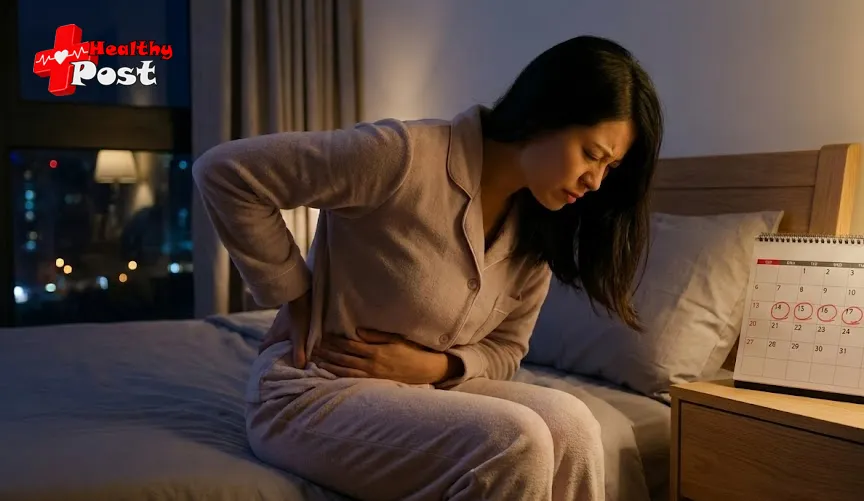
17. Problems Emptying the Bladder or Going Often
Bladder involvement can cause confusing changes, such as:
- Feeling unable to empty the bladder fully
- Needing to pee very often, even at night
- Pelvic pressure or pain when the bladder is full
If urine tests are normal but symptoms persist, consider asking whether this condition could be part of the story.
18. Mood Changes, Anxiety, or Depression 😔
Living with chronic pain affects mental health. Hormonal shifts may also play a role. You might notice:
- Feeling on edge as your period approaches
- Tearfulness or irritability linked to pain flares
- Hopelessness after years of being dismissed
Your emotional health matters as much as your physical health. Therapy, support groups, and compassionate medical care can help. You do not have to “tough it out” alone.
19. Pain at Old C‑Section or Surgery Scars
Sometimes tissue grows in or near surgical scars. Signs can include:
- A lump or thickening in a scar that gets tender with your cycle
- Local pain or swelling near that scar during your period
- Discomfort when touching or pressing on that area
If a scar seems to “come alive” with your cycle, mention this clearly to your doctor. It may guide imaging or further testing.
20. Symptoms That Flare with Your Cycle but Have No Clear Cause
Perhaps your individual symptoms do not fit a neat box. You might notice:
- Cyclical migraines
- Hip pain that flares monthly
- Strange nerve pains, bowel changes, or backaches
The key detail: they appear or worsen in rhythm with your period. That monthly pattern is a big clue and should never be ignored.
When These 20 Symptoms of Endometriosis Add Up
One symptom alone may not point clearly to this condition. But when several signs appear together, especially in a monthly pattern, it is time to seek evaluation.
Consider keeping a symptom diary for two to three cycles. Note:
- Pain location and intensity
- Bleeding patterns
- Digestive and bladder changes
- Impact on sleep, work, and relationships
Bring this record to your appointment. It can help your doctor see connections that are easy to miss in a short visit.
How Is This Condition Diagnosed?
Diagnosis can be challenging. Many people wait years for answers. Common steps may include:
- Detailed history and physical exam
- Pelvic ultrasound to look for cysts or other issues
- MRI in some cases
The only way to confirm the condition with certainty is through laparoscopy. This is a minimally invasive surgery where a camera looks inside the pelvis. During this procedure, a surgeon can also remove or destroy visible lesions.
Treatment Options, Including Endometriosis Surgery
Treatment is tailored to your symptoms, goals, and life stage. Options can include:
- Pain relief medicines
- Hormonal treatments (pills, IUD, injections)
- Lifestyle support like pelvic floor therapy and nutrition changes
- Counseling or support groups for emotional well‑being
In more severe cases, endometriosis surgery may be suggested to remove or excise lesions and scar tissue. If you are considering this option, reading about endometriosis surgery from a reputable source can help you prepare questions for your specialist.
Surgery is not a cure for everyone, but it can bring major relief for many. Ongoing follow‑up is important.
FAQs About Endometriosis
1. Can you have this condition without severe pain?
Yes. Some people have very mild pain or no pain at all. Others notice only heavy periods or fertility problems. The condition can still be present even if pain is not extreme.
2. Is it “just a bad period”?
No. While it often affects menstruation, it is a chronic inflammatory disease. It can impact many organs and your quality of life. Dismissing it as “just bad periods” delays diagnosis and care.
3. How long does it take to get diagnosed?
Sadly, many people wait 7–10 years or more. Reasons include stigma around period pain, lack of awareness, and overlapping conditions. Tracking your symptoms and advocating for yourself can help shorten this timeline.
4. Can this condition be cured?
There is currently no guaranteed cure. However, many people find a mix of treatments that give them long‑term relief and allow them to live full lives. Management is often ongoing, like care for other chronic illnesses.
5. Does pregnancy make it go away?
Pregnancy may reduce symptoms for some people, but it is not a treatment. Many still have pain after pregnancy, and others struggle to conceive in the first place. You should never feel pressured to become pregnant as “treatment.”
6. When should I see a doctor?
See a doctor if:
- Pain keeps you from normal activities
- Pain relief stops working
- You have very heavy or irregular bleeding
- Sex, bowel movements, or urination are often painful
- You are trying to conceive and having difficulty
You deserve to be taken seriously. If one provider dismisses you, seeking a second opinion is completely reasonable.
Gentle Next Steps: Listening to Your Body 💛
Your body has been speaking to you through pain, fatigue, and strange monthly patterns. These endometriosis symptoms are not a sign of weakness. They are signals that something needs attention.
If you recognize yourself in several of the 20 symptoms of endometriosis described above:
- Start a simple symptom diary
- Book an appointment with a trusted healthcare provider
- Bring a friend or partner for support if that feels helpful
- Prepare questions about tests, treatment options, and referrals
Living with this condition can be overwhelming, but you are not alone. Many people find relief through the right combination of care, including medicines, lifestyle support, and where needed, endometriosis surgery.
Most of all, remember this: your pain is real, your story matters, and you deserve compassionate, thorough care. 🌼