


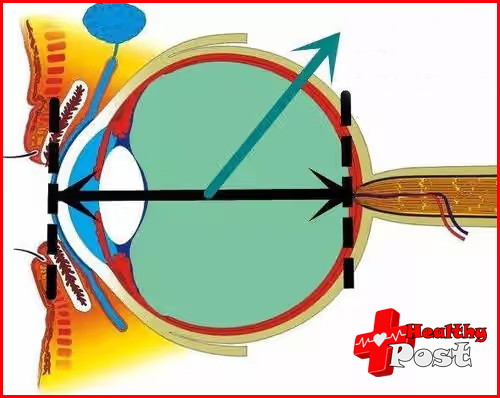
We all know that the eye axis itself has physiological growth. The root cause of myopia is that the growth rate of the eye axis exceeds the original physiological growth rate.
Many parents ask me, how much eye axis growth is normal each year? Today we are going to talk about this topic.
How do the eyes of children with normal vision develop?
When a baby is born, the axial length of the eye is about 16 to 17 mm. When the baby is 3 years old, the axial length of the eye grows to 21 to 21.5 mm. The baby has about 300 degrees of physiological hyperopia, also called hyperopia reserve.
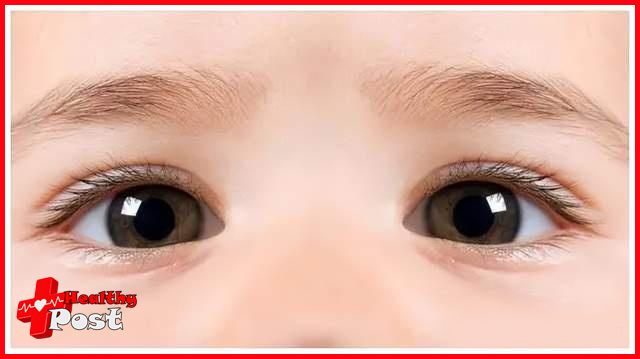
In different studies, the physiological axial growth rate of emmetropia children (children without myopia) is not consistent. The results of the Large-Scale Longitudinal Evaluation (CLEERE) study in the United States showed that children who maintained emmetropia , by age, grew an average of 0.16mm per year for 6-9 years old, 0.08mm per year for 9-12 years old, and 0.02mm per year for 11-14 years old. The annual axial growth of 8-year-old non-myopic children in Asia was 0.12±0.24mm , and the annual axial growth of 9-year-old non-myopic children in Europe was 0.12~0.29mm.
Some studies also believe that the axial length of a child’s eye grows an average of 0.10 mm per year before the age of 13, and the small amount of growth in the emmetropia after that is considered “insignificant . “
Axial length
According to most studies, the axial length growth rate is often faster before the age of 10 years. The axial length growth of emmetropic children is usually 0.1-0.2 mm per year. After that, an axial length growth of about 0.1 mm per year is a normal phenomenon in the emmetropization process, which is usually completed during adolescence.
What does it mean when the eye axis growth rate is higher than the physiological growth rate?
The CLEERE study found that the axial length of the eye grows fastest one year before myopia occurs, and myopia will grow by 0.33 mm each year in the future. After the onset of myopia, the annual growth slows to 0.20-0.27 mm and continues throughout the entire myopia progression process.
This is why we recommend monitoring axial length growth to assess a child’s visual development, even if the child has not yet developed myopia.
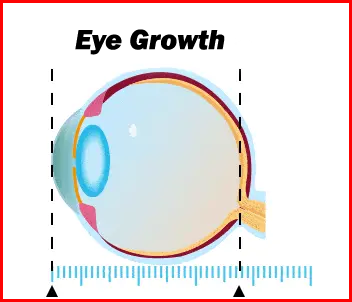
Further analysis of the CLEERE data found that an annual increase in axial length of more than 0.22 mm is a way to identify whether myopia is developing rapidly, and this is unrelated to the axial length or refractive progression history of the previous year. Axial growth rate ≤ 0.22mm/year (about 0.02mm/month) is also considered by us to be the passing line for myopia prevention and control . Although 0.22mm/year cannot completely prevent the development of myopia, the growth rate is very slow and is effective prevention and control.
Another large-scale study on refractive development, the Singapore Myopia Risk Factor Cohort Study, found that regardless of the age of onset, the axial length of boys and girls at the onset of myopia was similar, at (24.08±0.67) mm and (23.69±0.69) mm, respectively.
What is the growth rate of the eye axis after myopia?
This needs to be discussed in two situations.
If there is no effective prevention and control
The rate of axial growth begins before myopia develops and continues after it develops. In large non-myopic controlled studies (correct with single-vision glasses), myopia progression has been observe to increase by about 0.3 mm per year in younger children (before about 11 years of age) and by about 0.2 mm per year in older children (after about 11 years of age).
What if effective prevention and control is carry out?
Assuming that a child develops myopia before the age of 10, as mentioned earlier, without effective prevention and control, the axial length of the eye will grow by approximately 0.3mm per year.
Correspondingly, the axial length of emmetropia children grows by 0.1-0.2 mm per year. Slowing down the axial length growth rate to the same level can be consider a relatively ideal effect.
Assuming that a child develops myopia after the age of 10 and there is no effective prevention and control measures, the axial length growth rate is about 0.2mm/year.
Correspondingly, the axial length growth rate of emmetropic children is about 0.1mm per year at this time. Therefore, slowing down the axial length growth to below 0.1mm at this age is consider to be effective prevention and control.
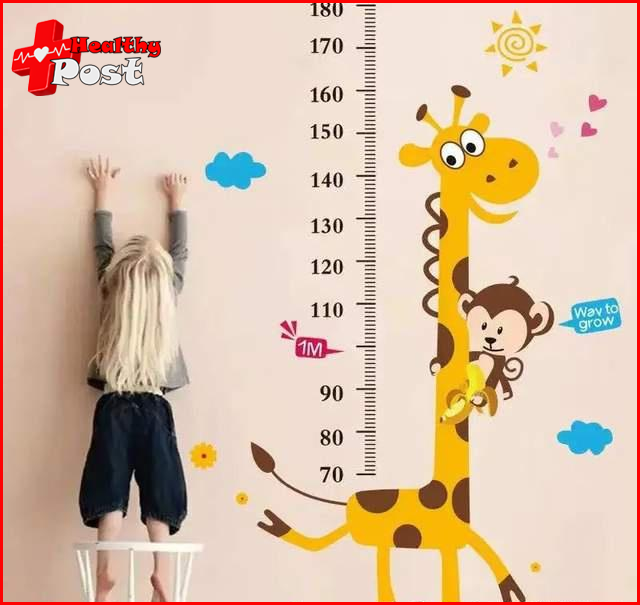
In addition to the dimension of time, if the child is in a period of rapid growth, it may be more reasonable to use the dimension of height to measure the growth rate of the eye axis. Generally speaking, every 10cm of height will increase the eye axis by 0.3mm.
Rapid Growth
During the period of rapid growth of a child’s height, he grows 10 cm a year. It is unrealistic to expect the axial length to grow only 0.1 mm. However, the growth of the axial length at this time will not increase the degree of myopia. You can understand it as the eyeball grows proportionally. The anterior-posterior diameter, the upper-lower diameter, and the left-right diameter will grow synchronously. The growth of the anterior-posterior diameter, i.e. the axial length, will increase the degree of myopia, while the growth of the upper-lower and left-right diameters will thin the lens and reduce the degree. The two phases neutralize each other, so it will not lead to a sudden increase in myopia.
Therefore, we cannot use the rapid increase in height as an excuse for the increase in myopia .
When will myopia increase?
The study found that the average age of axial stabilization was 16.3±2.4 years, and the average axial length at that time was 25.2±0.9mm, and it was not related to factors such as race, gender, and the number of parents with myopia.
Is eye axial length related to gender?
It’s really related.
If the axial length of the eye is in physiological growth and there is no myopia, the average final axial length of European children is about 23 mm for females and 23.5 mm for males. This gender difference appears around the age of 5 and persists thereafter.
What if it is myopia? Even with similar degrees of refractive error and similar ages of myopia stabilization, the axial length of male eyes in the stable myopia period is about 0.5 mm longer than that of female eyes (25.5 mm and 25 mm, respectively).
In summary, the axial length of the eye of males tends to be about 0.5 mm longer than that of females, which is meaningful for comparing the axial lengths of children of similar age but different genders.

Well, that’s all for today’s sharing. Finally, let me summarize that no matter it is emmetropia or myopia, the eye axis grows fastest before the age of 10. Whether it is myopia prevention and control or monitoring of eye axis development, the earlier the better. Without effective control, the eye axis growth rate of myopic children is higher than that of emmetropia children every year. Therefore, our first goal of prevention and control is to slow down the growth rate to the same level as physiological growth. Less growth means more success.
