
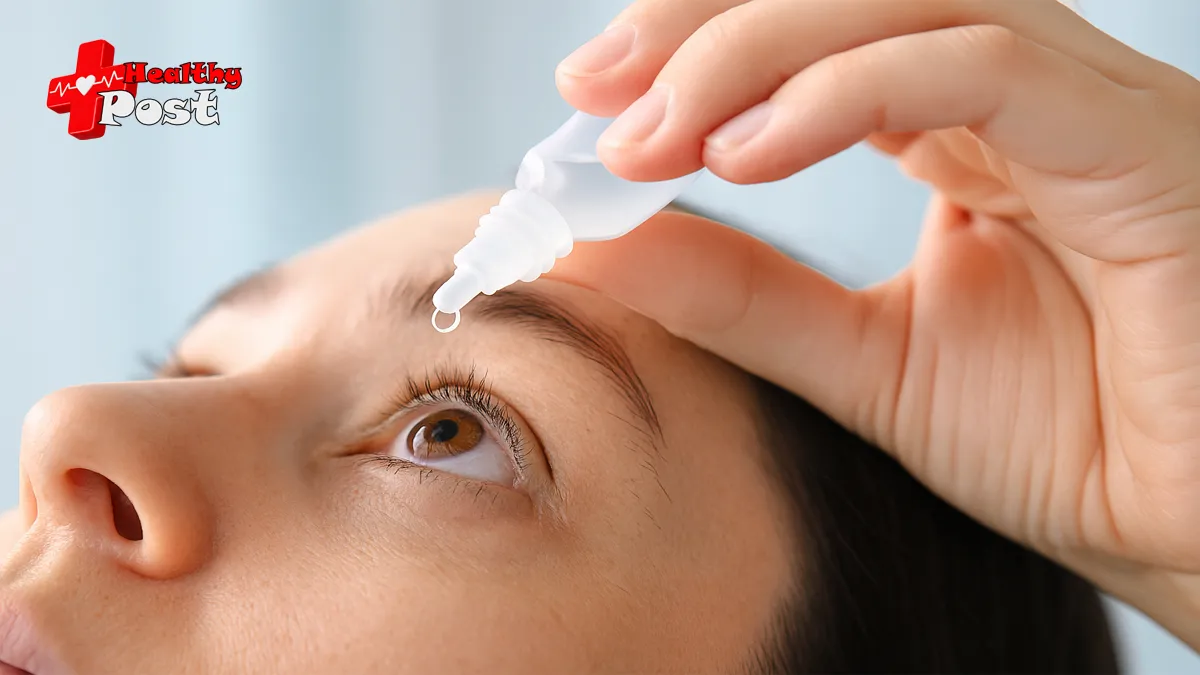
10 Ultimate Facts About Lubrex Eye Drops: Uses, Side Effects & Reviews
Struggling with dry, irritated eyes and wondering if Lubrex Eye Drops can help? This in‑depth guide explains what they are, how to use them safely, and what real users often experience.
Fact 1: What Are Lubrex Eye Drops? 👁️
Lubrex Eye Drops are typically marketed as lubricating or “artificial tear” drops. They are designed to relieve symptoms such as:
- Dryness
- Grittiness or “sand in the eye” feeling
- Mild burning or irritation
- Eye strain from screens or reading
The active ingredients can vary by country or manufacturer. Many similar products contain one or more of the following:
- Carboxymethylcellulose or hydroxypropyl methylcellulose
- Polyethylene glycol or propylene glycol
- Hypromellose
- Electrolytes that support the natural tear film
These ingredients act as a tear substitute. They coat the surface of your eye, helping stabilize the tear film and reduce friction when you blink.
Because formulas can differ, it is essential to:
- Read the patient information leaflet.
- Check for preservatives if you have sensitive eyes.
- Ask your eye doctor or pharmacist if you are unsure.
Fact 2: Key lubrex eye drops uses 💧
Understanding the main lubrex eye drops uses helps you know when they are likely to help and when they may not be enough.
1. Relieving dry eye symptoms
Dry eye is one of the most common complaints in eye clinics. Many people experience:
- Burning or stinging
- Redness
- Blurry vision that clears after blinking
- Heavy, tired eyes
Lubrex and similar artificial tear drops can:
- Add moisture to the eye surface.
- Reduce friction between the eyelid and cornea.
- Temporarily improve comfort and clarity.
For more background on the condition, you can read this overview of dry eye disease from the American Academy of Ophthalmology.
2. Screen‑related eye strain
Long hours on computers, phones, or tablets reduce blink rate. This speeds up tear evaporation. Lubricating drops can help:
- Refresh the eyes during long work sessions.
- Reduce the “tired screen‑eyes” feeling.
Example: A graphic designer uses lubricating drops twice a day during long projects and schedules regular breaks. Symptoms often improve over several weeks.
3. Environmental irritation
You may benefit from Lubrex Eye Drops if you are exposed to:
- Air‑conditioning or heating
- Windy or dusty environments
- Airplane cabins
These conditions dry out the tear film quickly. A few drops before or after exposure can ease discomfort.
4. Mild allergy‑related irritation (as supportive care)
If you have seasonal allergies, your eyes may feel itchy and watery. While allergy eye drops treat the underlying reaction, lubricants like Lubrex can:
- Flush away allergens from the eye surface.
- Provide extra comfort alongside prescribed medicines.
They are not a replacement for true anti‑allergy drops, but can support comfort.
5. Contact lens wear (only if product is compatible)
Some artificial tears are compatible with contact lenses; others must be used only before or after lens wear. Always check the label.
- If compatible: They may help with dryness while lenses are in.
- If not compatible: Remove lenses, apply drops, wait, then reinsert.
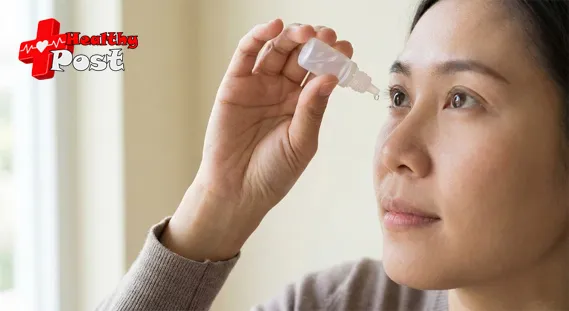
Fact 3: How to Use Lubrex Eye Drops Safely and Effectively ✅
Knowing how to use lubrex eye drops correctly makes a real difference. Technique affects how well the drops work and how long each bottle lasts.
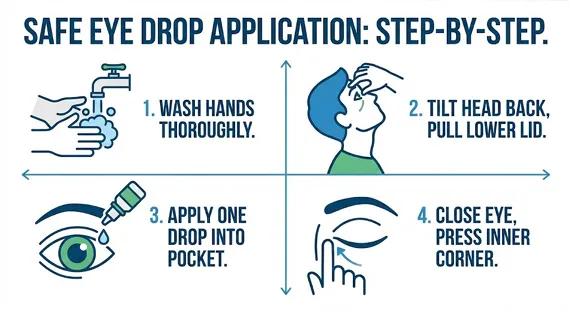
Step‑by‑step guide
- Wash your hands
Use soap and water. Dry them with a clean towel. - Check the bottle
- Confirm the name and expiry date.
- Ensure the seal is intact the first time you open it.
- Prepare your position
- Sit or stand with your head slightly tilted back.
- Look up at the ceiling.
- Create a small pocket
- Gently pull down your lower eyelid with a clean finger.
- This forms a small pocket between the lid and eye.
- Apply the drop
- Hold the bottle above the eye without touching the eye or lashes.
- Squeeze out one drop into the pocket.
- Close and press gently
- Close the eye for 1–2 minutes, without squeezing hard.
- Optionally, press gently on the inner corner of the eye to reduce drainage to the nose.
- Repeat for the other eye if advised.
- Replace the cap
- Close the bottle tightly.
- Avoid touching the tip.
How often can you use them?
Frequency depends on:
- The exact formulation
- Presence or absence of preservatives
- Your doctor’s instructions
General patterns:
- Preserved drops: often used up to 3–4 times a day.
- Preservative‑free single‑dose units: may be used more often, as advised.
Do not exceed the recommended dose on the package unless your eye specialist instructs you.
Fact 4: Understanding lubrex eye drops uses side effects ⚠️
Most people tolerate lubricating eye drops well. Still, every medication has potential downsides. Knowing lubrex eye drops uses side effects helps you use them wisely.
Common, usually mild effects
These are usually brief and go away on their own:
- Mild temporary burning or stinging
- Slight blur immediately after putting in the drop
- Watery eyes
- Feeling of residue or stickiness
Less common, more serious side effects
Stop using the drops and seek medical help urgently if you notice:
- Intense eye pain
- Sudden vision changes that do not clear after blinking
- Severe redness, swelling, or discharge
- Rash, swelling of the face or eyelids, or trouble breathing
These could indicate:
- Allergy to one of the ingredients
- An infection or another eye disease requiring different treatment
Preservatives and sensitivity
Some formulations contain preservatives such as benzalkonium chloride (BAK). In sensitive people, long‑term use of preserved drops may:
- Worsen dryness in the long run
- Irritate the eye surface
- Aggravate conditions like blepharitis
If you use drops many times each day or for months, ask your doctor about preservative‑free options.
Quick overview table: Common experiences with lubricating drops
| Situation / Symptom | Likely Effect of Lubrex‑type Drops | Important Notes |
|---|---|---|
| Mild dry eye from screens | Often helpful for comfort | Combine with breaks and blinking exercises. |
| Moderate to severe dry eye disease | Partial relief only | May need gels, prescription drops, or plugs. |
| Red, painful, light‑sensitive eye | Usually not enough and may delay care | Urgent eye exam recommended. |
| Contact lens discomfort | Sometimes helpful | Check if product is lens‑compatible first. |
| Allergy‑related itch | Supportive relief | Use with proper anti‑allergy treatment if needed. |
Fact 5: Who Should Be Extra Careful With Lubrex Eye Drops?
While Lubrex Eye Drops are often available without a prescription, some people need extra caution.
You should speak to an eye specialist or pharmacist before use if you:
- Have severe eye pain or sudden vision loss
- Recently had eye surgery (e.g., cataract, LASIK)
- Have known allergies to eye drop ingredients
- Have been diagnosed with glaucoma, uveitis, or other serious eye diseases
- Notice persistent redness in just one eye
Also seek advice if:
- You are pregnant or breastfeeding.
- You plan to use several different eye medications.
Some situations require tailored treatment, not only lubricants.
Fact 6: Using Lubrex Eye Drops With Other Medications
Many people use more than one kind of eye drop. Timing matters.
Spacing different eye drops
If you use Lubrex plus other eye medications:
- Wait at least 5–10 minutes between different types of drops.
- Use thinner, watery drops first, then thicker gels or ointments later.
Example order:
- Prescription glaucoma drop
- Wait 10 minutes
- Lubrex Eye Drops or similar lubricant
- Wait again if an ointment is needed at night
This spacing reduces the risk of one drop washing out another.
Contact lens considerations
- If the product is not labeled safe for use with contact lenses:
- Remove lenses.
- Apply drops.
- Wait at least 15 minutes before reinserting lenses.
- If it is lens‑compatible:
- You can usually apply drops while wearing lenses.
- Still avoid touching bottle tip to lens or eye.
Fact 7: Lubrex vs Other Artificial Tear Drops 🧴
You may wonder how Lubrex compares to other brands of artificial tears.
Some differences between products include:
- Thick vs thin texture
- Thinner drops: feel light, good for daytime use.
- Thicker drops/gels: last longer, better at night, may blur more.
- Preserved vs preservative‑free
- Preserved: convenient multi‑dose bottles, lower price.
- Preservative‑free: better for frequent or long‑term use, often in single‑dose vials.
- Extra ingredients
- Electrolytes that mimic natural tears.
- Lipid components to help with evaporative dry eye.
For a broader overview of this class of products, see the Mayo Clinic description of artificial tears.
Your ideal choice depends on:
- How severe your dryness is
- How often you use drops
- Whether you wear contact lenses
- Any allergies or sensitivities
Fact 8: Real‑World Experiences and lubrex eye drops reviews 🌟
While individual lubrex eye drops reviews will vary, many patterns appear in user feedback for lubricating drops in general.
Common positive experiences
People often report:
- Quick relief from burning or gritty sensation
- Easier computer use and reading
- Less need to rub or wipe the eyes
Short example:
A university student using screens over 10 hours daily notices less evening irritation after using lubricating drops three times a day for two weeks.
Common limitations in reviews
On the other hand, some users mention:
- Relief that lasts only a short time
- Needing drops very frequently on windy or dry days
- Blurry vision right after instillation, especially with thicker drops
If you find yourself using the drops every hour with little improvement, this is a signal to consult an eye doctor. Persistent dryness may need more advanced treatment.
How to interpret online reviews wisely
When reading product reviews:
- Remember that eye conditions differ widely.
- Keep in mind that technique and frequency matter.
- Use reviews as guidance, not strict rules.
A professional eye exam remains the best way to tailor treatment to your specific situation.

Fact 9: Practical Tips to Get the Most From Lubrex Eye Drops
Eye drops work best when combined with healthy habits. These tips can improve results.
1. Follow the 20–20–20 rule
Every 20 minutes:
- Look at something 20 feet away
- For at least 20 seconds
This helps reduce digital eye strain and supports a more regular blink rate.
2. Blink consciously
Many people blink less when focused. Occasionally remind yourself to blink fully:
- Gently close the eyes for a moment.
- Open them slowly to spread the tears evenly.
3. Adjust your environment
You can reduce dryness by:
- Avoiding air blowing directly onto your face
- Using a humidifier in very dry rooms
- Taking regular breaks from air‑conditioned spaces
4. Hydrate and consider general health
Dehydration and certain medications can worsen dry eye symptoms. Try to:
- Drink adequate water through the day.
- Discuss any medications that may contribute to dryness with your doctor.
5. Keep eyelids clean
Conditions like blepharitis (eyelid inflammation) can worsen dryness. Gentle lid hygiene can help:
- Warm compresses over closed eyelids
- Gentle cleaning of the lid margins with recommended wipes or diluted solution
An eye‑care professional can show you the proper technique or you may use your clinic’s written blepharitis care guide if available on your site.
Fact 10: When to Stop Self‑Treatment and Seek Medical Help 🩺
Lubrex Eye Drops can be very helpful for mild to moderate symptoms. However, there are clear situations where self‑treatment is not enough.
Seek urgent or same‑day eye care if you notice:
- Sudden or severe eye pain
- Rapid change or loss of vision
- Strong sensitivity to light
- A curtain‑like shadow in vision
- Trauma or chemical exposure to the eye
Make an appointment soon (within days) if:
- You use lubricating drops several times a day for more than two weeks with little relief.
- Only one eye is persistently red or uncomfortable.
- You notice significant discharge or crusting.
- Your work, reading, or driving is affected by eye discomfort.
An eye specialist can:
- Confirm or rule out dry eye disease, allergy, infection, or other conditions.
- Recommend tailored treatments, including prescription drops, plugs, or procedures.
- Check for systemic issues like autoimmune disease when appropriate.
FAQs About Lubrex Eye Drops
1. Are Lubrex Eye Drops safe for long‑term use?
In many cases, lubricating drops are safe for long‑term use, especially preservative‑free formulas. Still, long‑standing symptoms deserve an eye exam. Your doctor can confirm that no other condition is being missed.
2. Can I use Lubrex Eye Drops every day?
Most people can use them daily, following the package directions. If you need them many times a day, or symptoms keep getting worse, schedule an eye check to reassess your treatment plan.
3. Can I use Lubrex Eye Drops with contact lenses?
This depends on the specific formulation. Read the label carefully. If it does not say lens‑compatible, remove your lenses before applying the drops and wait at least 15 minutes before reinserting them.
4. How long does a bottle last once opened?
Many eye drops should be discarded 28 days after opening, but this varies. Always follow the instructions on the packaging. Single‑use vials are usually discarded immediately after opening, even if some liquid remains.
5. Can I share my Lubrex Eye Drops with someone else?
No. Sharing eye drops can spread infection. Each person should use their own bottle or single‑dose units.
6. Do Lubrex Eye Drops cure dry eye?
They usually relieve symptoms rather than cure the underlying cause. Dry eye often needs a combination of lifestyle changes, appropriate drops, and sometimes prescription treatments determined by an eye specialist.
Conclusion: Using Lubrex Eye Drops Wisely for Comfortable Eyes 👀
Lubrex Eye Drops can play a valuable role in easing dryness, irritation, and screen‑related eye strain. When you understand lubrex eye drops uses, possible side effects, and correct application techniques, you give yourself the best chance of relief.
Key points to remember:
- Use them as directed, with good technique and clean hands.
- Watch for persistent or severe symptoms that may signal deeper problems.
- Consider your environment, lifestyle, and general health alongside any eye drops.
- Seek professional advice if you are unsure, have underlying eye disease, or do not improve.
Used thoughtfully, Lubrex Eye Drops and similar lubricants can become a supportive part of your daily eye‑care routine, helping you see and live more comfortably. If your eyes are still bothering you despite regular use, the next helpful step is a thorough eye examination with a qualified professional.Struggling with dry, irritated eyes and wondering if Lubrex Eye Drops can help? This in‑depth guide explains what they are, how to use them safely, and what real users often experience.
Fact 1: What Are Lubrex Eye Drops? 👁️
Lubrex Eye Drops are typically marketed as lubricating or “artificial tear” drops. They are designed to relieve symptoms such as:
- Dryness
- Grittiness or “sand in the eye” feeling
- Mild burning or irritation
- Eye strain from screens or reading
The active ingredients can vary by country or manufacturer. Many similar products contain one or more of the following:
- Carboxymethylcellulose or hydroxypropyl methylcellulose
- Polyethylene glycol or propylene glycol
- Hypromellose
- Electrolytes that support the natural tear film
These ingredients act as a tear substitute. They coat the surface of your eye, helping stabilize the tear film and reduce friction when you blink.
Because formulas can differ, it is essential to:
- Read the patient information leaflet.
- Check for preservatives if you have sensitive eyes.
- Ask your eye doctor or pharmacist if you are unsure.
Fact 2: Key lubrex eye drops uses 💧
Understanding the main lubrex eye drops uses helps you know when they are likely to help and when they may not be enough.
1. Relieving dry eye symptoms
Dry eye is one of the most common complaints in eye clinics. Many people experience:
- Burning or stinging
- Redness
- Blurry vision that clears after blinking
- Heavy, tired eyes
Lubrex and similar artificial tear drops can:
- Add moisture to the eye surface.
- Reduce friction between the eyelid and cornea.
- Temporarily improve comfort and clarity.
For more background on the condition, you can read this overview of dry eye disease from the American Academy of Ophthalmology.
2. Screen‑related eye strain
Long hours on computers, phones, or tablets reduce blink rate. This speeds up tear evaporation. Lubricating drops can help:
- Refresh the eyes during long work sessions.
- Reduce the “tired screen‑eyes” feeling.
Example: A graphic designer uses lubricating drops twice a day during long projects and schedules regular breaks. Symptoms often improve over several weeks.
3. Environmental irritation
You may benefit from Lubrex Eye Drops if you are exposed to:
- Air‑conditioning or heating
- Windy or dusty environments
- Airplane cabins
These conditions dry out the tear film quickly. A few drops before or after exposure can ease discomfort.
4. Mild allergy‑related irritation (as supportive care)
If you have seasonal allergies, your eyes may feel itchy and watery. While allergy eye drops treat the underlying reaction, lubricants like Lubrex can:
- Flush away allergens from the eye surface.
- Provide extra comfort alongside prescribed medicines.
They are not a replacement for true anti‑allergy drops, but can support comfort.
5. Contact lens wear (only if product is compatible)
Some artificial tears are compatible with contact lenses; others must be used only before or after lens wear. Always check the label.
- If compatible: They may help with dryness while lenses are in.
- If not compatible: Remove lenses, apply drops, wait, then reinsert.
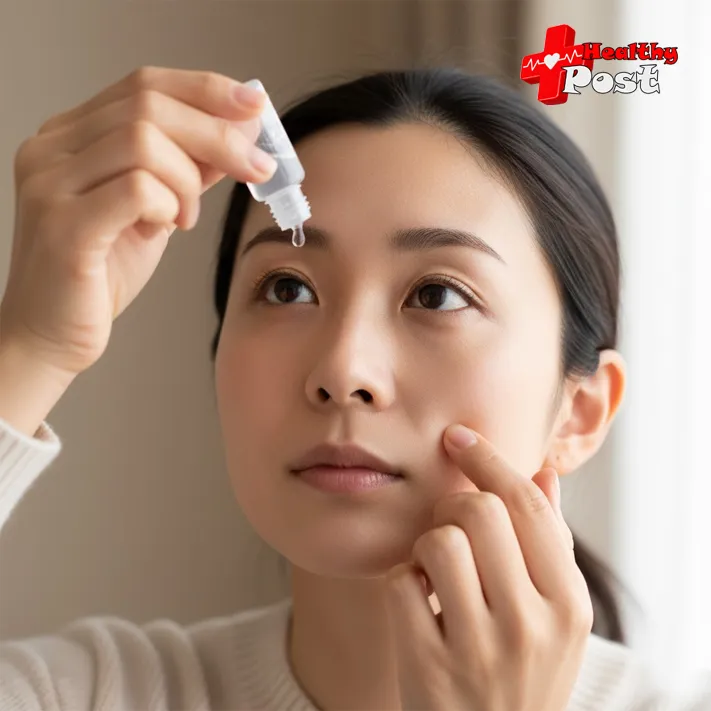
Fact 3: How to Use Lubrex Eye Drops Safely and Effectively ✅
Knowing how to use lubrex eye drops correctly makes a real difference. Technique affects how well the drops work and how long each bottle lasts.
Step‑by‑step guide
- Wash your hands
Use soap and water. Dry them with a clean towel. - Check the bottle
- Confirm the name and expiry date.
- Ensure the seal is intact the first time you open it.
- Prepare your position
- Sit or stand with your head slightly tilted back.
- Look up at the ceiling.
- Create a small pocket
- Gently pull down your lower eyelid with a clean finger.
- This forms a small pocket between the lid and eye.
- Apply the drop
- Hold the bottle above the eye without touching the eye or lashes.
- Squeeze out one drop into the pocket.
- Close and press gently
- Close the eye for 1–2 minutes, without squeezing hard.
- Optionally, press gently on the inner corner of the eye to reduce drainage to the nose.
- Repeat for the other eye if advised.
- Replace the cap
- Close the bottle tightly.
- Avoid touching the tip.
How often can you use them?
Frequency depends on:
- The exact formulation
- Presence or absence of preservatives
- Your doctor’s instructions
General patterns:
- Preserved drops: often used up to 3–4 times a day.
- Preservative‑free single‑dose units: may be used more often, as advised.
Do not exceed the recommended dose on the package unless your eye specialist instructs you.
Fact 4: Understanding lubrex eye drops uses side effects ⚠️
Most people tolerate lubricating eye drops well. Still, every medication has potential downsides. Knowing lubrex eye drops uses side effects helps you use them wisely.
Common, usually mild effects
These are usually brief and go away on their own:
- Mild temporary burning or stinging
- Slight blur immediately after putting in the drop
- Watery eyes
- Feeling of residue or stickiness
Less common, more serious side effects
Stop using the drops and seek medical help urgently if you notice:
- Intense eye pain
- Sudden vision changes that do not clear after blinking
- Severe redness, swelling, or discharge
- Rash, swelling of the face or eyelids, or trouble breathing
These could indicate:
- Allergy to one of the ingredients
- An infection or another eye disease requiring different treatment
Preservatives and sensitivity
Some formulations contain preservatives such as benzalkonium chloride (BAK). In sensitive people, long‑term use of preserved drops may:
- Worsen dryness in the long run
- Irritate the eye surface
- Aggravate conditions like blepharitis
If you use drops many times each day or for months, ask your doctor about preservative‑free options.
Quick overview table: Common experiences with lubricating drops
| Situation / Symptom | Likely Effect of Lubrex‑type Drops | Important Notes |
|---|---|---|
| Mild dry eye from screens | Often helpful for comfort | Combine with breaks and blinking exercises. |
| Moderate to severe dry eye disease | Partial relief only | May need gels, prescription drops, or plugs. |
| Red, painful, light‑sensitive eye | Usually not enough and may delay care | Urgent eye exam recommended. |
| Contact lens discomfort | Sometimes helpful | Check if product is lens‑compatible first. |
| Allergy‑related itch | Supportive relief | Use with proper anti‑allergy treatment if needed. |
Fact 5: Who Should Be Extra Careful With Lubrex Eye Drops?
While Lubrex Eye Drops are often available without a prescription, some people need extra caution.
You should speak to an eye specialist or pharmacist before use if you:
- Have severe eye pain or sudden vision loss
- Recently had eye surgery (e.g., cataract, LASIK)
- Have known allergies to eye drop ingredients
- Have been diagnosed with glaucoma, uveitis, or other serious eye diseases
- Notice persistent redness in just one eye
Also seek advice if:
- You are pregnant or breastfeeding.
- You plan to use several different eye medications.
Some situations require tailored treatment, not only lubricants.
Fact 6: Using Lubrex Eye Drops With Other Medications
Many people use more than one kind of eye drop. Timing matters.
Spacing different eye drops
If you use Lubrex plus other eye medications:
- Wait at least 5–10 minutes between different types of drops.
- Use thinner, watery drops first, then thicker gels or ointments later.
Example order:
- Prescription glaucoma drop
- Wait 10 minutes
- Lubrex Eye Drops or similar lubricant
- Wait again if an ointment is needed at night
This spacing reduces the risk of one drop washing out another.
Contact lens considerations
- If the product is not labeled safe for use with contact lenses:
- Remove lenses.
- Apply drops.
- Wait at least 15 minutes before reinserting lenses.
- If it is lens‑compatible:
- You can usually apply drops while wearing lenses.
- Still avoid touching bottle tip to lens or eye.
Fact 7: Lubrex vs Other Artificial Tear Drops 🧴
You may wonder how Lubrex compares to other brands of artificial tears.
Some differences between products include:
- Thick vs thin texture
- Thinner drops: feel light, good for daytime use.
- Thicker drops/gels: last longer, better at night, may blur more.
- Preserved vs preservative‑free
- Preserved: convenient multi‑dose bottles, lower price.
- Preservative‑free: better for frequent or long‑term use, often in single‑dose vials.
- Extra ingredients
- Electrolytes that mimic natural tears.
- Lipid components to help with evaporative dry eye.
For a broader overview of this class of products, see the Mayo Clinic description of artificial tears.
Your ideal choice depends on:
- How severe your dryness is
- How often you use drops
- Whether you wear contact lenses
- Any allergies or sensitivities
Fact 8: Real‑World Experiences and lubrex eye drops reviews 🌟
While individual lubrex eye drops reviews will vary, many patterns appear in user feedback for lubricating drops in general.
Common positive experiences
People often report:
- Quick relief from burning or gritty sensation
- Easier computer use and reading
- Less need to rub or wipe the eyes
Short example:
A university student using screens over 10 hours daily notices less evening irritation after using lubricating drops three times a day for two weeks.
Common limitations in reviews
On the other hand, some users mention:
- Relief that lasts only a short time
- Needing drops very frequently on windy or dry days
- Blurry vision right after instillation, especially with thicker drops
If you find yourself using the drops every hour with little improvement, this is a signal to consult an eye doctor. Persistent dryness may need more advanced treatment.
How to interpret online reviews wisely
When reading product reviews:
- Remember that eye conditions differ widely.
- Keep in mind that technique and frequency matter.
- Use reviews as guidance, not strict rules.
A professional eye exam remains the best way to tailor treatment to your specific situation.
Fact 9: Practical Tips to Get the Most From Lubrex Eye Drops
Eye drops work best when combined with healthy habits. These tips can improve results.
1. Follow the 20–20–20 rule
Every 20 minutes:
- Look at something 20 feet away
- For at least 20 seconds
This helps reduce digital eye strain and supports a more regular blink rate.
2. Blink consciously
Many people blink less when focused. Occasionally remind yourself to blink fully:
- Gently close the eyes for a moment.
- Open them slowly to spread the tears evenly.
3. Adjust your environment
You can reduce dryness by:
- Avoiding air blowing directly onto your face
- Using a humidifier in very dry rooms
- Taking regular breaks from air‑conditioned spaces
4. Hydrate and consider general health
Dehydration and certain medications can worsen dry eye symptoms. Try to:
- Drink adequate water through the day.
- Discuss any medications that may contribute to dryness with your doctor.
5. Keep eyelids clean
Conditions like blepharitis (eyelid inflammation) can worsen dryness. Gentle lid hygiene can help:
- Warm compresses over closed eyelids
- Gentle cleaning of the lid margins with recommended wipes or diluted solution
Fact 10: When to Stop Self‑Treatment and Seek Medical Help 🩺
Lubrex Eye Drops can be very helpful for mild to moderate symptoms. However, there are clear situations where self‑treatment is not enough.
Seek urgent or same‑day eye care if you notice:
- Sudden or severe eye pain
- Rapid change or loss of vision
- Strong sensitivity to light
- A curtain‑like shadow in vision
- Trauma or chemical exposure to the eye
Make an appointment soon (within days) if:
- You use lubricating drops several times a day for more than two weeks with little relief.
- Only one eye is persistently red or uncomfortable.
- You notice significant discharge or crusting.
- Your work, reading, or driving is affected by eye discomfort.
An eye specialist can:
- Confirm or rule out dry eye disease, allergy, infection, or other conditions.
- Recommend tailored treatments, including prescription drops, plugs, or procedures.
- Check for systemic issues like autoimmune disease when appropriate.
FAQs About Lubrex Eye Drops
1. Are Lubrex Eye Drops safe for long‑term use?
In many cases, lubricating drops are safe for long‑term use, especially preservative‑free formulas. Still, long‑standing symptoms deserve an eye exam. Your doctor can confirm that no other condition is being missed.
2. Can I use Lubrex Eye Drops every day?
Most people can use them daily, following the package directions. If you need them many times a day, or symptoms keep getting worse, schedule an eye check to reassess your treatment plan.
3. Can I use Lubrex Eye Drops with contact lenses?
This depends on the specific formulation. Read the label carefully. If it does not say lens‑compatible, remove your lenses before applying the drops and wait at least 15 minutes before reinserting them.
4. How long does a bottle last once opened?
Many eye drops should be discarded 28 days after opening, but this varies. Always follow the instructions on the packaging. Single‑use vials are usually discarded immediately after opening, even if some liquid remains.
5. Can I share my Lubrex Eye Drops with someone else?
No. Sharing eye drops can spread infection. Each person should use their own bottle or single‑dose units.
6. Do Lubrex Eye Drops cure dry eye?
They usually relieve symptoms rather than cure the underlying cause. Dry eye often needs a combination of lifestyle changes, appropriate drops, and sometimes prescription treatments determined by an eye specialist.
Conclusion: Using Lubrex Eye Drops Wisely for Comfortable Eyes 👀
Lubrex Eye Drops can play a valuable role in easing dryness, irritation, and screen‑related eye strain. When you understand lubrex eye drops uses, possible side effects, and correct application techniques, you give yourself the best chance of relief.
Key points to remember:
- Use them as directed, with good technique and clean hands.
- Watch for persistent or severe symptoms that may signal deeper problems.
- Consider your environment, lifestyle, and general health alongside any eye drops.
- Seek professional advice if you are unsure, have underlying eye disease, or do not improve.
Used thoughtfully, Lubrex Eye Drops and similar lubricants can become a supportive part of your daily eye‑care routine, helping you see and live more comfortably. If your eyes are still bothering you despite regular use, the next helpful step is a thorough eye examination with a qualified professional.

