

Medical Accuracy Verified
This article has been written and clinically verified by Dr. Sarita Rao, an expert in Interventional Cardiology.
Medical Disclaimer: The content on Healthy Post is for educational and informational purposes only and does not substitute for professional medical advice, diagnosis, or treatment. Managing hypertension, evaluating cardiovascular treatments, and adjusting blood pressure medications require personalized clinical oversight. Always consult a qualified cardiologist or healthcare provider for regular evaluations, proper diagnostic testing, and tailored medical management.

🏥 Medical Review Board Member
Dr. Sarita Rao, FACC, FESC
Senior Interventional Cardiologist | Apollo Hospitals (Indore, India)
Dr. Sarita Rao, FACC, FESC, is a renowned Senior Interventional Cardiologist with over 25 years of distinguished clinical experience in advanced cardiac sciences. Widely recognized as the first female Interventional Cardiologist in Central India, her commitment to evidence-based medicine ensures the highest standards of heart health tracking, diagnostic accuracy, and patient safety.
I found a very worrying phenomenon, that is, many people don’t understand the treatment of high blood pressure at all. If you don’t believe me, take a look at my survey: I asked many patients with high blood pressure in outpatient clinics how to control their blood pressure? More than 90% of people answered “take medicine”. Very few know other methods. If you have high blood pressure, how do you think it should be treated?
We have repeatedly emphasized that high blood pressure is actually a “lifestyle disease”, high blood pressure is almost an “incurable disease”, and high blood pressure is the most harmful disease.
Since it is a lifestyle disease, the root cause of hypertension must be found. Apart from the increase in blood pressure caused by age factors and genetic factors, strict improvement of lifestyle is the most fundamental measure in the treatment of hypertension, and is as important as the use of drugs.
Hypertension management guidelines require:
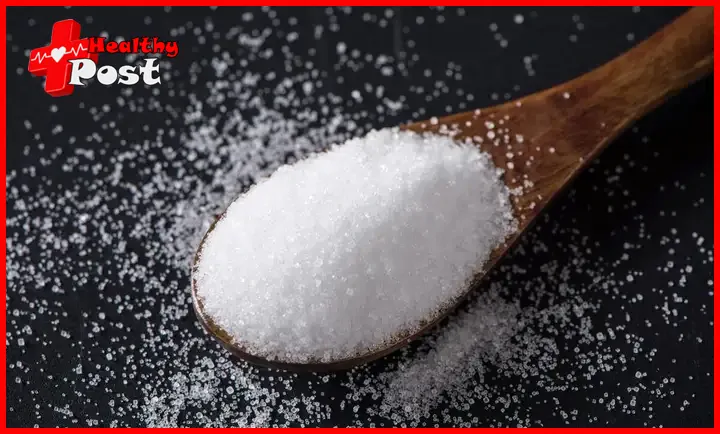
Be sure to reduce your salt intake. How much salt do you eat every day? According to normal diet, it is about 13 grams. People in the north eat more than those in the south. The guidelines require that the intake of salt should be less than 5 grams, including the hidden salt in soy sauce, MSG, oyster sauce, pickles, etc. you eat. If I give you a reference, you can find a beer bottle cap and remove the rubber pad inside. A flat bottle cap will be the amount of salt you should eat in a day.
You must quit smoking and limit alcohol consumption. It has long been a consensus that smoking has no benefits, and drinking alcohol is actually not good for the heart. The guidelines require that the daily alcohol intake should not exceed 25 grams. Converted beer does not exceed 750 ml, wine does not exceed 250 ml, and liquor does not exceed 50 grams. Women have even fewer.
Be sure to keep exercising. Maintain at least 30 minutes of aerobic exercise every day, preferably at moderate intensity, and more than 150 minutes a week.

Stress and anxiety
You must be calm. Stress and anxiety not only make it difficult to control blood pressure, but also increase the incidence of coronary heart disease and other diseases.
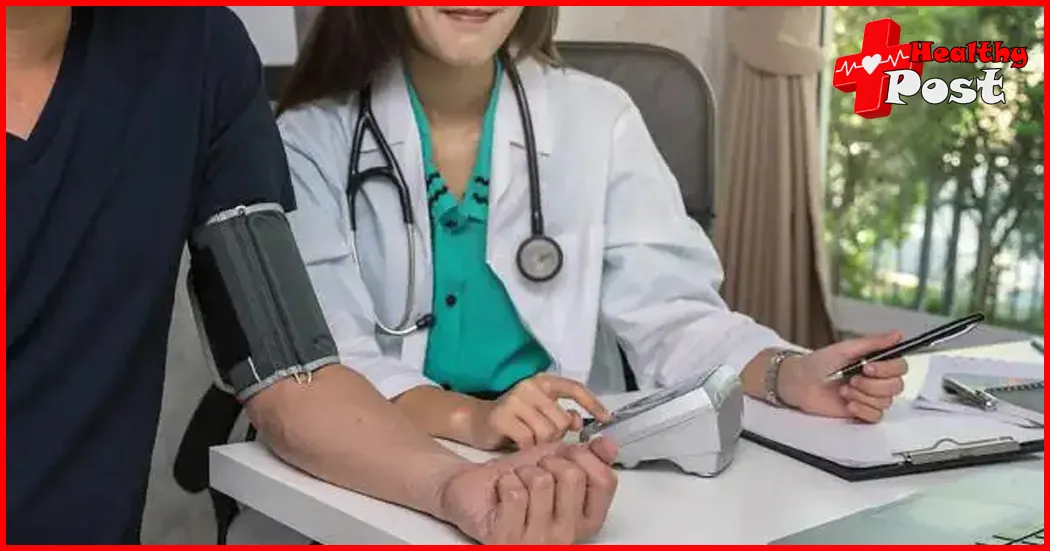
Since high blood pressure is almost incurable, long-term medication is inevitable. It is recommended to take antihypertensive drugs regularly to keep blood pressure at target for a long time. This is the most critical link in preventing cardiovascular and cerebrovascular complications.
What does it mean to meet the standard? The guidelines require that no matter how old you are, the most basic requirement should be lowered to 140/90mmHg, the ideal blood pressure should be below 130/80mmHg, and the blood pressure should be within the required range for at least 9 months a year. If it exceeds the standard value for more than half a month, it is recommended to see your specialist to find out the cause and adjust the treatment plan.
There are currently 6 categories of commonly used drugs for the treatment of hypertension. When using them, you must be aware of the side effects of the drugs and pay attention to avoiding risks.
Commonly used ones are:
1. Calcium channel blockers, also known as “diping antihypertensive drugs”, as long as they are followed by the word “diping”, they all fall into this category. It has a strong antihypertensive effect, but the side effects are also obvious. Common side effects include palpitation, fast heartbeat, flushing, swollen legs, gum hyperplasia, constipation, etc.
2. Diuretics, commonly used include hydrochlorothiazide, spironolactone, indapamide, etc. The biggest side effects are hyperkalemia or hypokalemia, and elevated uric acid causing gout. In the past two days, I saw two patients in the outpatient clinic who had taken indapamide, which caused severe hypokalemia. The blood potassium was only 2.7mmol/L, which is life-threatening and requires great attention.
3. Lorol antihypertensive drugs, as long as they are labeled with “Lol”, are of this type, such as metoprolol, bisoprolol, arollol, etc., which lower blood pressure and have a protective effect on the heart, but can cause Bradycardia, conduction block, induced asthma, etc. are generally not used alone for antihypertensive treatment.
4. Prilim antihypertensive drugs, such as enalapril, benazepril, fosinapril, etc., although they can protect heart and kidney function, their biggest side effects can cause dry cough, which limits the use of these drugs.
5. Sartan antihypertensive drugs, such as common losartan, valsartan, irbesartan, etc., also have good cardio-renal protective effects, no side effects of coughing, relatively mild and long-lasting antihypertensive drugs, and are currently used in many clinical applications. of antihypertensive drugs.
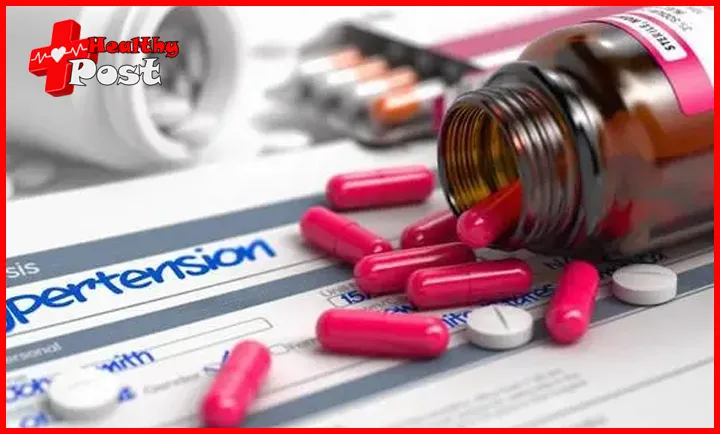
Antihypertensive drug
6. Angiotensin receptor neprilysin inhibitor. This is the latest antihypertensive drug. The representative drug is sacubitril and valsartan sodium. In addition to lowering blood pressure, it can also protect heart and kidney function well. For patients with high blood pressure, It is the best choice for patients with high blood pressure and heart failure.
Of course, there are also some less commonly use antihypertensive drugs, which need to be select according to the different characteristics of the patient to achieve the best therapeutic effect.
To sum up, any treatment of high blood pressure is a “system engineering”. Hypertension should be regard as a syndrome caused by multiple factors. It requires comprehensive adjustment and long-term persistence to control blood pressure and reduce the risk of various complications. Appear.
Frequently Asked Questions (FAQs)
1. What are the first-line lifestyle treatments for high blood pressure? First-line lifestyle modifications are critical for managing hypertension and often recommended before or alongside medication. Key changes include adopting the DASH (Dietary Approaches to Stop Hypertension) diet rich in fruits, vegetables, and whole grains, drastically reducing sodium intake, maintaining a healthy weight, engaging in regular aerobic exercise (like brisk walking for at least 30 minutes most days), limiting alcohol consumption, and quitting smoking.
2. What are the main classes of medications used to treat hypertension? If lifestyle changes are not enough to lower blood pressure to target levels, doctors commonly prescribe medications. The primary classes include:
- ACE inhibitors and ARBs (Angiotensin Receptor Blockers): Help relax blood vessels by blocking the formation or action of specific hormones.
- Calcium channel blockers: Prevent calcium from entering heart and blood vessel muscle cells, allowing vessels to relax.
- Diuretics (“water pills”): Help the kidneys remove excess sodium and water from the body, decreasing blood volume.
3. Can high blood pressure be completely cured or reversed? While essential hypertension (the most common type) usually cannot be permanently “cured,” it can be successfully managed and controlled. For individuals whose high blood pressure is caused by an underlying medical condition (secondary hypertension)—such as kidney disease or sleep apnea—treating the root cause can sometimes completely resolve the high blood pressure.
4. How long do I need to take blood pressure medication? For most people diagnosed with chronic hypertension, medication is a long-term or lifelong commitment. Blood pressure usually rises back to elevated levels if medication is stopped. You should never stop taking your prescribed blood pressure medication without consulting your doctor first, as sudden discontinuation can cause a dangerous rebound spike in blood pressure.
5. When should I seek emergency medical care for high blood pressure? You should seek immediate emergency medical attention if your blood pressure is extremely high (typically 180/120 mm Hg or higher) and you experience “red flag” symptoms such as chest pain, severe headache, shortness of breath, sudden vision changes, numbness, weakness, or difficulty speaking, as these can indicate a hypertensive crisis or stroke.
8 Comments
Pingback: Are you using the fascia gun correctly?
Pingback: 9 Amazing Services Offered by Syracuse Community Health Center
Pingback: What Are the 3 Types of Stress Tests? Powerful Guide to Avoid Dangerous Health Risks
Pingback: what is vertigo ? cause , symptoms and treatment - Health Page
Pingback: Types of Kidney Stones Chart: 5 Essential Facts for Better Health
Pingback: Five Early Signs of Colorectal Cancer You Shouldn’t Ignore
Pingback: Widowmaker Heart Attack: Symptoms, Causes, Survival Guide
Pingback: Insulin Resistance: 5 Shocking Causes and Positive Diet Solutions