

Official Medical Disclaimer & Authorship
This content was written and clinically vetted by Dr. Chiara Del Prete, Urologist.
The clinical insights provided across Healthy Post are exclusively for informational, structural, and educational references. This text does not represent a substitute for diagnostic evaluations, direct medical prescriptions, or therapeutic clinical advice from a licensed urologist or primary healthcare physician. Always consult a medical professional immediately if you experience severe flank pain, prolonged gastrointestinal issues, or acute urinary distress.

🏥 Medical Review Board Member
Dr. Chiara Del Prete, MD
Urologist | Clinical Reviewer
Dr. Chiara Del Prete is a registered medical doctor and specialist in Urology (Dirigente Medico in Urologia) based in Italy, with clinical affiliations including AST Pesaro Urbino and Ospedale San Salvatore di Pesaro. She completed specialized training in advanced urological and robotic-assisted surgical techniques, earning a certificate of excellence from the ERUS curriculum. Dr. Del Prete actively contributes to peer-reviewed medical literature and clinical research focusing on urological oncology, stone disease, and reconstructive urology, ensuring all content maintains the highest standards of medical accuracy and clinical integrity.
Kidney stones are hard deposits formed from minerals and salts. They develop inside the kidneys.
These stones vary in size. Some are as small as a grain of sand. Others can be much larger.
Common symptoms include severe pain, blood in urine, and nausea. But can kidney stones cause diarrhea?
This question may surprise many. Diarrhea is not often linked to kidney stones directly.
However, some people report digestive issues during a kidney stone episode.
Understanding all symptoms of kidney stones is very important.
It helps in early detection and better treatment.
Some signs may seem unrelated but still connect to kidney issues.
Diarrhea could be one such sign, depending on the cause and condition.
Knowing what to expect can lead to faster relief and fewer complications.
This article answers the question: can kidney stones cause diarrhea?
It explores possible links between kidney stones and bowel problems.
It also covers causes, risks, and helpful treatments.
Learning about all the symptoms helps you manage your health better.
You can act sooner if you know what to look for.
Below is a simple chart to compare common and uncommon kidney stone symptoms:
| Common Symptoms | Uncommon Symptoms |
|---|---|
| Sharp lower back pain | Diarrhea |
| Blood in urine | Abdominal bloating |
| Nausea and vomiting | Gas and cramping |
| Frequent urination | Loose stools |
Stay informed about kidney stone symptoms.
Not all signs are obvious. Some, like diarrhea, may seem unrelated.
By exploring all possibilities, you stay one step ahead.
Let’s explore the full answer to can kidney stones cause diarrhea, and learn how to treat and prevent this condition.
Understanding Kidney Stones
Kidney stones are solid crystals that form in the kidneys.
They are made of minerals and salts found in urine.
These stones can stay in the kidneys or move into the urinary tract.
Movement causes pain and other health issues.
What Are Kidney Stones and How Do They Form?
Kidney stones form when urine contains too many waste substances.
These substances stick together and create crystals.
Crystals grow over time and turn into stones.
Lack of water in the body is a main cause.
Other causes include diet, certain medicines, or medical conditions.
Types of Kidney Stones and Their Causes
There are four main types of kidney stones.
Each type forms in a different way:
| Type | Main Cause |
|---|---|
| Calcium Oxalate | High oxalate, low fluid intake |
| Uric Acid | High protein diet, dehydration |
| Struvite | Urinary infections |
| Cystine | Genetic disorder (cystinuria) |
Knowing the type helps choose the right treatment.
It also helps in preventing future stones.
How Kidney Stones Affect the Urinary Tract and Overall Health
Kidney stones can block parts of the urinary tract.
This leads to pain, swelling, and possible infection.
If untreated, stones can damage the kidneys.
They may also affect other body systems.
Some people may ask, can kidney stones cause diarrhea?
While not a classic symptom, it can occur in certain cases.
This may be due to stress, pain, or other reactions in the body.
That’s why it’s important to understand all possible effects.
Understanding how kidney stones form and affect the body is key.
It helps with early treatment and prevents future problems.
Can Kidney Stones Cause Diarrhea?
Many people wonder, can kidney stones cause diarrhea?
Though not a common symptom, the answer is yes in some cases.
Kidney stones can cause stress, pain, and body changes.
These changes may lead to digestive problems like diarrhea.
Connection Between Kidney Stones and Digestive Issues
Kidney stones cause severe pain and discomfort.
This pain can upset the stomach and intestines.
It may lead to nausea, vomiting, and sometimes diarrhea.
Also, painkillers used for relief can disturb digestion.
Dehydration from vomiting or poor fluid intake worsens symptoms.
This affects the gut and can result in loose stools.
How Kidney Stones May Affect the Nervous System
The nervous system controls pain, digestion, and stress response.
Kidney stones cause intense pain, which activates stress signals.
These signals can affect the digestive system.
When nerves are overactive, they may speed up bowel movement.
This can lead to sudden diarrhea during a kidney stone episode.
Pain and pressure from stones may also irritate nearby nerves.
This nerve irritation can confuse the body’s normal digestion process.
Why Some People Experience Diarrhea with Kidney Stones
Not everyone with kidney stones gets diarrhea.
But several reasons may explain it when it happens:
- Severe pain causing stress and gut reaction
- Use of certain medications like opioids
- Dehydration and fluid imbalance
- Infection or inflammation in nearby organs
- Individual gut sensitivity
Each person’s body responds differently to kidney stones.
That’s why symptoms vary from one case to another.
So, when asking can kidney stones cause diarrhea, the answer is—sometimes, yes.
It depends on the body, the stone, and overall health.
Causes of Kidney Stones
To prevent kidney stones, it’s important to know what causes them.
These stones form when certain substances in urine get too concentrated.
The answer to can kidney stones cause diarrhea may start with their root causes.
Understanding these causes can help lower the risk.
Dehydration and Poor Water Intake
Dehydration is the top cause of kidney stones.
When you drink less water, urine becomes more concentrated.
This allows minerals and salts to stick together and form stones.
Staying hydrated is key to preventing stone formation.
High Oxalate or Calcium Intake in Diet
Certain foods are high in oxalates or calcium.
Spinach, nuts, chocolate, and beets are high in oxalate.
Too much oxalate can lead to calcium oxalate stones.
Eating a balanced diet can reduce this risk.
| High-Oxalate Foods | Safer Alternatives |
|---|---|
| Spinach | Kale |
| Almonds | Cashews |
| Beets | Zucchini |
Certain Medical Conditions Like Hyperparathyroidism
Some medical problems can cause kidney stones.
Hyperparathyroidism increases calcium in the blood and urine.
This extra calcium can form stones in the kidneys.
Other risks include obesity, diabetes, and chronic infections.
Role of Medications and Supplements in Stone Formation
Some medicines and supplements raise the risk of stones.
Examples include diuretics, calcium-based antacids, and vitamin D.
Too much vitamin C can also cause oxalate buildup.
Always check with your doctor before using supplements long-term.
Knowing these causes helps prevent kidney stones early.
And it helps answer related questions like can kidney stones cause diarrhea.
Prevention starts with healthy habits and proper medical advice.
Risk Factors for Kidney Stones
Understanding risk factors is key to prevention.
These factors increase your chances of developing stones.
They also help explain why symptoms like diarrhea may occur.
So, when asking can kidney stones cause diarrhea, knowing your risks helps.
Family History and Genetics
Kidney stones can run in families.
If a parent or sibling has had stones, your risk is higher.
Some people inherit conditions that cause stone formation.
Cystinuria is one example of a genetic disorder linked to stones.
Diet Choices and High-Protein, Salty Foods
What you eat affects your kidney health.
A diet high in animal protein, salt, or sugar increases stone risk.
Protein raises uric acid levels.
Salt forces kidneys to release more calcium.
Both can lead to stone formation over time.
| Risky Foods | Better Alternatives |
|---|---|
| Red meat | Plant-based proteins |
| Processed snacks | Fresh fruits and veggies |
| Sugary drinks | Water and herbal teas |
Lifestyle Factors Such as Low Physical Activity
Lack of movement can cause calcium to build up in the body.
This can lead to stones, especially in people who sit often.
Regular exercise supports kidney function and overall health.
It also reduces the risk of weight-related kidney issues.
Impact of Underlying Health Conditions
Some health issues raise the risk of stones.
Examples include obesity, high blood pressure, and diabetes.
Digestive problems like Crohn’s disease may also increase risk.
These conditions change how the body processes calcium and fluids.
Recognizing these risk factors is important.
It helps you manage your health and reduce the chance of stones.
It also sheds light on related concerns like can kidney stones cause diarrhea.
Being aware helps in taking the right steps for prevention.
Symptoms of Kidney Stones
Recognizing symptoms early can lead to faster treatment.
Kidney stones often cause intense discomfort and affect daily life.
Some symptoms may even raise the question—can kidney stones cause diarrhea?
Let’s explore the signs to watch for and when to seek help.
Common Signs Like Severe Pain, Nausea, and Urination Problems
The most common symptom is sharp pain in the back or side.
This pain may spread to the lower belly or groin.
It often comes in waves and feels severe.
Other common symptoms include:
- Nausea or vomiting
- Pain during urination
- Cloudy or smelly urine
- Frequent urge to urinate
- Blood in the urine (pink or brown color)
These signs show the stone may be moving through the urinary tract.
This can block urine flow and trigger more pain.
Can Kidney Stones Cause Diarrhea? How Stomach Discomfort Connects
While rare, can kidney stones cause diarrhea is a valid question.
Stomach discomfort, cramping, and diarrhea may occur in some cases.
The body’s reaction to severe pain can affect digestion.
Also, medications used for pain relief can upset the stomach.
Pain signals and nerve responses may trigger bowel changes.
This leads to loose stools or urgency in sensitive individuals.
Warning Signs That Require Immediate Medical Attention
Some symptoms need urgent care.
Call a doctor if you experience:
- Fever or chills (sign of infection)
- Unable to pass urine
- Severe nausea or vomiting
- Blood in the urine
- Uncontrollable pain
These signs may mean the stone is stuck or infection is present.
Getting help fast can prevent serious kidney damage.
Understanding all symptoms, including unusual ones like diarrhea, is vital.
It helps you act quickly and protect your health.
Diagnosis and Medical Tests
Accurate diagnosis is the first step in treating kidney stones.
Doctors use several methods to confirm the presence of stones.
This also helps answer questions like can kidney stones cause diarrhea.
Proper testing reveals the stone type, size, and possible effects.
How Doctors Diagnose Kidney Stones
Diagnosis starts with a physical exam and symptom review.
Doctors ask about pain, urine changes, and family history.
If kidney stones are suspected, further tests follow.
Early diagnosis helps prevent complications and reduce symptoms.
Imaging Tests Like Ultrasound and CT Scans
Imaging tests show the size and location of kidney stones.
- Ultrasound is safe and commonly used.
- CT scans offer clear images and detect small stones.
- X-rays may be used, but can miss some types of stones.
These tests help plan the best treatment.
They also reveal if a stone is blocking the urinary tract.
Blood and Urine Tests to Identify Risk Factors
Lab tests provide important clues about why stones form.
- Blood tests check for high calcium or uric acid.
- Urine tests detect minerals, infection, or low water levels.
- A 24-hour urine collection helps find patterns in urine content.
These tests help find the root cause of stones.
They also guide doctors on how to prevent new ones.
Good diagnosis explains not just symptoms but related issues.
That includes digestive problems and questions like can kidney stones cause diarrhea.
Testing ensures accurate care and long-term prevention.
Treatment Options for Kidney Stones
Treating kidney stones depends on their size, type, and symptoms.
Some cases need home care, while others require medical procedures.
Treatment also helps relieve related issues—like pain, discomfort, or even digestive symptoms.
That includes questions like can kidney stones cause diarrhea.
Home Remedies & Prevention
Drinking Plenty of Water for Prevention
Staying hydrated is the easiest way to prevent stones.
Water flushes out waste and keeps minerals from forming crystals.
Aim to drink 8–10 glasses of water each day.
Lemon water may also help by increasing citrate levels.
Herbal Remedies and Natural Approaches
Some herbs may support kidney health.
Popular options include:
- Chanca Piedra (also called “stone breaker”)
- Dandelion root
- Basil juice
Always talk to a doctor before starting herbal remedies.
Natural methods are best used as support, not a cure.
Medical Treatments
Pain Relief Medications and Anti-inflammatory Drugs
Small stones often pass on their own with proper pain control.
Doctors may suggest:
- Ibuprofen or naproxen
- Prescription pain relievers
- Alpha-blockers to relax the urinary tract
These reduce discomfort and help stones pass faster.
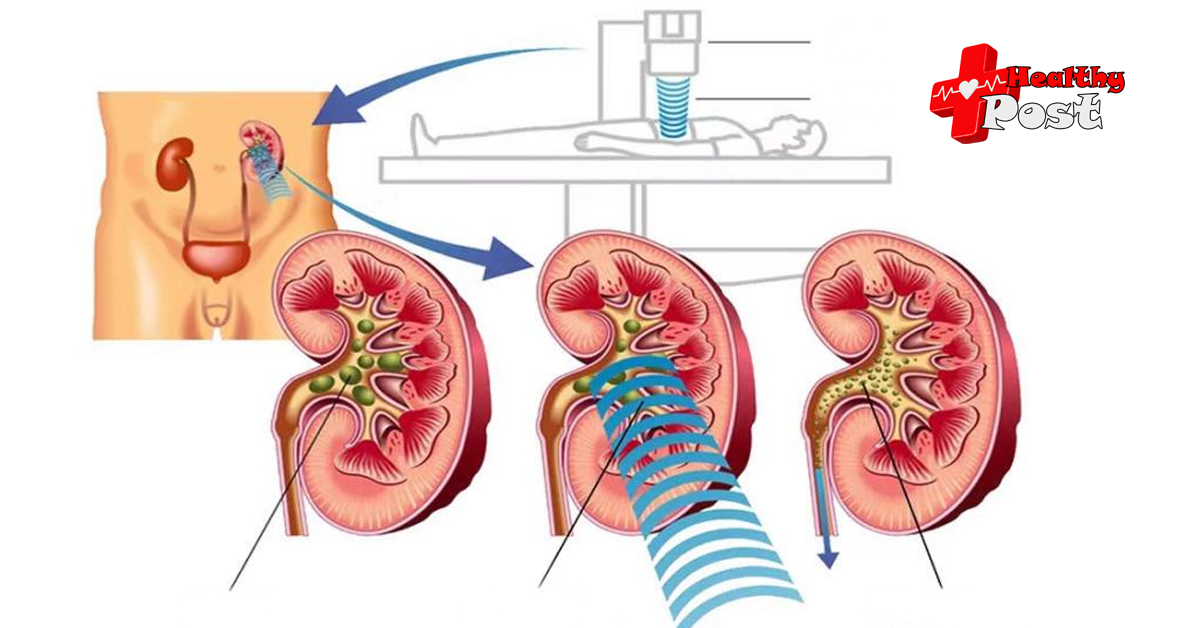
Extracorporeal Shock Wave Lithotripsy (ESWL)
ESWL uses sound waves to break stones into small pieces.
These pieces pass easily through urine.
It’s non-invasive and used for medium-sized stones.
Surgical Procedures
Ureteroscopy and Laser Treatment
A thin scope is inserted through the urethra to remove or break stones.
A laser may be used to break the stone into smaller parts.
This method works for stones stuck in the ureter.
Percutaneous Nephrolithotomy for Large Stones
This is surgery for large or stubborn kidney stones.
A small cut is made in the back to remove the stone directly.
It’s often needed when other treatments don’t work.
Each treatment aims to reduce pain and prevent more stones.
It also helps manage less common symptoms.
So when asking can kidney stones cause diarrhea, remember proper treatment helps ease all symptoms—common and uncommon.
Frequently Asked Questions
Q1: Can kidney stones cause diarrhea?
A: Yes, although it is less common than nausea or vomiting, kidney stones can cause diarrhea. This gastrointestinal symptom typically occurs due to the splanchnic nerve reflex, where the intense pain signals from the urinary tract stimulate shared nerve pathways in the digestive system, disrupting normal bowel movements.
Q2: Why does a kidney stone flare-up cause bowel issues?
A: The kidneys and the gastrointestinal tract share a complex network of nerve pathways. When a stone moves or blocks urine flow, the resulting autonomic nervous system response can trigger stomach cramping, nausea, diarrhea, or even temporary constipation.
Q3: Could diarrhea be a side effect of kidney stone treatment?
A: Yes. While the stone itself can cause diarrhea through nerve stimulation, certain medical treatments—such as prescribed antibiotics to prevent urinary tract infections (UTIs) or heavy pain medications—can alter your gut microbiome and lead to loose stools.
Q4: When should I see a urologist for kidney stone pain and diarrhea?
A: You should seek immediate medical attention if your kidney stone pain is accompanied by continuous diarrhea, high fever, severe chills, an inability to keep fluids down, or blood in your urine. These symptoms can point to a serious underlying urinary infection or severe dehydration.
Conclusion
Kidney stones are a painful and sometimes complex condition.
While not common, can kidney stones cause diarrhea is a question with real relevance.
In some cases, severe pain, stress, or medications may trigger digestive issues like diarrhea.
Understanding this link helps people manage all symptoms more effectively.
Early diagnosis is key to avoiding serious problems.
Imaging tests and lab work help detect stones and their causes.
Timely treatment also reduces unusual symptoms, including digestive discomfort.
To keep your kidneys healthy:
- Drink plenty of water every day
- Eat a balanced, low-sodium diet
- Limit high-oxalate and high-protein foods
- Stay active to support overall health
- Talk to your doctor about any medications or supplements
By knowing the symptoms, causes, and treatments, you can take control of your kidney health.
And if you’re ever unsure whether can kidney stones cause diarrhea, now you know the full answer.
Stay informed, act early, and protect your health for the long run.

1 Comment
Pingback: How to Pass a 4mm Kidney Stone Fast: Timeline & Advice