


Close Menu

    Subscribe to Updates

    Get the latest creative news from FooBar about art, design and business.

    What's Hot

    Fetal Development Week by Week: Week 1 to Full Term

    September 7, 2026

    Stand Against Wall Posture Check: How to Test Your Spine Alignment at Home

    September 5, 2026

    What Is an Apron Belly? Causes, Risks, and Treatment Options

    September 3, 2026
    Facebook X (Twitter) Instagram
    • About Us
    • Contact Us
    • Our Medical Review Board & Expert Contributors
    • Cancer
    • Cardiology
    • Dental
    • General Disease
    • Gyne
    • Healthy food
    • Medicine
    • Orthopedics
    • Skin
    Button
    Home » What kind of pain may be related to cancer? Listen to American physical therapist talk about “pain”
    Cancer

    What kind of pain may be related to cancer? Listen to American physical therapist talk about “pain”

    AdminBy AdminSeptember 28, 2024Updated:May 18, 20262 Comments5 Mins Read
    Physical therapist
    What kind of pain may be related to cancer? Listen to American physical therapist talk about “pain”

    “Pain” is familiar to everyone. However, most people don’t know much about pain. Especially for those pains that come and go and are tolerable, most people may choose to endure it or use “home remedies” to relieve it. After all, it is too troublesome to go to the hospital to see a doctor, which is both expensive and time-consuming. But pain is a signal sent by your body. If you always ignore it, it will be troublesome if you really delay any problem.Listen to American physical therapist talk about it

    So, what kind of pain should we pay attention to and in what situations should we seek medical treatment?

    Here, we will briefly introduce the causes of pain, basic classification, and some pains that need attention . In addition, if you can provide a more detailed pain history when you seek medical treatment , it will also help medical staff diagnose and treat. Therefore, we have also summarized some small issues that need to be paid attention to when recording pain history for your reference.
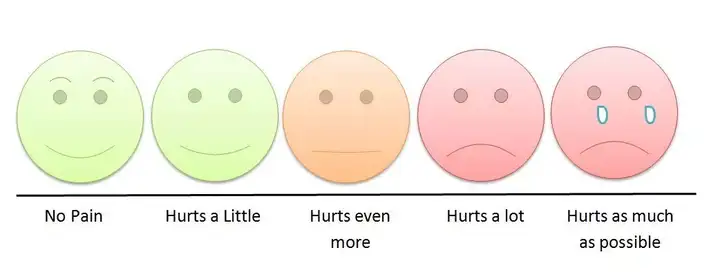
    v2 593dc098247224eece80380d5657cd3b 720w

    Why do people feel pain?

    v2 ca3bda055c5ad7a4cc7efb9262b6796a 720w

    Apart from some psychological causes, most pain is actually the body’s natural protective mechanism (1) .

    Let’s take a simple example: when a child sees fire for the first time, out of curiosity, he will stretch his hand towards the fire, and then suddenly pull it back. Because he feels pain, his body will naturally move away from the source of harm to avoid being burned.

    To describe it in a slightly more professional way, the whole process includes: first, the pain receptors on the body surface (here on the hand) sense the pain stimulus signal, then the signal is transmitted to the central nervous system of the spinal cord through the nerves, and then the central nervous system sends a signal to let the body retract the hand.
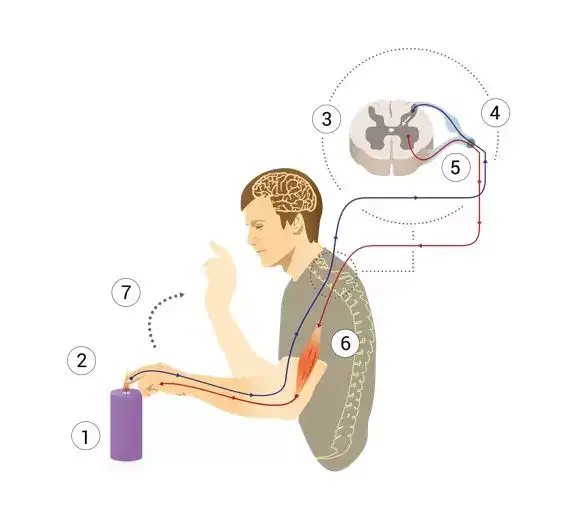
    Chart by physical therapist
    Chart by physical therapist

    Of course, the occurrence mechanisms of different pains are complex and varied, so we will continue to provide targeted popular science education and will not go into detail here.

    What are the types of pain?

    1. Classification by time (1, 2, 3)

    Acute pain

    • The occurrence time is usually within 3 months
    • Local symptoms
    • Usually accompanied by local symptoms of redness, swelling, heat and pain
    • Usually related to local body injuries, such as spraining an ankle while playing basketball
    • Symptoms of pain usually increase or decrease with movement of the limb, such as a sprained ankle that hurts when walking but less when resting

    Chronic pain

    • The duration is usually more than 3 months
    • The cause may not be due to local body damage
    • The pain covers a large area
    • More sensitive to pain
    • It has nothing to do with limb movement (the ankle hurts the same whether walking or not)
    • Sometimes accompanied by psychological symptoms such as fear, anxiety, depression, etc.

    2. Classification by traits (generally, sometimes there are individual differences)

    Musculoskeletal pain: soreness

    Neuralgia :stabbing, radiating, burning pain

    Tumor pressure :a feeling of heaviness, accompanied by a pulsating sensation

    Angina pectoris: pale face, chest tightness, palpitations

    Visceral lesions: Deep cramping or spasmodic pain

    Which pains should be taken seriously and require prompt medical attention?

    1. Pain related to cardiovascular and cerebrovascular diseases (4, 5, 6)

    Certain skeletal muscle pain symptoms may be early manifestations of angina pectoris. See the figure below for specific locations.

    Patients with underlying diseases (hypertension, heart disease, hyperlipidemia, obesity, people with a family history of such diseases, people who sit for a long time but have not undergone cardiovascular examinations, etc.) need to pay special attention.
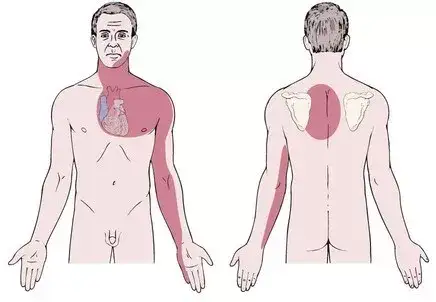
    Chart by physical therapist
    Chart by physical therapist

    Angina- related pain area (red area) Image source [3]
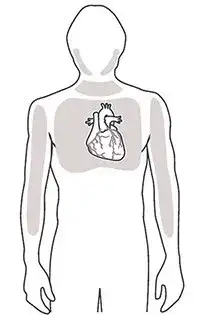
    v2 6f049dbb4a6560e5a5212b93590826ed 720w
    Chart by physical therapist

    Coronary heart disease pain area (gray area)

    The shaded areas show the pain areas associated with coronary heart disease , including: arms, left shoulder, back, neck, jaw, and stomach. Image source

    Beware of stroke!

    Be alert to neck pain, headache, and dizziness that occur in the presence of major stroke risk factors .

    Risk factors for stroke include: high blood pressure, heart disease, high blood lipids, diabetes, obesity, sitting for long periods of time, smoking, etc.

    2. Pain that may be cancer-related (7)

    • Unbearable pain that is not relieved by painkillers
    • Pain that is not relieved by changing body posture , limb position, or rest
    • Persistent nighttime pain
    • Recent, unexplained, rapid weight loss
    • Previous cancer or family history

    3. Referred pain (4,8):

    Pathologies of certain internal organs can cause pain in other parts of the body at a certain distance from the organ, as shown in the figure below.

    Friendly reminder

    Self-diagnosis of pain history

    If you are prepared to ask the following questions when you see your doctor, it will help your doctor’s diagnosis and treatment (1):

    • When did the pain start/how long does it last
    • How it started/history of injuries that can be reviewed
    • Location of pain
    • When does it hurt/hurt more?
    • What activities make the pain worse/less painful
    • Specific feeling of pain: pins and needles? Stabbing pain? Painful pain? Etc.
    • What medications have you used to relieve the symptoms?
    • History of major illnesses and family medical history
    Foot
    How to cure athlete’s foot
    Editorial Notice & Disclaimer: All material published on this platform is curated strictly for general educational and healthcare informational purposes. Content should not be interpreted as professional medical advice, official diagnosis, or a definitive treatment protocol. We strongly advise consulting a licensed physician or qualified healthcare provider regarding any specific medical concerns or health choices.
    Share. Facebook Twitter Pinterest LinkedIn Tumblr Email
    Previous ArticleHow to cure athlete’s foot
    Next Article A brief discussion on the factors causing falls in the elderly and the strategies to prevent falls

    Related Posts

    General Disease

    Stomach Bug Symptoms in Kids and Toddlers: Warning Signs & Treatment

    August 26, 2026
    Cancer

    Difference between mouth ulcer and oral cancer: symptoms & precaution

    August 8, 2026
    Patient Education

    Couples Therapy: What to Expect in Your First Session (A Clinical Guide)

    July 20, 2026
    View 2 Comments

    2 Comments

    1. Pingback: 10 Surprising Signs of raquel colon cancer symptoms from Experience

    2. Pingback: How About Using Cilfqtacmitd? Can You Use A Lot of Cilfqtacmitd?

    Leave A Reply Cancel Reply

    You must be logged in to post a comment.

    Recent Posts
    • Fetal Development Week by Week: Week 1 to Full Term
    • Stand Against Wall Posture Check: How to Test Your Spine Alignment at Home
    • What Is an Apron Belly? Causes, Risks, and Treatment Options
    • Butter vs. Margarine: Which Is Healthier? Dr. Rachana Bhoite’s Guide
    • Jeuveau vs. Botox: Differences, Cost, Results, and Which Is Better
    Top Posts

    What are the effects of smoking on the lungs?

    March 7, 2024

    What are the causes of headaches? How to prevent it in daily life?

    April 11, 2024

    Cardiovascular Disease, can do these 4 things, and blood vessels can stay young.

    April 18, 2024
    Latest Reviews
    Most Popular

    Fetal Development Week by Week: Week 1 to Full Term

    September 7, 2026

    Stand Against Wall Posture Check: How to Test Your Spine Alignment at Home

    September 5, 2026

    What Is an Apron Belly? Causes, Risks, and Treatment Options

    September 3, 2026

    Butter vs. Margarine: Which Is Healthier? Dr. Rachana Bhoite’s Guide

    September 2, 2026

    Jeuveau vs. Botox: Differences, Cost, Results, and Which Is Better

    September 2, 2026

    Groin Pain: 7 Common Causes, Warning Signs, and When to See a Doctor

    August 30, 2026

    Our Medical Board

    Our health platform content is written, reviewed, and vetted by a dedicated board of licensed clinicians and specialists to guarantee clinical accuracy.

    • Dr. Rachana Bhoite
      Dr. Rachana Bhoite Nutrition Science Dr. Reddy's Labs ↗
    • Dr. Priyanka Agarwal
      Dr. Priyanka Agarwal Dermatologist Dakai Skin Clinic ↗
    • Dr. Himanshu Gupta
      Dr. Himanshu Gupta Orthopedics & Robotics Amicare Hospital ↗
    • Dr. Michelle Uzor
      Dr. Michelle Uzor OB-GYN Southern Crescent ↗
    • Dr. Kamlesh Verma
      Dr. Kamlesh Verma Surgical Oncology Max Hospital ↗
    • Dra. Ana Escobar
      Dra. Ana Escobar Pediatrician FMUSP / Official ↗
    • Dr. Mohanned Alghamdi
      Dr. Mohanned Alghamdi Esthetic & Restorative UniDents Clinic ↗
    • Dr. Neha Sood
      Dr. Neha Sood Otolaryngologist (ENT) BLK-Max / Sir Ganga Ram ↗
    • Dr. Sarita Rao
      Dr. Sarita Rao Interventional Cardiology Apollo Hospitals ↗
    • Dr. Martha Isabel Junio Parroco
      Dr. Martha Parroco Gynecologic Oncology Clinical Research
    • Dr. Chiara Del Prete
      Dr. Chiara Del Prete Urology & Oncology AST Pesaro Urbino ↗
    • Harpreet Kaur
      Harpreet Kaur Physiotherapist Anatomie ↗
    • Dr. Mohammad Kamruzzaman
      Dr. Mohammad Kamruzzaman Plastic & Reconstructive Dhaka Medical / Ibn Sina ↗
    Our Picks

    Fetal Development Week by Week: Week 1 to Full Term

    September 7, 2026

    Stand Against Wall Posture Check: How to Test Your Spine Alignment at Home

    September 5, 2026

    What Is an Apron Belly? Causes, Risks, and Treatment Options

    September 3, 2026

    Butter vs. Margarine: Which Is Healthier? Dr. Rachana Bhoite’s Guide

    September 2, 2026

    Jeuveau vs. Botox: Differences, Cost, Results, and Which Is Better

    September 2, 2026

    Groin Pain: 7 Common Causes, Warning Signs, and When to See a Doctor

    August 30, 2026
    Facebook X (Twitter) Instagram Pinterest
    • About Us
    • Contact Us
    • Disclaimer
    • Our Medical Review Board & Expert Contributors
    • Terms and Conditions
    • Write for Us
    © 2026 Healthy Post. All Rights Reserved.

    Type above and press Enter to search. Press Esc to cancel.