


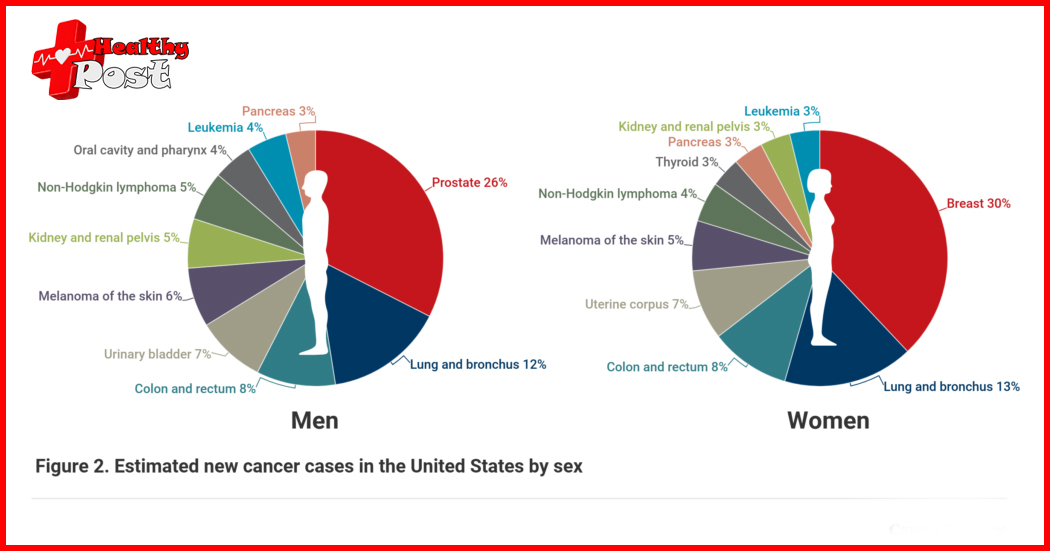
There are many types of cancer. Cancer may occur in any organ you can think of, except for a few organs and tissues such as hair and nails. Let’s know about different type of cancers and Mortality rate
Our common cancers include lung cancer, breast cancer, liver cancer, esophageal cancer, gastric cancer, colorectal cancer, leukemia, lymphoma, prostate cancer, ovarian cancer, cervical cancer, thyroid cancer, pancreatic cancer, etc.
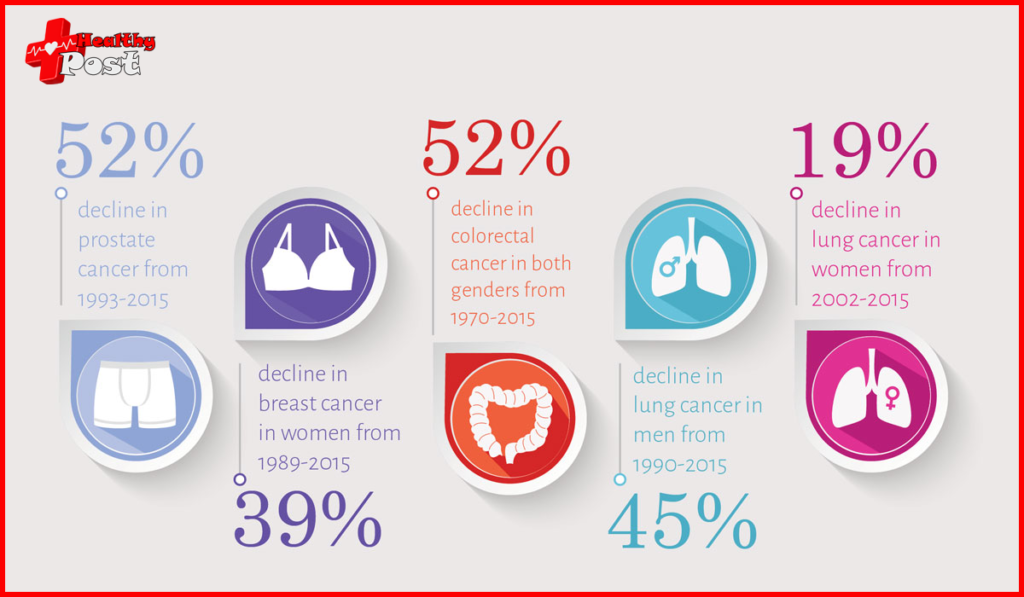
Some patients asked, which cancer is the most serious? Today we will talk about the two cancers with the highest mortality rate.
(1) Pancreatic cancer is the king of cancers
If we look at the cure rate and mortality rate of cancer, the king of cancers is none other than pancreatic cancer. Pancreatic cancer has the highest mortality rate and the lowest cure rate among all cancers.
With the development of medicine, the survival rate of most tumors has been significantly improved, but the survival rate of pancreatic cancer has remained stagnant. The 5-year survival rate is only 5% to 10%. That is to say, after the diagnosis of pancreatic cancer, , only about 5% of people can survive for more than 5 years. In fact, most pancreatic cancer patients die within six months after being diagnosed with pancreatic cancer. For breast cancer, colorectal cancer and other tumors, the 5-year survival rate is more than 50%. The survival rate of thyroid cancer is the highest, which can exceed 90%.
There are several reasons why pancreatic cancer survival rates are so low:
Pancreatic cancer cells are highly malignant, highly invasive, and progress rapidly. They easily invade surrounding organs and tissues and easily metastasize to lymph nodes. The pancreas is deep in the abdomen. Early-stage pancreatic cancer does not have any symptoms. When it is discovered, it is often in the middle and late stages. The pancreas is Surrounded by important organs, the pancreas is surrounded by the stomach, liver, bile duct, gallbladder, spleen, great abdominal vessels, etc., making pancreatic surgery difficult and causing high perioperative mortality. Pancreatic cancer is not sensitive to radiotherapy and chemotherapy, and no specific specificity has been found. target, targeted therapy and immunotherapy have had little effect.
(2) Liver cancer
In addition to pancreatic cancer, the mortality rate of liver cancer is also high. If pancreatic cancer is compared to a lion, then liver cancer is a tiger, and the two are equally matched. The 5-year survival rate of liver cancer is about 12%. Liver cancer is often caused by hepatitis, alcoholic liver disease, and fatty liver, which lead to cirrhosis and then develop into liver cancer.
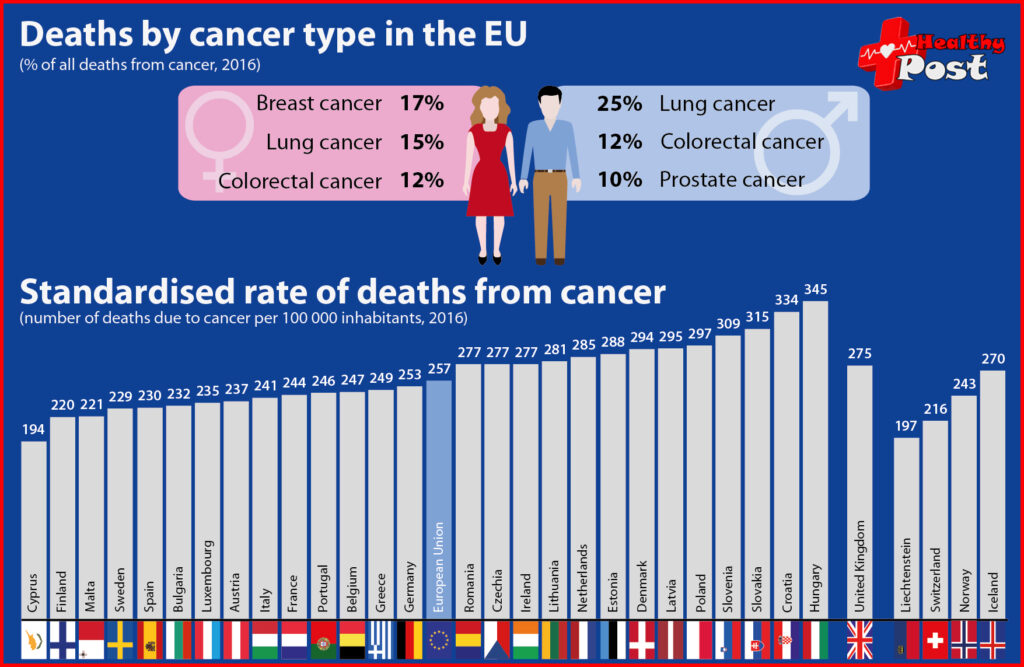
On the basis of liver cirrhosis and impaired liver function, after liver cancer occurs, cancer cells grow very fast and are prone to intrahepatic metastasis and blockage of blood vessels. The recurrence rate of liver cancer is extremely high, and liver cancer is not sensitive to radiotherapy and chemotherapy, making it very difficult to treat.
Early stage cancer has high survival rate
We have just introduced the two most serious tumors. If the tumors can be detect early, the survival rate may be greatly improve. The five-year survival rate for liver cancer less than 3 centimeters in diameter exceeds 80%. The five-year survival rate for stage 1A pancreatic cancer exceeds 40%. Some studies have found that the 5-year survival rate for pancreatic cancer patients with lymph node metastasis is only about 10%. , and patients with negative lymph nodes have a survival rate of 30%.
In addition to liver cancer and pancreatic cancer, other malignant tumors have higher early survival rates, such as breast cancer, gastric cancer, colorectal cancer, lung cancer, etc. The cure rate of early-stage tumors exceeds 90%. In the late stages of cancer, widespread metastasis occurs throughout the body, and the survival rate of all tumors will drop sharply.
The following groups are at high risk for pancreatic cancer: (1) People who smoke and drink for a long time, especially those over 40 years old; (2) People with pancreatic cancer in their families; (3) People with diabetes; (4) People with chronic pancreatitis Patients; (5) Patients with bile duct stones and often biliary pancreatitis; (6) People with severe obesity, overweight, and hyperlipidemia. For these high-risk groups, there is currently no unified screening guideline. You can consider screening for pancreatic cancer starting around the age of 40. Color Doppler ultrasound seems to be a more economical method, but the accuracy of color Doppler ultrasound is low. Abdominal CT, endoscopic ultrasound, and MRI Examination is a more accurate method. Increased CA-199 has a certain suggestive effect on pancreatic cancer. You can also consider taking blood tests to check CA-199.
China
China have high incidence of liver cancer, and more than half of the world’s liver cancers occur in China. It is recommend that the following people receive annual screening starting at the age of 40:
1. Infection with hepatitis B virus (HBV) and/or hepatitis C virus (HCV); 2. Long-term alcoholism; 3. Non-alcoholic steatohepatitis; 4. Long-term consumption of food contaminated with aflatoxin; 5. Various People with cirrhosis of the liver caused by causes, and people with a family history of liver cancer. Serum alpha-fetoprotein (AFP) and liver ultrasound are the main means of early screening. It is recommend that high-risk groups undergo at least one examination every 6 months.
All in all, regular physical examinations and early detection of cancer are crucial. I hope everyone will pay attention to their own bodies, choose appropriate screening methods according to their own conditions, and have regular physical examinations.