


Clinical Oncology & Medical Coding Verification
This comprehensive clinical documentation guide explaining the icd 10 code for colorectal cancer classification pathways was fully reviewed, fact-checked, and clinically verified by Dr. Kamlesh Verma, MS, M.Ch. All diagnostic mapping criteria align strictly with current WHO classification guidelines and official medical billing standards.
Administrative & Medical Disclaimer: The clinical coding information outlined below is intended exclusively for educational, professional training, and health informatics awareness purposes. ICD-10-CM guidelines update annually. This guide does not replace formal healthcare billing certification or medical insurance verification protocols. Always cross-reference the official, up-to-date ICD-10-CM codebook tables when submitting authorized medical claims.

🏥 Medical Review Board Member
Dr. Kamlesh Verma, MS, M.Ch
Director – Surgical Oncology | Max Super Speciality Hospital, Lucknow
Dr. Kamlesh Verma is a highly experienced Surgical Oncologist and Director of Surgical Oncology at Max Super Speciality Hospital, Lucknow. Trained at premier institutions including the Tata Memorial Centre in Mumbai and King George’s Medical University (KGMU), Dr. Verma specializes in advanced minimally invasive, robotic, and complex cancer surgeries. He is deeply committed to evidence-based oncology care, ensuring that every cancer-related publication he reviews meets the highest standards of medical accuracy, safety, and clinical integrity.
The ICD 10 code for colorectal cancer is essential for medical documentation and insurance claims. ICD 10 codes help classify diseases and conditions worldwide. They allow healthcare professionals to diagnose, treat, and track diseases efficiently.
Colorectal cancer is a serious condition affecting the colon and rectum. It is one of the most common cancers worldwide. Early detection improves survival rates, making accurate coding and diagnosis crucial.
This article explains the ICD 10 code for colorectal cancer in detail. You will learn its classification, why it matters, and how it is used in medical records. Understanding this code can help patients, doctors, and healthcare providers navigate the diagnosis and treatment process more effectively.
Importance of ICD 10 Codes in Healthcare
ICD 10 codes play a vital role in:
| Function | Importance |
|---|---|
| Diagnosis | Helps doctors identify diseases accurately |
| Treatment Planning | Assists in choosing the right treatment |
| Insurance Billing | Ensures proper reimbursement for medical services |
| Research & Statistics | Helps track disease patterns and healthcare trends |
Using the correct ICD 10 code for colorectal cancer ensures smooth medical processes. It helps hospitals maintain accurate patient records. This improves patient care and healthcare efficiency.
In the following sections, we will explore the ICD 10 code for colorectal cancer, its classifications, and how medical professionals use it. Stay tuned for a complete breakdown of this important topic.
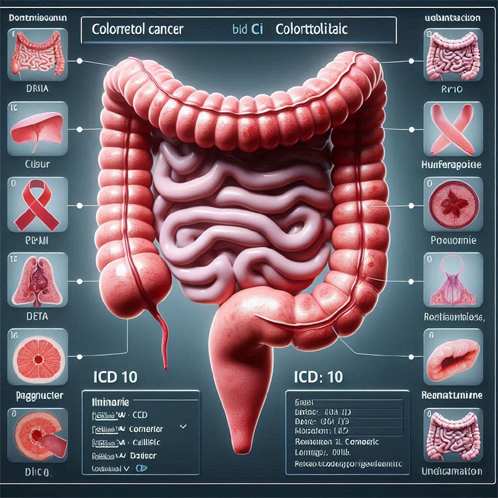
What is an ICD 10 Code?
ICD 10 codes are alphanumeric codes used to classify diseases, symptoms, and medical conditions. ICD stands for International Classification of Diseases, 10th Revision. These codes help healthcare professionals diagnose, treat, and document medical conditions accurately.
Role of ICD 10 Codes in Medical Billing and Diagnosis
ICD 10 codes play a critical role in healthcare. They ensure accurate communication between doctors, hospitals, and insurance companies. These codes help:
- Medical Billing – Insurance companies use ICD 10 codes to process claims and approve payments.
- Diagnosis and Treatment – Doctors use these codes to identify diseases and choose appropriate treatments.
- Health Records – Hospitals and clinics maintain patient records using ICD 10 codes.
- Research and Public Health – Governments and researchers track disease trends using these codes.
Examples of ICD 10 Code Usage
Here are some real-world examples of ICD 10 codes:
| Condition | ICD 10 Code |
|---|---|
| Colorectal Cancer | C18.9 |
| Diabetes Mellitus | E11.9 |
| Hypertension | I10 |
| Pneumonia | J18.9 |
For example, if a patient is diagnosed with colorectal cancer, the doctor assigns the ICD 10 code C18.9 to the medical record. This code helps ensure proper treatment and insurance reimbursement.
Importance of Accuracy in ICD 10 Coding
Accurate ICD 10 coding is essential for healthcare professionals. Errors in coding can lead to:
- Incorrect treatment plans
- Claim denials from insurance companies
- Inaccurate patient records
Using the correct ICD 10 code for colorectal cancer and other diseases helps improve patient care and ensures smooth medical processes.
Understanding Colorectal Cancer
Colorectal cancer is a type of cancer that develops in the colon or rectum. It begins as small growths called polyps, which can turn cancerous over time. This cancer is one of the leading causes of cancer-related deaths worldwide.
Primary Causes of Colorectal Cancer
The exact cause of colorectal cancer is unknown, but several risk factors increase the likelihood of developing it:
- Genetics – Family history of colorectal cancer raises the risk.
- Diet – High consumption of processed meats and low fiber intake may contribute.
- Lifestyle Factors – Lack of exercise, smoking, and excessive alcohol consumption can increase risk.
- Age – People over 50 are at higher risk.
- Medical Conditions – Inflammatory bowel disease (IBD) and diabetes can be contributing factors.
Symptoms and Early Warning Signs
Early-stage colorectal cancer may not show symptoms. However, as the disease progresses, common signs include:
- Changes in bowel habits – Constipation, diarrhea, or narrow stools.
- Blood in stool – Bright red or dark-colored blood.
- Abdominal pain – Cramps, bloating, or discomfort.
- Unexplained weight loss – Significant weight loss without changes in diet.
- Fatigue and weakness – Persistent tiredness even with rest.
Importance of Early Diagnosis and Screening
Early detection improves survival rates. Screening tests can detect polyps before they turn cancerous. Common screening methods include:
| Screening Method | Purpose |
|---|---|
| Colonoscopy | Detects and removes polyps. |
| Fecal Occult Blood Test (FOBT) | Identifies hidden blood in stool. |
| CT Colonography | Provides detailed colon imaging. |
Doctors recommend regular screenings, especially for high-risk individuals. Detecting colorectal cancer early increases treatment success and saves lives.
The ICD 10 Code for Colorectal Cancer
The ICD 10 code for colorectal cancer is classified under C18-C20. These codes help doctors and medical staff document diagnoses accurately. They also assist insurance companies in processing claims efficiently.
ICD 10 Codes for Colorectal Cancer
Colorectal cancer includes cancers of the colon and rectum. The ICD 10 codes are divided based on the cancer’s location:
| Type of Cancer | ICD 10 Code | Description |
|---|---|---|
| Colon Cancer | C18.0 – C18.9 | Covers different parts of the colon |
| Rectosigmoid Junction Cancer | C19 | Cancer at the junction of the colon and rectum |
| Rectal Cancer | C20 | Cancer in the rectum |
Breakdown of Colon Cancer Codes (C18.0 – C18.9)
- C18.0 – Malignant neoplasm of the cecum
- C18.1 – Malignant neoplasm of the appendix
- C18.2 – Malignant neoplasm of the ascending colon
- C18.3 – Malignant neoplasm of the hepatic flexure
- C18.4 – Malignant neoplasm of the transverse colon
- C18.5 – Malignant neoplasm of the splenic flexure
- C18.6 – Malignant neoplasm of the descending colon
- C18.7 – Malignant neoplasm of the sigmoid colon
- C18.8 – Overlapping malignant neoplasm of colon sites
- C18.9 – Malignant neoplasm of an unspecified colon site
Examples of ICD 10 Code Documentation
Medical records often include specific ICD 10 codes for colorectal cancer to track diagnoses and treatments. Example:
- Patient A: Diagnosed with sigmoid colon cancer → C18.7
- Patient B: Diagnosed with rectal cancer → C20
- Patient C: Diagnosed with cancer in multiple colon sites → C18.8
Accurate coding ensures proper treatment, insurance claims, and patient care planning.
How the ICD 10 Code for Colorectal Cancer is Used
The ICD 10 code for colorectal cancer plays a crucial role in healthcare. It helps doctors diagnose, treat, and document the disease accurately. These codes also support billing, insurance claims, and medical research.
ICD 10 Code in Diagnosis and Treatment
Healthcare providers use the ICD 10 code for colorectal cancer to:
- Confirm Diagnosis – Doctors assign the correct code after medical tests like colonoscopies and biopsies.
- Plan Treatment – The code helps determine the best treatment, such as surgery, chemotherapy, or radiation.
- Track Patient Progress – Hospitals use the code to monitor a patient’s response to treatment.
For example, if a patient is diagnosed with rectal cancer, the doctor assigns ICD 10 code C20 in the medical records.
Role in Medical Billing and Insurance Claims
ICD 10 codes are essential for processing medical bills. Insurance companies use these codes to:
- Verify Coverage – They check if a patient’s treatment is covered under their plan.
- Process Claims – Accurate coding prevents claim denials and ensures hospitals receive payment.
- Avoid Billing Errors – Incorrect codes can lead to delays or rejections of insurance claims.
For instance, a hospital treating a patient for sigmoid colon cancer (C18.7) must document the correct ICD 10 code to receive reimbursement.
Importance in Research and Statistics
The ICD 10 code for colorectal cancer helps researchers track disease patterns. It is used to:
- Analyze Cancer Trends – Researchers study cancer rates and survival outcomes.
- Improve Public Health Strategies – Governments use data to create cancer awareness programs.
- Support Clinical Trials – Accurate coding helps researchers find eligible patients for new treatments.
Proper use of ICD 10 codes improves healthcare efficiency and patient outcomes.
Common Challenges in Coding Colorectal Cancer
Accurately coding colorectal cancer using the ICD 10 code for colorectal cancer is essential for proper diagnosis, treatment, and billing. However, errors in coding can lead to claim denials, incorrect treatments, and poor patient care.
Common Errors in Coding Colorectal Cancer
Some common mistakes in coding colorectal cancer include:
- Using the Wrong Code – Different parts of the colon have separate ICD 10 codes. Using C18.9 (unspecified colon cancer) instead of the exact location (C18.2 for ascending colon) can cause issues.
- Missing Secondary Diagnoses – If a patient has colorectal cancer with metastasis, coders must include both the primary and secondary cancer codes.
- Failure to Update Patient Records – If a patient’s condition changes, such as cancer spreading, the coding must reflect the new diagnosis.
- Confusing Similar Codes – Rectosigmoid junction cancer (C19) is different from rectal cancer (C20), but they are often misused.
Tips for Improving Accuracy in Coding
To ensure correct coding, healthcare professionals should:
- Use Specific Codes – Always document the exact location of the tumor.
- Verify Medical Reports – Cross-check pathology and imaging reports to assign the most accurate ICD 10 code.
- Stay Updated on Guidelines – Regularly review changes in ICD coding rules.
- Use Electronic Health Records (EHRs) – Digital records reduce human errors and improve accuracy.
Impact of Coding Errors on Patient Care and Billing
Errors in ICD 10 code for colorectal cancer can have serious consequences:
- Delayed Treatment – Incorrect codes may lead to misdiagnosis or delayed procedures.
- Claim Denials – Insurance companies may reject claims if the wrong code is used.
- Financial Loss – Hospitals and doctors may lose revenue due to coding mistakes.
Proper coding ensures patients receive the right care while avoiding financial and administrative complications.
Importance of Accurate ICD 10 Coding in Colorectal Cancer
Accurate ICD 10 coding for colorectal cancer is essential for proper diagnosis, treatment planning, and patient outcomes. It ensures that healthcare providers document the disease correctly, leading to effective care and streamlined medical processes.
Essential for Treatment Planning and Patient Outcomes
Using the correct ICD 10 code for colorectal cancer helps doctors develop the best treatment plans. It allows:
- Precise Diagnosis – Accurate coding ensures that doctors identify the cancer’s exact location, such as the ascending colon (C18.2) or rectum (C20).
- Appropriate Treatment Selection – Correct coding helps in choosing surgery, chemotherapy, or radiation therapy.
- Better Patient Monitoring – Healthcare providers can track disease progression and adjust treatment plans accordingly.
Improving Healthcare Data Quality
Accurate ICD 10 coding enhances data collection for hospitals and public health agencies. It helps:
- Identify Cancer Trends – Researchers can track colorectal cancer cases and survival rates.
- Improve Public Health Policies – Governments use coding data to create cancer prevention programs.
- Enhance Medical Records Management – Proper documentation reduces errors and improves patient care.
Significance for Healthcare Providers and Researchers
For healthcare providers, accurate coding:
- Ensures Proper Billing – Insurance companies approve claims without delays.
- Reduces Legal Risks – Incorrect coding can lead to audits and penalties.
For researchers, coding data:
- Supports Clinical Trials – Helps find eligible patients for new treatments.
- Advances Cancer Research – Accurate data leads to better treatment options.
Proper ICD 10 coding for colorectal cancer benefits both patients and the entire healthcare system.
ICD 10 Code Updates and Trends
The ICD 10 code for colorectal cancer is periodically updated to improve accuracy and reflect medical advancements. These updates help healthcare providers diagnose, treat, and track colorectal cancer more effectively.
Recent Updates to ICD 10 Codes for Colorectal Cancer
- The ICD 10 coding system undergoes annual revisions to align with new medical research.
- Changes may include more specific subcodes for different tumor locations, metastasis, or genetic markers.
- Updates aim to enhance documentation for personalized cancer treatments.
Trends in the Use of ICD 10 Codes in Oncology
- More Precise Coding – Increasing focus on detailed codes for colorectal cancer subtypes, such as early-stage vs. advanced cancer.
- Integration with AI and Electronic Health Records (EHRs) – Automated coding helps reduce human errors and streamline medical documentation.
- Expansion of Telemedicine Coding – More codes now support virtual cancer consultations and remote patient monitoring.
Future of Medical Coding for Colorectal Cancer
- ICD 11 Transition – The shift to ICD 11 will provide even more detailed classifications for cancer staging and genetic factors.
- AI-Driven Coding – Artificial intelligence will improve accuracy and speed in assigning ICD codes.
- Personalized Medicine Influence – Future codes may include molecular and biomarker-based classifications for targeted cancer therapies.
Accurate ICD 10 coding for colorectal cancer will continue to evolve, improving patient care, research, and healthcare management.
Frequently Asked Questions
1. Why are there different ICD 10 codes for colon and rectal cancer?
The ICD 10 code for colorectal cancer varies based on the cancer’s exact location. Colon cancer is coded under C18, rectosigmoid junction cancer under C19, and rectal cancer under C20. These distinctions help doctors provide accurate treatment and ensure proper medical billing.
2. How can medical staff ensure coding accuracy?
Medical staff can improve accuracy by:
- Reviewing pathology reports to confirm the cancer’s exact location.
- Using the latest ICD 10 coding guidelines.
- Attending regular medical coding training.
- Utilizing electronic health records (EHRs) to minimize human errors.
3. What happens if the wrong ICD 10 code is used?
Incorrect coding can lead to:
- Insurance claim denials.
- Incorrect treatment planning.
- Billing disputes between healthcare providers and insurance companies.
4. Are ICD 10 codes updated regularly?
Yes, ICD 10 codes are updated annually to reflect medical advancements and improve accuracy. Future updates may include ICD 11, which will provide even more detailed classifications.
5. Why is accurate ICD 10 coding important for research?
Accurate coding helps researchers track cancer trends, develop better treatments, and improve public health strategies. It also supports clinical trials and personalized medicine advancements.
Conclusion
Understanding the ICD 10 code for colorectal cancer is essential for accurate diagnosis, treatment, and medical billing. These codes help healthcare professionals classify colorectal cancer based on its location, ensuring precise treatment planning and proper insurance claims processing.
We discussed the importance of ICD 10 coding, the specific codes for colorectal cancer (C18-C20), and how they are used in healthcare. We also highlighted common challenges in coding, recent updates, and trends shaping the future of medical classification. Accurate coding not only improves patient outcomes but also enhances research and healthcare data quality.
Proper documentation of the ICD 10 code for colorectal cancer ensures that patients receive the best possible care. It also supports medical research, public health initiatives, and advances in personalized cancer treatment.
For any concerns about colorectal cancer diagnosis and treatment, consult a healthcare provider. They can provide accurate information and guidance based on the latest medical standards.
2 Comments
Pingback: Anoscopy vs Colonoscopy: Key Differences, Uses & Which One
Pingback: At What Age Should Babies Wear Diapers? 4 Expert Tips