

Close Menu

    Subscribe to Updates

    Get the latest creative news from FooBar about art, design and business.

    What's Hot

    Osseous Surgery: Procedure, Recovery, and What to Expect

    August 4, 2026

    Dental Bone Graft Code: Complete CDT Guide & Billing Breakdown

    August 3, 2026

    Caffeine Effects on Heart Rate: How Coffee Impacts Your Cardiac Health

    July 30, 2026
    Facebook X (Twitter) Instagram
    • About Us
    • Contact Us
    • Our Medical Review Board & Expert Contributors
    • Cancer
    • Cardiology
    • Dental
    • General Disease
    • Gyne
    • Healthy food
    • Medicine
    • Orthopedics
    • Skin
    Button
    Home » HPV, everyone should be aware of these symptoms!
    Cancer

    HPV, everyone should be aware of these symptoms!

    AdminBy AdminMarch 19, 2024Updated:May 18, 2026No Comments4 Mins Read
    Share Facebook Twitter Pinterest LinkedIn Tumblr Reddit Telegram Email
    HPV
    HPV, everyone should be aware of these symptoms!
    Share
    Facebook Twitter LinkedIn Pinterest Email

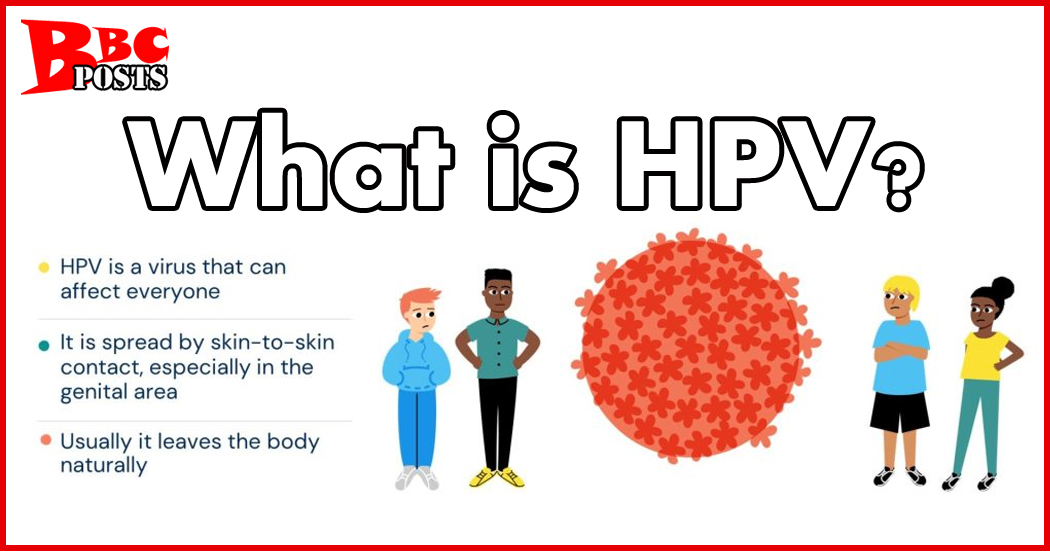
    Human papillomavirus (HPV) is one of the most common sexually transmitted infections (STI) viruses. According to the latest statistics, many people are newly infected with HPV every year. The speed and scale of the spread of HPV in world are equally alarming.

    Certain types of HPV infections are more dangerous and can lead to cervical cancer and other types of cancer if left untreated. Unfortunately, many types of HPV have no symptoms, which means you may not know you have it unless you get test.
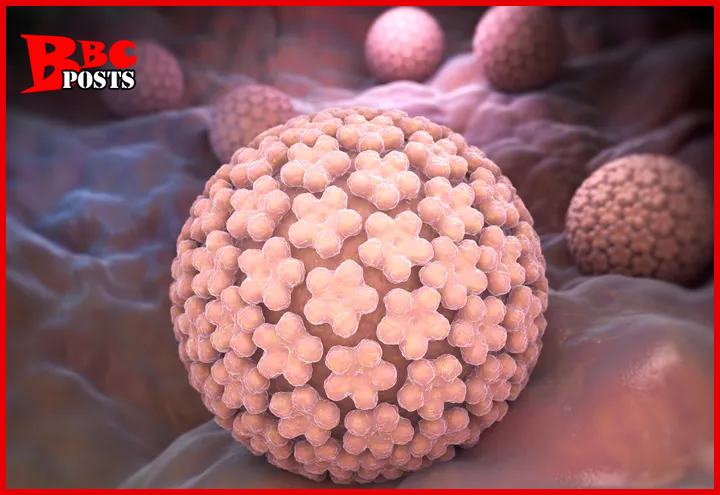
    File photo
    File photo

    The following information source by U.S. Centers for Disease Control and Prevention .

    What are the symptoms of HPV?

    Most people with it don’t show any symptoms, so they usually don’t know they are infected. But according to the Centers for Disease Control and Prevention, some non-cancerous HPV types can cause warts in multiple areas of the body .

    These warts may appear on the genitals, anus, mouth, throat, or hands and feet. Genital warts can be sexually transmit and appear as flat lesions, small cauliflower-shape bumps, or tiny stem-like bumps. Warts in places other than the genitals, such as the hands and feet, cannot be sexually transmit.

    Regardless of the location of the wart, the types of HPV that cause wart symptoms are consider low-risk and cannot cause cancer, according to the Centers for Disease Control and Prevention. High-risk HPV types do not cause symptoms, but if infected for a long time, they may lead to cervical cancer. Less commonly, these types can also cause cancer of the vulva, vagina, penis, anus, or throat. The risk of this cancer is why detecting and preventing it is important.

    Which types of HPV are dangerous?

    In most cases, your immune system fights off HPV infection, preventing you from developing symptoms or health conditions. According to the Cancer research Institute warts caused by noncancerous HPV infections are rare, harmless⁠, and are primarily cause by this types 6 and 11. Meanwhile, most HPV-related cancers are cause by types 16 and 18.

    How often should you get test?

    According to the National Cancer Institute (NCI), cervical cancer can take several years to develop after infection with it. This means that if you get test regularly, you can get HPV treatment before the virus causes cancer.

    One of the tests for cervical cancer includes a Pap smear , which tests cervical cells to see if they are cancer cells or risk causing cancer. However, this screening does not show the cause of cervical cancer; Pap smears cannot detect HPV .

    Instead, doctors use HPV testing to determine whether a person has high-risk it and is at risk for cancer.

    As of 2018, the U.S. Preventive Services Task Force (USPTF) recommends that most cervical cancer patients ages 21 to 65 get a Pap test at least every three years, depending on whether they have recently had an abnormal Pap smear for it. Patients ages 30 to 65 should continue to have a Pap test every three years or choose a combined test (Pap smear and HPV test) every five years. However, people under 21, over 65, or those who have had their cervix surgically remove should not be test.

    Women can go to a hospital or the Centers for Disease Control and Prevention to make an appointment for it vaccination. Unfortunately.

    There is no cure for HPV. However, if your Pap test results are abnormal, your doctor will perform further testing and possibly remove precancerous cells from your cervix, according to the Centers for Disease Control and Prevention. There are also treatments for other problems that it may cause, such as topical medications to treat warts.

    How to protect yourself from HPV infection?

    You can protect yourself against certain types of this infection by getting the HPV vaccine. The Centers for Disease Control and Prevention recommends that people of all genders get vaccinate by age 11 or 12, although it can be give as early as age 9. If you haven’t been vaccinate yet, you should still get vaccinate if you are 26 or younger. In the meantime, if you haven’t been vaccinate yet and are between the ages of 27 and 45, talk to your doctor about whether you should get vaccinate.

    Breast Cancer
    What to do if you get breast cancer
    Editorial Notice & Disclaimer: All material published on this platform is curated strictly for general educational and healthcare informational purposes. Content should not be interpreted as professional medical advice, official diagnosis, or a definitive treatment protocol. We strongly advise consulting a licensed physician or qualified healthcare provider regarding any specific medical concerns or health choices.

    Share. Facebook Twitter Pinterest LinkedIn Tumblr Email
    Previous ArticleWhat is oat bran? choose high-quality and delicious oat bran?
    Next Article 8 ways to keep your heart healthy

    Related Posts

    Patient Education

    Couples Therapy: What to Expect in Your First Session (A Clinical Guide)

    July 20, 2026
    Cancer

    Long-Term Survival in Small Cell Lung Cancer: Advances, Factors, and Patient Stories

    July 16, 2026
    Patient Education

    How Soon Do Doctors Receive CT Scan Results in the ER? A Medical Guide

    July 14, 2026
    Add A Comment
    Leave A Reply Cancel Reply

    You must be logged in to post a comment.

    Recent Posts
    • Osseous Surgery: Procedure, Recovery, and What to Expect
    • Dental Bone Graft Code: Complete CDT Guide & Billing Breakdown
    • Caffeine Effects on Heart Rate: How Coffee Impacts Your Cardiac Health
    • Can You Have a Period When You Are Pregnant? What to Know
    • How Long Does It Take for Eyelashes to Grow Back? Complete Growth Guide
    Top Posts

    What are the effects of smoking on the lungs?

    March 7, 2024

    What are the causes of headaches? How to prevent it in daily life?

    April 11, 2024

    Cardiovascular Disease, can do these 4 things, and blood vessels can stay young.

    April 18, 2024
    Latest Reviews
    Most Popular

    Osseous Surgery: Procedure, Recovery, and What to Expect

    August 4, 2026

    Dental Bone Graft Code: Complete CDT Guide & Billing Breakdown

    August 3, 2026

    Caffeine Effects on Heart Rate: How Coffee Impacts Your Cardiac Health

    July 30, 2026

    Can You Have a Period When You Are Pregnant? What to Know

    July 29, 2026

    How Long Does It Take for Eyelashes to Grow Back? Complete Growth Guide

    July 28, 2026

    Our Medical Board

    Our health platform content is written, reviewed, and vetted by a dedicated board of licensed clinicians and specialists to guarantee clinical accuracy.

    • Dr. Rachana Bhoite
      Dr. Rachana Bhoite Nutrition Science Dr. Reddy's Labs ↗
    • Dr. Priyanka Agarwal
      Dr. Priyanka Agarwal Dermatologist Dakai Skin Clinic ↗
    • Dr. Himanshu Gupta
      Dr. Himanshu Gupta Orthopedics & Robotics Amicare Hospital ↗
    • Dr. Mohanned Alghamdi
      Dr. Mohanned Alghamdi Esthetic & Restorative UniDents Clinic ↗
    • Dr. Neha Sood
      Dr. Neha Sood Otolaryngologist (ENT) BLK-Max / Sir Ganga Ram ↗
    • Dr. Sarita Rao
      Dr. Sarita Rao Interventional Cardiology Apollo Hospitals ↗
    Our Picks

    Osseous Surgery: Procedure, Recovery, and What to Expect

    August 4, 2026

    Dental Bone Graft Code: Complete CDT Guide & Billing Breakdown

    August 3, 2026

    Caffeine Effects on Heart Rate: How Coffee Impacts Your Cardiac Health

    July 30, 2026

    Can You Have a Period When You Are Pregnant? What to Know

    July 29, 2026

    How Long Does It Take for Eyelashes to Grow Back? Complete Growth Guide

    July 28, 2026
    Facebook X (Twitter) Instagram Pinterest
    • About Us
    • Contact Us
    • Disclaimer
    • Our Medical Review Board & Expert Contributors
    • Terms and Conditions
    • Write for Us
    © 2026 Healthy Post. All Rights Reserved.

    Type above and press Enter to search. Press Esc to cancel.