
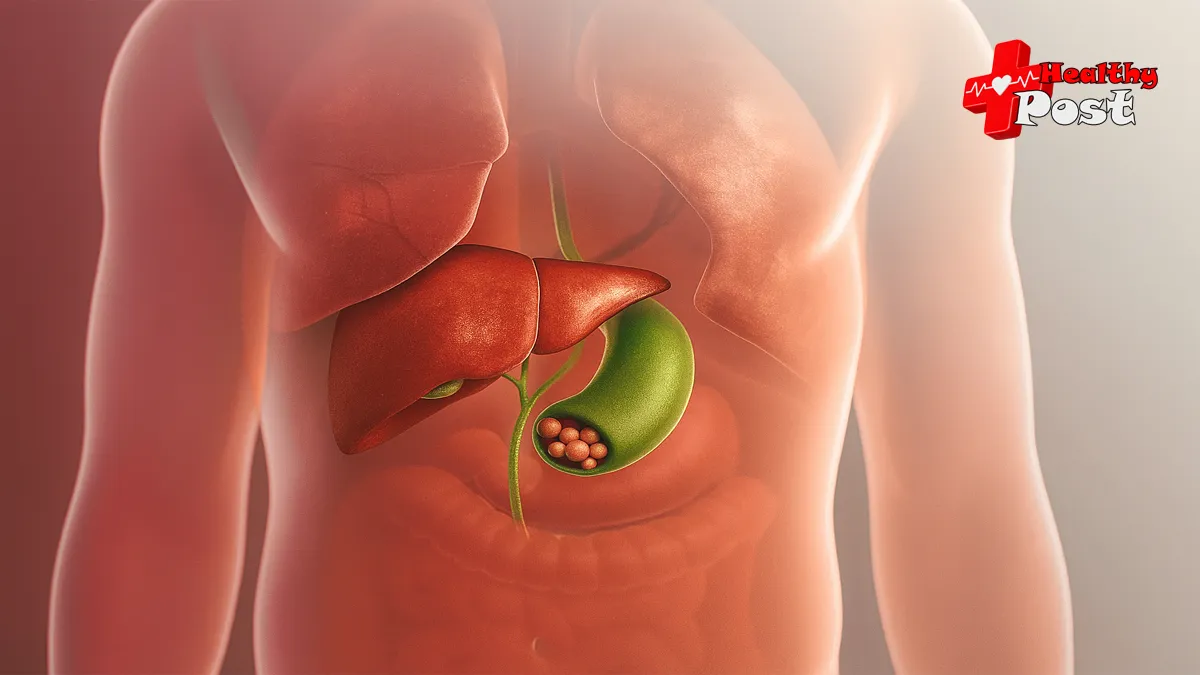
Which Size of Gallbladder Stone Is Dangerous: 7 Shocking Facts & Symptoms You Must Know
People often expect one clear answer. They want a single number that says “safe” or “dangerous.”
Medicine is not that simple. Doctors do not use only one size cut-off to decide risk. Instead, they look at several ranges and patterns.
When discussing which size of gallbladder stone is dangerous, most specialists think about three key ranges:
- Very small stones: under 5 mm
- Medium stones: about 5–10 mm
- Large stones: over 2 cm (20 mm), and especially over 3 cm
Each group carries different types of risk.
Here is how doctors usually think about them:
- Very small stones can slip into narrow ducts. This can trigger pancreatitis or bile duct blockage.
- Medium stones often cause classic gallbladder attacks after meals.
- Very large stones can irritate the gallbladder wall for years. This may increase long‑term risks, including rare cancer.
So the real question is not only “which size of gallbladder stone is dangerous.”
The better question is:
“How do stone size, number, symptoms, and test results combine in my case?”
Your doctor looks at all of this together before giving advice.
2. Stone Size Ranges and Risks: A Simple Overview Table
To make this easier, here is a quick overview.
| Stone size | Typical pattern | Main risks | Common doctor advice |
|---|---|---|---|
| Less than 5 mm (very small) | Often many tiny stones or “sludge” | Can slip into bile duct and cause pancreatitis or jaundice | Monitor closely; surgery if symptoms or high risk |
| 5–10 mm (small to medium) | Single or multiple stones | Typical gallbladder attacks, inflammation, infection | Surgery often advised if symptoms occur |
| 10–20 mm (medium to large) | Often few larger stones | Repeated pain, inflammation, possible bile duct blockage | High chance of surgery if painful |
| More than 20 mm (very large) | Sometimes one big “giant” stone | Ongoing irritation, higher long‑term complications, rare cancer risk | Surgery often recommended, even with mild symptoms |
This table is a guide only. Every body is different. Your other health problems, your age, and your symptoms all matter.
3. Fact 1: Very Small Stones Can Cause Very Big Trouble 😮
Many people think small stones are always safer. That sounds logical but is not always true.
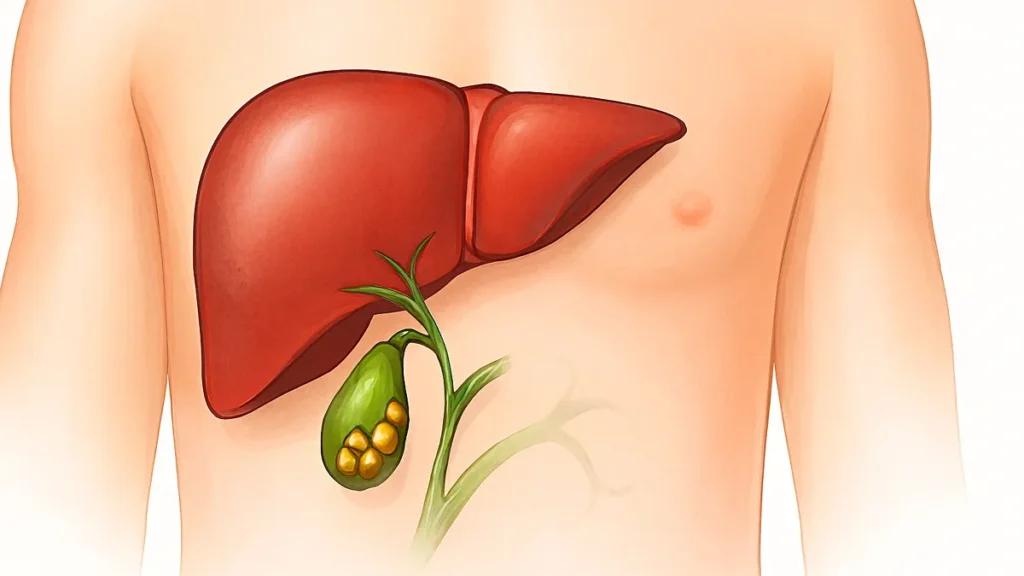
Very small stones, under about 5 mm, can move easily. They may leave the gallbladder and enter the thin bile ducts. These ducts are narrow tubes that carry bile from the liver and gallbladder to the intestine.
If a tiny stone gets stuck there, several serious problems can occur:
- Bile duct blockage, which can cause jaundice
- Infection in the bile ducts, called cholangitis
- Irritation of the pancreas, called acute pancreatitis
Acute pancreatitis can be life‑threatening. Doctors take it very seriously. You can read more about acute pancreatitis (https://www.niddk.nih.gov/health-information/digestive-diseases/pancreatitis/acute-pancreatitis).
So when doctors decide which size of gallbladder stone is dangerous, they do not ignore tiny stones.
You are more at risk if you have:
- Many very small stones
- “Sludge” seen on ultrasound
- A history of pancreatitis or bile duct stones
If this sounds like you, discuss a clear prevention plan with your doctor.
4. Fact 2: Large Stones Bring Different, Long‑Term Dangers
On the other end of the scale, very large stones can also be risky.
Many guidelines suggest that stones larger than 2–3 cm may increase the chance of:
- Repeated gallbladder inflammation
- Scarring and a stiff gallbladder
- A small but real rise in gallbladder cancer risk over many years
Gallbladder cancer is rare. Most people with a large gallbladder stone will never develop it.
Still, long‑term irritation of the gallbladder wall is not healthy. Some surgeons recommend removing the gallbladder when very large stones are found, especially if you also have symptoms.
So, both very small and very large stones can be dangerous. They just tend to cause different problems.
5. Fact 3: Medium Stones Often Cause Classic “Gallbladder Attacks”
Most people who have pain from gallstones have stones in the 5–10 mm range.
These stones are large enough to block the outlet of the gallbladder temporarily. That blockage stops bile from flowing out during digestion. Pressure builds up and nerves send pain signals.
A typical gallbladder attack often looks like this:
- Sudden pain in the upper right or middle upper belly
- Pain starting 30 minutes to two hours after a fatty or heavy meal
- Pain lasting from 30 minutes to several hours
- Nausea, sometimes vomiting
- Pain that may spread to the back or right shoulder blade
These are classic gallbladder stone symptoms.
You can read more about gallstones and pain patterns in this Mayo Clinic article on gallstones (https://www.mayoclinic.org/diseases-conditions/gallstones/symptoms-causes/syc-20354214).
If you have repeated attacks like this, your doctor will likely suggest surgery. In that case, they worry less about which size of gallbladder stone is dangerous. They focus more on the damage these attacks can cause over time.
6. Fact 4: “Silent” Stones Are Common, But Not Always Harmless
Many people have gallstones and never know it. These stones cause no pain and are called “silent stones.”
If your stone was found by accident, your doctor may choose watchful waiting. They may not rush into treatment, especially if you:
- Have no pain or digestive symptoms
- Have stones that are not extremely small or very large
- Have no signs of inflammation on imaging tests
However, silent stones can become noisy later. Around 1–4 out of 100 people each year will start to have symptoms.
Your risk rises if you also have:
- Diabetes
- Obesity
- A family history of severe gallbladder disease
- Very large stones over 2–3 cm
So if you are told your stones are “silent,” keep paying attention. Ask your doctor what early warning signs you should watch for.
7. Fact 5: Symptoms Often Matter More Than Size
Doctors care a lot about size. Still, your day‑to‑day symptoms can matter even more.
Here are the most important gallbladder stone symptoms you should never ignore:
- Sudden, steady pain in the upper right abdomen
- Pain after eating greasy, fried, or heavy meals
- Nausea or vomiting with that pain
- Pain that wakes you from sleep
- Yellow eyes or skin (jaundice)
- Dark urine and pale, clay‑colored stools
- Fever, chills, or feeling very unwell with belly pain
If you have these signs, your gallbladder stone is already causing trouble.
In this situation, your doctor may say the stone is “clinically significant,” even if it is small.
For more detail on gallbladder stone symptoms, you can review this Cleveland Clinic overview of gallbladder stone symptoms (https://my.clevelandclinic.org/health/diseases/7313-gallstones).
8. Fact 6: Certain Symptoms Mean “Go to the Emergency Room Now” ⚠️
Some symptoms suggest dangerous complications. These must be taken very seriously.
Seek urgent or emergency care right away if you have:
- Severe upper right or upper middle belly pain that will not go away
- Fever and chills with that pain
- Yellow eyes or skin plus pain
- Repeated vomiting and inability to keep fluids down
- Confusion, dizziness, or feeling like you might faint
These signs can mean:
- Acute cholecystitis, a serious gallbladder infection
- Cholangitis, an infection in the bile ducts
- Acute pancreatitis, inflammation of the pancreas
All of these can become life‑threatening without fast treatment. Do not wait to see if they pass.
At this point, the exact stone size matters less than the serious infection or blockage. Your care team will act quickly to stabilize you.
9. Fact 7: Tests Show More Than Size – They Show Complications
When deciding which size of gallbladder stone is dangerous for you, doctors use more than an ultrasound report. They combine several tools, including:
- Blood tests
- To look for infection, liver problems, or pancreas inflammation
- Ultrasound
- To see stones, gallbladder wall swelling, and fluid around the gallbladder
- MRCP or CT scan
- To view the bile ducts in more detail
- Endoscopic procedures
- Such as ERCP, which can remove stones from the bile duct
These tests help answer key questions:
- Are stones only in the gallbladder, or also in the ducts?
- Is there active infection or just mild irritation?
- Is the gallbladder thickened or scarred?
- Is the pancreas involved?
The answers guide treatment choices far more than stone size alone.
10. Common Gallbladder Stone Symptoms You Must Know
Let us pull the most important symptoms into one place. These can signal trouble from any gallbladder stone, regardless of size.
Watch for:
- Pain
- Upper right or middle upper belly pain
- Pain after meals, especially fatty foods
- Pain that comes in “attacks” then eases
- Digestive changes
- Appearance changes
- Yellowing of skin or eyes
- Dark tea‑colored urine
- Pale, gray, or clay‑colored stools
- General signs
- Fever or chills
- Feeling exhausted or unwell with belly pain
If you notice several of these gallbladder stone symptoms, see your doctor soon.
11. Treatment Options: You Have Choices ✅
Once your doctor knows your stone size, symptoms, and test results, treatment can be tailored.
Common options include:
a) Watchful waiting
This may be chosen if:
- Stones are found by accident
- You have no symptoms
- There are no high‑risk features
Your doctor will likely:
- Advise a healthy, balanced diet
- Suggest weight management, if needed
- Ask you to return if symptoms start
b) Gallbladder removal surgery (cholecystectomy)
This is the most common and effective treatment. Surgeons usually remove the gallbladder using keyhole (laparoscopic) surgery.
Reasons your doctor may suggest surgery:
- Repeated gallbladder attacks
- Complications like infection or pancreatitis
- Very large stones, especially over 2–3 cm
- High‑risk health conditions, such as diabetes
For more detail, you can read about gallbladder removal surgery (https://www.hopkinsmedicine.org/health/treatment-tests-and-therapies/gallbladder-removal-surgery-cholecystectomy).
Most people live a normal life without a gallbladder. Bile then flows directly from the liver to the intestine.
c) Medicines to dissolve stones
In some cases, doctors may prescribe bile acid pills, such as ursodeoxycholic acid.
These medicines work best when:
- Stones are small and made of cholesterol
- The gallbladder still works well
- The patient cannot have surgery for medical reasons
The process is slow and not always successful. Stones can return after treatment stops. For many people, surgery remains the more reliable option.
d) Endoscopic procedures for duct stones
If stones move into the bile duct, doctors may use a procedure called ERCP.
During ERCP:
- A thin tube is passed through the mouth into the small intestine
- Contrast dye is injected into the bile duct
- Tools are used to remove stones from the duct
This procedure opens the duct. It protects the liver and pancreas from further blockage.
12. Lifestyle Steps to Reduce Gallbladder Stress 🌿
You cannot always prevent gallstones. Still, you can lower strain on your gallbladder.
Helpful habits include:
- Eating smaller, more frequent meals
- Limiting deep‑fried, very fatty, and fast foods
- Choosing lean proteins, fruits, vegetables, and whole grains
- Maintaining a healthy weight
- Avoiding crash diets and sudden heavy fasting
- Staying active with regular movement or exercise
Lifestyle changes will not usually make large stones vanish. But they may reduce attacks and keep your digestion more comfortable.
13. FAQs About Gallbladder Stone Size and Safety
FAQ 1: Can very small gallbladder stones still be dangerous?
Yes. Very small stones can move into the bile duct and block it. This can trigger jaundice or pancreatitis, which are serious.
FAQ 2: Does stone size alone decide if I need surgery?
No. Doctors also consider your symptoms, age, overall health, and test results. Stone size is one piece of the puzzle.
FAQ 3: Can I shrink a gallbladder stone naturally?
There is no proven home method to reliably dissolve stones. Some small cholesterol stones may respond to specific medicines, but this must be guided by a doctor.
FAQ 4: What foods are most likely to trigger a gallbladder attack?
Heavy, greasy, or fried foods are frequent triggers. Large portions of cheese, cream sauces, fast food, and fatty meats can also set off pain.
FAQ 5: When should I go to the hospital for gallbladder pain?
Seek urgent help if you have severe, lasting pain, fever, chills, yellow skin or eyes, or repeated vomiting. These can signal serious complications.
FAQ 6: Can a gallbladder stone turn into cancer?
Most stones do not lead to cancer. However, very large stones and long‑term inflammation slightly raise the risk. This is one reason doctors track stone size and duration.
14. External Resources for Deeper Understanding
If you want to read more from trusted medical sources, these articles are helpful:
These links can deepen your understanding and support conversations with your own doctor.
15. Conclusion: So, Which Size of Gallbladder Stone Is Dangerous?
After all this, you might still hope for one simple number.
In reality, which size of gallbladder stone is dangerous depends on more than size alone. Very small stones can move and block ducts. Medium stones often cause typical attacks. Very large stones may increase long‑term risks and can lead to chronic damage.
The most important steps you can take are:
- Learn the key gallbladder stone symptoms
- Pay attention to any changes in your body
- Get proper imaging and blood tests
- Discuss your specific risks and options with your doctor
Do not ignore persistent pain, jaundice, or fever. Early action can prevent serious complications and protect your long‑term health.
If you are wondering which size of gallbladder stone is dangerous in your own case, the best next step is clear. Take your reports, your symptom diary, and your questions to a trusted healthcare professional. Together, you can choose the safest and most comfortable path forward. 💚

One thought on “Which Size of Gallbladder Stone Is Dangerous: 7 Shocking Facts & Symptoms You Must Know”