

Close Menu

    Subscribe to Updates

    Get the latest creative news from FooBar about art, design and business.

    What's Hot

    How to Get Rid of Post Nasal Drip Fast: Effective Relief & Remedies

    August 15, 2026

    Chance of Getting Pregnant After Vasectomy: Failure Rates & Risks

    August 11, 2026

    What Not to Do After IUD Insertion: Dos, Don’ts & Recovery, Dr. Michelle Uzor Advised

    August 10, 2026
    Facebook X (Twitter) Instagram
    • About Us
    • Contact Us
    • Our Medical Review Board & Expert Contributors
    • Cancer
    • Cardiology
    • Dental
    • General Disease
    • Gyne
    • Healthy food
    • Medicine
    • Orthopedics
    • Skin
    Button
    Home » Why are women more likely to develop uterine fibroids?
    Gyne

    Why are women more likely to develop uterine fibroids?

    AdminBy AdminJanuary 21, 20254 Comments4 Mins Read
    Share Facebook Twitter Pinterest LinkedIn Tumblr Reddit Telegram Email
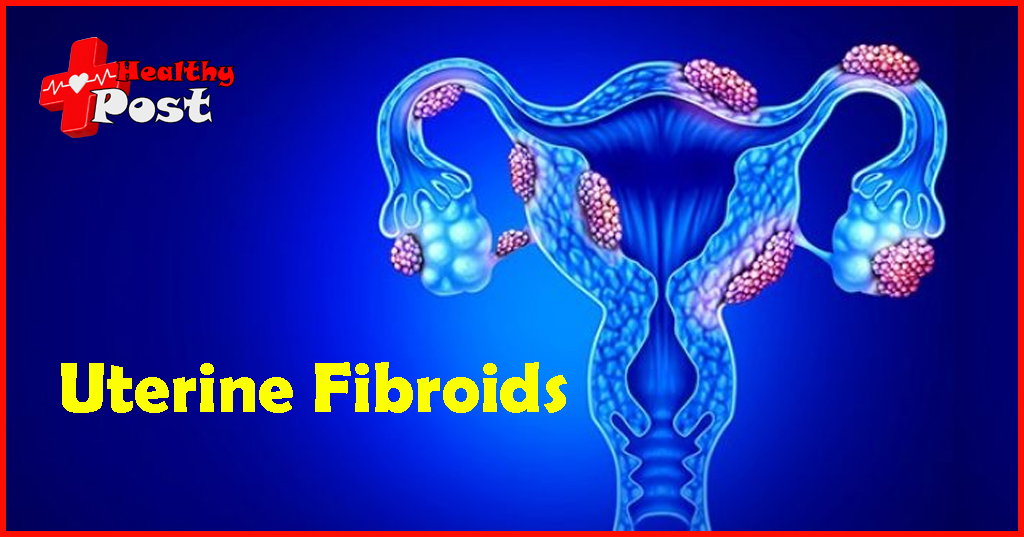
    Uterine fibroids
    Share
    Facebook Twitter LinkedIn Pinterest Email

    After a physical examination, many women discovered that they had a small thing in their “belly” uterine fibroids . Most people feel terrible when they hear the word “tumor”. Some people even have their uterus removed because of this disease. So, how serious are uterine fibroids?

    Uterine fibroids
    Uterine fibroids

    What are uterine fibroids

    These are common benign tumors in the female reproductive system. They are mainly formed by the proliferation of uterine smooth muscle cells, so they are called uterine leiomyoma , or it for short. They are more common in women aged 30 to 50, and are particularly common in women aged 41 to 50. As women age, they will have uterine fibroids to varying degrees, some of which are very small, some are relatively large, and some may still be developing and have not been discovered.

    Classification of uterine fibroids

    According to the location of uterine fibroids and their relationship to the uterine myometrium, they are mainly divided into three categories:

    Intramural fibroids

    The incidence rate is 60% to 70%. The fibroids are located in the uterine muscle wall and are surrounded by the myometrium.

    Subserosal fibroids

    The incidence rate is about 20%. Myomas grow toward the uterine serosa, protrude from the outer surface of the uterus, and are covered by the serosa. Some myomas are even completely “hanging” on the uterus, connected to the uterus by only a pedicle.

    Submucosal fibroids

    File Photo
    File Photo

    Discomfort, heaviness and pain in the lower abdomen, back pain, which may worsen during menstruation. When the fibroids are large, a lump may be felt in the lower abdomen, and sometimes the fibroids may prolapse into the vagina, resulting in a prolapsed mass on the vulva.

    Impact on pregnancy

    Fibroids that protrude into the uterine cavity can hinder the implantation of the fertilized egg and affect fertility; if the fibroids are too large, they may deform the uterine cavity and cause insufficient blood supply to the endometrium, resulting in miscarriage and restricted fetal growth; patients are prone to red degeneration of uterine fibroids during pregnancy , with abdominal pain, fever, etc.; they may lead to abnormal fetal position and placental abruption; fibroids close to the cervical opening may cause birth canal obstruction, dystocia, postpartum hemorrhage, and premature birth.

    How to prevent uterine fibroids scientifically

    1. Eat a healthy diet

    Eat a balanced and reasonable diet, eat more foods rich in vitamins and proteins, such as lean meat, fish, etc., and eat more vegetables and fruits. The diet should be light and healthy. Drink more boiled water to ensure that the body has sufficient water and nutrition, and try to drink less alcohol and eat less high-calorie, high-sugar and high-fat foods.

    2. Develop a good mental state

    Ensure that the body and mind are comfortable and calm. Women should also maintain a stable mentality at ordinary times, which is conducive to balancing the endocrine system and thus reducing the risk it.

    3. Enhance your own immunity

    Strengthening one’s own immunity is an effective way to prevent it. Female friends should exercise moderately to enhance their own disease resistance.

    File Photo
    File Photo

    4. Scientific reproduction

    Pay attention to contraception and try to avoid artificial abortion. The fewer times a woman has artificial abortions, the less harm it will cause to her body, because artificial abortions will cause the uterus to be constantly mechanically stimulated, thereby increasing the chance of developing uterine fibroids.

    5. Regular physical examinations

    Regular physical examinations can detect it as early as possible, so female friends should have regular physical examinations. 6. Reasonable use of drugs and products such as sex hormones

    Gynecologists point out that uterine fibroids are hormone-dependent benign tumors. High-fat diet, overweight, long-term use of hormone drugs, health products, and use of some cosmetics containing estrogen are the main causes. Some young women have relatively high estrogen levels. If they take estrogen, they are more likely to develop these.

    Nuberol Forte
    Nuberol Forte: A Comprehensive Review of Its Uses and Effects
    Editorial Notice & Disclaimer: All material published on this platform is curated strictly for general educational and healthcare informational purposes. Content should not be interpreted as professional medical advice, official diagnosis, or a definitive treatment protocol. We strongly advise consulting a licensed physician or qualified healthcare provider regarding any specific medical concerns or health choices.

    Share. Facebook Twitter Pinterest LinkedIn Tumblr Email
    Previous ArticleNuberol Forte: A Comprehensive Review of Its Uses and Effects
    Next Article Know yellow tea, advantages and disadvantages

    Related Posts

    Gyne

    Chance of Getting Pregnant After Vasectomy: Failure Rates & Risks

    August 11, 2026
    Gyne

    What Not to Do After IUD Insertion: Dos, Don’ts & Recovery, Dr. Michelle Uzor Advised

    August 10, 2026
    Gyne

    Can You Have a Period When You Are Pregnant? What to Know

    July 29, 2026
    View 4 Comments

    4 Comments

    1. Pingback: Robotic Myomectomy: Minimally Invasive Fibroid Surgery Benefits

    2. Pingback: Postmenopausal Bleeding ICD 10: 8 Essential Facts Every Woman Should Know

    3. Pingback: 7 Powerful Debunking Myths in Gyne Health You Must Avoid - Health Page

    4. Pingback: Lower Body Obesity: Hidden Estrogen Risks in Hip and Thigh Fat

    Leave A Reply Cancel Reply

    You must be logged in to post a comment.

    Recent Posts
    • How to Get Rid of Post Nasal Drip Fast: Effective Relief & Remedies
    • Chance of Getting Pregnant After Vasectomy: Failure Rates & Risks
    • What Not to Do After IUD Insertion: Dos, Don’ts & Recovery, Dr. Michelle Uzor Advised
    • Difference between mouth ulcer and oral cancer: symptoms & precaution
    • Can Cavities Cause Bad Breath? Dr. Mohanned Alghamdi Explained
    Top Posts

    What are the effects of smoking on the lungs?

    March 7, 2024

    What are the causes of headaches? How to prevent it in daily life?

    April 11, 2024

    Cardiovascular Disease, can do these 4 things, and blood vessels can stay young.

    April 18, 2024
    Latest Reviews
    Most Popular

    How to Get Rid of Post Nasal Drip Fast: Effective Relief & Remedies

    August 15, 2026

    Chance of Getting Pregnant After Vasectomy: Failure Rates & Risks

    August 11, 2026

    What Not to Do After IUD Insertion: Dos, Don’ts & Recovery, Dr. Michelle Uzor Advised

    August 10, 2026

    Difference between mouth ulcer and oral cancer: symptoms & precaution

    August 8, 2026

    Can Cavities Cause Bad Breath? Dr. Mohanned Alghamdi Explained

    August 7, 2026

    Our Medical Board

    Our health platform content is written, reviewed, and vetted by a dedicated board of licensed clinicians and specialists to guarantee clinical accuracy.

    • Dr. Rachana Bhoite
      Dr. Rachana Bhoite Nutrition Science Dr. Reddy's Labs ↗
    • Dr. Priyanka Agarwal
      Dr. Priyanka Agarwal Dermatologist Dakai Skin Clinic ↗
    • Dr. Himanshu Gupta
      Dr. Himanshu Gupta Orthopedics & Robotics Amicare Hospital ↗
    • Dr. Michelle Uzor
      Dr. Michelle Uzor OB-GYN Southern Crescent ↗
    • Dr. Kamlesh Verma
      Dr. Kamlesh Verma Surgical Oncology Max Hospital ↗
    • Dr. Mohanned Alghamdi
      Dr. Mohanned Alghamdi Esthetic & Restorative UniDents Clinic ↗
    • Dr. Neha Sood
      Dr. Neha Sood Otolaryngologist (ENT) BLK-Max / Sir Ganga Ram ↗
    • Dr. Sarita Rao
      Dr. Sarita Rao Interventional Cardiology Apollo Hospitals ↗
    Our Picks

    How to Get Rid of Post Nasal Drip Fast: Effective Relief & Remedies

    August 15, 2026

    Chance of Getting Pregnant After Vasectomy: Failure Rates & Risks

    August 11, 2026

    What Not to Do After IUD Insertion: Dos, Don’ts & Recovery, Dr. Michelle Uzor Advised

    August 10, 2026

    Difference between mouth ulcer and oral cancer: symptoms & precaution

    August 8, 2026

    Can Cavities Cause Bad Breath? Dr. Mohanned Alghamdi Explained

    August 7, 2026
    Facebook X (Twitter) Instagram Pinterest
    • About Us
    • Contact Us
    • Disclaimer
    • Our Medical Review Board & Expert Contributors
    • Terms and Conditions
    • Write for Us
    © 2026 Healthy Post. All Rights Reserved.

    Type above and press Enter to search. Press Esc to cancel.