

This article has been written by Dr. Mohammad Kamruzzaman (Plastic & Reconstructive Surgery), specializing in reconstructive surgery, cleft lip and palate repair, and congenital anomaly management.
Medical Disclaimer: The information provided on Healthy Post regarding unilateral cleft lip repair solutions is for educational and informational purposes only and does not constitute formal medical or surgical advice. Surgical treatments for congenital conditions require a comprehensive multidisciplinary clinical evaluation of infant health and anatomical structure. Always consult a qualified plastic and reconstructive surgeon for professional medical guidance and personalized treatment planning.
🏥 Medical Review Board Member
Dr. Mohammad Kamruzzaman, MBBS, FCPS
Plastic & Reconstructive Surgeon | Associate Professor, Dhaka Medical College & Hospital
Dr. Mohammad Kamruzzaman is a prominent plastic, reconstructive, and burn surgeon serving as an Associate Professor in the Department of Burn & Plastic Surgery at Dhaka Medical College & Hospital. With extensive clinical expertise and advanced surgical credentials, he is dedicated to providing evidence-based medical oversight and translating specialized clinical care into clear, reliable guidance. Dr. Kamruzzaman ensures that health and surgical content on Healthy Post meets the highest standards of medical accuracy, clinical integrity, and patient safety.
A diagnosis of unilateral cleft lip can feel overwhelming for any parent. Questions come fast. Will my baby feed well? Will surgery work? What will life look like later? The reassuring answer is that modern cleft care has changed dramatically. With early planning, skilled surgery, and long-term support, most children with a one-sided cleft lip grow, speak, smile, and thrive.
This condition is one of the most common birth differences in the world. It happens when the upper lip does not fully join during pregnancy. In some babies, the opening is limited to the lip. In others, it reaches the gum, nose, or palate. The visible change may be striking at birth, but treatment today is more precise than ever.
Families now benefit from prenatal detection, specialized feeding support, staged surgery, and newer methods that protect delicate tissues. Research in 2026 also points to smarter surgical planning, better healing, and improved facial balance over time. This article explains five proven solutions that truly transform lives, while also covering causes, symptoms, and what parents can expect along the way.
What Is Unilateral Cleft Lip?
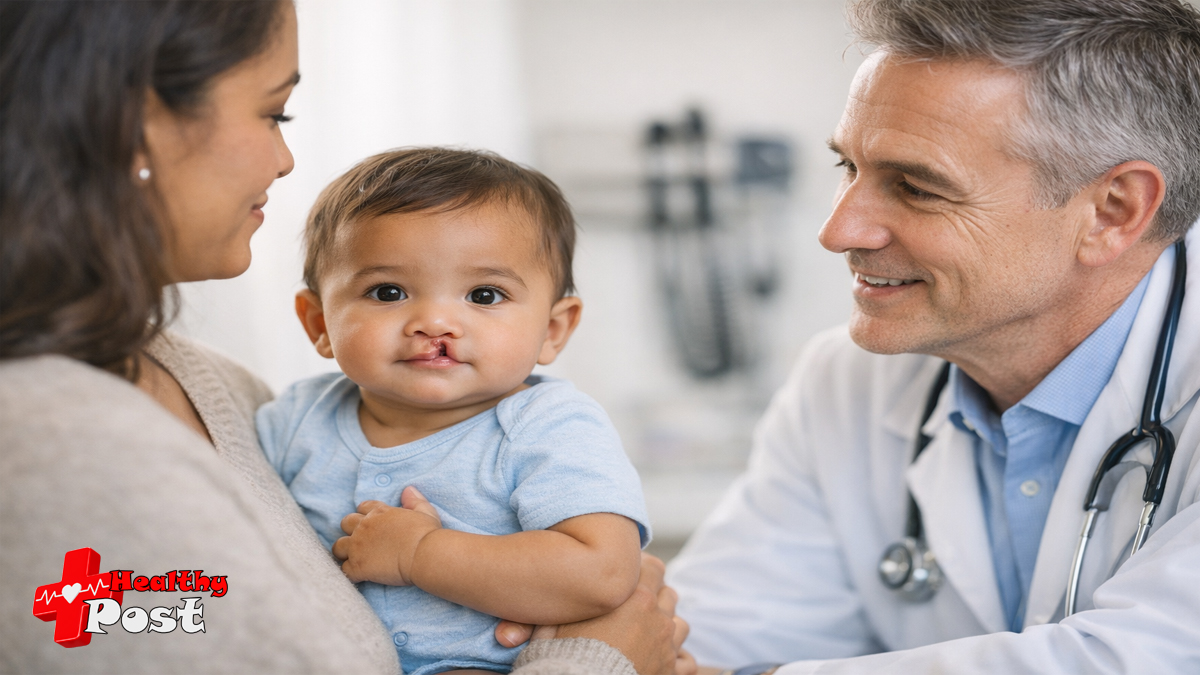
A unilateral cleft lip is an opening on one side of the upper lip. “Unilateral” means one-sided. The split may be small, like a notch, or it may extend upward into the nostril and gum ridge. Some children also have a cleft palate, which affects the roof of the mouth.
Doctors may detect it during pregnancy on ultrasound. If not, it is usually seen right after birth. The condition varies widely. That is why each child needs an individual treatment plan.
Common challenges linked to a one-sided cleft lip
Children may face:
- Feeding problems in the newborn period
- Trouble creating suction during bottle or breast feeding
- Ear infections, especially if the palate is involved
- Dental changes when the gum ridge is affected
- Speech concerns later in childhood
- Emotional stress tied to appearance or repeated procedures
Still, the outlook is usually strong when care starts early.
1. Early Detection Creates a Better Start
The first proven solution is simple but life-changing: detect the condition early and build a team quickly.
When a cleft is found before birth, parents have time to prepare. They can meet a cleft team, learn feeding techniques, and understand the surgery timeline. That reduces fear and avoids delays after delivery.
Why prenatal diagnosis matters
A prenatal ultrasound can reveal a lip split in many cases. This allows families to:
- Choose a birth hospital with pediatric support
- Meet surgeons and feeding specialists in advance
- Learn how bottles for cleft feeding work
- Plan emotionally and financially
- Screen for related conditions if needed
Early diagnosis does not change the baby’s worth or future. It changes readiness. That matters.
Causes and risk factors parents should know
There is rarely one single cause. Most cases involve a mix of genetics and environment.
Known risk factors include:
- Family history of cleft lip or palate
- Certain genetic syndromes
- Maternal smoking
- Alcohol use during pregnancy
- Some medications during early pregnancy
- Low folate intake
Population patterns also exist. Cleft lip appears more often in males and is more common in some Native American and Asian populations. It is less common in African American groups.
Trusted public health guidance from the CDC birth defects pages highlights the role of prenatal health, including avoiding tobacco and getting proper nutrition.
A short real-life example
One family learns at a 20-week scan that their son has a cleft affecting the lip and gum. They meet a specialist before birth. When he arrives, feeding starts smoothly because the parents already know which bottle to use.
That kind of preparation can change the first weeks completely.
2. Feeding Support Protects Growth and Reduces Stress
Before surgery, feeding is often the first major hurdle. This is where expert support becomes the second proven solution.
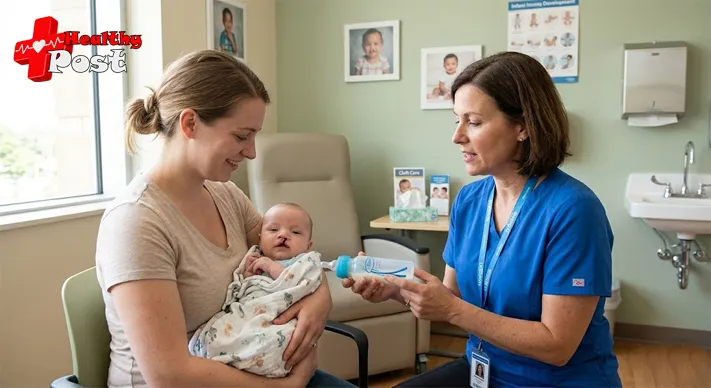
Babies with a cleft in the lip may struggle to form a seal. If the palate is also open, suction becomes even harder. Parents may feel anxious when milk leaks from the nose or feeds take too long. With coaching, most babies can feed safely and gain weight.
Practical feeding strategies for parents
A cleft team may recommend:
- Special squeeze bottles or assisted-flow nipples
- Upright positioning during feeds
- Frequent burping
- Shorter, paced feeding sessions
- Monitoring weight closely
These steps sound small, but they are deeply important. Good nutrition supports surgery, healing, brain growth, and family confidence.
Emotional support matters too
Feeding difficulties can leave parents feeling defeated. That is why cleft care must include counseling, reassurance, and repeated teaching. A calm, coached parent often becomes the baby’s strongest advocate.
Helpful timeline at a glance
| Stage | What Happens | Main Goal |
|---|---|---|
| Prenatal or birth diagnosis | Cleft team evaluation | Early planning |
| Newborn period | Feeding support, hearing checks | Growth and stability |
| First months | Possible NAM therapy | Shape tissues before surgery |
| First year | Primary lip repair, sometimes palate repair | Function and appearance |
| Childhood | Speech, dental, hearing follow-up | Development |
| Teen years if needed | Jaw alignment or revision procedures | Long-term balance |
This journey is not one surgery. It is a guided path.
3. Primary Surgery Repairs Function and Appearance
The third proven solution is timely surgical repair. For many families, this is the turning point.
Primary lip repair usually happens within the first year of life. The exact timing depends on the baby’s health, weight, and cleft type. The goal is not only cosmetic. Surgery also rebuilds muscle, improves lip movement, supports feeding, and helps shape the nose.
What surgeons aim to restore
A skilled cleft surgeon works to:
- Close the lip opening
- Reconnect the lip muscles
- Improve symmetry
- Shape the nostril on the cleft side
- Minimize visible scarring
- Support normal growth as much as possible
This is why specialized experience matters so much.
Advanced techniques are improving outcomes
Modern surgery is more refined than it was even a decade ago. Surgeons now use precise tissue handling and better anatomical planning. Newer neurovascular-protection methods, highlighted in recent research, aim to preserve nerves and blood vessels during repair. That can improve healing and lower the risk of tissue problems.
Research-backed centers also use detailed measurements, photography, and digital planning. Some are exploring finite element modeling to predict how tissues will respond after repair.
The American Cleft Palate Craniofacial Association offers guidance on team-based cleft treatment standards and why specialized care leads to better long-term results.
Stories that show what surgery can achieve
Case reports from major children’s hospitals reflect this progress.
- A child diagnosed before birth receives early lip, gum, and palate care with excellent function later.
- Another child needs nostril reconstruction and muscle repair for better symmetry.
- A teen undergoes jaw surgery after years of staged care and gains facial balance.
- A revision surgery restores function after an incomplete early repair done elsewhere.
These stories differ, but the message is the same: outcomes improve when treatment is thoughtful and coordinated.
4. Nasoalveolar Molding Helps Surgeons Start Ahead
The fourth proven solution is nasoalveolar molding, often called NAM. This is a pre-surgical device used in early infancy. It gently shapes the gums, lip tissues, and nose before the first operation.
Not every baby needs it, but in the right case, NAM can make a major difference.
How NAM works
A custom device is fitted soon after birth. Over time, specialists adjust it to bring tissues into a better position. The goal is to reduce the width of the cleft and improve nasal shape before surgery.
This can help surgeons work with better-aligned structures. It may also improve scar quality and facial symmetry later.
Benefits seen in current research
Recent 3D morphometric studies suggest early NAM followed by lip repair can support better maxillary arch development. In simple terms, it may help the upper jaw and nearby tissues develop in a more favorable way.
That does not mean NAM replaces surgery. It prepares the body for it.
A practical example
Think of repairing a torn zipper. If both sides are gently lined up first, the repair is cleaner. NAM does something similar with soft tissues and cartilage in infancy.
Families considering NAM should know it requires commitment. Appointments are frequent. Cleaning and care must be done daily. Yet many parents feel the effort is worth it.
For broader prenatal and child health prevention guidance, the World Health Organization nutrition resources remain relevant, especially around maternal nutrition and folate.
5. Long-Term Team Care Supports Speech, Hearing, Teeth, and Confidence
The fifth proven solution is the one people often underestimate: multidisciplinary follow-up.
A repaired lip is not the end of care. Children may still need speech therapy, hearing checks, dental treatment, orthodontics, or later revisions. In more severe cases, jaw growth may need support through orthopedic or orthognathic procedures, including approaches like BAMP therapy.
Why team care changes lives
The best outcomes usually come from a coordinated team that may include:
- Plastic or craniofacial surgeons
- Pediatricians
- Orthodontists
- Pediatric dentists
- Speech-language pathologists
- Audiologists
- ENT specialists
- Psychologists or social workers
This model treats the whole child, not just the cleft.
Speech and hearing deserve close attention
If the palate is involved, speech development may need monitoring. Some children also have fluid in the ears or frequent infections, which can affect hearing. Early audiology and ENT care can prevent problems from snowballing.
Dental and jaw care often continue for years
When the cleft affects the gum ridge, tooth position and jaw growth can shift. Orthodontic care may be needed later. Some teens benefit from jaw surgery to improve bite and facial balance.
The psychosocial side is real
Children notice differences early. So do classmates. A scar, nasal asymmetry, or speech issue can affect confidence. Parents may also carry guilt or burnout. Honest conversations, support groups, and counseling can make a huge difference.
A child with strong medical care but no emotional support may still struggle. A child with both is far more likely to flourish.

New Innovations Shaping the Future
Care for unilateral cleft lip is still evolving. Several trends stand out in 2026.
Digital planning and AI-assisted modeling
Some centers now use digital facial scans and predictive software to plan surgeries with greater precision. AI tools may help compare techniques, estimate symmetry, and improve training.
3D printing and custom devices
3D printing is being used for models, surgical planning aids, and some prosthetic applications. This can improve personalization, especially in complex cases.
Global disparities remain
Access to care still varies widely. In high-resource countries, families often receive team-based follow-up for years. In lower-resource regions, surgery may be delayed, fragmented, or unavailable. That gap affects function, appearance, and quality of life.
Awareness, training, and outreach remain essential.
Parent-Focused Tips for the First Year
If your baby has unilateral cleft lip, these steps can help:
- Ask for a cleft team referral as early as possible
- Learn feeding techniques before leaving the hospital
- Keep a simple record of weight, feeds, and appointments
- Take photos to track progress over time
- Ask about hearing, palate involvement, and dental effects
- Seek emotional support for yourself too
You do not need to master everything at once. One appointment at a time is enough.
Suggested internal linking opportunities
You could naturally link this article to related resources using phrases like:
- feeding tips for babies with cleft lip and palate
- what to expect after pediatric plastic surgery
- speech therapy milestones in children
FAQs About Unilateral Cleft Lip
Is unilateral cleft lip curable?
It is treatable, not a disease in the usual sense. Surgery can repair the lip, and many children go on to live healthy lives.
Can a baby with a cleft lip breastfeed?
Some babies can, but many need adapted bottles or mixed feeding methods. A feeding specialist can help quickly.
When is surgery usually done?
Primary lip repair is often done within the first year. Timing depends on weight, health, and cleft severity.
Will my child need more than one surgery?
Possibly. Some children need palate repair, revisions, orthodontics, or jaw procedures as they grow.
Does unilateral cleft lip affect speech?
A lip-only cleft may have little effect on speech. If the palate is involved, speech therapy and further treatment may be needed.
Can it be seen before birth?
Yes, many cases are found on prenatal ultrasound, though not all are detected this way.
Conclusion
A diagnosis of unilateral cleft lip can begin with fear, but it often leads to a story of resilience, teamwork, and remarkable progress. Early detection, feeding support, skilled surgery, NAM when appropriate, and long-term multidisciplinary care are the five solutions that repeatedly transform outcomes. They improve not only appearance, but also feeding, speech, confidence, and family well-being.
If your child has unilateral cleft lip, seek care from an experienced cleft team as early as possible. Ask questions. Keep follow-up appointments. Accept support. Modern treatment offers real hope, and with the right plan, children can move forward with strength and joy. 😊
References
- Centers for Disease Control and Prevention. Birth Defects.
- American Cleft Palate Craniofacial Association. Team care standards and cleft resources.
- World Health Organization. Maternal and child nutrition guidance.
1 Comment
Pingback: 7 Surprising Benefits of Laparoscopic Surgery: What Is It and How Scars Fade Fast