



Medical Accuracy Verified
This article has been clinically reviewed by Dr. Sana Lodhi, MBBS, to ensure medical accuracy.
Medical Disclaimer: The information provided in this review of sugar-free cola and its impact on the human body is for educational and informational purposes only. It is not intended to serve as a substitute for professional medical advice, diagnosis, or clinical treatment. Always consult with your physician, endocrinologist, or a registered dietitian before making significant changes to your dietary habits or managing metabolic conditions. This review does not establish a doctor-patient relationship.
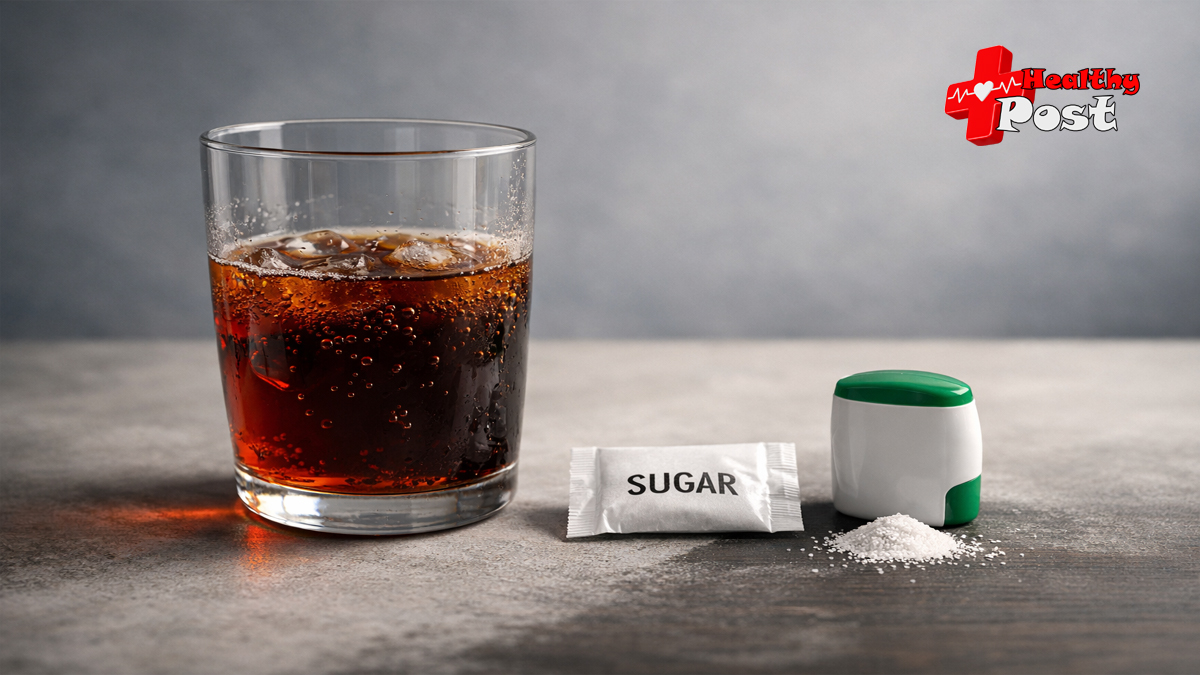
If you have ever reached for sugar free cola thinking it was the smarter soda choice, you are not alone. For many people, it feels like a practical compromise. You keep the familiar fizzy taste, skip the sugar, and avoid the calorie hit of regular cola. Yet the story is not that simple. While zero-sugar soft drinks can help reduce sugar intake, they also raise questions about artificial sweeteners, dental health, metabolism, and gut balance.
Today, sugar-free sodas are no longer niche products. They sit at the center of a bigger shift in how people think about food, health, and regulation. Governments are taxing sugary drinks. Brands are reformulating their products. Consumers are reading labels more closely. In that setting, cola without sugar has become both a convenience and a debate.
This article takes a clear, balanced look at what sugar-free cola does inside the human body, where the science is strong, where it is still evolving, and how consumers can make informed choices.
1. What Is Sugar-Free Cola, Really?
Sugar-free cola is a carbonated soft drink designed to taste like regular cola without added sugar or calories. It is often sold under names like “Diet Cola” or “Zero Sugar Cola.”
Most formulas contain:
- Carbonated water
- Caramel color
- Phosphoric acid
- Natural and artificial flavors
- Caffeine
- Artificial sweeteners such as aspartame or acesulfame potassium
The main selling point is simple: sweetness without sugar.
A regular cola can contain around 35–40 grams of sugar in one can. That equals about 9–10 teaspoons. Sugar-free versions usually contain zero sugar and zero calories, which explains why they appeal to people trying to lose weight, manage blood sugar, or cut back on sweets.
Still, replacing sugar with intense sweeteners changes more than the nutrition label. It changes how the body experiences sweetness, and that is where much of the debate begins.
2. Why Consumers Are Switching in Large Numbers
The rise of sugar free cola is not just about dieting. It is tied to a broader public health movement.
2.1 Sugar taxes are changing the market
Countries around the world have introduced taxes on sugary drinks to reduce consumption. These policies push both consumers and manufacturers toward low-sugar or zero-sugar options.
For example:
- Pakistan increased excise tax on carbonated beverages from 13% to 20% in 2023.
- Other regions have adopted similar taxes on sweetened drinks.
- Many workplaces and institutions now discourage sugary beverages in official settings.
These shifts matter because price changes behavior. When sugary drinks cost more, zero-sugar alternatives become more attractive.
2.2 Health awareness is stronger than before
Consumers are now more aware of links between excess sugar and:
- Obesity
- Type 2 diabetes
- Fatty liver disease
- Tooth decay
- Cardiovascular risk
The WHO guidelines advise limiting free sugars to less than 10% of daily energy intake, with further benefits below 5%. That guidance has shaped food and beverage innovation worldwide.
2.3 Brands are following demand
Manufacturers are investing heavily in zero-sugar product lines. Analysts expect zero-sugar formulations to dominate future carbonated drink sales, especially in North America and Europe.
In other words, sugar-free cola is becoming less of an alternative and more of a default.
3. How Artificial Sweeteners Affect the Body
The core question is not whether sugar-free cola contains sugar. It does not. The real question is what its sweeteners do instead.
3.1 Aspartame and Ace-K: the most common ingredients
Most sugar-free colas rely on:
- Aspartame
- Acesulfame potassium (Ace-K)
These sweeteners are many times sweeter than sugar, so only tiny amounts are needed. That is why the calorie content stays near zero.
Regulatory agencies such as the U.S. Food and Drug Administration and European authorities have approved these sweeteners within established intake limits.
That said, approval does not end the conversation. It means current evidence supports safety at typical levels of use. It does not mean every long-term effect has been fully settled.
3.2 Sweetness without calories may confuse appetite signals
Some researchers believe intense sweeteners may affect how the brain and body respond to sweetness. The theory is simple. Your tongue detects sweetness, but your body does not receive the expected calories.
That mismatch may:
- Increase cravings in some people
- Keep a strong preference for very sweet foods
- Make portion control harder later in the day
Not everyone experiences this. Some people switch to diet cola and reduce calories successfully. Others feel it keeps their sweet tooth active.
A practical example: someone replaces two sugary sodas a day with zero-sugar cola and loses weight. Another person drinks more diet soda, then compensates with snacks later. Both outcomes can happen.
4. Can Sugar-Free Cola Help With Weight Loss?
This is one of the most debated topics.
4.1 The case in favor
Replacing regular soda with a zero-calorie version can lower daily calorie intake. That matters if the swap is consistent.
For someone drinking one regular soda daily, changing to sugar-free could remove around 140–150 calories each day. Over weeks and months, that reduction can support weight management.
This makes sugar-free cola useful for:
- People reducing sugar gradually
- Those transitioning away from high-calorie beverages
- Weight-loss plans that focus on calorie control
4.2 The case for caution
The evidence becomes mixed over the long term. Some observational studies have found links between diet soda intake and higher body weight or metabolic issues. But these studies do not prove cause and effect.
Why? Because people already at risk for weight gain may choose diet drinks more often.
Still, concerns remain around:
- Increased hunger in some individuals
- Greater preference for sweet foods
- Behavioral “reward” eating after choosing a diet drink
The bottom line: sugar-free cola can support weight loss for some people, but it is not a magic tool. The overall diet still matters more.

5. What About Blood Sugar and Diabetes Risk?
This topic often gets oversimplified.
5.1 Immediate blood sugar impact is low
Because sugar-free cola contains no sugar, it usually causes little or no direct rise in blood glucose. That is why some people with diabetes or prediabetes choose it over regular soda.
From a short-term blood sugar perspective, it is generally the lower-impact option.
5.2 Long-term metabolic questions remain
Some large studies have reported an association between artificial sweetener use and a higher risk of type 2 diabetes. This does not prove that sugar-free cola causes diabetes. It only shows a pattern.
Possible explanations include:
- Reverse causation, where high-risk people choose diet drinks
- Changes in appetite and food choices
- Effects on insulin signaling or gut bacteria
The National Institute of Diabetes and Digestive and Kidney Diseases emphasizes the bigger picture of overall dietary habits, not single products alone.
If you have diabetes, sugar-free cola may be better than sugary soda, but water, unsweetened tea, and sparkling water remain more supportive daily choices.
6. The Overlooked Issue: Dental Erosion
Many people assume “sugar-free” also means “tooth-friendly.” That is not always true.
Sugar-free cola does not feed cavity-causing bacteria the way sugary soda does. That is a clear benefit. But it still contains acids, especially phosphoric acid, which can wear down tooth enamel over time.
6.1 Why enamel matters
Enamel is the hard outer layer of your teeth. Once it erodes, it does not grow back.
Frequent exposure to acidic drinks may lead to:
- Tooth sensitivity
- Surface thinning
- Increased risk of discoloration
- Greater vulnerability to damage
6.2 A simple comparison
| Beverage Type | Sugar Content | Calorie Level | Acidic Risk to Teeth | Blood Sugar Impact |
|---|---|---|---|---|
| Regular cola | High | High | High | High |
| Sugar-free cola | None | Very low | High | Low |
| Sparkling water | None | None | Low to moderate | None |
| Water | None | None | None | None |
If you drink cola without sugar often, small habits help:
- Drink it with meals rather than sip all day
- Use a straw when possible
- Rinse your mouth with water afterward
- Wait 30 minutes before brushing
7. Could It Affect Gut Health?
This is one of the fastest-growing areas of research.
Your gut microbiome is a large community of bacteria living in your digestive system. These microbes help with digestion, immunity, and even metabolism. Some studies suggest certain artificial sweeteners may alter this bacterial balance.
7.1 What researchers are studying
Scientists are exploring whether frequent intake of artificial sweeteners may:
- Reduce microbial diversity
- Change how the body handles glucose
- Influence inflammation or digestion
The evidence is still developing. Results vary by sweetener type, dose, and individual biology. That means one person may notice digestive changes, while another feels no difference.
7.2 What consumers report
Some people say diet sodas cause:
- Bloating
- Stomach discomfort
- Increased cravings
These reports are not universal, but they are common enough to deserve attention. If you notice symptoms after drinking sugar-free cola, it may be worth cutting back for a few weeks and tracking how you feel.
8. Why the Market Keeps Growing Anyway
Despite health concerns, the commercial future of diet soft drinks looks strong.
8.1 Growth projections are significant
The global sugar-free beverage market is projected to grow from about USD 21.6 billion in 2026 to USD 36.5 billion by 2035. That reflects steady demand from health-conscious consumers and strong industry investment.
Europe is expected to see rapid growth, while Asia-Pacific is emerging as a major expansion region.
8.2 Consumer psychology plays a major role
People do not just buy beverages for nutrition. They buy them for routine, pleasure, and identity.
Sugar-free cola appeals because it offers:
- Familiar taste
- A feeling of control
- Lower guilt during weight-loss efforts
- Social convenience at meals and gatherings
In many ways, it works like a bridge. It helps people move away from high-sugar drinks without giving up soda entirely.
9. What the Future May Look Like
The next generation of sugar-free drinks may look different from what we know today.
9.1 Natural sweeteners could reshape the category
One major opportunity is the use of sweeteners such as:
- Stevia
- Monk fruit
These ingredients appeal to consumers who dislike synthetic additives. The challenge is taste. Many natural sweeteners still struggle to fully match classic cola flavor.
9.2 Functional beverages are gaining attention
Brands may also add value beyond “zero sugar” through:
- Vitamins
- Probiotics
- Electrolytes
- Botanical extracts
That would shift cola from a simple indulgence to a more health-positioned product. Whether consumers trust that shift will depend on formulation and transparency.
9.3 Regulation will keep shaping products
As sugar limits tighten and public health pressure increases, beverage companies will likely reformulate even more aggressively. The future of carbonated drinks will be driven not only by taste, but by policy, health claims, and credibility.
10. So, Is Sugar-Free Cola Bad for You?
The most honest answer is: it depends on how often you drink it and what it replaces.
If sugar-free cola replaces sugary soda, it can reduce sugar intake and calorie load. That is a meaningful benefit.
If it becomes an all-day habit, it may raise concerns related to:
- Enamel erosion
- Sweet craving reinforcement
- Possible gut effects
- Unclear long-term metabolic outcomes
Think of it like a useful tool, not a health food. It can fit into a balanced lifestyle, but it should not become your main source of hydration.
A sensible approach looks like this:
- Choose it occasionally rather than constantly
- Use it as a step down from sugary soda
- Prioritize water most of the time
- Notice how your body responds
FAQs About Sugar-Free Cola
Is sugar-free cola healthier than regular cola?
In most cases, yes. It avoids sugar and calories. But it still contains acids and artificial sweeteners.
Can sugar-free cola cause weight gain?
Not directly in the same way sugary soda can. However, it may increase cravings or affect eating habits in some people.
Is sugar-free cola safe every day?
Many people drink it daily within approved limits. Still, moderation is wise due to dental and possible metabolic concerns.
Does sugar-free cola raise blood sugar?
It usually has little immediate effect on blood glucose because it contains no sugar.
Is sugar-free cola bad for your teeth?
Yes, it can still harm enamel because of its acidity, even without sugar.
Are natural sweeteners better than artificial ones?
They may appeal more to some consumers, but “better” depends on the full formula, taste, tolerance, and evidence.
Final Thoughts
Sugar free cola sits in a complicated place. It offers a real advantage over sugary soda by cutting sugar and calories. That matters in a world facing rising obesity, diabetes, and stricter sugar policies. Yet it is not risk-free, and it should not be mistaken for a nourishing drink.
For most people, the smartest approach is balance. Use sugar-free cola strategically, not automatically. If it helps you reduce sugary drinks, that is progress. If it replaces water or becomes a daily crutch, it may be worth rethinking the habit.
The best beverage routine is usually simple: mostly water, some unsweetened drinks, and sugar-free cola in moderation. That approach respects both the science and real life.
References
- World Health Organization: WHO guidelines
- U.S. Food and Drug Administration: U.S. Food and Drug Administration
- National Institute of Diabetes and Digestive and Kidney Diseases: National Institute of Diabetes and Digestive and Kidney Diseases

1 Comment
Pingback: Best Vitamin B12 Supplement: 10 Best Choices for Amazing Energy