

Medical Accuracy Verified
This article has been written and clinically verified by Dr. Sarita Rao, Interventional Cardiologist at Apollo Hospitals.
Medical Disclaimer: The information on Healthy Post is for educational and informational purposes only and does not constitute medical advice. Deep leg indentations from clothing can stem from benign, temporary fluid retention or underlying cardiovascular issues. Always consult a qualified physician or cardiologist for personalized diagnostic assessments, circulation checks, or medical guidance.

🏥 Medical Review Board Member
Dr. Sarita Rao, FACC, FESC
Senior Interventional Cardiologist | Apollo Hospitals (Indore, India)
Dr. Sarita Rao, FACC, FESC, is a renowned Senior Interventional Cardiologist with over 25 years of distinguished clinical experience in advanced cardiac sciences. Widely recognized as the first female Interventional Cardiologist in Central India, her commitment to evidence-based medicine ensures the highest standards of heart health tracking, diagnostic accuracy, and patient safety.
We have all experienced it: after removing your footwear at the end of a demanding day, you observe a distinct, deep line circling your ankle or lower calf. It is entirely natural to wonder: are sock marks a sign of heart disease? This specific question has surfaced with increasing frequency across digital health platforms as individuals grow more proactive about tracking how subtle physical developments reflect internal health statuses.
The clinical truth is that localized sock indentations are frequently benign. However, under specific physiological conditions, they can serve as an early indicator of poor systemic circulation. Discerning the difference between standard clothing compression and true tissue swelling (edema) is vital for your long-term health and peace of mind.
In this guide, we dive into 5 surprising facts regarding lower-limb indentations, helping you identify when they are completely harmless and when they point toward an underlying cardiovascular condition like heart disease.
1. Sock Marks Are Usually Harmless—But Patterns Matter
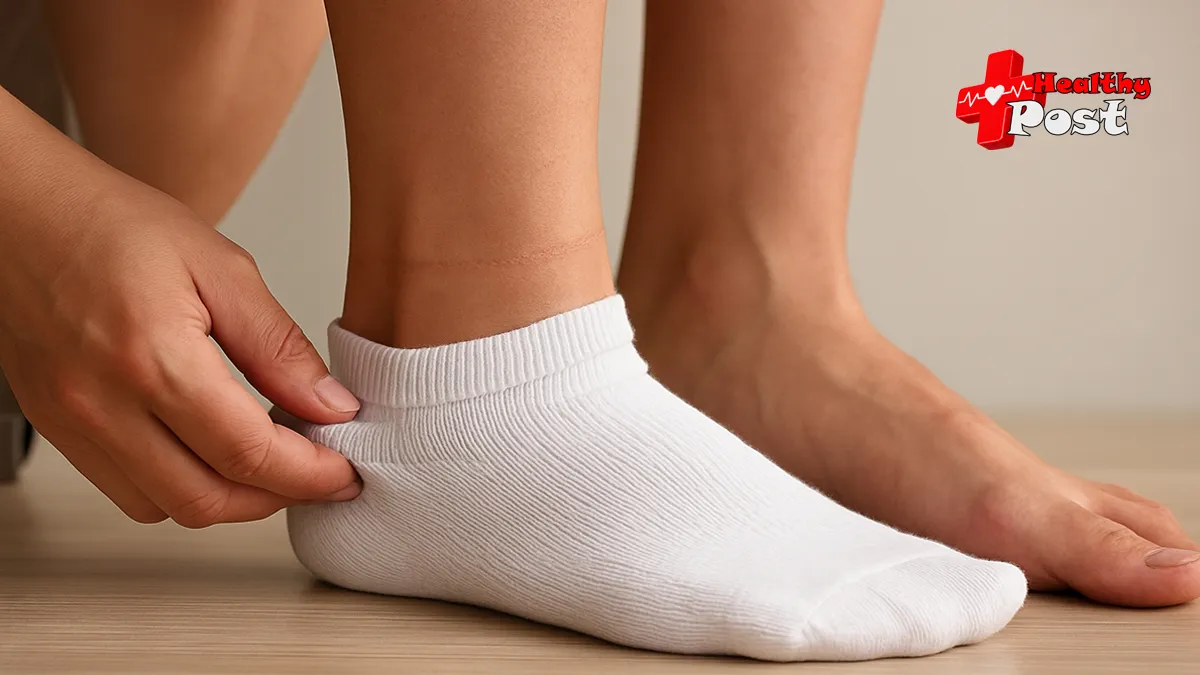
Most frequently, lower-leg lines are simply the mechanical consequence of tight elastic bands pressing firmly against the skin. Hosiery is designed to stay anchored, which naturally indents the soft cutaneous and subcutaneous tissues of your lower extremities.
However, paying attention to the specific pattern is key:
- Transient Indentations: Marks that are superficial, cause no discomfort, and fade within minutes of removing the sock are typical skin responses.
- Persistent Indentations: Lines that leave deep, structural channels, remain visible for hours, and occur daily point directly to peripheral edema.
Peripheral edema occurs when excess interstitial fluid accumulates within your bodily tissues. This is where the direct connection to heart health emerges: when the heart muscle’s pumping efficiency decreases, fluid can back up and pool in your lower legs, ankles, and feet due to gravity.
2. The Connection to Venous and Circulatory Problems
Persistent sock marks can serve as an early indicator of circulatory dysfunction. If your vascular pathways are struggling to efficiently return deoxygenated blood back up to the heart, fluid begins leaking out of capillaries into surrounding tissues.
[Image demonstrating the structural difference between a healthy vein and a weak vein causing fluid leakage]
Primary Vascular Causes of Persistent Leg Marks:
- Chronic Venous Insufficiently (CVI): Weakened or compromised valves inside the leg veins allow blood to flow backward, causing localized pooling and swelling.
- Congestive Heart Failure (CHF): Decreased cardiac output reduces renal blood flow, triggering systemic fluid retention that manifests prominently in the lower extremities.
- Hepatic or Renal Dysfunction: Drops in blood protein production (like albumin) alter osmotic pressure, causing fluids to escape the bloodstream.
3. Secondary Lifestyle Factors and Fluid Dynamics
Before assuming that lower-limb swelling automatically points to a severe cardiovascular diagnosis, it is essential to review everyday environmental and dietary variables that influence fluid balance:
- Prolonged Orthostatic Stagnation: Sitting or standing for long intervals causes gravity to pool fluid naturally in the lower limbs.
- Excessive Dietary Sodium Intake: High salt consumption forces your body to retain extra water, worsening soft-tissue swelling.
- Thermal Vasodilation: Hot weather causes blood vessels to dilate, making it easier for fluid to migrate into surrounding tissues.
4. Red Flag Symptom Pairings to Watch Closely
Isolated sock marks are rarely enough to diagnose a heart condition. However, if those deep indentations occur alongside any of the following systemic symptoms, you should arrange a comprehensive check-up right away:
- Unexplained shortness of breath (dyspnea), particularly when lying flat in bed
- Chronic fatigue, muscle weakness, or a sudden reduction in your exercise tolerance
- Rapid, unexplained weight fluctuations (e.g., gaining 2-3 pounds in 24 hours) from systemic fluid accumulation
- Persistent nocturnal coughing or a wet, frothy wheeze
5. Performing a Simple Home Self-Check: Pitting Edema
To determine if your sock lines are caused by clothing elastic or fluid retention, you can perform a quick, non-invasive clinical test known as checking for pitting edema:
- Locate a firm area of skin over the lower shin bone or near the inside of your ankle.
- Press your thumb or index finger firmly down into the tissue for approximately 5 seconds, then release.
- Analyze the response: If the skin immediately rebounds, the mark is likely simple elastic compression. If your finger leaves a lasting pit or dent that takes several seconds to smooth out, you are experiencing pitting edema, which should be discussed with a healthcare provider.
Visual Summary: Compression Lines vs. Cardiovascular Warning Signs
| Type of Indentation | Underlying Physiology | Recommended Action |
|---|---|---|
| Superficial, resolves rapidly | Normal mechanical pressure from snug hosiery elastics | No clinical concern needed |
| Deep, stays visible for hours | Possible localized fluid accumulation (peripheral edema) | Monitor patterns and try lifestyle adjustments |
| Deep ridges accompanied by dyspnea or fatigue | Potential circulatory compromise or congestive heart failure | Schedule a professional medical consultation |
Practical Tips to Support Venous Return and Lower Extremity Health
Regardless of whether your sock marks are harmless or linked to circulation, you can naturally assist your vascular network by implementing these daily habits:
- Elevate Your Limbs: Elevate your legs above heart level for 15–20 minutes in the evening to assist venous blood return.
- Opt for Non-Binding Alternatives: Swap tight, high-elastic socks for loose-fitting or graduated compression hosiery.
- Engage Your Calf Pumps: Avoid sitting or standing still for extended periods; flex your ankles and take regular walking breaks to activate your calf muscles.
- Moderate Sodium Consumption: Reduce your intake of highly processed foods to help prevent fluid retention.
Frequently Asked Questions (FAQs)
1. How can I tell if my leg swelling is a sign of heart failure?
Swelling related to heart failure typically affects both legs simultaneously and presents as pitting edema, where pressing the skin leaves a lasting dent. Additionally, heart-related swelling is almost always accompanied by other systemic symptoms, such as shortness of breath during minor exertion or when lying flat, uncharacteristic fatigue, and rapid fluid weight gain.
2. Can high blood pressure medications cause deep sock marks?
Yes. Several common blood pressure medications—specifically Calcium Channel Blockers like amlodipine—can dilate peripheral blood vessels, causing fluid to pool in the lower legs and ankles. This is a common pharmaceutical side effect known as drug-induced peripheral edema, and it should be reviewed with your prescribing doctor rather than adjusting your dosage on your own.
3. Does drinking more water make leg edema better or worse?
For healthy individuals experiencing minor fluid retention from salt or standing, staying hydrated helps the body flush out excess sodium and reduce swelling. However, if your swelling is caused by a diagnosed heart, kidney, or liver condition, your organs may struggle to manage fluid volumes. In those scenarios, doctors usually implement strict, daily fluid restriction guidelines instead.
4. Why are my sock marks worse at night than in the morning?
This is due to the physical impact of gravity over the course of the day. When you are sitting, standing, or walking, gravity pulls fluids down into the tissues of your lower limbs. When you sleep flat at night, gravity is distributed evenly, allowing your vascular system to reabsorb the fluid and clear it through your kidneys, which is why swelling often decreases by morning.
5. When should I see a doctor about ankle swelling and sock lines?
You should schedule an evaluation with a healthcare provider if your leg swelling develops suddenly, affects only one leg, leaves deep pits that stay indented, or is accompanied by chest tightness, dizziness, or a sudden difficulty breathing. Early clinical diagnostics can help rule out serious conditions like deep vein thrombosis (DVT) or heart failure.
Conclusion: Listening to Your Body’s Circulation Signals
Returning to our main question: are sock marks a sign of heart disease? The clinical answer is: not automatically, but they can be a helpful early warning sign. Most often, they are simply harmless lines from snug clothing. However, tracking their depth, how long they last, and checking for pitting edema can help you stay ahead of circulatory issues. By paying attention to these subtle changes and partnering with your medical team, you can take proactive steps to protect your long-term cardiovascular health.
Related Tracking Resources: If you are managing lower-limb swelling alongside heart rate variations, read our comprehensive guide covering Why Does My Heart Beat Fast When Lying Down? or discover medication management best practices with our breakdown on How to take high blood pressure medication.
References
- American Heart Association. Warning signs and peripheral indicators of heart failure. AHA Tracking Portal
- Mayo Clinic. Edema: Diagnosis, testing, and vascular root causes. Mayo Clinical Database
2 Comments
Pingback: 5 Proven Benefits of Understanding the Cystoscopy CPT Code for
Pingback: High Blood Pressure Medication: How to Take It Safely