

Medical Accuracy Verified
This article has been written and clinically verified by Dr. Sarita Rao, Interventional Cardiologist at Apollo Hospitals.
Medical Disclaimer: The information on Healthy Post is for educational and informational purposes only and does not constitute medical advice. Nighttime palpitations can stem from benign postural shifts or underlying cardiovascular conditions. Always consult a qualified physician or cardiologist for personalized diagnostic assessments, ECG interpretations, or treatment plans.

🏥 Medical Review Board Member
Dr. Sarita Rao, FACC, FESC
Senior Interventional Cardiologist | Apollo Hospitals (Indore, India)
Dr. Sarita Rao, FACC, FESC, is a renowned Senior Interventional Cardiologist with over 25 years of distinguished clinical experience in advanced cardiac sciences. Widely recognized as the first female Interventional Cardiologist in Central India, her commitment to evidence-based medicine ensures the highest standards of heart health tracking, diagnostic accuracy, and patient safety.
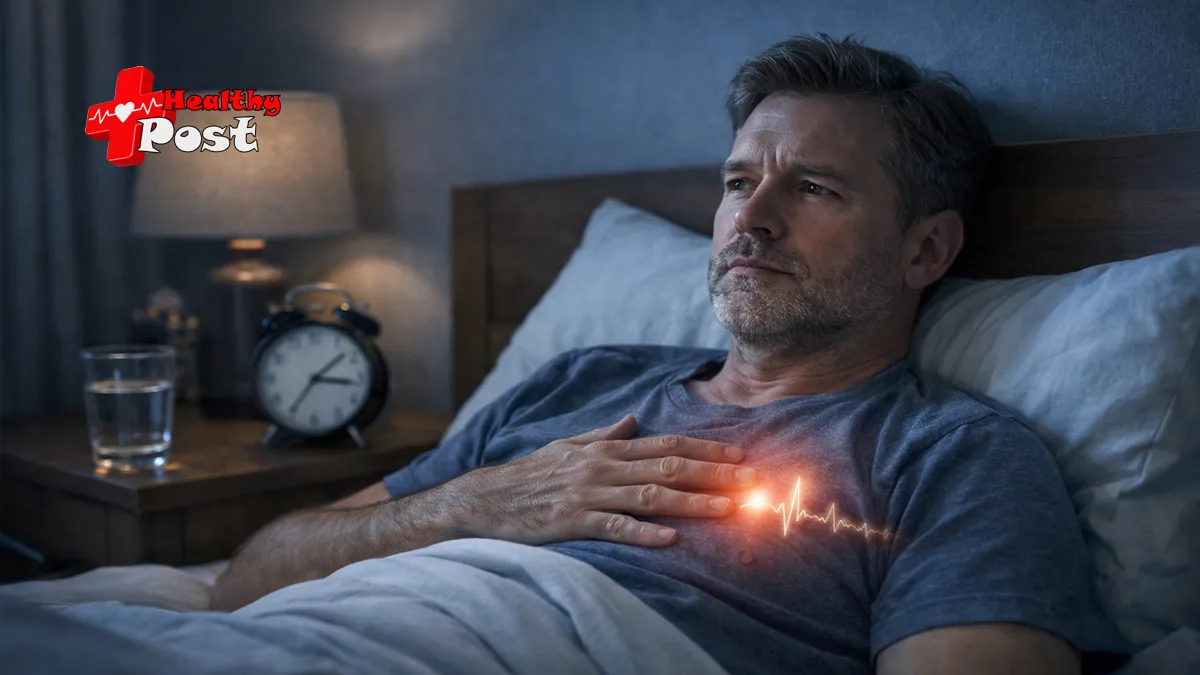
If you’ve ever asked, why does my heart beat fast when lying down, you’re not alone. I’ve heard this concern from many people, and I’ve felt it myself during stressful periods. You finally get into bed, the room goes quiet, and suddenly your heartbeat seems louder, faster, or harder. It can feel alarming, especially when it happens at night.
In many cases, this sensation is harmless. Body position, stress, caffeine, and simple awareness can make your heartbeat more noticeable. Still, some cases point to an underlying issue such as thyroid disease, anemia, or an arrhythmia like Atrial Fibrillation (AFib), Premature Ventricular Contractions (PVCs), or Supraventricular Tachycardia (SVT). That’s why it helps to know what is normal, what is common, and when to worry about heart palpitations when lying down.
In this guide, I’ll walk through the most common causes, warning signs, home strategies, and when to get checked.
Why does a fast heartbeat feel worse when I lie down?
When I explain this, I like to use a simple image. During the day, your brain is busy. At night, the “background noise” fades. That means you may notice body sensations more clearly, including your heartbeat.
Lying down can also change how blood returns to the heart. This affects cardiac output and stroke volume slightly. Your chest position changes too. If you lie on one side, especially the left, the heart sits closer to the chest wall. That can make normal beats feel dramatic.
These are often called positional palpitations. They are common and often benign, but they still deserve attention if they’re frequent or distressing.
1. Sleeping position can make your heartbeat feel stronger
One of the most common reasons people notice palpitations is posture.
Heart racing when lying on left side
Many people report heart racing when lying on left side. In my experience, this does not always mean the heart is truly beating dangerously fast. Often, the heartbeat simply feels more intense because the heart shifts closer to the chest wall.
This can create sensations like:
- Strong thumping
- Flip-flop beats
- A flutter in the chest
- A pulse you can feel in the throat or ears
If changing position eases it, posture may be the main trigger. Try rolling onto your right side or propping yourself up slightly with pillows.
Heart beats hard when lying down
Some people say their heart beats hard when lying down even though they are calm. I’ve noticed this can happen after exercise, a heavy meal, or a stressful day. The body is settling, but your nervous system may still be activated.
The autonomic nervous system controls heart rate, breathing, and digestion. If it stays on high alert, your heartbeat can feel more forceful even when you’re resting.
2. Sometimes your pulse is normal, but your awareness is higher
A very common scenario is heart pounding when lying down but normal pulse. This matters because the sensation can feel severe, while the actual heart rate remains normal.
At night, there are fewer distractions. No traffic. No screens. No conversations. Your brain tunes in to internal signals. I often tell readers to check the pulse rather than trust the feeling alone.
If your pulse is regular and within a normal resting range, the pounding may be due to heightened awareness rather than a dangerous rhythm.
This can happen with:
- Anxiety
- Fatigue
- Stress
- Poor sleep
- Recovery after exercise
It can also be linked to the vagus nerve, which helps regulate heart rate and digestion. Shifts in vagal tone while resting can make some people more aware of skipped or extra beats.
3. Lifestyle triggers often explain heart racing at night in bed
If you experience heart racing at night in bed, look first at what happened in the hours before sleep. I’ve seen this pattern often. A person feels fine all day, then has coffee late, eats a heavy dinner, scrolls in bed, and suddenly notices palpitations.
Common triggers include:
- Caffeine
- Alcohol
- Nicotine
- Energy drinks
- Dehydration
- Heavy or spicy meals
- Stress or panic
- Over-the-counter cold medicines
These can stimulate the heart or make your body more sensitive to normal rhythms.
A practical example
One reader kept getting a sudden rapid heart rate while resting around midnight. After tracking patterns, she realized it only happened on days she had two coffees after lunch and wine with dinner. When she cut both, the episodes dropped sharply.
That kind of pattern is worth looking for before assuming the worst.
4. Stress, anxiety, and the nervous system can amplify palpitations
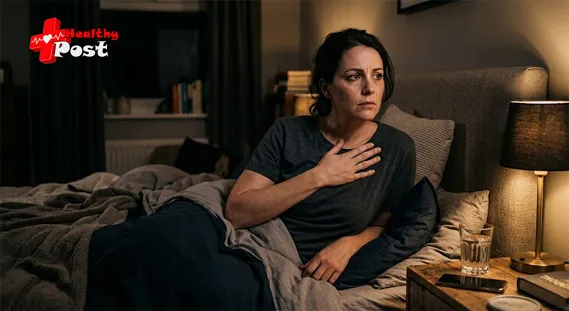
Stress doesn’t just affect mood. It changes body chemistry. Adrenaline rises. Muscles tighten. Breathing becomes shallow. The heart may beat faster or harder.
I’ve noticed that many people dismiss stress as “just emotional.” But the physical effects are real. The body does not separate mental strain from heart sensation as neatly as we might like.
If your symptoms appear during tense periods, stress may be part of the picture.
Signs stress may be involved:
- Palpitations after conflict or worry
- Tight chest without true chest pain
- Trouble falling asleep
- Fast breathing
- Feeling “on edge”
Deep breathing can help by nudging the autonomic nervous system back toward a calmer state.
5. Hormonal changes can affect heart rhythm
Hormones influence circulation, fluid balance, and the heart’s electrical system.
This is common in:
- Pregnancy
- Perimenopause
- Menopause
- Thyroid imbalance
- Menstrual cycle shifts
An overactive thyroid can cause a racing heartbeat, shakiness, sweating, and weight loss. Pregnancy can increase blood volume and make heartbeat sensations more noticeable. Menopause can trigger palpitations through hormonal fluctuation and sleep disruption.
If symptoms are new and persistent, doctors may order thyroid tests and a Full Blood Count (FBC) to check for anemia or infection.
6. Some medical conditions need proper evaluation
Most palpitations are not dangerous, but some deserve medical attention.
Arrhythmias
An arrhythmia is a rhythm problem. The heart may beat too fast, too slow, or irregularly.
Examples include:
- Atrial Fibrillation (AFib)
- Supraventricular Tachycardia (SVT)
- Premature Ventricular Contractions (PVCs)
AFib can raise stroke risk if untreated. SVT can cause episodes of very fast heartbeat that start suddenly. PVCs often feel like skipped or extra beats.
If your symptoms feel irregular, frequent, or prolonged, ask your doctor about an ECG, Holter monitor, or event recorder.
You may also want to learn more about Atrial Fibrillation (AFib) if your rhythm feels uneven rather than simply fast.
Other possible causes
Doctors may also consider:
- Anemia
- Thyroid disease
- Heart valve problems
- Cardiomyopathy
- Fever or infection
- Sleep apnea
- Medication side effects
Sometimes an Echocardiogram is used to check the heart’s structure and pumping function.
7. When to worry about heart palpitations when lying down
This is the question many people really want answered: when to worry about heart palpitations when lying down.
Here is a simple guide.
| Symptom or Pattern | More Likely Benign | Needs Medical Review |
|---|---|---|
| Happens only occasionally | Yes | If increasing |
| Improves with position change | Often | If still frequent |
| Normal pulse, no other symptoms | Often | If persistent |
| Comes after caffeine, stress, or alcohol | Often | If severe |
| Lasts more than 10–15 minutes often | Less likely | Yes |
| Associated with dizziness or fainting | No | Urgent |
| Chest pain or severe shortness of breath | No | Emergency |
| Swelling in legs or feet | No | Prompt review |
Seek urgent care if palpitations come with:
- Chest pain
- Fainting
- Severe shortness of breath
- Confusion
- Blue lips
- New leg swelling
Those symptoms can point to something more serious than simple positional awareness.
If you’re also worried about circulation, chest pressure, or risk factors, you may find it helpful to review What are the early symptoms of myocardial infarction.
8. What doctors may do to investigate
When I speak with people about this, many fear they’ll be dismissed. A good evaluation should be practical and reassuring.
A clinician may recommend:
- ECG
- Holter monitor
- Blood pressure check
- Thyroid tests
- Full Blood Count (FBC)
- Electrolyte tests
- Echocardiogram
If episodes happen mostly during rest or sleep, keeping a symptom diary helps. Write down:
- Time of episode
- What you ate or drank
- Stress level
- Body position
- Duration
- Pulse if you checked it
This information can make patterns much easier to spot.
9. What you can do at home to calm the sensation
If your symptoms are mild and not paired with red flags, these steps often help.
Change your position
Sit up slowly or roll to your right side. This can reduce the sensation of heart racing when lying on left side.
Drink water
Dehydration is a simple but common trigger. A glass of water may help, especially after alcohol, heat, or exercise.
Avoid late stimulants
Cut back on:
- Coffee after midday
- Nicotine
- Alcohol near bedtime
- Heavy evening meals
Use relaxation techniques
Try:
- Slow deep breathing
- Guided meditation
- Gentle stretching
- Yoga before bed
Review medications and supplements
Some decongestants, weight-loss products, and herbal stimulants can trigger palpitations.
If sleep quality is poor, improving your bedtime routine can reduce nighttime episodes. This matters for people who also manage blood pressure. Related guidance on How to take high blood pressure medication may help if timing and routines affect your evenings.
10. Fresh medical guidance to keep in mind
Current expert guidance still supports a balanced approach. Palpitations are common, but they should not be ignored when symptoms are persistent or troubling.
Recent guidance from trusted institutions emphasizes three key points:
- Many palpitations are harmless and linked to stress, stimulants, or posture.
- Persistent symptoms should be evaluated for arrhythmias such as AFib.
- Blood tests and monitoring can identify thyroid disease, anemia, or structural heart problems.
For reliable background, I recommend reviewing American Heart Association, Johns Hopkins Medicine, and NICE UK. These sources offer evidence-based information on rhythm disorders and symptom assessment.
If testing finds a rhythm issue, treatment may include lifestyle changes, beta blockers, calcium channel blockers, or in some cases ablation.
For broader heart imaging discussions, some readers also compare tests while exploring Sonography Benefits. If your doctor suspects a slow rhythm problem instead, Bradyarrhythmia symptoms, causes, and treatment may be relevant.
FAQs
Why does my heart beat fast when lying down but not during the day?
This often happens because you notice your heartbeat more at night. Quiet surroundings and body position can make normal beats feel stronger.
Is heart racing at night in bed always dangerous?
No. Heart racing at night in bed is often related to stress, stimulants, dehydration, or posture. It needs review if frequent or paired with warning signs.
Why do I get heart pounding when lying down but normal pulse?
This usually means the heartbeat feels stronger without being truly abnormal. Increased awareness, anxiety, or lying on the left side can explain it.
Can PVCs or SVT happen while resting?
Yes. Premature Ventricular Contractions (PVCs) and Supraventricular Tachycardia (SVT) can occur at rest. Sudden episodes should be documented and discussed with a doctor.
When should I worry about heart palpitations when lying down?
Seek medical advice if they are frequent, prolonged, or come with dizziness, chest pain, fainting, or shortness of breath.
Could this be related to other heart treatments or procedures?
Sometimes people with complex heart histories need a more tailored review. If that applies to you, discussions around Risks of Coronary Stent Surgery may also be useful in the wider context of heart care.
Conclusion
If you’ve been wondering, why does my heart beat fast when lying down, the answer is often reassuring. In many cases, it comes down to posture, stress, stimulants, or increased nighttime awareness. That’s especially true if you notice heart beats hard when lying down, or heart pounding when lying down but normal pulse, without other symptoms.
Still, symptoms should not be brushed aside. If you have heart racing when lying on left side, frequent heart racing at night in bed, or a sudden rapid heart rate while resting, it is worth paying attention. In my experience, tracking patterns, adjusting habits, and getting checked when needed offers both clarity and peace of mind.
If palpitations are regular, worsening, or linked to chest pain, dizziness, or breathlessness, seek medical care. Understanding when to worry about heart palpitations when lying down can help you act early and wisely.
References
- American Heart Association. Heart rhythm conditions and palpitations. https://www.heart.org/
- Johns Hopkins Medicine. Heart palpitations overview and evaluation. https://www.hopkinsmedicine.org/health
- NICE UK. Palpitations and assessment of possible underlying causes. https://www.nice.org.uk/
5 Comments
Pingback: High Blood Pressure Medication: How to Take It Safely
Pingback: What should I do if my ejection fraction is reduced? - Healthy Post
Pingback: Facts That Answer: Are Sock Marks a Sign of Heart Disease?
Pingback: Cardiologist-Recommended Diet for Heart Health: 9 Core Principles for 2026 -
Pingback: Heart Beat: 3 Proven Ways to Control Heart Rate for Better Health