


Medical Disclaimer
The content provided in the article “Pacemaker Surgery: What to Expect, Recovery, Risks & 7 Key Facts”—written by Dr. Sarita Rao (Interventional Cardiology, Apollo Hospitals)—is intended for informational and educational purposes only. It should not be construed as professional medical advice, diagnosis, or treatment.
Always seek the advice of your cardiologist or another qualified healthcare provider with any questions you may have regarding a medical condition or surgical procedure. Never disregard professional medical advice or delay in seeking it because of something you have read in this article.

🏥 Medical Review Board Member
Dr. Sarita Rao, FACC, FESC
Senior Interventional Cardiologist | Apollo Hospitals (Indore, India)
Dr. Sarita Rao, FACC, FESC, is a renowned Senior Interventional Cardiologist with over 25 years of distinguished clinical experience in advanced cardiac sciences. Widely recognized as the first female Interventional Cardiologist in Central India, her commitment to evidence-based medicine ensures the highest standards of heart health tracking, diagnostic accuracy, and patient safety.
If your cardiologist has recommended a pacemaker, you probably want the practical details first. Will you be awake? Will it hurt? How long will you be in hospital, and when does normal life resume? Pacemaker surgery, also called pacemaker implantation, places a small battery-powered device in the chest to keep the heart from beating too slowly or unreliably. It is a common procedure, it usually takes around an hour, and many people go home the same day or the next morning.
This guide covers why pacemakers are used, what happens on the day, how recovery tends to unfold, which complications are possible, and when to call your care team. It is general information, and your own cardiologist’s instructions always take priority.
7 Key Facts About Pacemaker Surgery
- Local anesthesia is the norm. The chest is numbed, and sedation is sometimes added to help you relax.
- A standard fitting takes about an hour. Combined or more complex procedures can run longer.
- Some pacemakers have leads and some do not. Leadless devices are delivered through a vein instead of through a cut in the chest.
- The hospital stay is short. Expect anywhere from a few hours to one night, depending on the device and your health.
- Recovery comes with temporary limits. Heavy lifting, vigorous exercise and raising the arm high on the implant side are typically restricted for several weeks.
- Complications are uncommon but real. Infection, bleeding, lead movement and a collapsed lung are among them.
- Follow-up is ongoing. The device needs regular checks, and you will carry a pacemaker ID card.
Why Would Someone Need a Pacemaker?
The heart keeps time with its own electrical system. A cluster of cells in the upper chamber acts as the natural pacemaker, and its signals travel through the heart to trigger each beat. When those signals are too slow, delayed or blocked, the heart may not pump enough blood for the body’s needs. An artificial pacemaker detects this and delivers small electrical impulses to keep the rhythm steady.
NHS guidance on pacemakers lists heart block, other rhythm problems (arrhythmias) and heart failure among the reasons one may be fitted. Bradycardia, a persistently slow heart rate, is the most familiar example. Heart block means the signals between the upper and lower chambers are interrupted. Typical symptoms include dizziness, fainting or near-fainting, unusual tiredness and breathlessness.
A slow pulse alone does not mean you need a pacemaker. Many fit people, athletes included, have low resting heart rates without any trouble. Some causes of bradycardia are also reversible, such as certain medicines or electrolyte imbalances, so doctors weigh the cause, your symptoms, the rhythm captured on monitoring and your general health before recommending a device.
Some people first seek care after a wearable flags an irregular pattern. Those readings can be a useful prompt, but they are a starting point rather than a diagnosis, as this explainer on how accurate the Apple Watch ECG is for heart rhythm monitoring discusses.
Before the Procedure: Tests and Preparation
Pacemaker implantation normally follows a proper assessment. The NHS says this may include blood tests, a chest X-ray and an echocardiogram, which is an ultrasound scan of the heart. You may also have an ECG or wear a Holter monitor, which records your rhythm over a day or longer. Some people have exercise testing to see how the heart rate responds to exertion, and this guide to the three main types of cardiac stress test explains how those work.
Tell the team about every prescription and over-the-counter medicine, supplement, allergy and other health condition. Blood thinners matter especially. Do not stop or change any medicine on your own, because the team will give you individual instructions, including what to do about eating and drinking beforehand. Many people also receive antibiotics around the time of the procedure to reduce infection risk.
What Happens During Pacemaker Implantation
For a standard (transvenous) pacemaker, the sequence is broadly similar from hospital to hospital:
- You are connected to monitors, and the skin on your chest is cleaned.
- Local anesthesia numbs the area, and sedation may be added.
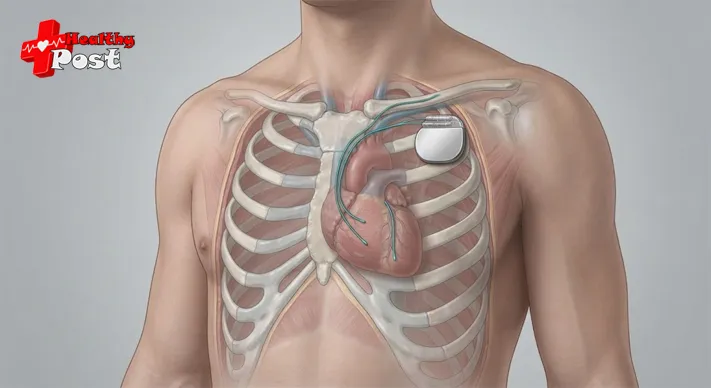
- A small cut is made, usually on the left side of the chest near the collarbone.
- One or more thin wires, called leads, are guided through a vein toward the heart, with X-ray imaging showing their path.
- The lead tips are positioned in the heart and tested.
- The pulse generator, a small metal case holding the battery and circuitry, is connected to the leads and placed in a pocket under the skin, above the muscle.
- The system is tested again and the cut is closed with stitches or glue.
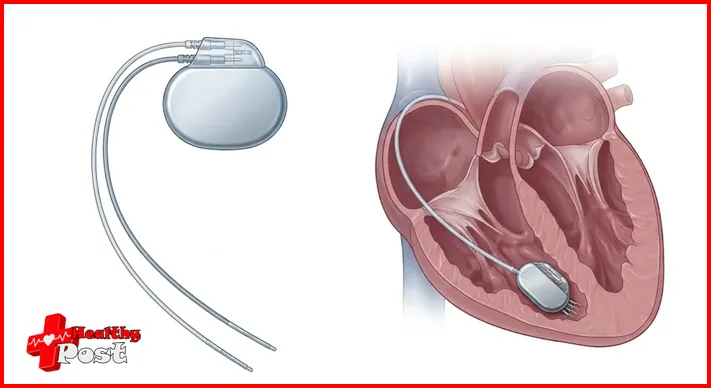
Traditional vs. Leadless Pacemakers
A leadless pacemaker combines the generator and electrode in one small capsule that sits inside the heart. A catheter carries it through a vein, usually in the groin or thigh, so there are no wires and no cut in the chest. The NHS says this option may be offered to people with a slow heartbeat. It is not suitable for everyone, so your cardiologist will advise which design fits your rhythm problem.
| Traditional (transvenous) | Leadless | |
|---|---|---|
| Components | Generator under the skin plus one to three leads | One self-contained device inside the heart |
| Route | Leads through a vein; small cut near the collarbone | Catheter through a groin or thigh vein; no chest cut |
| Typical duration | About an hour, longer if combined with other work | Often under an hour |
| Usual stay | Often overnight | Often same day |
| Suitability | Wide range of rhythm problems | Certain slow-rhythm problems; not everyone qualifies |
Other designs exist within the traditional family. Single-chamber devices pace one chamber and dual-chamber devices pace two. Some people with heart failure and a reduced ejection fraction, meaning the left ventricle pumps out less blood with each beat, are offered a biventricular pacemaker. It helps the lower chambers contract together.
How Long Does Pacemaker Surgery Take?
There is no single answer. The NHS says fitting usually takes about an hour, and longer if another procedure is done at the same time. Systems with extra leads or complicated anatomy can take more time, and the NHLBI notes that a transvenous implant may take up to a few hours in some cases. A leadless implant often takes less than an hour. Preparation, monitoring and device checks before discharge add further time, so plan for most of a day at the hospital.
Is It Painful, and Will You Be Awake?
Most people are awake but comfortable. Local anesthesia numbs the chest, and sedation can make you drowsy. You may feel pressure or tugging, but sharp pain is not expected. If you feel it, say so, because the team can add more anesthetic.
Afterward, soreness, bruising and tiredness are common. The NHS notes that the chest on the pacemaker side is typically sore and that you may feel tired for the first few days. A less common design, the epicardial pacemaker, attaches to the outside of the heart under general anesthesia. It is used in particular situations, such as during heart surgery, in some children, or when veins are blocked.
Pacemaker Surgery Recovery: Hospital, First Weeks and Beyond
In the hospital
After the procedure, the team checks your heartbeat and wound, and confirms the device is working and programmed correctly. According to the NHLBI, people recover for a few hours or overnight. A chest X-ray the next day may confirm the leads have stayed in place. The NHS says people with a standard device usually stay overnight, while those with a leadless pacemaker can often go home the same day. You will receive a pacemaker ID card to carry at all times.
The first days and weeks
Expect tiredness and soreness at first. Most people can do gentle arm movements within a few days, and some teams recommend specific shoulder exercises. Keep the wound clean and dry, and follow your team’s advice on showering and dressings.
For the first few weeks, the aim is to protect the leads while scar tissue forms around them. The NHS advises avoiding heavy objects, vigorous exercise and lifting the elbow above shoulder height for 4 to 6 weeks. The NHLBI’s guidance on life after getting a pacemaker says doctors usually ask for at least a week without driving or heavy lifting, and that most people return to other daily activities within a few days. These figures are typical, not promises. Your hospital’s instructions may differ, and full pacemaker aftercare can stretch over weeks or months.
Driving and work
The NHS advises against driving for at least the first week. In the UK, you must also tell the DVLA and your insurer, and GOV.UK’s pacemakers and driving page says failing to report a relevant treatment can lead to a fine of up to £1,000. A desk job may be manageable within days, while manual work involving lifting needs your team’s approval. Ask about the timing for your specific role.
Pacemaker Surgery Risks and Complications
The NHS describes having a pacemaker fitted as a common procedure in which serious problems are unlikely. Still, no operation is risk-free, and individual risk depends on your health, medicines and the type of device. For a sense of how risk profiles differ between cardiac procedures, see this overview of the risks of coronary stent surgery.
Complications described by the NHLBI and NHS include:
- Infection around the device or leads, which can occasionally spread.
- Bleeding or bruising at the pocket site, particularly in people who take blood thinners.
- Lead or device movement. Wires can shift, break or stop working, and, rarely, a displaced lead can damage the heart muscle. Leadless devices can also move out of place.
- Fluid or air around the lungs or heart, including a collapsed lung (pneumothorax).
- Blood clots or an allergic reaction to the device or procedure medicines.
- Heart rhythm or other heart problems after the procedure.
- Pacemaker syndrome, when the chambers beat out of step, causing fatigue, breathlessness or low blood pressure.
Many of these can be treated, and a displaced lead, for example, can often be repositioned. The point of knowing the list is to recognize problems early.
When to Contact Your Care Team or Call Emergency Services
According to the NHS, contact your pacemaker clinic or NHS 111 (or your own cardiology team elsewhere) if:
- Your wound becomes more swollen, tender or red. On brown or black skin, redness can be harder to see.
- Blood, pus or clear fluid leaks from the wound.
- You have a very high temperature, or feel hot, cold or shivery.
- Symptoms you had before the procedure return or worsen.
A returning flutter or pounding in the chest is worth a call, and this guide to heart palpitations felt in the throat describes how varied that sensation can be. Call 999, or your local emergency number, and do not drive yourself if you have severe difficulty breathing, a tight or heavy chest, pain spreading to the arms, back, neck or jaw, pale, blue or grey lips or skin, or sudden confusion.
Pacemaker or ICD? A Common Mix-Up
An implantable cardioverter defibrillator (ICD) is a related device, but it does a different job. A pacemaker mainly corrects slow or unreliable rhythms. An ICD can also deliver a stronger shock when it detects certain dangerous fast rhythms. Some devices combine both functions, so ask your team exactly which one you are receiving.
Battery Life and Follow-Up
The NHS says a pacemaker battery usually lasts 6 to 7 years. Other sources and device types quote longer ranges, so the true figure depends on the model and how often the device needs to pace your heart. Checks become more frequent as the battery nears its end, and replacing the generator is a separate, usually shorter procedure.
Follow-up schedules vary. The NHS describes a check at the pacemaker clinic about six weeks after implantation, a cardiology review at 3 to 6 months, and checks at least yearly after that. The NHLBI describes a first visit around one month, then every 6 to 12 months. Show your ID card to any doctor or dentist before treatment. At airport security, a handheld metal detector should not be held over the device, and you can ask for a hand search instead. Tell the team before any MRI scan, since compatibility depends on the device.
Frequently Asked Questions
Is a pacemaker implant considered major surgery?
It is a hospital procedure performed by a specialist in a sterile setting, but it does not involve opening the chest. Recovery is generally much shorter than after open-heart surgery.
Can I shower after the procedure?
Timing depends on your dressing and your team’s advice, so follow the written instructions you are given. Until you are told otherwise, avoid soaking the wound in a bath or pool.
Will I feel the pacemaker under my skin?
You will likely notice it at first, particularly if you are slim, but most people stop thinking about it over time. Tell your team if it rubs against clothing or causes ongoing discomfort.
Do phones and household appliances interfere with it?
Most everyday appliances do not, but strong magnets and electromagnetic equipment can. A common precaution is to keep phones and magnets a few inches from the device, and your clinic can give personalized guidance.
When can I exercise normally again?
Many people return to regular activity, including sport, after the restriction period, but the timing is individual. Walking is usually encouraged early, and your team should clear heavier exercise.
Conclusion
Pacemaker surgery is a short, well-established procedure that treats slow or unreliable heart rhythms with a small device placed through a vein, and sometimes entirely inside the heart. Typically it takes about an hour, a short hospital stay follows, and several weeks of sensible restrictions give the leads time to settle. Complications are possible, so knowing the warning signs matters as much as the procedure itself.
Before your appointment, write down your questions: which device you are receiving, how long you will stay, when you can drive and lift, and who to call if something feels wrong. For more background on heart conditions and tests, browse the cardiology guides on Healthy Post.
This article is for general education and does not replace advice from your cardiologist or care team.
References
- NHS. “Pacemakers.” https://www.nhs.uk/tests-and-treatments/pacemaker-implantation/
- National Heart, Lung, and Blood Institute (NIH). “Pacemakers: What to Expect” and “After Getting a Pacemaker.” https://www.nhlbi.nih.gov/health/pacemakers/what-to-expect and https://www.nhlbi.nih.gov/health/pacemakers/after
- GOV.UK. “Pacemakers and driving.” https://www.gov.uk/pacemakers-and-driving