


This article, titled “What Causes Muscle Cramps? 7 Common Reasons Explained,” has been written by Dr. Himanshu Gupta (Orthopedics & Robotics, Amicare Hospital). The content provided is for informational and educational purposes only and should not be considered professional medical advice, diagnosis, or treatment. Always seek the advice of your physician or other qualified health provider with any questions you may have regarding a medical condition.

🏥 Medical Review Board Member
Dr. Himanshu Gupta
Orthopedic Specialist | Amicare Hospital (Ghaziabad, India)
Dr. Himanshu Gupta is a distinguished medical professional with over 20 years of expertise in orthopedics and joint replacement surgery. As the Chief Orthopedic and Director at Amicare Hospital, he specializes in advanced robotic-assisted procedures and sports injury management, dedicated to enhancing mobility and quality of life for his patients. Dr. Gupta is committed to bridging the gap between complex surgical clinical practice and accessible, evidence-based patient education. His rigorous approach to medical oversight ensures that every piece of content he reviews meets the highest standards of clinical accuracy, safety, and reliability.
So, what causes muscle cramps? In most cases a muscle contracts suddenly and involuntarily, then briefly cannot relax. The trigger is often ordinary: a muscle that is tired, overworked or held in one position for too long. Heat, heavy sweating, certain medicines and a few medical conditions can also contribute, and sometimes no cause turns up at all.
That uncertainty matters because popular advice tends to blame every cramp on dehydration or low magnesium. The evidence is messier. Some cramps respond to fluids or minerals, and many do not. Below are seven well-supported explanations, the patterns behind night-time and post-workout cramps, practical ways to ease a cramp, and the symptoms that call for medical advice rather than another stretch.
What a muscle cramp feels like (and what it isn’t)
A cramp is a sudden, involuntary and often painful tightening of a muscle. It most often strikes the calf, hamstring or front of the thigh, though feet, hands and the abdomen can cramp too. The muscle may feel hard or bulging. The pain usually fades within seconds to minutes, but the area can stay tender for hours.
Two look-alikes are worth separating out. Tiny flickers under the skin, like an eyelid twitch, are muscle twitches rather than cramps. Restless legs syndrome is an urge to move the legs, usually without the sharp pain of a cramp, and it tends to last longer.
1. Muscle fatigue and overuse
Tired muscles are the most consistent theme in medical guidance. A long run you didn’t train for, a weekend spent painting ceilings, a shift on your feet after months of desk work: each asks a muscle to do more than it is used to. As fatigue builds, the reflex signals that normally keep a contraction in check can misfire, and the muscle locks.
People tend to cramp when they raise their intensity suddenly or return to exercise after a layoff. Building up gradually, with rest days and a sensible warm-up, helps more than any single remedy. Stretching is reasonable, but poor flexibility is not a proven explanation for every cramp. If cramping keeps returning after an injury or a stubborn strain, Healthy Post’s orthopedics guides cover related muscle and joint problems.
2. Dehydration and heavy sweating
Fluid loss can contribute to cramping, particularly during hard exercise in hot weather, when a person may lose a lot of water and salt through sweat. Medical references list dehydration among the common triggers, and replacing fluids steadily during long or intense activity is sensible.
It is a contributor, though, not a universal explanation. People cramp while well hydrated, and many dehydrated people never cramp at all. Drinking far beyond thirst during a long event brings its own risk of diluting blood sodium. A practical middle path is to drink to thirst, drink more in the heat, and notice whether your cramps track with long, sweaty sessions or appear regardless.
3. Electrolyte imbalance and mineral deficiency
The link between muscle cramps and electrolyte deficiency is real but narrower than the supplement aisle suggests. Electrolytes are minerals that carry an electrical charge and help nerves send signals and muscles contract and relax. Four matter most here:
| Electrolyte | Role in nerves and muscles | Common food sources |
|---|---|---|
| Potassium | Helps regulate electrical activity | Beans, potatoes, leafy greens, bananas |
| Magnesium | Supports normal muscle and nerve function | Nuts, seeds, legumes, whole grains |
| Calcium | Essential for contraction and nerve signalling | Dairy, fortified alternatives, canned fish with bones |
| Sodium | Maintains fluid balance and supports nerves and muscles | Table salt, processed foods |
Heavy sweating, vomiting, diarrhoea, some medicines such as diuretics, and conditions like kidney disease can disturb these levels. A confirmed deficiency can cause muscle symptoms. An ordinary cramp, however, does not prove you are deficient, and blood tests are usually reserved for cramps that are widespread, frequent or unexplained. HealthPage’s guide to the early signs of magnesium deficiency describes what tends to appear alongside cramps and why testing matters.
Supplements deserve particular caution. A Cochrane review of magnesium for skeletal muscle cramps concluded that magnesium is unlikely to provide meaningful cramp prevention for older adults, and it found no trials in exercise-related cramps. People with kidney disease, or those taking medicines that affect potassium or magnesium, should get professional advice before using mineral or electrolyte supplements. That includes salt substitutes, which are often potassium-based.
Food is the safer starting point. Legumes, nuts, seeds, leafy greens and whole grains supply magnesium and potassium together, and a nutrition comparison of black and pinto beans shows roughly how much each provides per cup.

4. Muscle cramps after exercise and in hot weather
Muscle cramps after exercise can strike mid-session or hours later, usually in the muscle that did the work: calves in a runner, hamstrings in a footballer, forearms in a climber. Researchers have long debated why. The older theory blames dehydration and electrolyte loss. The newer one points to altered neuromuscular control, where fatigue upsets the balance of signals between nerve and muscle.
A review in the British Journal of Sports Medicine found that support for the fluid-and-salt explanation rested mostly on anecdotal observation and very small studies. Evidence for the neuromuscular explanation was building but still incomplete. Later reviews continue to treat the question as open, which is why advice for athletes is best framed around several factors rather than one.
Practical steps that follow from all of this:
- Raise training intensity and duration gradually.
- Take breaks during long sessions, especially in heat.
- Drink according to the activity, the temperature and your own needs.
- Notice whether cramps recur during the same type of effort.
- Stop if a cramp is severe or comes with other worrying symptoms.
Cramping in the calves that reliably starts after the same walking distance and eases with rest is a different pattern, covered under section 6.
5. Nighttime muscle cramps
The causes of muscle cramps at night are even harder to pin down than those of exercise cramps. Mayo Clinic notes that most of the time no cause is known, and that tired muscles and nerve-related factors are the likeliest explanation. The calf is the usual target, though feet and thighs can cramp too, and the jolt often wakes people from sleep.
Risk rises with age, and pregnancy makes night cramps more likely. Kidney failure, diabetic nerve damage and circulation problems are known causes, but people with those conditions typically have other symptoms as well. Medicines that increase urine output may be associated with night cramps, although a direct link has not been established.
Self-care is modest but low-risk. Mayo suggests gentle leg stretches or a few minutes on a stationary bicycle before bed, drinking plenty of fluids while limiting alcohol and caffeine, and loosening sheets and covers at the foot of the bed. Good-quality trials of stretching are limited, so treat it as a sensible habit rather than a guaranteed fix. Sleeping position is often blamed, but the main references don’t establish it as a cause, and neither do they establish that every night cramp means magnesium is low.
6. Medicines and underlying health conditions
Sometimes cramps point beyond lifestyle. Diuretics (“water tablets”) change fluid and electrolyte balance, and some cholesterol-lowering medicines can cause muscle aches or cramps in a minority of people. Nerve compression, peripheral neuropathy, diabetes, thyroid disorders, and some kidney or liver conditions are all associated with cramping, as is pregnancy. Cramps that affect the arms or trunk, or come with twitching or weakness, are more likely to reflect a medicine or underlying disorder than the typical benign calf cramp.
Circulation deserves its own mention. In peripheral artery disease, narrowed leg arteries can produce cramp-like calf pain that appears with walking and settles with rest. Readers wanting background on vascular health can browse Healthy Post’s cardiology guides.
None of these explain every cramp, and nobody should stop a prescribed medicine because of one. A clinician can decide whether a medication review, examination or blood tests make sense.
7. Prolonged positioning, age and unexplained triggers
Holding one position for hours, whether driving, sitting at a desk or standing at a counter, can leave muscles fatigued or kept in a shortened state, and some people cramp when they finally move. Muscles that stay tense all day can ache and tighten in a similar way. A physiotherapist-written piece on why shoulders stay shrugged describes ways to release that kind of sustained tension.
Cramps can affect adults of any age, though night cramps become more common as we get older. Working out what causes muscle cramps in any one person is partly detective work, and many cramps never receive a clear explanation. That isn’t a sign something was missed. A new, persistent or exertional leg pain, though, is worth separating from an ordinary cramp.
How to relieve muscle cramps
When a cramp hits, the aim is to coax the muscle into letting go. These steps follow patient guidance from Mayo Clinic and MedlinePlus:
- Stretch gently. For a calf cramp, straighten the leg and pull your toes toward your shin. Hold steadily rather than bouncing or forcing it.
- Massage lightly. Kneading the muscle can help it relax. Stop if pain worsens or the area looks swollen or inflamed.
- Use warmth, then cold if needed. A warm towel or shower helps a tight muscle release. A cold pack wrapped in a towel can ease lingering soreness.
- Walk or shake the leg. Putting weight through the muscle often breaks the spasm.
- Replace fluids when it fits the situation. After long, sweaty exercise, water plus some salt from food or an electrolyte drink may help.
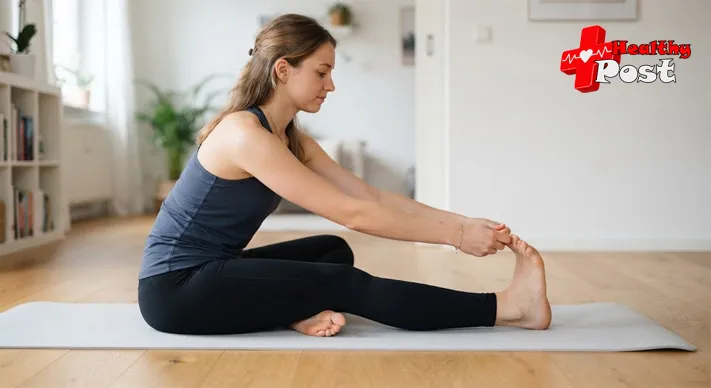
Preventing cramps
Prevention depends on the cause, and not every measure works for everyone. Sensible options include progressing training gradually, breaking up long periods of sitting or standing, drinking enough for your activity and climate, limiting alcohol, and stretching gently where it suits you. If cramps persist despite these habits, looking for a cause is more useful than adding supplements.
When should you worry about muscle cramps?
Occasional cramps usually pass on their own. Book a routine appointment if cramps are frequent, severe, regularly disturb your sleep, don’t improve with self-care, or come with muscle weakness or visible muscle loss. Mayo Clinic also advises prompt care for severe cramping that continues, or night cramps after contact with toxins such as pesticides or heavy metals.
Seek urgent assessment if you notice:
- Swelling, redness or warmth in a leg, especially on one side.
- Severe, ongoing muscle pain with marked swelling or dark urine after intense exercise.
- Cramps with confusion, fainting or very hot skin in hot conditions.
- Persistent calf pain that starts when you walk and eases when you rest.
Not all leg pain is a cramp, and that last pattern in particular can have a circulatory cause.
Frequently asked questions
What is the most common cause of muscle cramps?
Muscle fatigue and cramps with no identifiable cause (often called idiopathic cramps) head most medical lists. Dehydration, electrolyte disturbances, medicines and health conditions follow.
Why do I get muscle cramps at night?
Often nobody can say. If they are frequent, painful or paired with numbness, swelling or weakness, ask a clinician to check for kidney, nerve or circulation problems and review your medicines.
Can dehydration cause muscle cramps?
It can contribute, especially in heat or after heavy sweating, but it doesn’t explain every cramp. If you cramp even when well hydrated, look at fatigue, medicines and other factors.
Which electrolyte deficiency causes muscle cramps?
No single one. Low potassium, magnesium, calcium or sodium can all affect muscles and nerves, but cramps can also occur with normal blood levels, so a test is more reliable than guessing.
How can I stop a muscle cramp quickly?
Stop what you are doing and stretch the muscle in the direction opposite to the contraction, holding gently. Most cramps ease within a few minutes, and warmth or a short walk can help.
Are muscle cramps common in pregnancy?
Yes, pregnancy makes cramps more likely, particularly at night. Gentle stretching is usually fine, but check with a midwife or doctor before taking supplements.
Conclusion
The answer to what causes muscle cramps is rarely a single thing. Tired or overloaded muscles come first, with heat, fluid loss, mineral imbalance, certain medicines and some health conditions contributing in particular cases, and a good share of cramps staying unexplained. Stretching, gentle massage and warmth handle most episodes, while supplements are best reserved for a confirmed need.
A useful next step is to keep a short note for a week or two: when cramps occur, what you had been doing, and which medicines you take. If cramps continue or any warning sign above appears, that record will help a clinician work out why.
This article is for general information and does not replace advice from a qualified healthcare professional.
References
- Mayo Clinic. Night leg cramps: Causes (https://mayoclinic.org/symptoms/night-leg-cramps/basics/causes/sym-20050813) and Night leg cramps: When to see a doctor (https://www.mayoclinic.org/symptoms/night-leg-cramps/basics/when-to-see-doctor/sym-20050813).
- Schwellnus MP. Cause of Exercise Associated Muscle Cramps (EAMC): altered neuromuscular control, dehydration or electrolyte depletion? British Journal of Sports Medicine, 2009. PubMed: https://pubmed.ncbi.nlm.nih.gov/18981039/
- Cochrane Database of Systematic Reviews. Magnesium for skeletal muscle cramps (Garrison et al., 2020). https://www.cochrane.org/evidence/CD009402_magnesium-skeletal-muscle-cramps