

This article has been written by Dr. Himanshu Gupta (Orthopedics & Robotics, Amicare Hospital), specializing in orthopedic surgery, joint replacement, and musculoskeletal care.
Medical Disclaimer: The information provided on Healthy Post regarding groin pain and related orthopedic or musculoskeletal conditions is for educational and informational purposes only and does not constitute formal medical or surgical advice. Symptoms like groin pain require a comprehensive clinical and physical evaluation to differentiate between muscular strains, joint issues, or hernias. Always consult a qualified orthopedic specialist or healthcare provider for professional diagnosis and personalized treatment planning.

🏥 Medical Review Board Member
Dr. Himanshu Gupta
Orthopedic Specialist | Amicare Hospital (Ghaziabad, India)
Dr. Himanshu Gupta is a distinguished medical professional with over 20 years of expertise in orthopedics and joint replacement surgery. As the Chief Orthopedic and Director at Amicare Hospital, he specializes in advanced robotic-assisted procedures and sports injury management, dedicated to enhancing mobility and quality of life for his patients. Dr. Gupta is committed to bridging the gap between complex surgical clinical practice and accessible, evidence-based patient education. His rigorous approach to medical oversight ensures that every piece of content he reviews meets the highest standards of clinical accuracy, safety, and reliability.
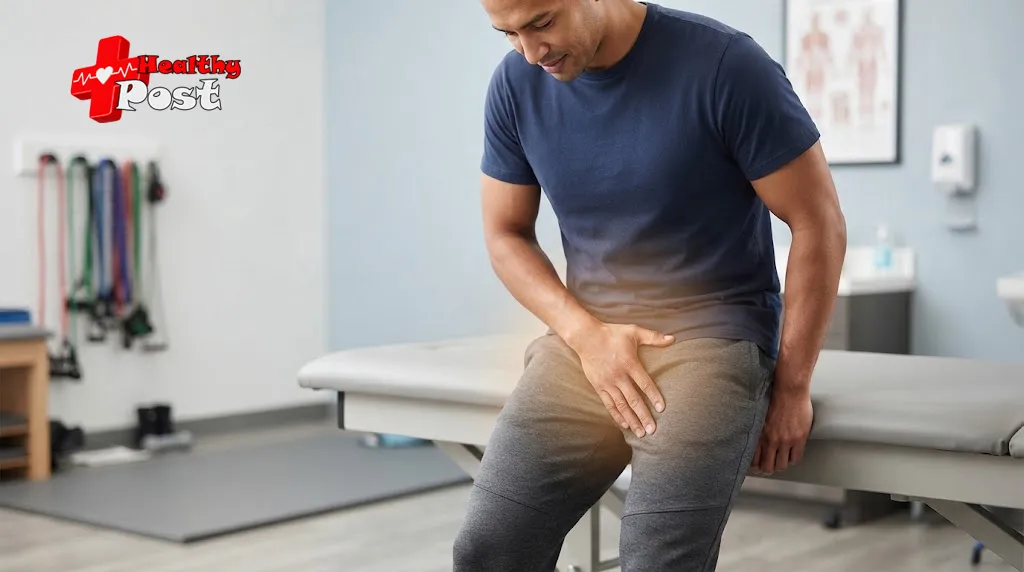
Groin pain occurs in the area where the lower abdomen meets the upper inner thigh. It may appear suddenly after exercise or an injury, develop gradually, or occur with other symptoms such as swelling, urinary problems, abdominal discomfort, or pelvic pain. A strained muscle is a common explanation, particularly after physical activity, but the same area can also hurt because of a hernia, hip problem, kidney stone, urinary infection, nerve irritation, or—in women—certain gynecological conditions.
The location, timing, character, and triggers of the pain can provide useful clues, but they cannot reliably establish a diagnosis on their own. A painful groin after a hard workout is different from pain accompanied by a new bulge, fever, vomiting, blood in the urine, or sudden severe pelvic symptoms. Understanding those differences can help you decide whether rest and observation are reasonable or whether medical evaluation is needed.
What Is Groin Pain?
The groin is the region where several parts of the body meet, including the lower abdomen, pelvis, upper inner thigh, and hip. It contains muscles and tendons involved in moving the leg, as well as nerves, blood vessels, abdominal structures, and organs of the urinary and reproductive systems.
Because these structures are so close together, pain felt in the groin does not necessarily originate in the groin itself. For example, a problem inside the hip may produce pain deep in the groin, while a kidney stone can cause pain that travels from the back or side toward the lower abdomen and groin.
People describe groin discomfort in different ways. It may feel:
- Sharp, stabbing, or sudden
- Dull or aching
- Burning or pressure-like
- Pulling or tearing
- Constant or intermittent
- Worse when walking, running, bending, or moving the leg
The pattern matters more than the word used to describe the pain.
7 Common Causes of Groin Pain
1. Groin Muscle Strain
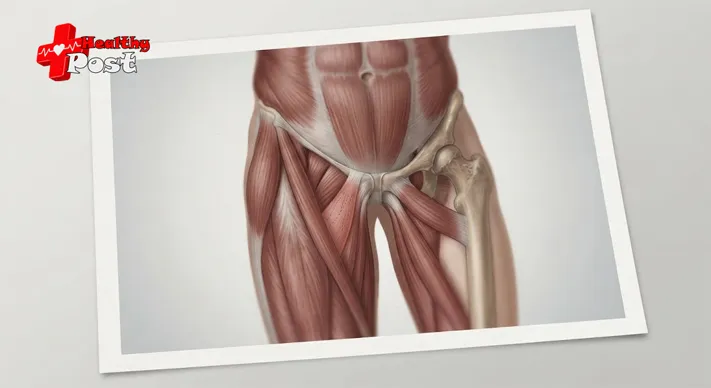
A groin strain is one of the most common causes of pain in this region, particularly after sports, sudden exertion, overstretching, or repetitive activity. It often involves the adductor muscles, which run along the inner thigh and help bring the legs toward the body’s midline. Nearby hip flexor muscles can also become strained.
Typical groin muscle strain symptoms include:
- Sudden sharp pain during activity
- A pulling or tearing sensation
- Pain in the inner thigh or groin
- Weakness around the affected area
- Difficulty moving the hip or leg
- Tenderness when the injured area is touched
- Swelling or bruising in more significant injuries
Pain may become more noticeable when running, changing direction, kicking, or bringing the legs together.
This is why the causes of inner thigh and groin pain often include an adductor muscle injury. However, inner-thigh discomfort does not automatically mean a muscle has been strained. Hip problems, nerve irritation, hernias, and other conditions can produce similar symptoms.
For a suspected minor strain, temporarily reducing the activity that triggers the pain is generally more sensible than trying to push through it.
2. Hip Flexor or Movement-Related Problems
The hip flexors help lift the thigh toward the body. One important muscle group is the iliopsoas, which contributes to movements such as walking, running and raising the leg.
This can explain groin pain when lifting legs. Pain triggered by lifting the knee, climbing stairs, getting out of bed, or moving the leg against resistance may occur with a hip flexor strain or tendon irritation. Adductor problems and conditions affecting the hip joint can produce similar symptoms.
Possible causes include:
- Hip flexor strain
- Adductor muscle injury
- Tendon irritation
- Hip joint problems
- Labral injury
- Arthritis
Pain that consistently appears with a particular movement can be useful information for a clinician, but it does not identify the cause by itself.
If discomfort is felt deep in the groin and continues without a clear injury, the hip deserves consideration. Hip problems can commonly produce pain in the groin rather than directly over the outside of the hip.
3. Inguinal or Femoral Hernia
A hernia develops when tissue pushes through a weakened area of the abdominal wall. An inguinal hernia is particularly relevant when someone notices a lump or bulge in the groin.
Symptoms may include:
- A visible or palpable groin bulge
- Aching or pressure
- Burning discomfort
- Pain when coughing or sneezing
- Discomfort with bending or lifting
- Symptoms that increase with straining
The bulge may become more noticeable while standing, coughing, or straining. Some hernias cause little or no pain, while others become increasingly uncomfortable.
Difference Between Muscle Strain and Hernia Groin Pain
| Muscle strain | Hernia |
|---|---|
| Often follows exercise, stretching, or sudden movement | May become noticeable with increased abdominal pressure |
| Often feels like pulling, tearing, or sharp pain | May feel like pressure, aching, or burning |
| Leg movement may aggravate symptoms | Coughing, straining, bending, or lifting may aggravate symptoms |
| Muscle tenderness can occur | A bulge may be present |
| Bruising can occur with some strains | Skin changes over a hernia can be concerning |
| Appropriate rest may allow a minor strain to improve | A hernia does not simply disappear because the muscles are rested |
There is considerable overlap between symptoms, so this comparison should not be used as a self-diagnostic test. A new, painful, enlarging, or persistent groin bulge should be medically assessed.
A hernia that becomes trapped or loses its blood supply can require emergency treatment.
4. Hip Joint Problems
Not all groin pain comes from muscles.
The hip joint is deep inside the body, and problems within the joint can cause pain that is felt primarily in the groin. Possible causes include osteoarthritis, labral injuries, fractures, stress injuries, and other joint conditions.
You may notice groin and hip pain becoming worse with:
- Walking or running
- Squatting
- Rotating the hip
- Getting up after sitting
- Climbing stairs
- Certain sports or physical activities
Some hip conditions also cause stiffness, reduced range of motion, clicking, or catching.
Persistent pain without an obvious muscle injury is one reason a broader evaluation can be useful. The source may be the hip even when the most noticeable symptom is located in the groin.
5. Urinary Tract Problems and Kidney Stones
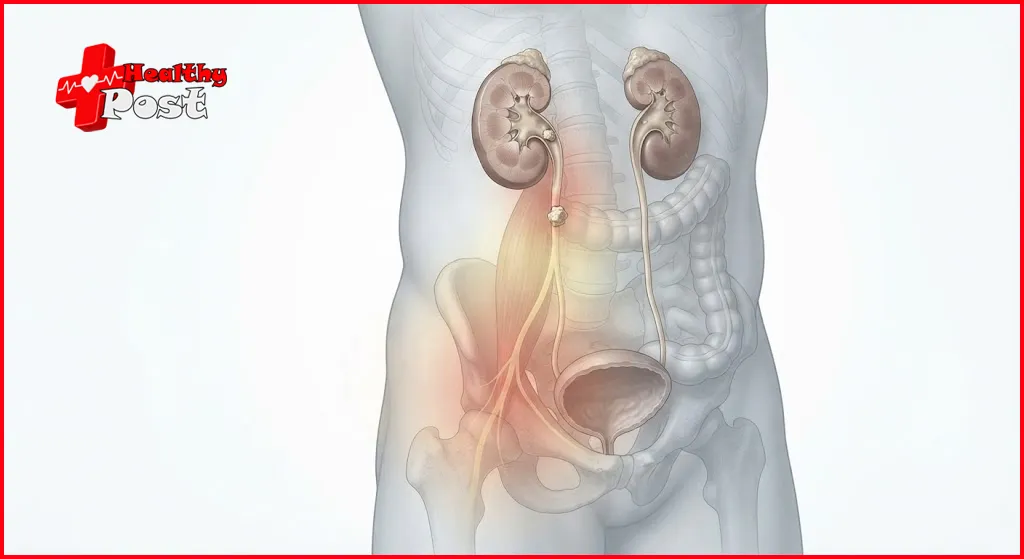
The urinary system can also produce pain that is felt around the lower abdomen and groin.
A urinary tract infection may cause:
- Burning during urination
- Frequent urination
- An urgent need to urinate
- Pelvic discomfort
- Cloudy, bloody, or strong-smelling urine in some cases
A kidney stone can produce much sharper pain. According to the National Institute of Diabetes and Digestive and Kidney Diseases, kidney-stone pain may occur in the back, side, lower abdomen, or groin and may be accompanied by blood in the urine, nausea, vomiting, or urinary symptoms.
A kidney infection is another concern when groin or pelvic discomfort occurs with fever, chills, painful or frequent urination, nausea, or vomiting. These symptoms warrant prompt medical attention.
For readers experiencing recurrent stone-related symptoms, HealthyPost also has a detailed guide on [how to pass a 4mm kidney stone]how to pass a 4mm kidney stone.
6. Gynecological Causes of Groin Pain in Women
Groin pain in women can have the same musculoskeletal causes seen in men, but pelvic and reproductive conditions add other possibilities.
Depending on the symptoms, possibilities may include:
- Ovarian cysts
- Endometriosis
- Pregnancy-related ligament pain
- Ectopic pregnancy
- Ovarian torsion
- Pelvic inflammatory conditions
The pattern matters. Pain associated with menstrual cycles, abnormal bleeding, painful intercourse, urinary symptoms, vaginal discharge, or pregnancy may point toward a pelvic or gynecological cause rather than an isolated muscle injury.
For example, endometriosis can cause pelvic pain that may extend toward the back or legs and can be associated with painful periods, painful intercourse, and bowel or urinary symptoms.
HealthyPost also has an article discussing [endometriosis symptoms and warning signs]endometriosis symptoms and warning signs, which may provide additional context for readers with recurring cycle-related pelvic symptoms.
Sudden, severe pelvic pain—especially when pregnancy is possible—should not be assumed to be a simple groin strain.
7. Nerve or Lower Back Problems
Sometimes the source is neither the groin nor the hip.
Irritation or compression of a nerve can create pain that travels from the lower back or pelvis into the thigh or groin. Depending on the affected nerve, symptoms may include burning, shooting pain, tingling, altered sensation, or numbness.
A nerve-related problem becomes more plausible when pain follows a pathway rather than staying in one tender spot. Still, the exact location and pattern need to be assessed clinically because several nerve and musculoskeletal conditions can overlap.
What Can Cause Left Side Female Groin Pain?
Left side female groin pain can have many possible explanations, and the side alone does not identify the cause.
Common possibilities include:
Muscle or ligament strain
Exercise, sudden movement, overuse, or stretching can irritate muscles or supporting ligaments on one side.
Hip problems
A problem inside the left hip can cause pain that is perceived deep in the left groin.
Ovarian or other pelvic conditions
An ovarian cyst or another pelvic condition can cause pain predominantly on one side.
Pregnancy-related changes
Pregnancy can change the mechanics of the pelvis and place additional strain on supporting tissues.
Urinary problems or kidney stones
A stone or urinary infection can produce pain that radiates toward the groin.
Hernia
Hernias can occur on either side and may cause a bulge or pressure sensation.
The key point is that left-sided pain does not tell you which condition is responsible. Associated symptoms, timing, pregnancy status, physical activity, urinary changes, and examination findings are much more informative.
Common Causes of Inner Thigh and Groin Pain
When someone has pain in the groin and inner thigh, the adductor muscles are an important consideration, particularly when symptoms started after exercise or sudden movement.
Other possibilities include:
- Adductor muscle strain
- Hip flexor injury
- Exercise-related overuse
- Hip joint conditions
- Hernia
- Nerve-related pain
- Pelvic or urinary conditions
Pain that increases when squeezing the legs together can be consistent with an adductor problem, but that finding is not enough to establish a diagnosis.
The broader pattern matters. For example, inner-thigh tenderness after a sprint is different from inner-thigh discomfort accompanied by fever or a new groin bulge.
Why Does My Groin Hurt When I Lift My Leg?
If you experience groin pain when lifting legs, the movement is activating the hip flexors and other muscles around the pelvis. An irritated muscle or tendon can hurt when it contracts or stretches.
Possible explanations include:
- Hip flexor strain
- Groin muscle strain
- Tendon irritation
- Hip joint problems
- Abdominal wall or hernia-related discomfort
A useful distinction is that pain clearly triggered by movement may suggest a musculoskeletal source, but it does not rule out other causes.
If lifting the leg produces severe pain, or the symptom persists, worsens, or occurs alongside swelling, fever, urinary symptoms, abdominal pain, or a groin lump, professional assessment is appropriate.
Warning Signs of Groin Pain
Most groin discomfort is not an emergency, but certain combinations of symptoms deserve prompt attention.
Seek urgent medical care if you have:
- Sudden, severe, or rapidly worsening pain
- A painful groin bulge that becomes red, purple, or dark
- A painful bulge accompanied by nausea or vomiting
- Fever with significant groin or abdominal pain
- Severe abdominal pain
- Fainting or significant dizziness
- Sudden severe pelvic pain
- Severe pain when pregnancy is possible
- A painful abdominal or groin bulge with inability to pass stool or gas
A hernia that becomes trapped or strangulated can compromise the blood supply to the affected tissue and become an emergency.
Similarly, severe urinary symptoms with fever, chills, vomiting, or significant pain can indicate a kidney infection or another condition requiring prompt treatment.
When to See a Doctor for Groin Pain
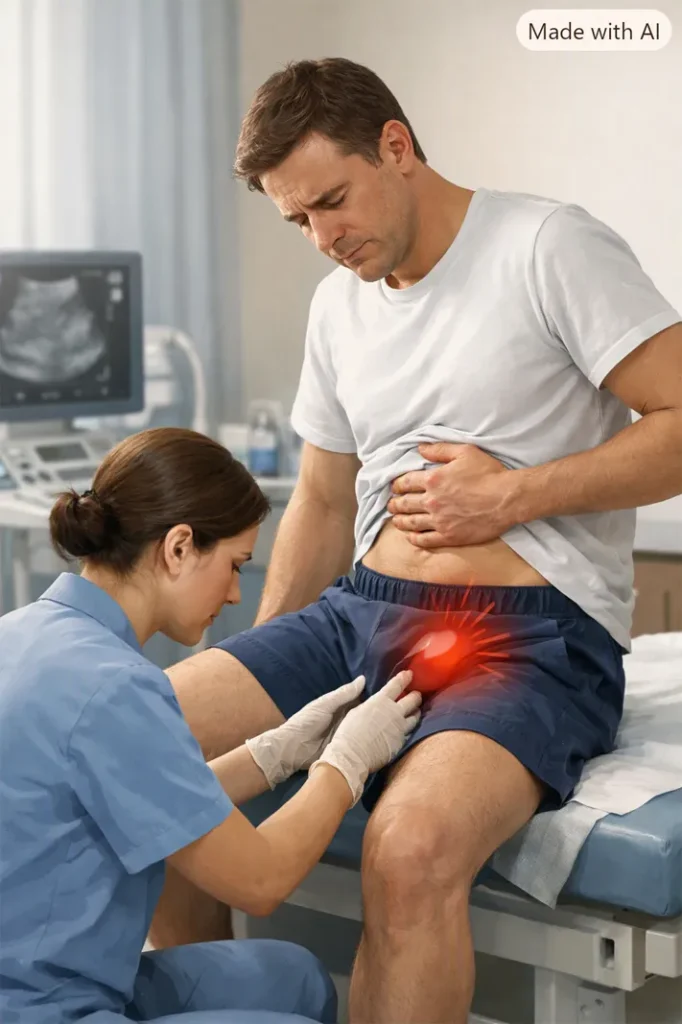
Knowing when to see a doctor for groin pain depends on severity, duration, cause, and accompanying symptoms.
Arrange medical evaluation when:
- The pain is severe or unexplained
- It does not improve with reasonable rest
- It repeatedly returns
- Walking or moving the leg becomes difficult
- There is a lump or swelling
- You develop fever
- You have burning, frequent, or painful urination
- Pain spreads into the abdomen, back, hip, or leg
- There is blood in the urine
- You have persistent or unexplained pelvic pain
- You are pregnant or could be pregnant and develop significant pelvic or groin pain
Mayo Clinic advises medical assessment for serious groin pain and for pain that does not improve after a few days of home treatment, as well as for certain associated symptoms.
The important point is not to follow an arbitrary number of days if symptoms are severe. A painful bulge, fever, vomiting, severe abdominal pain, or pregnancy-related warning sign deserves attention sooner.
How Is Groin Pain Diagnosed?
A clinician usually begins by asking where the pain started, what triggered it, and what makes it better or worse.
Questions may cover:
- Recent exercise or injury
- Pain during specific movements
- Presence of swelling or a lump
- Urinary symptoms
- Abdominal or digestive symptoms
- Menstrual or pregnancy-related factors
- Pain extending into the back, hip, or leg
The physical examination may include checking the groin and abdomen, assessing hip movement, and looking for a hernia. If the cause is uncertain, testing may be considered.
Depending on the suspected condition, evaluation can include:
- Physical examination
- Range-of-motion testing
- Urine testing
- Ultrasound
- X-ray
- MRI or other imaging
For example, an inguinal hernia is often diagnosed through examination, while ultrasound, CT, or MRI may be used when the diagnosis is unclear.
Ultrasound is also used in several areas of abdominal, urinary, and gynecological evaluation; HealthyPost’s overview of [medical sonography and its uses]medical sonography and its uses explains some of these applications.
Can You Treat Mild Groin Pain at Home?
If a minor muscle strain is strongly suspected and there are no warning signs, initial care may involve temporarily reducing activities that worsen the pain and allowing the area to recover.
Cold therapy may be useful during the early phase of a minor soft-tissue injury, while activity can be increased gradually as symptoms improve. Aggressive stretching immediately after an acute injury is not advisable.
The appropriate groin pain treatment options depend entirely on the cause. A muscle strain, hernia, kidney stone, infection, fracture, and gynecological condition do not receive the same treatment.
That is why home care should not become an excuse to ignore persistent or unexplained symptoms.
Frequently Asked Questions About Groin Pain
What is the most common cause of groin pain?
Muscle, tendon, or ligament strains are common causes, particularly after sports or physical activity. However, hip problems, hernias, kidney stones, urinary conditions, nerve problems, and pelvic disorders can cause similar symptoms.
Why does my groin hurt when I lift my leg?
Lifting the leg activates the hip flexors and other muscles around the pelvis. Pain may therefore occur with a muscle or tendon injury, but hip joint problems and some abdominal-wall conditions can also cause pain during the movement.
How can I tell if groin pain is a muscle strain or hernia?
A strain often follows physical activity and may feel like pulling or tearing. A hernia may cause a bulge or pressure that becomes more noticeable with coughing, straining, bending, or lifting. Because symptoms overlap, an examination is the safest way to distinguish them.
What causes left side female groin pain?
Possible causes include muscle or ligament strain, hip problems, ovarian or other pelvic conditions, pregnancy-related changes, urinary problems, kidney stones, and hernias. The side of the pain alone cannot establish the cause.
Is groin pain in women serious?
It can result from something minor such as a muscle strain, but pelvic, urinary, reproductive, or abdominal conditions can also cause it. Sudden severe pain, pregnancy-related symptoms, fever, vomiting, or other warning signs require prompt medical assessment.
When should I worry about groin pain?
Seek urgent care for sudden severe pain, a painful or discolored groin bulge, vomiting with a suspected hernia, severe abdominal or pelvic pain, fever with significant symptoms, or concerning pregnancy-related pain. Blood in the urine and significant urinary symptoms should also be evaluated.
Conclusion
Groin pain can originate from a strained muscle, but the possibilities extend well beyond the muscles of the inner thigh. Hip disorders, hernias, urinary problems, kidney stones, nerve irritation, and pelvic or reproductive conditions can all produce discomfort in this region.
The pattern provides useful clues. Pain that begins after exercise and worsens with specific movements may fit a muscle or tendon problem, while a groin bulge, urinary symptoms, fever, severe abdominal pain, or sudden pelvic symptoms suggests that another cause needs consideration.
Rather than trying to diagnose the problem from one symptom, pay attention to how the pain started, what triggers it, and what other symptoms appear. Persistent, unexplained, severe, or worsening groin pain should be assessed by a healthcare professional, particularly when warning signs are present.
References
- Mayo Clinic — “Groin pain (male): Causes and definition” — Covers common causes, symptom patterns, warning signs, and when medical evaluation is appropriate. Mayo Clinic: Groin pain causes and definition
- Mayo Clinic — “Inguinal hernia: Symptoms & causes” — Supports the discussion of groin bulges, coughing, bending, lifting, abdominal pressure, and hernia complications. Mayo Clinic: Inguinal hernia symptoms and causes
- National Institute of Diabetes and Digestive and Kidney Diseases — “Symptoms & Causes of Kidney Stones” — Supports the discussion of kidney-stone pain radiating to the groin and associated urinary symptoms. NIDDK: Symptoms and causes of kidney stones