Understanding the cardiovascular system is vital for anyone working in healthcare. From doctors to nurses, knowing how drugs affect the heart and blood vessels can save lives. But many students find the system’s complex anatomy and drug mechanisms tough to learn. This guide simplifies the main ideas, helps you remember key points, and prepares you for the big test. If you want to boost your confidence, this is your go-to resource. Let’s know about pharmacology made easy 5.0 the cardiovascular system test.
Understanding the Cardiovascular System
Anatomy and Physiology Overview
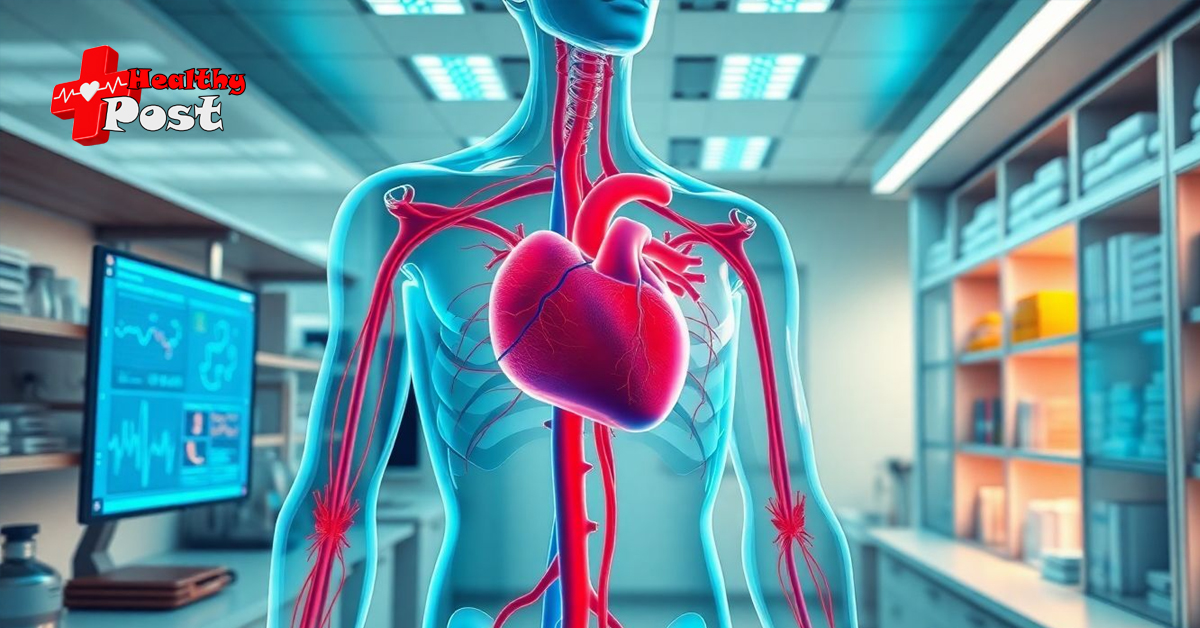
The cardiovascular system includes the heart, blood vessels, and blood cells. The heart acts as a pump, moving blood through arteries, veins, and capillaries. This blood carries oxygen, nutrients, and waste away from tissues.
The circulation process involves the cardiac cycle—systole (contraction) and diastole (relaxation). Blood pressure is how much force blood applies on vessel walls. Learning these structures and functions is easier with visuals like diagrams or animations. They help you see how each part fits into the whole.
Common Cardiovascular Conditions
Many health issues involve the heart and blood vessels. Hypertension, or high blood pressure, affects millions worldwide. Heart failure means the heart can’t pump blood effectively. Arrhythmias are irregular heartbeats that can be dangerous.
These conditions change how drugs are used. For example, high blood pressure might require an ACE inhibitor, while heart failure treatment could include diuretics or inotropes. Understanding their impact helps you grasp how drugs treat these illnesses. Latest data shows these diseases remain top causes of death, emphasizing their importance.
Pharmacology Principles Specific to the Cardiovascular System
Certain drug receptors are especially important in the heart. Adrenergic receptors, like beta-1, increase heart rate when stimulated. Cholinergic receptors slow it down.
Drug classes work by targeting these receptors. Beta-blockers block adrenaline, calming the heart. ACE inhibitors reduce blood pressure by dilating vessels. Linking how physiology affects drug action deepens your knowledge and makes concepts stick.
Key Pharmacological Agents in the Cardiovascular System
Antihypertensive Drugs
Controlling blood pressure is key to preventing strokes and heart attacks. Major drug classes include:
- ACE inhibitors: Enalapril, lisinopril. Work by blocking angiotensin II, relaxing blood vessels.
- ARBs: Losartan, valsartan. Similar to ACE inhibitors but with fewer cough side effects.
- Beta-blockers: Metoprolol, atenolol. Slow the heart and lower blood pressure.
- Diuretics: Furosemide, hydrochlorothiazide. Help eliminate excess salt and water.
- Calcium channel blockers: Amlodipine, verapamil. Relax vessel muscles and reduce workload.
Recent guidelines stress personalized treatment based on patient risk factors. New trials support combination therapy for better control.
Drugs for Heart Failure
Heart failure drugs help the damaged heart pump better. Key options include:
- Inotropes: Digoxin increases force of contraction.
- Vasodilators: Hydralazine widens vessels.
- Diuretics: Reduce fluid buildup to ease pressure.
These drugs enhance cardiac output and decrease symptoms, improving quality of life for patients.
Antiarrhythmic Medications
To correct irregular beats, drugs are grouped into four classes:
- Class I: Lidocaine, block sodium channels.
- Class II: Beta-blockers, slow heart response.
- Class III: Amiodarone, prolong the heart’s reset time.
- Class IV: Verapamil, calcium channel blockers affecting rhythm.
Monitoring is important. For example, amiodarone can cause lung or thyroid problems, so regular check-ups are necessary. Real-world cases help decide which drug fits each rhythm disturbance.
Lipid-Lowering Agents
Cholesterol drugs cut the risk of blocked arteries:
- Statins: Atorvastatin, rosuvastatin. Lower bad cholesterol.
- PCSK9 inhibitors: Alirocumab. Reduce LDL more aggressively.
- Fibrates: Gemfibrozil. Lower triglycerides.
Lifestyle changes remain crucial—diet, exercise, quitting smoking boost drug effects.
Thrombolytic and Anticoagulant Drugs
Blood thinners prevent clots:
- Heparin: Fast-acting, used in hospitals.
- Warfarin: Long-term, needs close blood level checks.
- Direct oral anticoagulants: Rivaroxaban, apixaban. Easier to manage with fewer blood tests.
Guidelines recommend these drugs for stroke, deep vein thrombosis, or atrial fibrillation. Always watch for bleeding risks.
Pharmacokinetics and Pharmacodynamics in Cardiovascular Drugs
Absorption, Distribution, Metabolism, Excretion (ADME)
How a drug moves through the body affects how well it works. For example, some drugs are taken orally and need to survive stomach acids. Others are injected directly into blood for quick effect. Liver metabolism often clears drugs, so kidney or liver problems change dosing.
Special populations like older adults or those with organ issues need dose adjustments to stay safe.
Receptor Interactions and Signal Transduction
Drugs modify how receptors work. Sympathetic pathways activate adrenergic receptors, increasing heart rate and blood pressure. Parasympathetic nerves target cholinergic receptors to slow activity.
Diagrams showing these pathways clarify how drugs like beta-blockers or cholinergic agents change cardiovascular functions. Understanding these interactions helps predict drug effects.
Side Effects and Toxicity Management
Most drugs have side effects. Beta-blockers can cause cold hands or fatigue. ACE inhibitors may lead to cough or high potassium levels.
Monitoring routines, like blood pressure or lab tests, catch issues early. Combining drugs carefully reduces unwanted interactions. Always weigh benefits versus risks when choosing therapy.
Practical Tips for the Cardiovascular System Test
Study Strategies
Focus on understanding how each drug works and when to use it. Memorize key drugs, their actions, and side effects. Flashcards and mnemonics help with recall.
Practice past questions to get used to exam style. Creating quick summaries for each class of drugs can improve retention.
Clinical Correlation
Relate drugs to real-world cases. Imagine a patient with high blood pressure or arrhythmia. Think about which drugs fit best and why. Knowing current guidelines makes your answers more accurate.
Understanding the bigger picture leads to better patient care. Never forget to consider individual needs and comorbidities.
Key Resources and References
Use trusted textbooks and online platforms like Medscape or UpToDate for updates. Keep an eye on the latest guidelines from organizations like the American Heart Association or European Society of Cardiology.
Staying current helps you adapt quickly and provide the best care.
Conclusion
Mastering cardiovascular pharmacology is essential for saving lives and improving patient outcomes. Focus on drug mechanisms, how they interact with body systems, and real-world applications. Regular review, connecting physiology with pharmacology, and keeping up with new guidelines will make your learning stick. Use this simplified guide as a foundation for more advanced study and exam success. Stay committed, stay curious, and your understanding will grow—leading to better healthcare for all.