

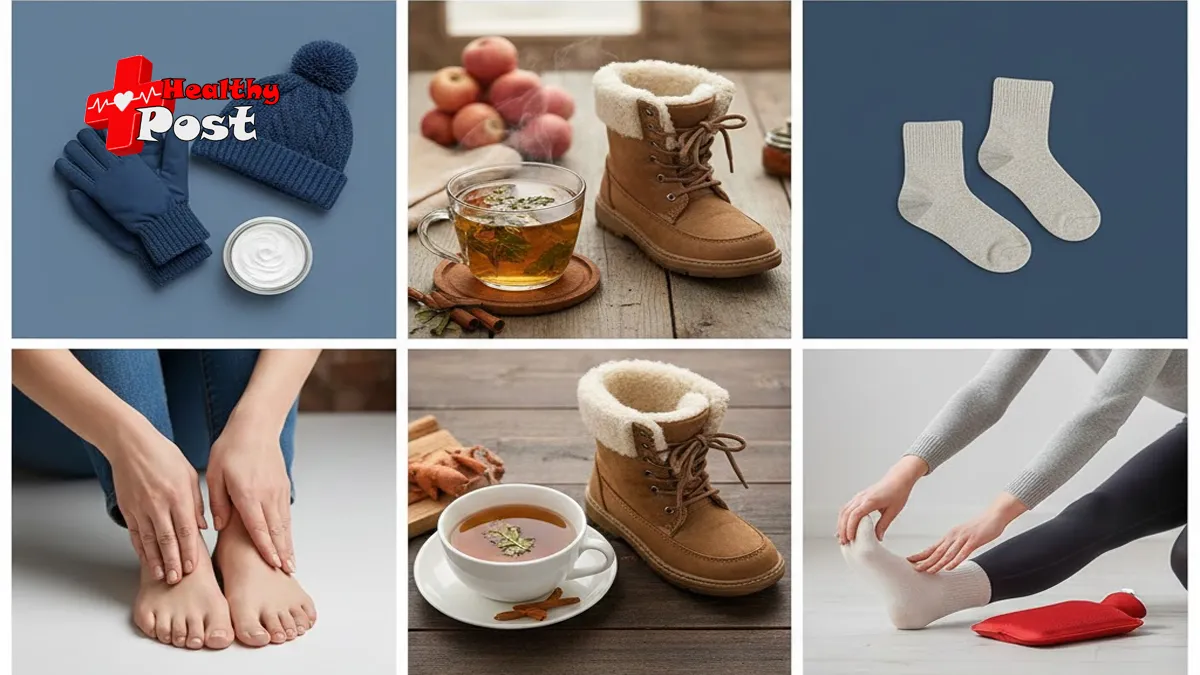
This article has been written by Dr. Priyanka Agarwal (Dermatologist, Dakai Skin Clinic), specializing in clinical dermatology, inflammatory skin reactions, and cold-weather skin protection.
Medical Disclaimer: The information provided on Healthy Post regarding chilblains, prevention strategies, and cold-induced skin conditions is for educational and informational purposes only and does not constitute formal medical or dermatological advice. Recurrent or severe chilblains can sometimes indicate underlying circulation or vascular issues that require professional clinical evaluation. Always consult a qualified dermatologist or healthcare provider for diagnosis and personalized treatment planning.

Dr. Priyanka Agarwal
Dermatologist | Dakai Skin Clinic
Dr. Priyanka Agarwal is an experienced Dermatologist dedicated to providing advanced medical and aesthetic skin care solutions. Practicing at Dakai Skin Clinic, Dr. Agarwal combines evidence-based dermatological care with a patient-centered approach, ensuring optimal skin health, advanced clinical treatments, and the highest standards of safety and diagnostic precision.
Cold weather can feel fresh and energising ❄️. But for some people, even a short walk in the cold brings painful, itchy red patches on fingers, toes, ears, or nose. These are called Chilblains, and they can turn winter into a season you dread.
If this sounds familiar, you are not alone. Many people with sensitive circulation, autoimmune conditions, or thinner skin struggle each year. The aim of this guide is to help you feel informed, supported, and equipped with clear steps you can start today.
We will walk through seven evidence-based strategies. Each one focuses on daily habits, clothing choices, circulation support, and early warning signs. Together, they form a simple plan to help keep your skin comfortable and your body healthy 😊.
Understanding Chilblains and Why Prevention Matters
Chilblains are small areas of painful skin inflammation. They usually appear after repeated exposure to cold, damp conditions. The skin may look red, purple, or darker than usual. It can feel hot, itchy, burning, or even blistered.
This problem happens when tiny blood vessels in the skin react strongly to temperature changes. They narrow in the cold, then open again too quickly when you warm up. That rapid change can damage the vessels and surrounding tissue.
Prevention matters because:
- The spots can be very painful and disturb sleep.
- The skin can crack or blister, which raises infection risk.
- Repeated episodes may scar the skin over time.
For a clear medical overview, you can read the NHS guidance on chilblains:
NHS guidance on chilblains – https://www.nhs.uk/conditions/chilblains/
Now let’s look at practical ways to reduce your risk.
1. Keep Your Whole Body Warm, Not Just Your Toes
When your core is warm, your body sends more blood to your hands and feet. This helps protect your skin from cold-related damage.
Tips to keep your body comfortably warm:
- Dress in layers: a breathable base layer, an insulating middle layer, and a windproof outer layer.
- Wear a hat and scarf. You lose a lot of heat through your head and neck.
- Use warm, but not tight, gloves and socks. Tight items can slow circulation.
- Consider thermal liners under regular socks for extra insulation.
- Keep your home comfortably heated, especially rooms where you sit still.
Short real-life example:
Anna works at a desk by a drafty window. She started wearing a thin thermal top under her shirt and a light scarf indoors. Her fingers now feel warmer throughout the day, with fewer flare-ups 😊.
2. Protect Your Skin From Sudden Temperature Changes
Rapid shifts from cold to hot are a major trigger for this condition. The skin’s blood vessels do not adapt well to dramatic changes.
Helpful habits to reduce sudden temperature shocks:
- After coming indoors, let your hands and feet warm up slowly.
- Use lukewarm water, not hot, when washing or soaking.
- Avoid placing cold hands directly on radiators, heaters, or hot water bottles.
- If you drive, warm the car gradually. Do not blast very hot air on cold fingers.
You can create a “re-warming” routine:
- Gently pat dry any rain or snow from your skin.
- Put on dry, warm socks or gloves right away.
- Wrap a soft blanket around your legs and feet.
- Sip a warm drink like herbal tea ☕.
This steady warming process is kinder to your circulation than sudden heat.
3. Choose the Right Clothing and Footwear
What you wear against your skin makes a big difference. The goal is warm, dry, and comfortable, without pressure.
Smart clothing tips:
- Choose moisture-wicking materials (like merino wool or technical fabrics).
- Avoid staying in damp socks or gloves. Change them as soon as they feel wet.
- Pick soft, non-scratchy fabrics if your skin is sensitive.
- Use glove liners under thicker gloves for extra warmth and flexibility.
Footwear matters a lot, especially in winter:
- Choose shoes or boots with enough room to wiggle your toes.
- Leave space for a warm sock without tightness.
- Look for insulated, waterproof boots for wet or snowy days.
- Add cushioned insoles if the soles feel very thin or cold.
Short example:
Martin loved stylish, narrow boots. His toes were always freezing and sore. He switched to wider, insulated boots with wool socks. His cold-related skin flares reduced within weeks.
4. Care for Your Circulation
Healthy circulation is one of your best tools against cold-induced skin problems. You do not need intense workouts. Gentle, regular movement helps a lot.
Daily circulation boosters:
- Walk whenever you can, even for 10 minutes at a time.
- Stand up and move your ankles and toes every 30–60 minutes.
- Circle your wrists and roll your shoulders if you sit at a desk.
- Stretch your calves and thighs to encourage blood flow to your feet.
Lifestyle choices also play a role:
- If you smoke, consider support to stop. Smoking narrows blood vessels.
- Maintain a healthy blood pressure and cholesterol level.
- Manage diabetes, if you have it, with your healthcare team.
Some people with cold-sensitive skin also have Raynaud’s phenomenon. You can learn more from Raynaud’s phenomenon information provided by Versus Arthritis:
Raynaud’s phenomenon information – https://www.versusarthritis.org/about-arthritis/conditions/raynauds-phenomenon/
If you notice colour changes in your fingers or toes, talk with your doctor. Early care can prevent more serious issues.
5. Look After Your Skin Barrier
Dry, cracked skin is more likely to become sore and inflamed. Supporting your skin barrier helps reduce discomfort and infection risk.
Gentle skin care tips:
- Use mild, fragrance-free soap or cleanser.
- Pat skin dry instead of rubbing it.
- Apply a rich, non-irritating moisturiser after washing.
- Use cream or ointment instead of very light lotion in cold months.
- Pay special attention to heels, toes, fingers, and knuckles.
Signs your skin barrier needs extra care:
- Flaky, rough patches.
- Visible cracks or splits.
- Stinging or burning with simple products.
Talk with a pharmacist or doctor about suitable creams. Some people do well with products containing ceramides or glycerin. Others may need prescription creams if the skin is very inflamed.
6. Know the Warning Signs and Act Early
Early action can stop a mild episode from becoming very painful. Learn how your body signals trouble and respond gently, but promptly.
Common early signs of this cold-related skin condition:
- Tingling or burning in fingers or toes.
- Itching after being in the cold.
- Red or purple patches that feel hot or sore.
- Swelling or tenderness in a small area.
Here is a simple guide to what you might notice and how to respond:
| Sign | What it may mean | What you can try at home | When to contact a doctor |
|---|---|---|---|
| Mild redness and tingling | Early cold-related irritation | Warm up slowly, moisturise, avoid scratching | If it keeps returning or worsens |
| Painful, swollen patch | More intense inflammation | Rest, protect from further cold, keep skin clean | If very painful or affecting daily tasks |
| Blister or open crack | Skin breakdown | Cover with a clean dressing, avoid friction | If not healing, or if you have diabetes |
| Warmth, pus, or red streaks | Possible infection | Do not delay; this needs medical review | As soon as you notice these signs |
If you feel unsure, it is always reasonable to ask a health professional. Many clinics offer telephone or online advice, which can be very reassuring 📞.
7. Work With Your Healthcare Team If You Are High Risk
Some people are more likely to develop this problem. If you have certain conditions, prevention deserves extra attention.
Higher-risk groups include people with:
- Raynaud’s phenomenon.
- Autoimmune diseases, such as lupus.
- Diabetes or peripheral artery disease.
- Very low body weight or poor nutrition.
- Reduced mobility, especially in older adults.
If you are in any of these groups:
- Discuss winter skin health at your next appointment.
- Ask if any medicines may affect circulation.
- Check whether you need blood tests or vascular checks.
- Review your footwear and activity levels with a nurse or therapist.
A clear medical plan can lower anxiety. It also reduces the chance of complications like ulcers or infections. For a trusted medical overview, the Cleveland Clinic overview of chilblains is helpful:
Cleveland Clinic overview of chilblains – https://my.clevelandclinic.org/health/diseases/21817-chilblains
Simple Daily Routine to Reduce Winter Flares
A routine makes prevention easier. Here is a simple daily pattern you can adapt.
Morning:
- Check your hands and feet for colour changes or soreness.
- Apply moisturiser to at-risk areas.
- Dress in layers, including warm socks and gloves if needed.
During the day:
- Move every hour, even for a minute or two.
- Avoid sitting with legs crossed for long periods.
- Change out of damp socks or gloves right away.
Evening:
- Warm up gradually after going outside.
- Take a short, lukewarm shower or bath.
- Moisturise again before bed.
- Raise your feet slightly on a pillow if they feel swollen.
You can also create reminders on your phone 📱. Small daily steps add up over the season.
Frequently Asked Questions About Chilblains
What are chilblains?
They are small areas of painful skin inflammation caused by an abnormal reaction to cold and damp conditions. They often affect toes, fingers, ears, or nose. The skin may look red, purple, or darker, and feel hot, itchy, or sore.
Are chilblains dangerous?
They are usually not life threatening. However, they can be very painful and may lead to infection if the skin cracks or blisters. People with diabetes or poor circulation need to be especially cautious and seek medical advice early.
How long do chilblains last?
Mild cases often improve within one to three weeks, especially if the skin is protected from further cold. If symptoms last longer, keep returning, or seem severe, a medical review is important to rule out other problems.
Can I treat chilblains at home?
Mild cases often improve with gentle self-care: gradual warming, moisturising, and protecting the skin. Avoid scratching or using very hot water. If you notice blisters, open wounds, or signs of infection, do not rely on home care alone.
When should I see a doctor about cold-related skin changes?
Seek medical help if:
- Pain is severe or waking you at night.
- The skin breaks, oozes, or looks infected.
- You have diabetes or known circulation problems.
- Symptoms keep returning each winter.
A doctor can confirm the diagnosis, rule out other causes, and suggest safe treatments.
Is it the same as frostbite?
No. Frostbite is a more serious injury where tissue actually freezes. It usually happens in extreme cold. Chilblain-type problems occur at higher temperatures and involve inflammation rather than freezing. Both need respect and protection, but they are different conditions.
Conclusion: Small Steps Can Help You Prevent Chilblains
Winter does not have to mean painful, itchy skin. By warming up gradually, dressing wisely, moving often, and caring for your skin barrier, you can greatly reduce your risk of Chilblains.
Remember these key points:
- Keep your whole body warm, not only your extremities.
- Avoid rapid temperature swings from very cold to very hot.
- Support your circulation with gentle movement and healthy habits.
- Watch for early warning signs and act before things worsen.
- Seek medical advice if you are high risk or unsure.
You deserve to feel comfortable and confident through the colder months 🌟. If this article resonates with you, consider saving it, sharing it, or using it to start a conversation with your doctor or nurse. Together, you can build a winter plan that keeps you active, warm, and as flare-free as possible.

1 Comment
Pingback: Silicone Patch: 7 Proven Benefits for Scars That Transform Your Skin