

In many Indian homes, urad dal quietly bubbles on the stove almost every day.
It may not look fancy, yet this simple black lentil is a nutritional treasure. 🌱
If you are vegetarian, vegan, or just trying to eat better, black gram can support your health in many ways. It offers protein, steady energy, and key minerals in one affordable ingredient.
This guide walks you through seven proven reasons this humble dal earns the title of “ultimate superfood for nutrition.” You will also find easy ways to use it daily, with practical tips that fit real life.
1. Urad Dal Is a Complete Plant Protein 💪
Protein is the building block of muscles, hormones, enzymes, and even your immune cells.
Many people who avoid meat worry about getting enough high-quality protein.
That is where this lentil shines. Urad dal provides:
- Around 24–25 grams of protein per 100 grams (raw).
- A strong mix of essential amino acids.
- A very satisfying, “full” feeling after meals.
Compared with many other pulses, black gram has a higher protein content.
It pairs especially well with grains like rice or wheat. Together, they complement each other’s amino acid profile.
For example, classic dishes like idli, dosa, and dal makhani use lentils with rice or wheat.
This traditional pairing gives your body more complete protein, without any meat.
If you are curious about the broader benefits of plant-based protein, you can read this helpful summary from Healthline: plant-based protein.
Real-life example
A busy office worker may not have time for elaborate meals.
A bowl of black lentil dal with rice at lunch can:
- Keep them full for several hours.
- Reduce the urge to grab sugary snacks.
- Support muscle maintenance after evening workouts.
2. Supports Steady Energy and Blood Sugar Balance ⚖️
Sudden energy crashes can make your day feel long and draining.
Meals rich in refined carbs often lead to:
- Rapid spikes in blood sugar.
- A quick crash soon after.
- Hunger returning faster than expected.
Black gram, in contrast, is rich in complex carbohydrates and fiber.
These digest slowly and release energy gradually.
This slow digestion helps:
- Maintain stable blood sugar levels.
- Support people managing insulin resistance.
- Keep your brain and body fueled for longer.
Black gram dishes often fit well into balanced diets for people with diabetes.
Of course, portion size and cooking method still matter.
Avoid very heavy cream-based preparations if you are watching blood sugar.
You can learn more about why these foods are helpful from this resource on low glycemic index foods.
Real-life example
Someone who feels sleepy after lunch might try replacing fried snacks with a lentil soup.
After a week, they may notice fewer slumps and more stable concentration.
3. Rich in Fiber for Gut and Heart Health ❤️
Many people eat far less fiber than their body needs.
Yet fiber is essential for both digestion and long-term health.
Black gram is an excellent source of both soluble and insoluble fiber.
This combination works in several ways:
- Softens stool and supports regular bowel movements.
- Feeds beneficial gut bacteria.
- Helps lower LDL (“bad”) cholesterol.
- Improves satiety and reduces overeating.
A healthier gut can also support mood and immunity.
Research increasingly links the gut microbiome with mental well-being and resilience.
Harvard’s Nutrition Source explains the benefits of dietary fiber in depth here: dietary fiber.
Tips to increase fiber gently
If you are not used to high-fiber foods, increase portions slowly.
Here are some simple steps:
- Start with small servings of dal, once a day.
- Drink enough water, especially in warm weather.
- Combine lentils with vegetables in soups or stews.
This approach helps your gut adjust and reduces gas or bloating. 😊
4. Packed With Iron, Magnesium, and B Vitamins 🔋
When people talk about urad dal nutrition, they often focus on protein alone.
Yet this lentil is also dense with important vitamins and minerals.
Below is an approximate breakdown per 100 grams of raw whole black gram.
Values can vary slightly by source and variety.
Key nutrients in black gram (approximate, per 100 g raw)
| Nutrient | Approx. amount | Why it matters |
|---|---|---|
| Energy | ~340 kcal | Provides fuel for daily activities and exercise |
| Protein | ~24 g | Maintains muscles, enzymes, and immune cells |
| Carbohydrates | ~59 g | Main source of steady energy |
| Dietary fiber | ~18 g | Supports digestion and heart health |
| Fat | ~1.5–2 g | Very low, mostly healthy fats |
| Iron | ~7–8 mg | Helps prevent anemia and fatigue |
| Magnesium | ~190–200 mg | Supports nerves, muscles, and heart rhythm |
| Potassium | ~950–1000 mg | Helps control blood pressure |
| Calcium | ~130–140 mg | Supports bones and teeth |
| Folate (B9) | ~200–220 µg | Essential in pregnancy and cell growth |
| Other B vitamins | Small amounts | Support energy metabolism and brain function |
This rich urad dal nutrition profile supports several health goals:
- Iron helps reduce fatigue and supports hemoglobin.
- Magnesium and potassium aid blood pressure control.
- Folate is important for women of childbearing age.
- B vitamins assist your body in turning food into usable energy.
Real-life example
A young woman with heavy periods may struggle with low iron.
Including black gram two to three times a week, along with vitamin C rich foods, can support her iron levels.
5. Honored in Traditional Ayurveda for Strength and Vitality 🌿
In Ayurveda, black urad dal holds a special place.
It is considered warming, nourishing, and strengthening for the body.
Traditional uses often include:
- Supporting bone and joint strength.
- Nourishing the nervous system.
- Helping recovery after illness or childbirth.
- Building stamina in people who feel weak or depleted.
Many classical recipes combine it with ghee, spices, and sometimes milk.
These combinations are designed to support deep tissue nourishment.
While modern science is still exploring these claims, some links are clear:
- The high protein content supports muscle and tissue repair.
- Minerals like magnesium, calcium, and phosphorus support bones.
- B vitamins and iron help combat tiredness and weakness.
If you follow Ayurvedic principles, you may hear black gram described as “balya” (strength-giving).
However, people with high heat conditions or acute inflammation may need moderation.
Consult an Ayurvedic practitioner or healthcare provider for personalized advice.
6. How to Add Urad Dal to Everyday Meals 🍲
Healthy food must also be practical and enjoyable.
If it feels too complex, it is hard to sustain.
That is why this lentil is so helpful.
It fits into many dishes, from simple home comfort foods to festive meals.
Here are some easy ways to use urad dal regularly:
Everyday meal ideas
- Simple dal soup
Boil lentils with turmeric, then temper with cumin, garlic, and a little ghee or oil. - Idli and dosa batter
Ferment black gram with rice for fluffy idlis and crisp dosas.
Fermentation may also support easier digestion. - Dal tadka with vegetables
Add spinach, bottle gourd, or carrots for a nutrient-dense one-pot meal. - Khichdi or rice blends
Cook a mix of rice, lentils, and mild spices for a comforting meal. - Salads and bowls
Use boiled lentils in warm salads with vegetables, lemon, and herbs.
Simple portion guidance
You do not need huge portions to benefit.
For most adults, per meal:
- ¼ to ½ cup cooked lentils is a good starting point.
- Adjust based on your appetite and protein needs.
- Combine with grains and vegetables for a balanced plate.
Real-life example
A working parent might cook a big pot of dal on Sunday.
Through the week, they can:
- Serve it with rice one day.
- Turn it into soup with extra vegetables another day.
- Use leftovers as a side with chapati and salad.
This kind of planning saves time and supports consistent healthy eating.
7. Budget Friendly, Sustainable, and Family Approved 💚
Superfoods are often marketed as rare, exotic, and expensive.
That can make healthy eating feel out of reach.
Black gram is different.
It is:
- Affordable compared with many animal proteins.
- Easy to store for long periods.
- Widely available in Indian and international stores.
Because it is a plant protein, it also has a lower environmental impact than many meat sources.
Legumes help enrich soil and support sustainable farming practices.
Kid- and family-friendly options
Many children resist vegetables but enjoy mild dals.
You can:
- Blend the lentils for a smoother texture.
- Keep spices gentle and flavors familiar.
- Serve it with soft rice or chapati.
Over time, kids can develop a taste for more complex flavors.
This helps build healthier habits from a young age.
Frequently Asked Questions About Urad and Health ❓
1. Is black gram suitable for people with diabetes?
In most cases, yes.
Its complex carbohydrates and fiber can support stable blood sugar.
However, portion size still matters.
Pair lentils with non-starchy vegetables and whole grains for best results.
If you take medication for diabetes, speak with your doctor or dietitian.
They can suggest personalized portions based on your overall diet.
2. Can I eat black gram every day?
Most people can enjoy it several times a week, sometimes even daily.
The key is variety.
Rotate it with other lentils, beans, and vegetarian proteins.
This ensures a broader range of nutrients and supports better digestion.
If you notice persistent gas, bloating, or discomfort, reduce the portion.
Soaking, rinsing well, and proper cooking often improve tolerance.
3. Is it safe during pregnancy?
In normal amounts, yes.
The folate, iron, and protein can support pregnancy needs.
Avoid very heavy, oily preparations if you have nausea or heartburn.
Always follow your obstetrician’s advice for serving sizes and frequency.
If you have a medical condition like gestational diabetes, seek guidance first.
4. Does black gram cause gas or bloating?
It can, especially if you are not used to legumes.
This is mainly due to its fiber and certain natural sugars.
You can reduce discomfort by:
- Soaking the lentils for several hours, then discarding the soaking water.
- Adding digestive spices like cumin, ginger, and asafoetida (hing).
- Starting with smaller portions and increasing slowly.
Many people find that their digestion adapts over time.
5. Which is better: whole or split black gram?
Both are healthy, but they differ slightly.
- Whole black gram (with skin)
Higher in fiber and has a richer, earthier taste. - Split or skinned varieties
Cook faster and taste milder, which some people prefer.
Choose based on your taste, cooking time, and digestive comfort.
Including both across the week is a good strategy.
6. How does it compare with other lentils?
Black gram is generally higher in protein than many common lentils.
It is also richer in certain minerals, like iron and magnesium.
However, each lentil type has unique strengths.
For example, red lentils may cook faster, and chickpeas offer a different texture.
A mix of dal varieties gives you a broader spectrum of nutrients.
Conclusion: Make Urad Dal Your Everyday Nutrition Ally 🌟
Behind its simple appearance, urad dal brings together protein, complex carbs, fiber, and vital minerals.
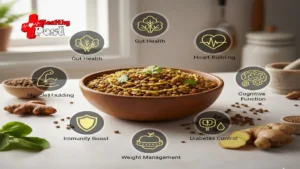
It supports steady energy, gut health, heart health, and even traditional ideas of strength and vitality.
You do not need drastic changes to benefit.
Start with one extra serving of lentils each week.
Notice how your energy, digestion, and satisfaction after meals begin to shift.
Over time, letting this humble lentil share space with vegetables, grains, and healthy fats can transform your plate.
You will be building a diet that is nourishing, affordable, and kinder to the planet.
Consider choosing urad dal the next time you plan a comforting meal.
Your body, your family, and your future self will thank you. 💚