

Clinical Authorship & Verification
This article has been written by Dr. Rachana Bhoite (Nutrition Science, Dr. Reddy’s Labs ↗), specializing in nutritional science and metabolic health.
Medical Disclaimer: The information on Healthy Post is for educational and informational purposes only and does not constitute medical or nutritional advice. Dietary impacts, including blood sugar responses to fruit juices, vary based on individual metabolic health and underlying conditions. Always consult a qualified physician or registered dietitian before making significant changes to your daily diet or nutritional intake.

🏥 Medical Review Board Member
Dr. Rachana Bhoite, PhD
Nutrition Science Expert | Dr. Reddy’s Laboratories (Hyderabad, India)
Dr. Rachana Bhoite, PhD, is a distinguished industry veteran with over 22 years of expertise in Foods & Nutrition and clinical research. With a career deeply rooted in medical nutrition and nutraceutical innovation, she has successfully designed and launched numerous scientifically differentiated products across global markets. Dr. Bhoite is dedicated to bridging the gap between complex clinical data and accessible, evidence-based nutrition. Her commitment to rigorous research ensures that every piece of content she reviews meets the highest standards of scientific accuracy and consumer safety.
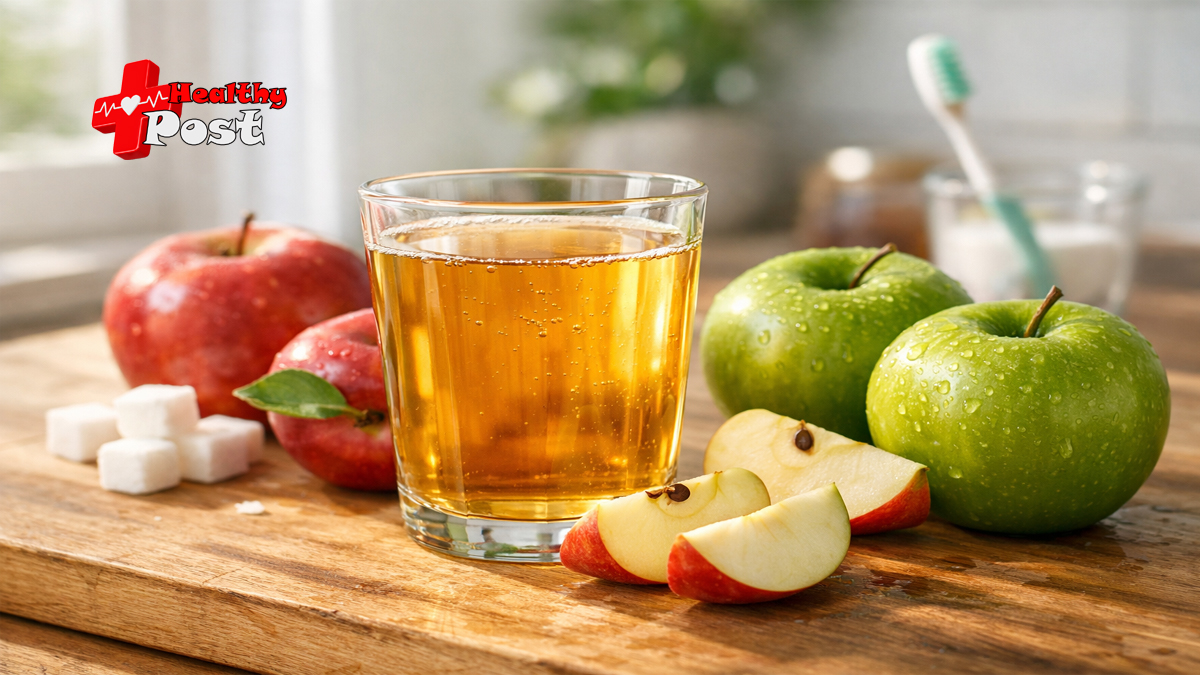
A glass of apple juice can feel comforting, familiar, and easy to enjoy 🍏. For many people, it brings back childhood breakfasts, recovery days, or simple moments of routine. Yet apple juice benefits go beyond taste alone. When chosen carefully and consumed in moderation, apple juice can support immunity, digestion, heart health, and even brain function. Still, it has limits that deserve attention.
That balance matters. Apple juice contains vitamins, antioxidants, and plant compounds, but it also delivers natural sugars quickly and lacks the fiber of whole apples. So the real question is not whether apple juice is “good” or “bad.” It is how to use it wisely.
In this article, you will learn the most important apple juice benefits, the main risks to watch, how it compares with whole apples, and the best way to include it in a healthy routine.
Nutritional Profile of Apple Juice
Before looking at the health effects, it helps to understand what is in one standard serving.
Apple Juice Nutrition Per 8 oz (240 mL)
| Nutrient | Amount | % Daily Value |
|---|---|---|
| Calories | 110 | — |
| Carbohydrates | 28 g | 9% |
| Vitamin C | 78 mg | 130% |
| Potassium | 300 mg | 9% |
| Sodium | 36 mg | 1% |
| Other nutrients | Vitamin B, Iron, Calcium, Copper | — |
This profile explains why apple juice can be useful in some settings. It offers quick energy, a high dose of vitamin C, and some potassium. But it also explains its drawbacks. Most of the calories come from carbohydrates, and the fiber is minimal.
1. Boosts Immunity
One of the most recognized apple juice benefits is immune support. This mainly comes from vitamin C, which helps the body build defenses against daily stressors.
Vitamin C supports:
- White blood cell function
- Protection against oxidative stress
- Tissue repair and recovery
- Healthier skin barriers against germs
Think of vitamin C like a maintenance crew. It helps the body repair wear and tear before small problems grow.
If you are run down, traveling, or eating less than usual, a moderate serving of apple juice may help support nutrient intake. This does not replace sleep, whole foods, or medical care. Still, it can fit into a supportive diet.
For more on vitamin C and immunity, see the vitamin C resource from the NIH Office of Dietary Supplements.
2. Relieves Constipation
Apple juice may help ease constipation, especially in children or adults with mild digestive sluggishness. This effect is linked to compounds such as sorbitol and malic acid.
These compounds can help by:
- Pulling water into the intestines
- Softening stool
- Supporting easier bowel movements
This is why some parents or caregivers use small amounts of apple juice when a child is mildly constipated. The effect is usually gentle, though too much can backfire.
A simple real-life example: someone recovering from travel, stress, or a low-fluid day may find that a small glass of apple juice helps restart normal digestion.
Still, more is not better. Excess can cause bloating or loose stools. If constipation is frequent or painful, a healthcare professional should evaluate it.
3. Promotes Heart Health
Apple juice contains plant compounds called polyphenols. These antioxidants may help reduce oxidative damage and support healthier blood vessels ❤️.
Some research suggests apple-based polyphenols may help:
- Lower LDL cholesterol oxidation
- Reduce inflammation
- Support better circulation
- Ease strain on the cardiovascular system
This does not mean apple juice works like a medication. It means it may play a small, supportive role within a heart-friendly diet.
Potassium also matters here. While apple juice is not the richest potassium source, it still contributes to mineral intake that supports fluid balance and blood pressure control.
If you are choosing between sugary soft drinks and a modest serving of unsweetened apple juice, apple juice is often the better option. But if the goal is long-term heart health, whole apples remain the stronger choice.
You can review broader evidence on heart health through the American Heart Association.
4. May Help Lower Cancer Risk
This is one area where language should stay careful. Apple juice does not prevent cancer on its own. No single drink can do that. But apples contain antioxidants and polyphenols that have been linked to lower risk factors for certain diseases, including some cancers.
Researchers have explored connections with:
- Lung cancer
- Colon cancer
- Oxidative cell damage
- Chronic inflammation
Polyphenols help protect cells from stress, much like a shield reduces daily wear on a surface. Over time, that matters.
Whole apples provide more of these compounds than juice, especially cloudy or less processed forms. Freshly pressed juice is usually a better option than highly filtered concentrate.
This is also where green apple juice benefits get attention. Green apples are often praised for their tart taste and antioxidant content. While research varies by variety, green apple juice may offer similar protective compounds with a slightly different nutrient profile.
5. Improves Skin Health
Healthy skin often reflects what is happening inside the body. Hydration, nutrient intake, and antioxidant exposure all play a role. Apple juice supports this process mainly through vitamin C.
Vitamin C helps with:
- Collagen formation
- Wound healing
- Tissue repair
- Protection against oxidative stress
Imagine skin as a woven fabric. Collagen is part of the thread that helps keep it firm and resilient. Without enough support, the fabric weakens.
Some people also search specifically for apple juice benefits female because women often look for simple ways to support skin, energy, and overall wellness. In that context, moderate apple juice intake may contribute to skin support as part of a balanced diet rich in fruits, vegetables, protein, and fluids.
It is not a beauty cure. But it can be one small supportive habit.

6. Supports Metabolism and Daily Energy
Apple juice provides fast-digesting carbohydrates, which can offer a quick source of energy. That can be useful after physical activity, during low appetite, or while recovering from illness.
Some observational findings also connect apple intake with:
- Smaller waistlines
- Lower cholesterol
- Better blood pressure
- Reduced body fat markers
But context matters. Whole apples support metabolism better than juice because fiber slows digestion and improves fullness. Juice can still be helpful when quick energy is needed.
For example, someone who feels lightheaded after skipping breakfast may tolerate apple juice more easily than a heavy meal. In that moment, it acts like a fast refill.
This is one of the more practical apple juice benefits. It can support short-term energy needs. It just should not replace balanced meals.
7. Protects Brain Function
This is one of the most interesting areas of study. Apple juice contains polyphenolic antioxidants that may help protect brain cells from oxidative stress 🧠.
Researchers have explored whether these compounds may help reduce processes linked to:
- Brain cell damage
- Cognitive decline
- Alzheimer’s disease
- Parkinson’s disease
Think of oxidative stress as rust forming slowly over time. Antioxidants help limit that damage. The brain, which uses a lot of energy, is especially vulnerable to stress.
The evidence here is promising, but not final. Apple juice should be viewed as one supportive dietary factor, not a treatment.
If brain health is the priority, the best pattern includes:
- Regular exercise
- Quality sleep
- Whole fruits and vegetables
- Blood sugar control
- Social and mental engagement
Apple juice can fit into that picture, especially in moderate amounts and less processed forms.
8. Convenient Hydration With Some Nutrients
Not every benefit needs to sound dramatic. Sometimes practicality matters most. Apple juice is easy to drink, easy to digest, and often more appealing than plain water for people with reduced appetite.
This can help:
- Older adults who eat less
- Children during mild illness
- People recovering from fatigue
- Busy adults needing quick nourishment
Hydration with some vitamins and minerals is better than skipping intake entirely. That said, apple juice is not a replacement for water. It is better viewed as a supportive beverage.
This convenience is part of why apple juice benefits remain widely discussed. It meets people where they are. It is familiar, accessible, and often tolerated when heavier foods are not.
3 Hidden Downsides of Apple Juice
Now for the other side of the story. While the benefits are real, so are the risks. These tend to appear when apple juice is consumed too often, in large portions, or as a substitute for whole fruit.
1. Blood Sugar Spikes and Weight Gain
Apple juice contains natural sugars, but the body still absorbs them quickly. Without fiber to slow digestion, blood glucose can rise fast.
This can lead to:
- Insulin surges
- Short-lived fullness
- Increased hunger later
- Poor glucose control in some people
Over time, frequent large servings may contribute to weight gain. Liquid calories are easy to overlook. A person may drink 200 to 300 calories without feeling especially full.
This is especially important for people with diabetes, insulin resistance, or appetite control challenges.
For guidance on blood sugar-friendly eating, the diabetes nutrition page from the American Diabetes Association is helpful.
2. Tooth Decay and Enamel Erosion
Apple juice is both sugary and acidic. That combination can be hard on teeth.
It may:
- Feed cavity-causing bacteria
- Weaken enamel
- Increase sensitivity
- Raise decay risk with frequent sipping
Imagine enamel like a protective shell. Repeated acid exposure slowly softens it. Sugar then gives bacteria extra fuel to create more damage.
A few simple habits can reduce this risk:
- Drink apple juice with meals
- Avoid sipping it slowly over hours
- Rinse your mouth with water afterward
- Use a straw when appropriate
3. Digestive Upset, Kidney Stone Risk, and Low Fiber
Some downsides cluster together. Apple juice can irritate digestion in sensitive people because of sorbitol and fructose. This may cause:
- Gas
- Bloating
- Diarrhea
- Stomach discomfort, especially on an empty stomach
Excess intake may also raise kidney stone concerns in some people due to oxalates. This is not a common issue from occasional use, but high intake over time may increase risk in susceptible individuals.
Then there is the biggest nutritional drawback: low fiber. Compared with whole apples, juice is less filling and less balanced.
Apple Juice vs Whole Apples
Here is where the comparison becomes clear.
| Feature | Apple Juice | Whole Apples |
|---|---|---|
| Fiber | Low | High |
| Satiety | Low | High |
| Sugar Absorption | Fast | Slower |
| Polyphenols | Lower | Higher |
| Dental Health | Risky | Safer |
| Convenience | Easy to drink | Requires chewing |
Whole apples are usually the better daily choice. They are more satisfying, gentler on blood sugar, and richer in fiber and beneficial compounds.
Apple juice still has a place. It just works best as a smaller supporting player, not the star of your fruit intake.
How to Drink Apple Juice the Smart Way
To enjoy the benefits while lowering the risks, keep these habits in mind:
- Limit intake to about 240 mL per day
- Choose freshly pressed juice when possible
- Avoid highly sweetened juice drinks or concentrates
- Do not drink it on an empty stomach
- Pair it with protein or a meal for steadier energy
- Prefer whole apples most of the time
A practical example: instead of drinking two large glasses mid-afternoon, have one small glass with breakfast and eat a whole apple later in the day.
That pattern supports balance instead of excess.
FAQs About Apple Juice Benefits
Is apple juice healthy every day?
It can be, in small amounts. A daily 240 mL serving may fit a balanced diet, but whole apples are usually healthier.
What are the main apple juice benefits?
The main benefits include immune support, digestion support, antioxidant protection, and convenient hydration.
Are there specific apple juice benefits female readers should know?
Yes. Women may value its vitamin C content for skin support, recovery, and general wellness. Still, moderation matters.
What are green apple juice benefits?
Green apple juice benefits may include antioxidant support, light digestive help, and a tart, refreshing option with similar core nutrients.
Does apple juice help with constipation?
It can help mild constipation because of sorbitol and malic acid. Too much, however, may cause diarrhea.
Is apple juice better than eating an apple?
Usually no. Whole apples offer more fiber, greater fullness, slower sugar absorption, and more polyphenols.
Final Thoughts
The real value of apple juice benefits lies in perspective. Apple juice can support immunity, digestion, skin health, heart health, and brain function when used thoughtfully. It is convenient, familiar, and sometimes easier to tolerate than whole fruit. But it also has hidden drawbacks, especially for blood sugar, teeth, weight, and fullness.
The simplest approach is often the best: drink apple juice in moderation, choose fresh options when possible, and keep whole apples as your main fruit source. That way, you enjoy the advantages without letting the downsides take over.
If you regularly drink juice, this is a good week to review your routine. Start with one small change. Choose a smaller glass, pair it with a meal, or swap one serving for a whole apple 🍏. Small decisions often create the strongest health habits over time.

3 Comments
Pingback: 10 Powerful Foods That Reduce Phlegm Naturally for Better Breathing - Healthy Post
Pingback: Fiber vs Protein: Which Is More Important for Human Health?
Pingback: Are Mild Headaches a Known Side Effect of Taking Retatrutide?