
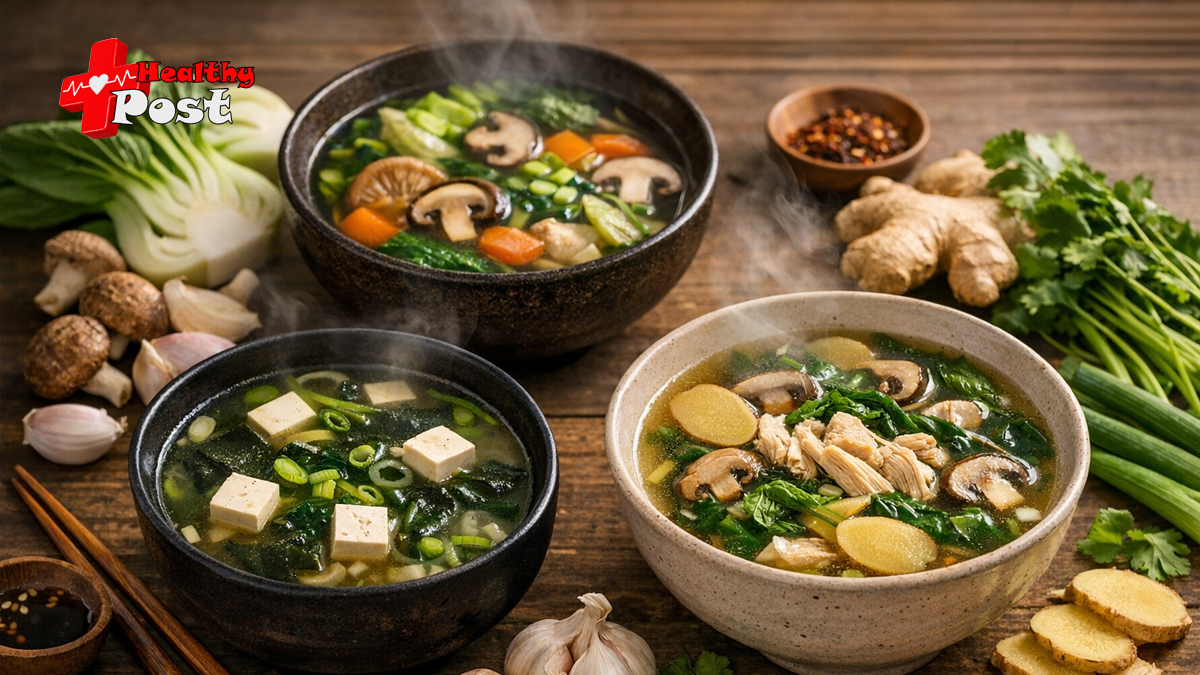
7 Positive Asian Soup Benefits for Health from Traditional Recipes
Learn how nourishing broths, herbs, vegetables, and spices support hydration, digestion, immunity, and recovery.
When life feels heavy, a warm bowl of soup often meets us with quiet comfort 🍲. Across Asia, soup is more than a starter. It is care, memory, healing, and daily nourishment in one bowl. Many families grew up with recipes passed down by parents and grandparents. A simmering pot on the stove often meant someone was being looked after.
That is one reason interest in asian soup benefits for health continues to grow. Traditional soups from China, Japan, Korea, Thailand, Vietnam, and other regions often combine broth, vegetables, herbs, spices, and proteins in balanced ways. These meals are usually simple, soothing, and deeply practical. They support the body without feeling restrictive or complicated.
In this article, we will explore seven meaningful ways Asian soups can support health. We will also look at examples from traditional asian soup recipes, explain why these bowls matter, and offer practical tips for everyday life. The goal is not to make grand promises. It is to understand why these long-loved dishes still deserve a place at the table today.
Why Asian soup still matters in modern health routines
Modern eating habits are often rushed. Meals become snacks. Hydration gets overlooked. Vegetables become an afterthought. Soup gently solves several of these problems at once. A well-made asian soup can offer fluids, fiber, protein, minerals, and warmth in one easy meal.
Traditional recipes also tend to reflect lived wisdom. For centuries, people used ingredients based on season, digestion, energy, and recovery. Today, nutrition science helps explain why some of those choices worked so well.
Here is a quick overview before we go deeper.
| Benefit | Why it matters | Traditional examples |
|---|---|---|
| Hydration support | Broth adds fluid and electrolytes | Miso soup, pho broth, Korean soups |
| Easier digestion | Warm liquids and cooked foods feel gentler | Congee soups, clear broths, tofu soups |
| Immune support | Garlic, ginger, mushrooms, herbs add protective compounds | Tom yum, chicken herb soups |
| Nutrient density | Many soups combine vegetables, protein, and minerals | Japanese nabemono, Chinese herbal soups |
| Portion balance | Soup can be filling without feeling heavy | Vegetable soups, noodle soups with broth |
| Recovery and comfort | Warm food helps during stress or illness | Chicken soup, rice porridge soups |
| Seasonal adaptability | Ingredients shift with climate and body needs | Spicy winter soups, lighter summer broths |
1. Asian soup helps support hydration and gentle nourishment
One of the most practical asian soup benefits for health is hydration. Many people do not drink enough water during the day. Others lose fluids through heat, exercise, or illness. Soup helps replace fluid in a natural, satisfying way.
Broth-based soups are especially helpful because they deliver water slowly with flavor and minerals. That makes hydration easier to maintain. A person who forgets to sip water may still enjoy a bowl of soup with lunch or dinner.
Traditional examples include:
- Japanese miso soup
- Vietnamese pho broth
- Korean miyeok-guk
- Chinese light vegetable soup
- Thai clear herbal broths
Warm liquids can also feel easier on the body than cold drinks, especially in cooler weather or during recovery. That is one reason soup often appears during illness. It comforts while also helping.
A practical example:
After a long day, someone may feel tired, bloated, and thirsty without realizing it. A salty processed snack may make that worse. A bowl of broth with greens, tofu, or chicken can feel far more restoring.
According to the Centers for Disease Control and Prevention hydration, fluids play a central role in daily health. Soup can be one useful part of that bigger hydration picture.
2. It may be easier to digest than heavy meals
Many traditional asian soup recipes are designed around softness, warmth, and balance. That matters for digestion. When ingredients are simmered, they often become easier to chew and gentler on the stomach.
This is especially true for:
- Cooked vegetables
- Soft tofu
- Rice porridge bases
- Light broths
- Thinly sliced meats
- Ginger-forward soups
Warm soup can be helpful when appetite is low. It can also support people who feel overwhelmed by large, dense meals. You still eat. You just eat in a gentler format.
Congee-based soups are a strong example. Across Asia, rice porridge has long been used for recovery, low appetite, and digestive ease. It is plain enough to tolerate, yet flexible enough to hold egg, fish, chicken, mushrooms, or greens.
Ginger is another common ingredient worth noting. It has a long history in traditional cooking for digestive comfort. Modern research also continues to examine its role in easing nausea and supporting digestive function. The National Center for Complementary and Integrative Health ginger provides useful background on this topic.
A simple analogy helps here. Think of digestion like a fire. Very heavy meals can feel like tossing on wet logs. Soup is more like adding dry kindling. It gives the body something manageable to work with.
3. Traditional soups often include ingredients linked to immune support
When people think about asian soup benefits for health, immune support often comes to mind first 🥣. That makes sense. Many classic recipes include ingredients long associated with wellness, especially during cold weather or seasonal illness.
Common examples include:
No soup can prevent every illness. Still, ingredients found in traditional asian soup can contribute to an overall supportive diet. Mushrooms bring valuable nutrients. Garlic and ginger add plant compounds studied for their health effects. Chicken broth offers fluid and comfort when eating feels difficult.
Take tom yum, for example. This Thai soup often includes lemongrass, chili, lime, galangal, and herbs. The flavor is bright, aromatic, and warming. It can help wake up appetite while delivering fluid and ingredients with long culinary and cultural use.
Chinese chicken soups with ginger and scallion offer another familiar pattern. These recipes are often served after exhaustion, during weather shifts, or whenever someone needs extra care.
A real-life example:
A parent notices their child has little appetite during a cold. A heavy plate of food goes untouched. But a small bowl of soft noodle soup with broth and vegetables is accepted. That is not only comfort. It is practical nourishment.
4. Asian soups can deliver many nutrients in one balanced meal
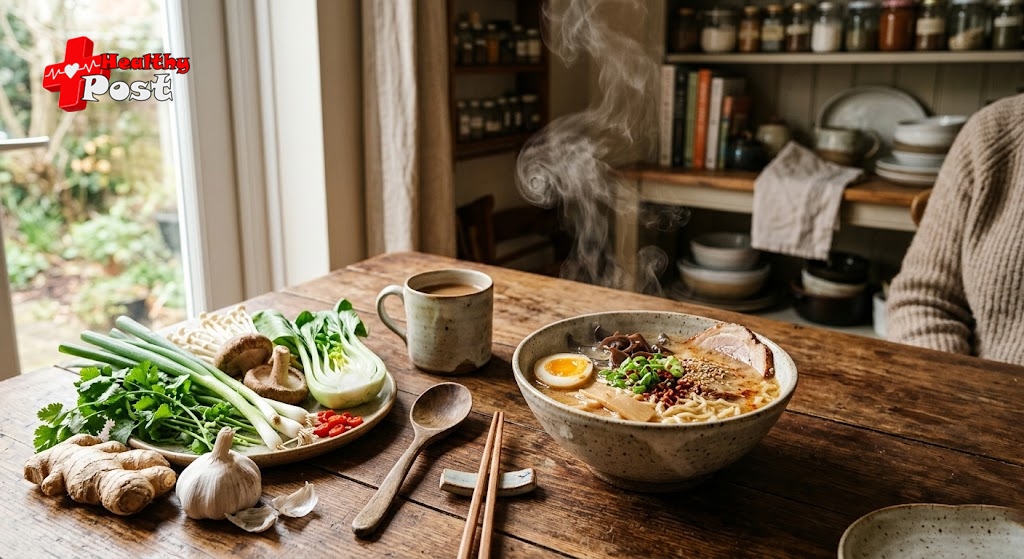
A thoughtful bowl of soup can act like a complete meal rather than a side dish. This is one of the most overlooked asian soup benefits for health. Traditional soups often include several food groups together, making nutrition feel easier and more natural.
A balanced bowl may contain:
- Broth for fluid
- Vegetables for fiber and vitamins
- Tofu, beans, seafood, or meat for protein
- Rice or noodles for energy
- Herbs and spices for flavor and plant compounds
This structure matters because many people struggle with meal balance. They may eat too little protein, skip vegetables, or rely on ultra-processed foods. Soup offers a practical solution. It gathers several nourishing elements in one place.
Examples from classic asian soup recipes include:
Miso soup with tofu and seaweed
This simple Japanese soup can provide fluid, protein, and minerals. Seaweed adds iodine, though intake should still be balanced.
Vietnamese pho with herbs
Pho often includes broth, rice noodles, herbs, and protein. The fresh herbs bring both aroma and micronutrients.
Korean doenjang jjigae
Made with fermented soybean paste, vegetables, and often tofu, this soup offers deep flavor and substance.
Chinese winter melon soup
This lighter soup often includes lean protein and vegetables in a clean broth. It is refreshing yet nourishing.
Filipino tinola
Usually made with chicken, green papaya or chayote, and ginger, tinola is often appreciated for its warming simplicity.
The Harvard T.H. Chan School of Public Health healthy eating plate emphasizes balanced meals with vegetables, protein, and whole foods. Many traditional soups naturally move in that direction.
5. Soup may help with portion balance and mindful eating
Another important point in understanding asian soup benefits for health is satiety. Soup can be filling without feeling too heavy. That makes it helpful for people trying to eat more mindfully.
Because soup contains liquid, fiber, and often protein, it can slow eating down. It also encourages smaller spoonfuls and pauses between bites. In a fast-food culture, that matters.
This does not mean every soup is automatically light. Some are rich, creamy, or sodium-heavy. But many traditional broths stay satisfying through structure rather than excess. The flavor comes from simmering, aromatics, herbs, and umami ingredients.
Ways soup may support mindful eating:
- It takes longer to eat than dry snack foods
- Warmth can create a sense of satisfaction
- Broth adds volume without relying on heaviness
- Vegetables blend in more easily
- One bowl can reduce the urge for extra sides
A simple example:
Someone comes home very hungry and reaches for chips. They eat quickly and still feel unsatisfied. Another day, they start with vegetable noodle soup. The pace is slower, and fullness arrives more clearly.
That is not about restriction. It is about helping the body notice enough.
6. It offers comfort during recovery, stress, and low-energy days
There is a reason soup appears in so many stories about caregiving ❤️. When people are tired, grieving, sick, or overwhelmed, soup feels manageable. It asks less of the body. It also carries emotional value that dry nutrition advice often misses.
This is one of the most human asian soup benefits for health. Traditional soups can support recovery not only through nutrients, but also through routine, aroma, warmth, and memory.
Why this matters:
- Warm food may feel more soothing during stress
- Soft textures help when chewing feels hard
- Broth-based meals can support low appetite
- Familiar recipes create a sense of grounding
- Cooking soup often invites rest and slower pacing
In many Asian households, soup is one of the first things offered after illness, childbirth, exhaustion, or travel. The ingredients may change by region, but the message is similar: this bowl is here to help you regain strength.
Examples include:
Korean miyeok-guk
Traditionally eaten on birthdays and often after childbirth, this seaweed soup is deeply tied to care and recovery.
Chinese herbal chicken soup
Families may use roots, dates, ginger, and chicken to create a restorative broth based on family tradition.
Vietnamese cháo
Though more porridge than soup, it shares many of the same comforting features. It is soft, warm, and easy to digest.
A bowl of soup cannot solve burnout. But it can become a small act of repair. Sometimes health begins with what the body is willing to receive.
7. Traditional recipes adapt well to the seasons and personal needs
One reason asian soup recipes have endured for generations is flexibility. Traditional soup making is not rigid. It responds to weather, appetite, ingredients, and stage of life.
In winter, soups often become richer, warmer, and more spiced. In summer, they may turn lighter, clearer, and more herb-forward. During fatigue, they may include chicken, ginger, mushrooms, or root vegetables. For lighter eating, they may focus on greens, tofu, and delicate broth.
This seasonal adaptability supports long-term health because it encourages:
- Eating with the climate
- Using fresh local produce
- Rotating ingredients
- Avoiding meal boredom
- Respecting appetite changes
Examples of seasonal adjustment:
- Add daikon, mushrooms, and ginger in colder months
- Use spinach, tofu, and clear broth in warmer weather
- Choose rice noodles for lighter meals
- Add lentils or tofu for plant-based protein
- Reduce sodium by using more herbs and aromatics
A practical home approach is to think in layers:
- Choose a broth
- Add one protein
- Add two vegetables
- Include a starch if needed
- Finish with herbs or spice
That formula makes asian soup easy to personalize while keeping its nourishing core.
How to make Asian soup healthier at home
Not every restaurant soup is ideal for every person. Some versions can be high in sodium or low in vegetables. The good news is that home cooking gives you control without removing tradition.
Try these practical ideas:
- Use lower-sodium broth when possible
- Build flavor with ginger, garlic, mushrooms, and herbs
- Add extra greens like bok choy, spinach, or napa cabbage
- Choose tofu, beans, fish, or lean chicken for protein
- Keep noodles moderate and vegetables generous
- Taste before adding more salt or sauces
- Make extra and store portions for busy days
You do not need rare ingredients to start. Even a simple broth with carrots, mushrooms, tofu, scallions, and rice can reflect the spirit of traditional nourishment.
Are there any downsides to consider?
A trustworthy health article should also mention limitations. Soup can be helpful, but context matters.
Possible concerns include:
- High sodium in instant or restaurant soups
- Rich broths that may not suit every digestive need
- Allergens such as soy, shellfish, or gluten
- Heavy reliance on noodles without enough protein or vegetables
- Herbal ingredients that may interact with medications
If you have high blood pressure, kidney concerns, or a medically restricted diet, it is wise to review ingredients carefully. Traditional food can still fit into a healthy pattern, but personal needs should always guide choices.
FAQs about asian soup benefits for health
1. Is Asian soup healthy every day?
It can be, especially when made with vegetables, protein, and moderate sodium. Variety still matters across the week.
2. Which asian soup is best for digestion?
Light broths, ginger soups, congee, and tofu-based soups are often gentler options for digestion.
3. Can asian soup help when you are sick?
Soup may help with hydration, comfort, and easier eating. It does not replace medical care when needed.
4. Are instant asian soups healthy?
Some are convenient, but many are high in sodium. Adding vegetables and protein can improve balance.
5. Is miso soup healthy?
Miso soup can be a nourishing choice with tofu, seaweed, and broth. Watch sodium if you need to limit salt.
6. What makes traditional asian soup recipes special?
They often combine cultural wisdom, seasonal ingredients, gentle cooking methods, and balanced nourishment.
Final thoughts
The beauty of soup is its honesty. It does not need to impress. It only needs to nourish. That is why traditional Asian soups have remained so meaningful across generations. They offer warmth, fluid, comfort, vegetables, protein, and ritual in one bowl.
When we talk about asian soup benefits for health, we are really talking about something larger. We are talking about meals that respect the body. Meals that can support hydration, digestion, immune health, recovery, and mindful eating. Meals that feel both ancient and practical in modern life 🌿
If you want to explore these benefits, start small. Try one homemade broth this week. Add ginger, greens, tofu, or chicken. Keep it simple. Let the bowl do what it has always done: offer steady care.
References
- Centers for Disease Control and Prevention. hydration. https://www.cdc.gov/healthy-weight-growth/water-healthy-drinks/index.html
- National Center for Complementary and Integrative Health. ginger. https://www.nccih.nih.gov/health/ginger
- Harvard T.H. Chan School of Public Health. healthy eating plate. https://nutritionsource.hsph.harvard.edu/healthy-eating-plate/