


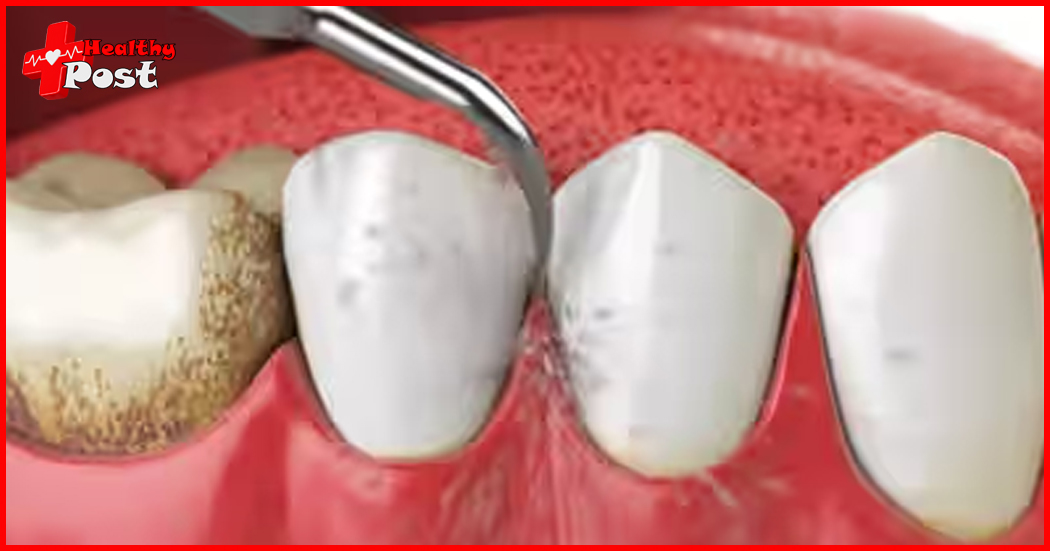
How Plaque Forms – Have you ever noticed that when you get your teeth cleaned, your teeth look white and bright, but over time they become duller and more yellow? This yellowish color comes from plaque, a film-like substance made by bacteria. Plaque can accumulate on the teeth above and below the gum line. You may find it unsightly, and more importantly, it can damage your teeth and gums if not removed. So, do you know how to remove dental plaque? If you don’t know, let’s take a look!
Plaque is a sticky film of bacteria that constantly forms on your teeth. Bacteria in plaque produce acid after you eat or drink. These acids can damage tooth enamel and lead to cavities and gingivitis (gum disease).
Plaque can also form under the gums at the roots of teeth and damage the bone that supports the teeth. Untreated plaque can harden into tartar that is difficult to remove. Proper oral hygiene, including daily brushing and flossing, can remove plaque.
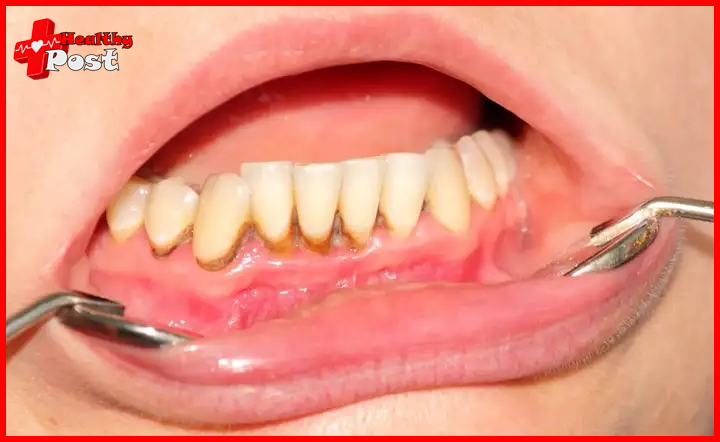
Plaque buildup can have serious health consequences. The bacteria in plaque feed on the sugars in food, producing acid, which can damage your teeth and lead to cavities . Bacteria also produce toxins that aggravate the gums, leading to periodontal disease (gum disease).
When plaque on your teeth combines with minerals in your saliva to form a hard deposit, it’s called tartar. Another name for tartar is calculus. Like plaque, tartar can form both above and below the gum line. Tartar forms a breeding ground for plaque bacteria to multiply rapidly.
Unlike plaque, tartar cannot be removed by brushing or flossing. To get rid of it, you need to see your dentist, who will use special instruments to remove it in a technique called “scaling and polishing.” Scaling refers to the removal or removal of tartar from teeth, while polishing helps to make the teeth smooth and shiny afterwards.
What are the symptoms of dental plaque?
A fuzzy feeling on your teeth is the first sign that you have plaque. Other indicators include:
- Chronic bad breath.
- Red, swollen, tender gums that bleed after brushing (gum disease).
What to do about dental plaque
The easiest way to remove plaque is to brush your teeth at least twice a day. When the bristles start to wear out, you should use a soft toothbrush that should be replaced at least every 3 to 4 months. You may also consider an electric toothbrush , which is more effective at removing plaque than a traditional toothbrush.
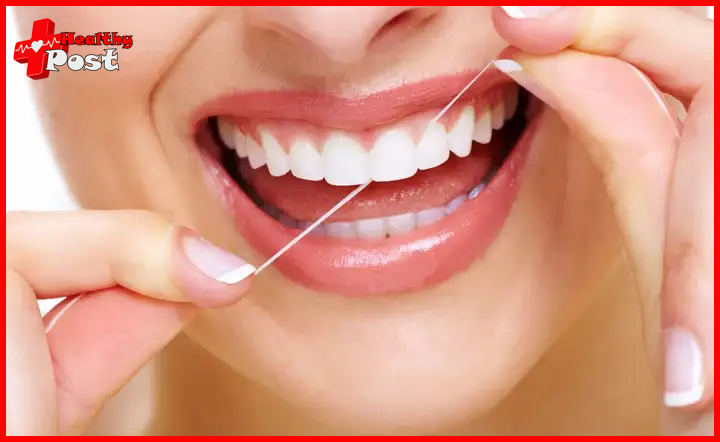
Floss before brushing to loosen any bits of food so you can brush them away. Floss your teeth:
- Hold the floss taut between your thumb and forefinger, then gently push the floss between the two teeth.
- Gently rub the floss up and down, continuing to press it against the teeth. Be careful not to yank or break the floss.
- Repeat this process for all teeth, paying attention to the floss behind the back teeth.
After flossing, you should brush your teeth for two minutes at a time. brush teeth:
- Apply a pea-sized amount of toothpaste to your toothbrush. For children, the amount of toothpaste should be about the size of a grain of rice.
- Place the toothbrush on your teeth at a 45-degree angle to your gums.
- Move the toothbrush back and forth in short, gentle motions the width of each tooth.
- Brush all outer, inner and chewing surfaces of your teeth, and don’t forget to brush your tongue.
- For the inside of the front teeth, tilt the toothbrush vertically and make small up-and-down strokes.
Plaque can quickly build up again after being brushed away. Dental experts recommend other home treatments to remove plaque buildup. These include oil pulling and baking soda treatments.
Oil pulling
Swishing oil (usually coconut or olive oil) around your mouth can strengthen teeth, prevent cavities, soothe sore gums and remove plaque. To “oil absorb,” you’ll swish a tablespoon of coconut or olive oil in your mouth for 20 to 30 minutes (much longer than swishing around a typical mouthwash). Coconut oil is considered particularly beneficial because it contains fatty acids such as lauric acid, a substance that has anti-inflammatory and antibacterial effects.
baking soda
The study found that people who brushed their teeth with toothpaste containing baking soda removed more plaque and less plaque re-grown within 24 hours than those who brushed their teeth with toothpaste without baking soda. less. Baking soda is effective at removing plaque because it is a natural cleaner and abrasive, which means it is good for scrubbing.
How to remove dental plaque
- Baking soda is great for prying hard tartar out of tooth enamel. It’s a bit abrasive though, so don’t overdo it! Another way to make your teeth shine is to add enough hydrogen peroxide to 1 teaspoon of baking soda to make a smooth paste.
- People have known about the health benefits of aloe vera for years. However, its magical properties also extend to oral care. In particular, you can use it as a very powerful natural toothpaste.
- When you’re done eating your oranges, don’t throw away the peel! Rub it on your teeth – it’s an easy way to clean your enamel.
- Sesame seeds make a really cool tooth scrub. They will gently and carefully remove plaque and even tartar without damaging your teeth.
- Mixing together fruits and vegetables that contain vitamin C is a quick and easy way to create an anti-plaque paste mask for your teeth.
- One of the ingredients in white vinegar is acetic acid. This acid prevents demineralization of tooth enamel and plaque buildup.
- Clove powder can be used to relieve toothache. But it also has the ability to destroy microorganisms in the mouth. Yes, those same microorganisms that cause plaque!
- Rosemary essential oil acts as a disinfectant to remove bacteria from the mouth. It prevents cavities and plaque buildup and eliminates bad breath.
- Eat more cheese. Cheese helps produce alkaline saliva, which in turn forms a protective layer around teeth and neutralizes plaque acids.
How to prevent plaque from forming
Good tooth and gum care is key to reducing plaque. you should:
- Floss daily: Floss or water floss your teeth once a day to remove food and plaque stuck between your teeth. Studies show that flossing before brushing removes more plaque.
- Brush twice a day: Brush for two minutes with a soft-bristled toothbrush (manual or electric) and fluoride toothpaste. Brush at least twice a day, preferably once after each meal.
- Chew sugarless gum: Chew sugarless gum if you can’t brush your teeth immediately after eating or drinking.
- Choose healthy foods: Cut back on sugary, starchy foods and drinks. Instead, choose nutrient-dense foods and snacks such as plain yogurt, cheese, raw vegetables, or fruit.
- Go to the dentist: Get dental checkups at least twice a year.
- Use mouthwash: Rinse with an over-the-counter or prescription antiseptic mouthwash.
What are the complications of dental plaque?
If you don’t brush and floss daily, plaque can harden into tartar. Only a dental professional can remove tartar. Plaque and tartar can cause:
- Tooth decay.
- Gingivitis and periodontal (gum) disease.
- Severe gum infection (periodontitis).
- Tooth decay and loss.
- Tooth infection (tooth abscess).
Conclusion
The better you take care of your teeth, the less plaque and tartar there will be. You should brush your teeth at least twice a day and floss once a day to prevent plaque buildup. Also, be sure to visit your dentist regularly for preventive care and tartar removal. Taking good care of your teeth will keep you healthy in the long run.
If you think you may have dental problems related to plaque or tartar buildup, make an appointment with your dentist immediately. The sooner a dental problem is addressed, the less damage it is likely to cause and the easier (and less expensive) it will be to treat.
5 Comments
Pingback: Why is my mouth still full of plaque after brushing every day?
Pingback: Can purple toothpaste help remove dental plaque?
Pingback: Causes and treatment of chronic periodontitis - Health Page
Pingback: How to remove the yellow tartar on the inside of the teeth?
Pingback: Tips for remove tartar - How to remove black stains from teeth