
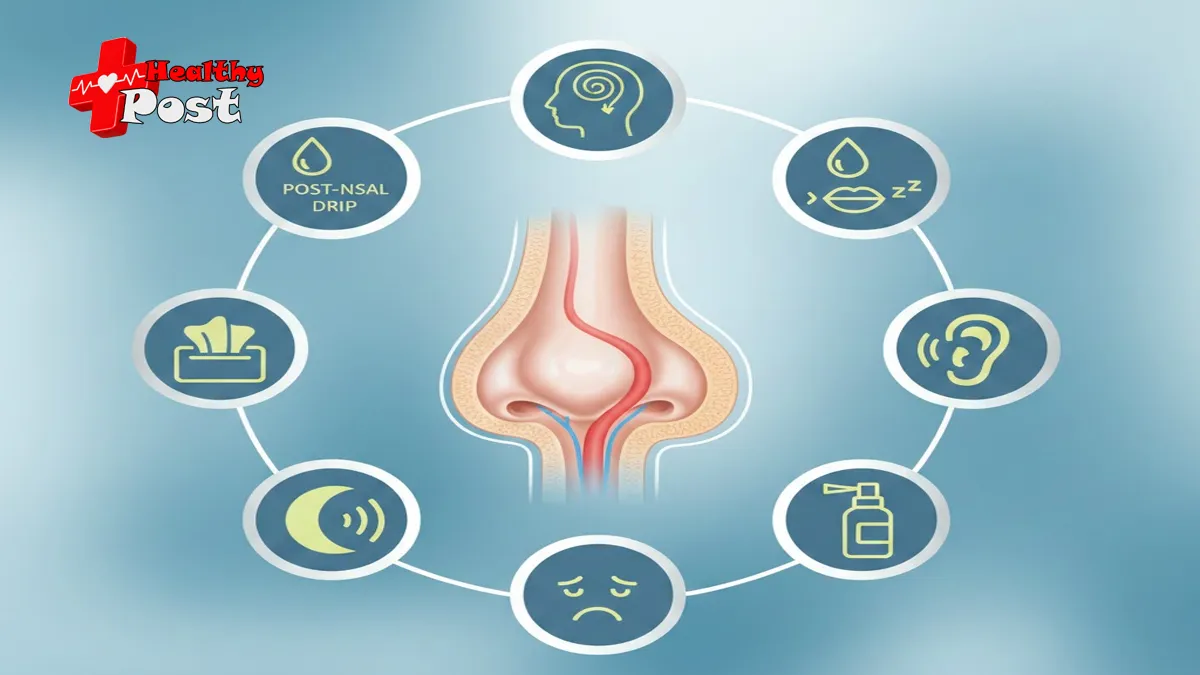
Deviated Septum Symptoms: 9 Powerful Clues for Early Relief
A deviated septum is a common condition where the nasal septum—the cartilage and bone that divide the nasal cavity—is displaced to one side. This misalignment can lead to various symptoms that may affect your quality of life. Recognizing the deviated septum symptoms early can help you seek relief and improve your overall well-being. In this article, we will explore nine significant clues that may indicate you have a deviated septum and provide insights on how to manage these symptoms effectively.
1. Nasal Congestion
One of the most prevalent symptoms of deviated septum is chronic nasal congestion. You may find it difficult to breathe through one or both nostrils, leading to discomfort and frustration. This congestion can worsen during colds or allergies, making it essential to identify the underlying cause.
2. Frequent Sinus Infections
If you experience recurrent sinus infections, it could be a sign of a deviated septum. The misalignment can obstruct sinus drainage, leading to inflammation and infection. If you notice that you are frequently battling sinusitis, consider discussing this with your healthcare provider.
3. Nosebleeds
Another common symptom is frequent nosebleeds. A deviated septum can cause the nasal passages to dry out, leading to irritation and bleeding. If you find yourself dealing with nosebleeds more often than usual, it may be time to evaluate your nasal health.
4. Snoring and Sleep Apnea
A deviated septum can contribute to snoring and even sleep apnea. The obstruction in your nasal passages can disrupt airflow during sleep, leading to loud snoring or pauses in breathing. If you or your partner notice these issues, consider consulting a specialist for further evaluation.
5. Facial Pain or Pressure
Some individuals with a deviated septum report experiencing facial pain or pressure, particularly around the sinuses. This discomfort can be mistaken for sinusitis, but it may actually stem from the structural issues within the nasal cavity. Keeping track of when you experience this pain can help your doctor make an accurate diagnosis.
6. Altered Sense of Smell
A deviated septum can also affect your sense of smell. If you notice a diminished ability to detect odors, it may be linked to the obstruction in your nasal passages. This symptom can significantly impact your enjoyment of food and your overall quality of life.
7. Headaches
Chronic headaches can be another clue pointing to a deviated septum. The pressure caused by nasal congestion and sinus blockage can lead to tension headaches or migraines. If you frequently experience headaches alongside other symptoms, it’s worth discussing with your healthcare provider.
8. Postnasal Drip
Postnasal drip occurs when excess mucus accumulates in the back of the throat. This can be particularly bothersome, leading to coughing, throat irritation, or a feeling of mucus running down your throat. If you notice this symptom frequently, it may be related to a deviated septum.
9. Difficulty Breathing During Exercise
If you find it challenging to breathe during physical activities, it could be due to a deviated septum. The obstruction can limit airflow, making it harder to get enough oxygen during exercise. If this is a concern for you, consider consulting a healthcare professional for advice.
Table: Common Symptoms of Deviated Septum
| Symptom | Description |
|---|---|
| Nasal Congestion | Difficulty breathing through one or both nostrils |
| Frequent Sinus Infections | Recurrent sinusitis due to blocked drainage |
| Nosebleeds | Increased frequency of nasal bleeding |
| Snoring and Sleep Apnea | Disrupted airflow during sleep |
| Facial Pain or Pressure | Discomfort around sinuses |
| Altered Sense of Smell | Diminished ability to detect odors |
| Headaches | Tension headaches or migraines |
| Postnasal Drip | Excess mucus accumulation in the throat |
| Difficulty Breathing During Exercise | Limited airflow during physical activity |
FAQs About Deviated Septum Symptoms
1. What causes a deviated septum?
A deviated septum can be caused by genetic factors or injuries to the nose.
2. How is a deviated septum diagnosed?
A healthcare provider will perform a physical examination and may use imaging tests to assess the nasal structure.
3. Can a deviated septum be treated?
Yes, treatment options include medications for symptom relief and surgery (septoplasty) for severe cases.
4. Are there home remedies for managing symptoms?
Saline nasal sprays, humidifiers, and steam inhalation can help alleviate symptoms.
5. When should I see a doctor?
If your symptoms are persistent or worsening, it’s advisable to consult a healthcare professional.
Conclusion
Recognizing deviated septum symptoms early can lead to timely intervention and relief. From nasal congestion to headaches, these clues can significantly impact your daily life. If you identify with any of these symptoms, consider reaching out to a healthcare provider for a thorough evaluation and potential treatment options. Taking action now can pave the way for a more comfortable and healthier future. Remember, you are not alone in this journey, and support is available.
For more information on managing symptoms of a deviated septum, you can visit reputable sources such as the American Academy of Otolaryngology or the Mayo Clinic. These resources provide valuable insights into nasal health and treatment options.


One thought on “Deviated Septum Symptoms: 9 Powerful Clues for Early Relief”