


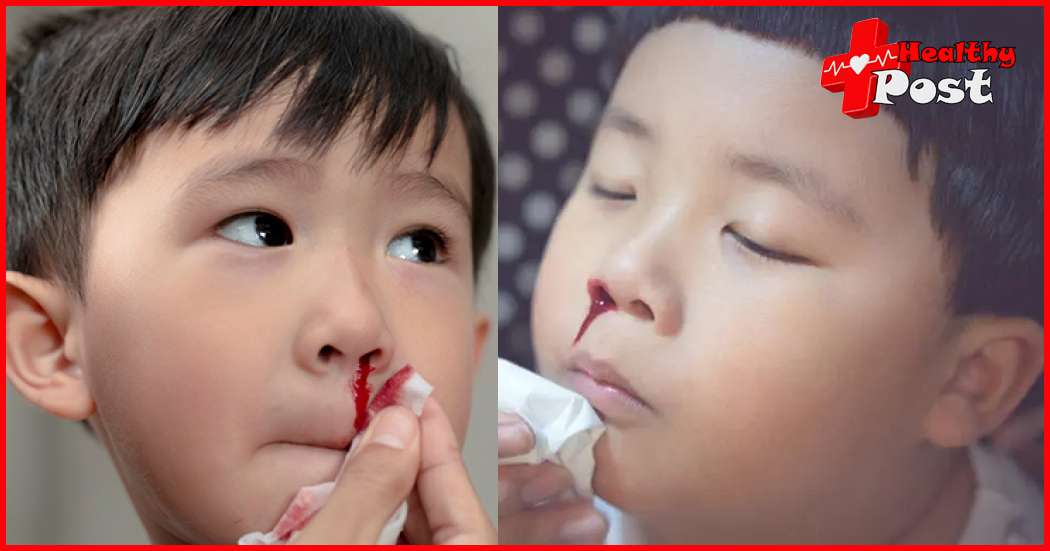
Nose bleeding is a common disease that many people have experienced personally. What do people do when nosebleeds occur? Which of the commonly used folk “recipes” such as “stuffing the nose with toilet paper”, “raising the head”, and “wiping the back of the neck with cold water” are effective and which are wrong? This article will Answers for you one by one.
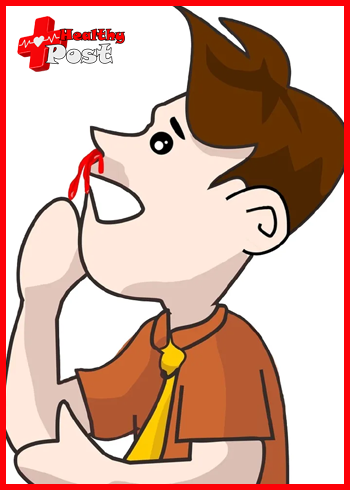
What is a nosebleed?
Nose bleeding can occur at all ages, and can be mostly unilateral. In rare cases, bilateral nose bleeding can occur. The amount of bleeding varies. In mild cases, it is just blood in the nasal discharge. In severe cases, it can cause hemorrhagic shock and repeated nose bleeding. Bleeding can cause anemia. The location of nosebleeds also varies from person to person. Generally speaking, epistaxis in children mostly occurs in the front of the nasal cavity , bleeding from the anterior segment of the nasal septum. Generally, epistaxis drips from the nasal cavity in a small amount and can be easily suppressed by pressing. Nosebleeds in middle-aged and elderly people mostly occur in the posterior part of the nasal cavity . Generally, nosebleeds flow from the posterior nostril to the mouth, and the amount can be large and difficult to stop.
What are the causes of nosebleeds?
Most nosebleeds are spontaneous and can occur without warning and for no apparent reason. But if you have frequent nosebleeds, you can find the cause. There are two types of causes of nosebleeds: local and systemic.
1. Local reasons:
① Trauma: Such as nasal bones, nasal septum, sinus fractures, etc. that damage local mucosa and blood vessels.
② The nasal septum has deviation, erosion, ulcer, perforation, etc.
③ Tumors: Tumors of the nose and nasopharynx mainly include nasal septal capillary hemangiomas, nasopharyngeal fibroangioma, malignant tumors of the nasal cavity and paranasal sinuses, and nasopharyngeal cancer can cause epistaxis.
④ Inflammation: various rhinitis, such as sicca rhinitis, atrophic rhinitis, acute rhinitis and sinusitis or nasal tuberculosis, syphilis, etc.
⑤ Common causes in children are nose picking, nose blowing, foreign bodies in the nasal cavity, etc.
2. Systemic causes:
Any systemic disease that causes increased blood pressure, coagulation dysfunction, changes in vascular tone, etc. can cause epistaxis, such as hypertension, rheumatic fever, leukemia, uremia, nutritional disorders and vitamin deficiencies, endocrine disorders, organic Phosphorus poisoning, hereditary hemorrhagic telangiectasia, long-term use of anticoagulant drugs, etc.

How to help yourself when you have a nosebleed?
1. Stay calm first. Especially for patients with massive nosebleeds, they often experience emotional stress and fear, which may lead to elevated blood pressure and more bleeding.
2. Get into a sitting or semi-recumbent position. Do not lie down to prevent a large amount of blood from choking into the trachea.
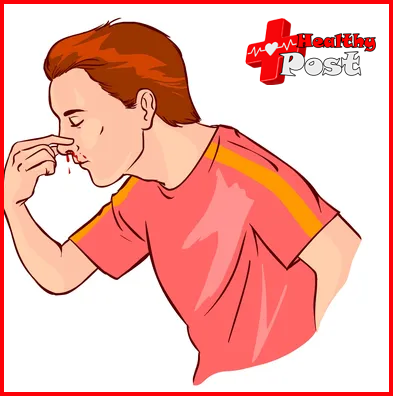
3. Lean your head and body forward. Blood will be swallowed from the mouth when the head is raised, causing vomiting. In fact, the “head-up” method to stop nosebleeds that we have been taught since childhood is wrong.
4. Most nosebleeds occur in the front and lower part of the nasal septum (especially in children and adolescents). Use your index fingers and thumbs to pinch the wings of your nose and press it toward the front and lower part of the nasal septum. Breathe through your mouth at the same time. If there is blood in your mouth, be sure to spit it out.
5. Use a cold water bag or wet towel to apply to the forehead and neck to promote blood vessel contraction and reduce bleeding.
6. Patients with hypertension can measure their blood pressure and take antihypertensive drugs orally.
7. If the bleeding has stopped with the above measures, do not touch or blow your nose, otherwise it may bleed again.
8. If the above measures fail to stop the bleeding, you should go to the hospital as soon as possible to seek treatment.
After arriving at the hospital, the doctor will search for the cause and actively stop bleeding, search for bleeding points, and then use electrocoagulation equipment to coagulate the bleeding points. For those with extensive bleeding, packing will be used to pack the nasal cavity to compress the bleeding and require blood transfusion if necessary.
How to prevent nosebleeds?
1. Eat more fresh vegetables and fruits, supplement enough vitamins, and keep bowel movements smooth.
2. Children should cut their nails frequently and avoid picking their noses as much as possible. Adults should avoid smoking and drinking.
3. In dry seasons, a humidifier can be used indoors to maintain the humidity of the nasal cavity.
4. If there are local or systemic diseases that cause nosebleeds, they should be treated promptly to avoid recurrence of bleeding.
5. If the nasal cavity often bleeds a small amount, or there is blood in the nasal mucus, you should be alert to malignant tumors in the nasal cavity, sinuses, and nasopharynx, and go to the hospital for diagnosis.
From the previous explanation, everyone should know that methods such as “stuffing the nose with toilet paper” and “tilting the head” are not effective in stopping bleeding when nosebleeds occur. Instead, they can easily lead to nasal infection, swallowing blood and vomiting. When nosebleeds occur, we must be able to determine the cause and amount of bleeding, and use self-rescue measures correctly. If the bleeding is severe, you need to go to the hospital for treatment immediately.
3 Comments
Pingback: Understanding the Importance of Early Detection in Children Eye Test
Pingback: Deviated Septum Symptoms: 9 Powerful Clues for Early Relief
Pingback: Essential First Aid Knowledge Everyone Should Know in Daily Life