

Close Menu

    Subscribe to Updates

    Get the latest creative news from FooBar about art, design and business.

    What's Hot

    How Does Traumagel Work? 7 Life-Saving Benefits & Guide

    July 4, 2026

    Clinical Benefits of Functional Foods for Metabolic Health: An Expert Guide

    July 1, 2026

    Early Signs of Lupus: 7 Crucial Symptoms to Watch For (2026 Guide)

    June 28, 2026
    Facebook X (Twitter) Instagram
    • About Us
    • Contact Us
    • Our Medical Review Board & Expert Contributors
    • Cancer
    • Cardiology
    • Dental
    • General Disease
    • Gyne
    • Healthy food
    • Medicine
    • Orthopedics
    • Skin
    Button
    Home » Does High Protein Diet Cause Constipation? Uncovering the Facts and Solutions
    Healthy food

    Does High Protein Diet Cause Constipation? Uncovering the Facts and Solutions

    AdminBy AdminApril 25, 2025Updated:April 25, 2025No Comments5 Mins Read
    Share Facebook Twitter Pinterest LinkedIn Tumblr Reddit Telegram Email
    does high protein diet cause constipation
    Does High Protein Diet Cause Constipation? Uncovering the Facts and Solutions
    Share
    Facebook Twitter LinkedIn Pinterest Email

    High protein diets are everywhere—promising weight loss, muscle gain, and better health. Many people have turned to these diets to reach their goals faster. But along with the benefits, some worry about side effects like digestion problems. Constipation is a common concern. People ask: can eating more protein lead to trouble going to the bathroom? In this article, we explore the real connection between high protein diets and constipation. We’ll look at what causes it, who is most at risk, and how to keep your digestion healthy while eating lots of protein. Let’s know does high protein diet cause constipation?

    Understanding the Connection Between High Protein Diets and Constipation

    The Role of Dietary Fiber in Digestion

    Fiber is like the traffic cop of your digestive system. It helps keep things moving smoothly. It adds bulk to your stool, making bowel movements easier. People eating high protein diets often eat fewer fiber-rich foods like fruits, vegetables, and whole grains. These diets tend to focus on meat, eggs, and dairy, which might not have enough fiber.

    Health experts recommend at least 25 grams of fiber daily for women and 38 grams for men. Many following high protein plans fall short of these targets. This shortfall can make bowel movements less regular and cause discomfort.

    How Protein Affects Digestive Processes

    Protein influences how your gut works. It affects gut motility—the way food moves through your digestive tract. When you eat a lot of protein, your gut slows down a bit, which might lead to harder stools.

    Plus, eating excessive protein can change your gut bacteria. Good bacteria thrive on fiber and plant-based foods. If these are lacking, your microbiome can become unbalanced. This imbalance can make digestion less efficient and lead to constipation.

    Potential Mechanisms Leading to Constipation

    Several factors link high protein diets to constipation:

    • Lower fiber intake: Less fiber means less bulk for your stool.
    • Dehydration: High protein metabolism requires more water. If you don’t increase your fluid intake, dehydration can make stools dry and hard.
    • Changes in gut bacteria: An unbalanced microbiome can slow digestion.

    These factors can act alone or together, resulting in constipation when following a high protein plan.

    Risk Factors and Populations More Susceptible

    Dietary Patterns Combining High Protein With Low Fiber

    Many popular diets high in protein also restrict carbs—think keto or paleo. These diets often cut out fiber-rich foods, making constipation more likely. For example, focusing on meats and nuts without enough vegetables can slow down your bowel movements.

    Hydration and Fluid Intake Considerations

    Water keeps everything moving in your gut. High protein diets increase the need for fluids to help process the extra nitrogen and other waste. Without enough water, your stool can become dry and tough, leading to constipation.

    Many people unknowingly drink less water on high protein diets, thinking they need less. But staying hydrated is crucial for preventing digestion issues.

    Medical Conditions and Medication Interactions

    Certain health problems and drugs can make constipation worse when combined with a high protein diet.

    • Conditions like irritable bowel syndrome (IBS) or hypothyroidism tend to slow digestion.
    • Some medications—like pain pills, antacids, or iron supplements—can cause constipation.

    If you have these issues, it’s especially important to manage your diet carefully.
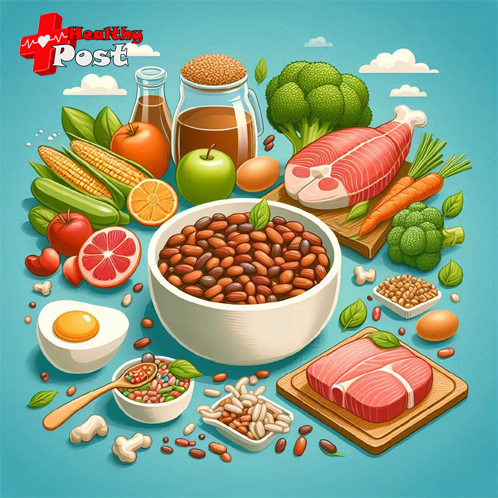
    does high protein diet cause constipation
    does high protein diet cause constipation

    Strategies to Prevent and Relieve Constipation on a High Protein Diet

    Increasing Dietary Fiber Intake Safely

    Add more fiber step by step. Include foods like

    • Vegetables (broccoli, carrots, spinach)
    • Fruits (apples, berries, pears)
    • Whole grains (brown rice, oats, whole wheat bread)

    Aim for a gradual increase to avoid gassiness or bloating.

    Optimizing Hydration

    Drink plenty of water—at least 8 glasses a day.

    • Use hydrating foods like watermelon, oranges, and cucumbers.
    • Keep a bottle nearby to remind yourself to sip fluids regularly throughout the day.

    Incorporating Gut-Healthy Probiotics and Prebiotics

    Support your gut bacteria with

    • Yogurt and kefir (probiotics)
    • Foods like garlic, onions, and chicory root (prebiotics)

    These can boost digestion and regularity naturally.

    Adjusting Protein Sources and Portion Sizes

    Choose lean and minimally processed proteins.

    • Opt for chicken, fish, or plant-based alternatives.
    • Balance protein portions with fiber-rich foods for a well-rounded plate.

    Avoid overdoing it—moderation is key.

    Practical Lifestyle Changes

    Move your body daily. A quick walk or light exercise helps your gut muscle work better.
    Create a routine—try eating meals at the same time every day. Consistent eating habits support smoother digestion and regular bowel movements.

    Scientific Insights and Expert Recommendations

    Many experts agree that a balanced diet supports digestive health.

    • Dr. Sarah Jones, a gastroenterologist, says maintaining enough fiber and water intake is essential, regardless of diet style.
    • Clinical studies show that people eating high protein diets with ample fiber and fluids often don’t experience constipation.

    Follow evidence-based tips: load up on fiber, hydrate well, and choose nutrient-dense foods to stay healthy inside and out.

    Conclusion

    While high protein diets can sometimes cause constipation, it’s usually because of missing fiber, dehydration, or microbiome changes. Making small adjustments—more fiber, plenty of water, and gut-friendly foods—can keep your digestion happy. Remember, balance isn’t just good for your muscles; it’s key for your gut too. Always talk to your healthcare provider if you’re unsure or have ongoing issues. Keeping your digestive system healthy allows you to enjoy all the benefits of a high protein lifestyle without the uncomfortable side effects.
    3 oz salmon
    The Ultimate Guide to 3 oz Salmon: Healthy, Delicious, and Perfect Portions
    Editorial Notice & Disclaimer: All material published on this platform is curated strictly for general educational and healthcare informational purposes. Content should not be interpreted as professional medical advice, official diagnosis, or a definitive treatment protocol. We strongly advise consulting a licensed physician or qualified healthcare provider regarding any specific medical concerns or health choices.

    Admin
    Website |  + postsBio ⮌
    • Admin
      Apple Juice Benefits: 8 Proven Health Boosts and 3 Hidden Downsides
    • Admin
      5 Proven Benefits of Invokana Generic for Diabetes Care
    • Admin
      7 Powerful Reasons Why Capron DM Is a Safe Choice for Allergy Relief
    • Admin
      10 Proven Ways on How to Relax Without Stress
    Share. Facebook Twitter Pinterest LinkedIn Tumblr Email
    Previous ArticleLeukocytosis ICD 10 Guide: Symptoms, Diagnosis, and Treatment Insights
    Next Article Prostavive Colibrim: The Natural Way to Support Prostate Health

    Related Posts

    Healthy food

    10 Powerful Foods That Reduce Phlegm Naturally for Better Breathing

    April 25, 2026
    Healthy food

    7 Positive Asian Soup Benefits for Health from Traditional Recipes

    April 3, 2026
    Healthy food

    Apple Juice Benefits: 8 Proven Health Boosts and 3 Hidden Downsides

    March 28, 2026
    Add A Comment
    Leave A Reply Cancel Reply

    You must be logged in to post a comment.

    Recent Posts
    • How Does Traumagel Work? 7 Life-Saving Benefits & Guide
    • Clinical Benefits of Functional Foods for Metabolic Health: An Expert Guide
    • Early Signs of Lupus: 7 Crucial Symptoms to Watch For (2026 Guide)
    • How Do You Know If a Heart Stent Is Blocked Again? Warning Signs
    • What Is a Newborn Sucking Blister? Clinical Causes and Treatment
    Top Posts

    What are the effects of smoking on the lungs?

    March 7, 2024

    What are the causes of headaches? How to prevent it in daily life?

    April 11, 2024

    cardiovascular disease, can do these 4 things, and blood vessels can stay young.

    April 18, 2024
    Latest Reviews
    Most Popular

    How Does Traumagel Work? 7 Life-Saving Benefits & Guide

    July 4, 2026

    Clinical Benefits of Functional Foods for Metabolic Health: An Expert Guide

    July 1, 2026

    Early Signs of Lupus: 7 Crucial Symptoms to Watch For (2026 Guide)

    June 28, 2026

    How Do You Know If a Heart Stent Is Blocked Again? Warning Signs

    June 25, 2026

    What Is a Newborn Sucking Blister? Clinical Causes and Treatment

    June 24, 2026

    Our Medical Board

    Our health platform content is written, reviewed, and vetted by a dedicated board of licensed clinicians and specialists to guarantee clinical accuracy.

    • Dr. Himanshu Gupta Orthopedics & Robotics Amicare Hospital ↗
    • Dr. Paul Hofmann ENT & Otolaryngology Helios Hospital ↗
    • Dr. Jacob Cote, MD Dermatology Specialist The Ottawa Hospital ↗
    • Dr. Yichen Xu Medical Oncology SYSU Cancer Center ↗
    • Dr. Sana Lodhi, MBBS General Medicine LUMHS Hospital ↗
    • Dr. Wang Zhixin Gynecology & Maternal Shenzhen Women's Hosp ↗
    • Dr. John Ma Orthopaedic Surgery Royal Brisbane Hosp ↗
    • Dr. Rachana Bhoite Nutrition Science Dr. Reddy's Labs ↗
    • Dr. Sarita Rao Interventional Cardiology Apollo Hospitals ↗
    • Dr. Mohanned Alghamdi Esthetic & Restorative UniDents Clinic ↗
    • Dr. Sharmila Rathi Pediatrics & Child Care Sir JJ Hosp Mumbai ↗
    • Dr. He Feng Urology & Andrology Bohe Medical Profile ↗
    • Dr. Akram Chang Cardiovascular Care Gulab Devi Hospital ↗
    • Dr. Liping Shen Gyneclinic Oncology Peking Uni Int Hosp ↗
    • Dr. Suleman Khan Dental Surgery Govt Dental College ↗
    Our Picks

    How Does Traumagel Work? 7 Life-Saving Benefits & Guide

    July 4, 2026

    Clinical Benefits of Functional Foods for Metabolic Health: An Expert Guide

    July 1, 2026

    Early Signs of Lupus: 7 Crucial Symptoms to Watch For (2026 Guide)

    June 28, 2026

    How Do You Know If a Heart Stent Is Blocked Again? Warning Signs

    June 25, 2026

    What Is a Newborn Sucking Blister? Clinical Causes and Treatment

    June 24, 2026
    Facebook X (Twitter) Instagram Pinterest
    • About Us
    • Contact Us
    • Disclaimer
    • Our Medical Review Board & Expert Contributors
    • Terms and Conditions
    • Write for Us
    © 2026 Healthy Post. All Rights Reserved.

    Type above and press Enter to search. Press Esc to cancel.